
UK Launches Combined Vaccine to Protect Children Against Chickenpox and Other Diseases
In This Article
HIGHLIGHTS
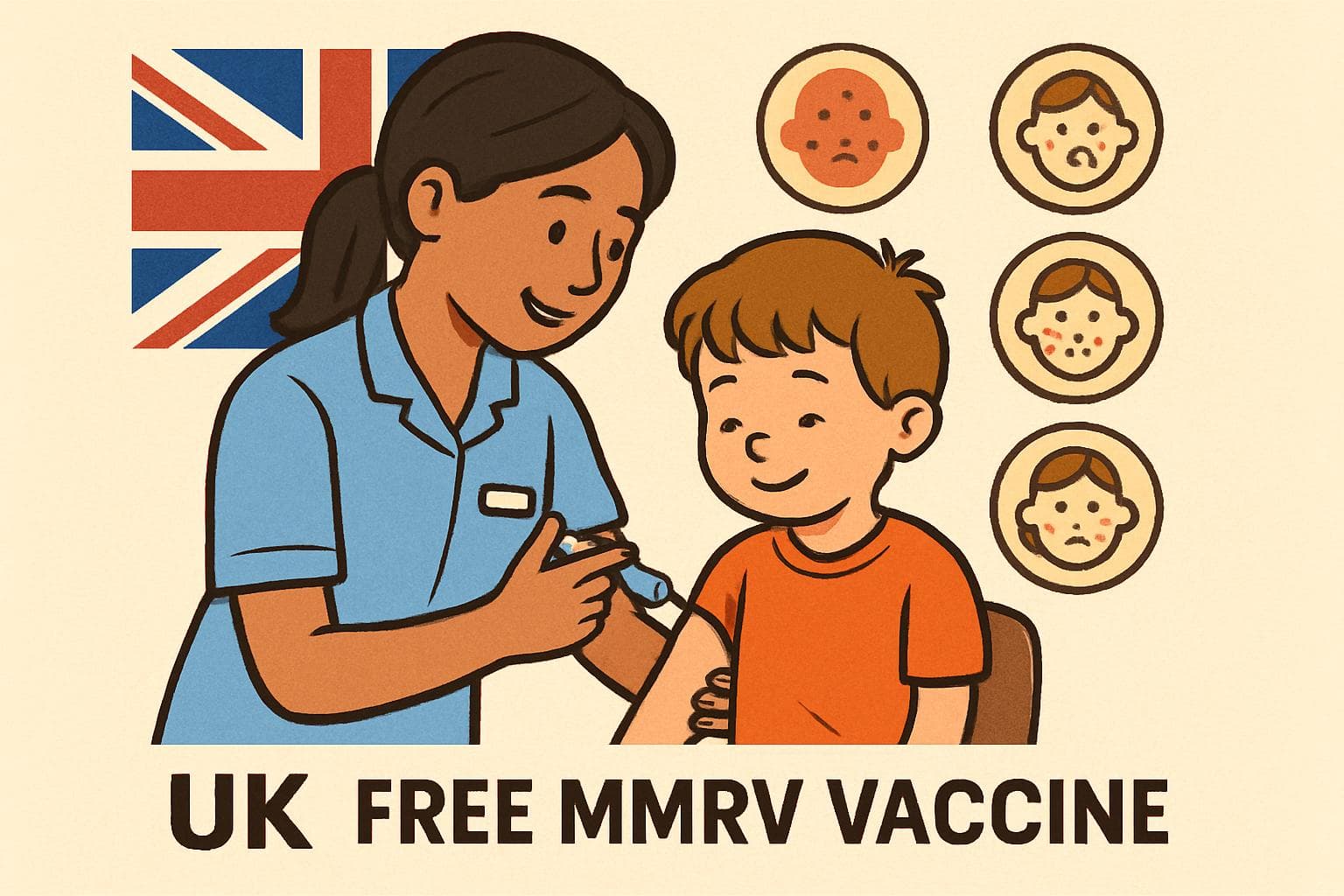
- The UK has introduced a combined MMRV vaccine for children, protecting against measles, mumps, rubella, and chickenpox.
- The vaccine is administered at 12 and 18 months, with a catch-up campaign for children up to six years old.
- Chickenpox affects 90% of children under 10, with potential severe complications, making the vaccine a significant preventive measure.
- The NHS vaccine rollout aligns the UK with countries like the US and Germany, where similar programs have reduced chickenpox cases.
- The introduction of the vaccine is expected to reduce school absences and parental work disruptions due to chickenpox.
In a landmark move, the UK has begun offering a combined vaccine to protect young children against chickenpox, alongside measles, mumps, and rubella. This new MMRV vaccine, where 'V' stands for varicella (another name for chickenpox), is now part of the NHS's routine childhood immunisation program. The initiative, which started on January 1, aims to significantly reduce the incidence of chickenpox, a common childhood disease that affects 90% of children under the age of 10.
Vaccine Rollout and Administration
The MMRV vaccine is administered in two doses at 12 and 18 months of age. For children up to six years old who have not yet received the vaccine, a catch-up campaign is in place to ensure they do not miss out on this crucial protection. Until now, parents had to pay up to £200 for a private chickenpox vaccine, but the NHS is now offering it free of charge, marking a historic moment in public health.
Impact on Public Health and Education
Chickenpox, caused by the varicella zoster virus, is highly contagious and can lead to severe complications such as encephalitis and pneumonia. The introduction of the MMRV vaccine is expected to prevent these severe cases and reduce the number of children missing school due to the disease. Dr. Claire Fuller, NHS England's national medical director, emphasized the positive impact of the vaccine, stating, "This is a hugely positive moment for children and their families."
Aligning with Global Standards
The UK's decision to include chickenpox in its routine vaccination schedule aligns it with countries like the US, Canada, and Germany, where similar programs have successfully reduced chickenpox cases and hospital admissions. Health Secretary Wes Streeting highlighted the significance of this move, noting that it addresses both health concerns and the disruption caused by chickenpox to families.
Personal Stories Highlight Vaccine Importance
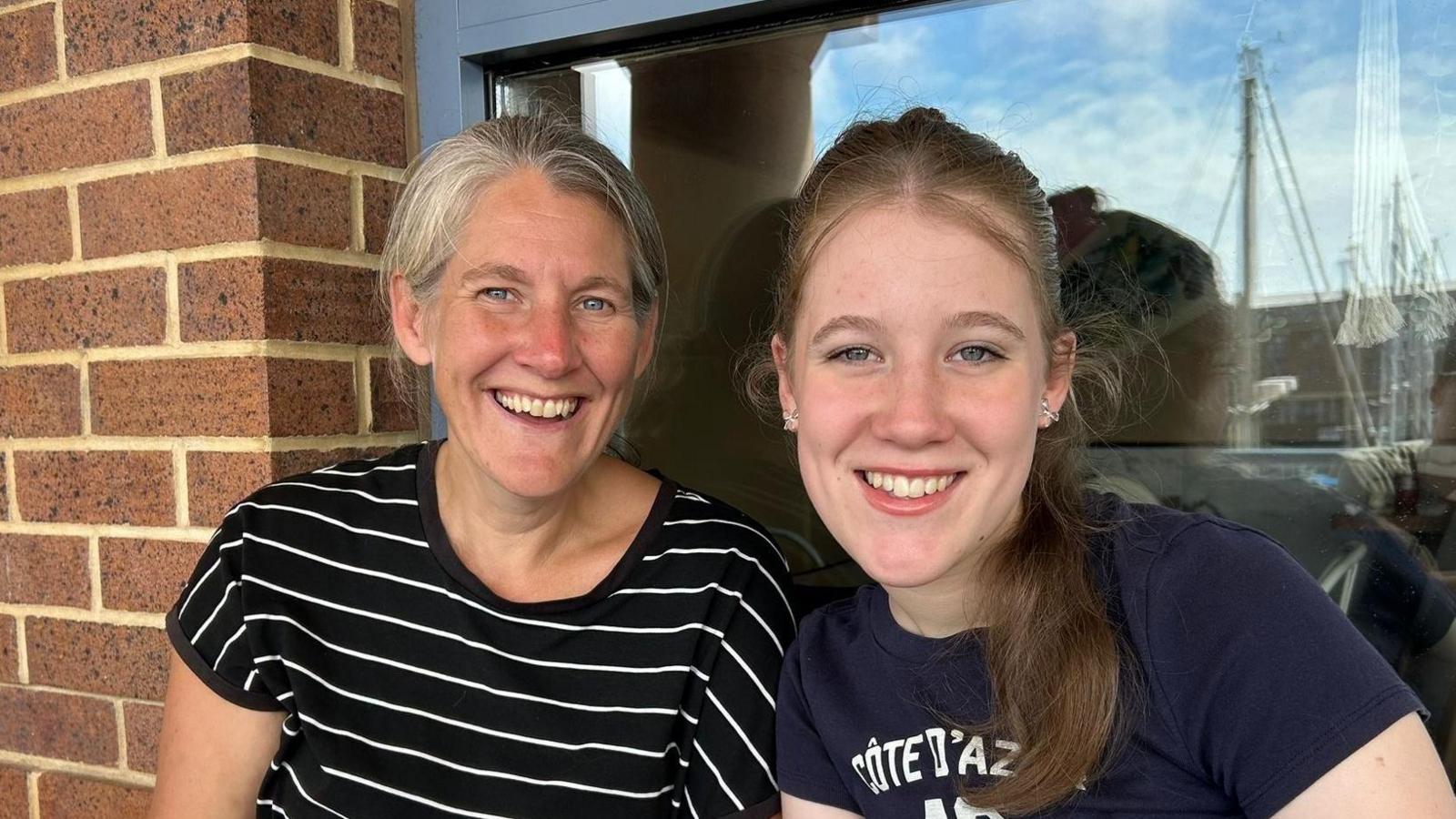
The story of Beth Horton, who suffered a stroke following a chickenpox infection, underscores the potential severity of the disease. Her mother, Maria Horton, expressed regret at not having access to the vaccine earlier, stating, "If I could prevent somebody else from going through what Beth did, that would be amazing."
WHAT THIS MIGHT MEAN
The introduction of the MMRV vaccine in the UK could lead to a significant decrease in chickenpox cases, reducing the burden on healthcare services and minimizing disruptions to education and work. As the program progresses, monitoring its impact on chickenpox incidence and potential changes in shingles cases will be crucial. Experts will likely continue to evaluate the long-term effects of the vaccine on public health, potentially influencing future vaccination strategies. Additionally, the success of this program may encourage further integration of vaccines into routine immunisation schedules, enhancing disease prevention efforts across the UK.
Images from the Web
Related Articles

UK Government to Reform Asylum Seeker Support and Employment Policies

UK Reinforces Military Presence in Cyprus Amid Middle East Tensions

UK-Iran Tensions: Starmer Defends Cautious Approach Amid Trump Criticism
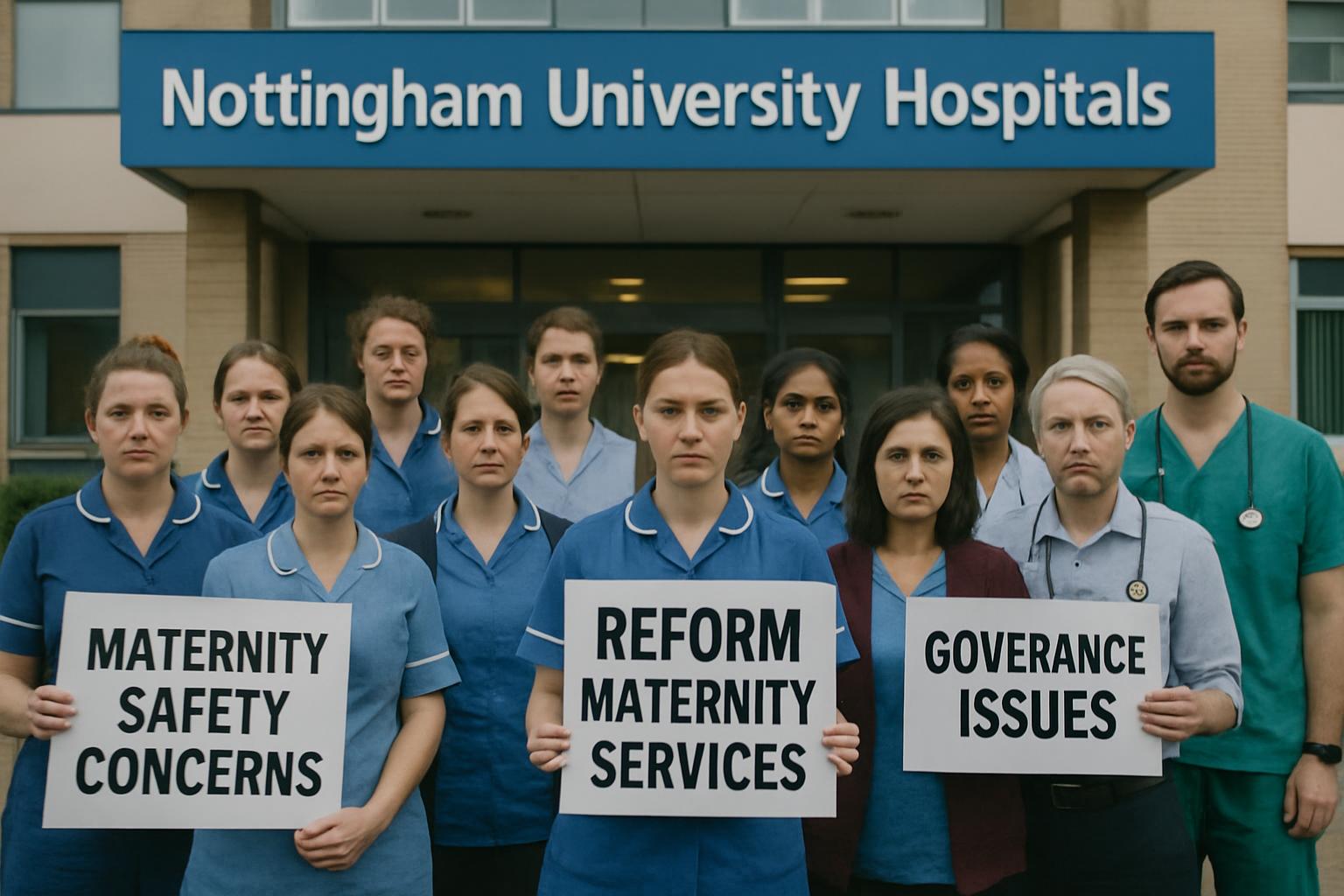
Persistent Safety Concerns in Nottingham Maternity Services Amidst Calls for Systemic Reform
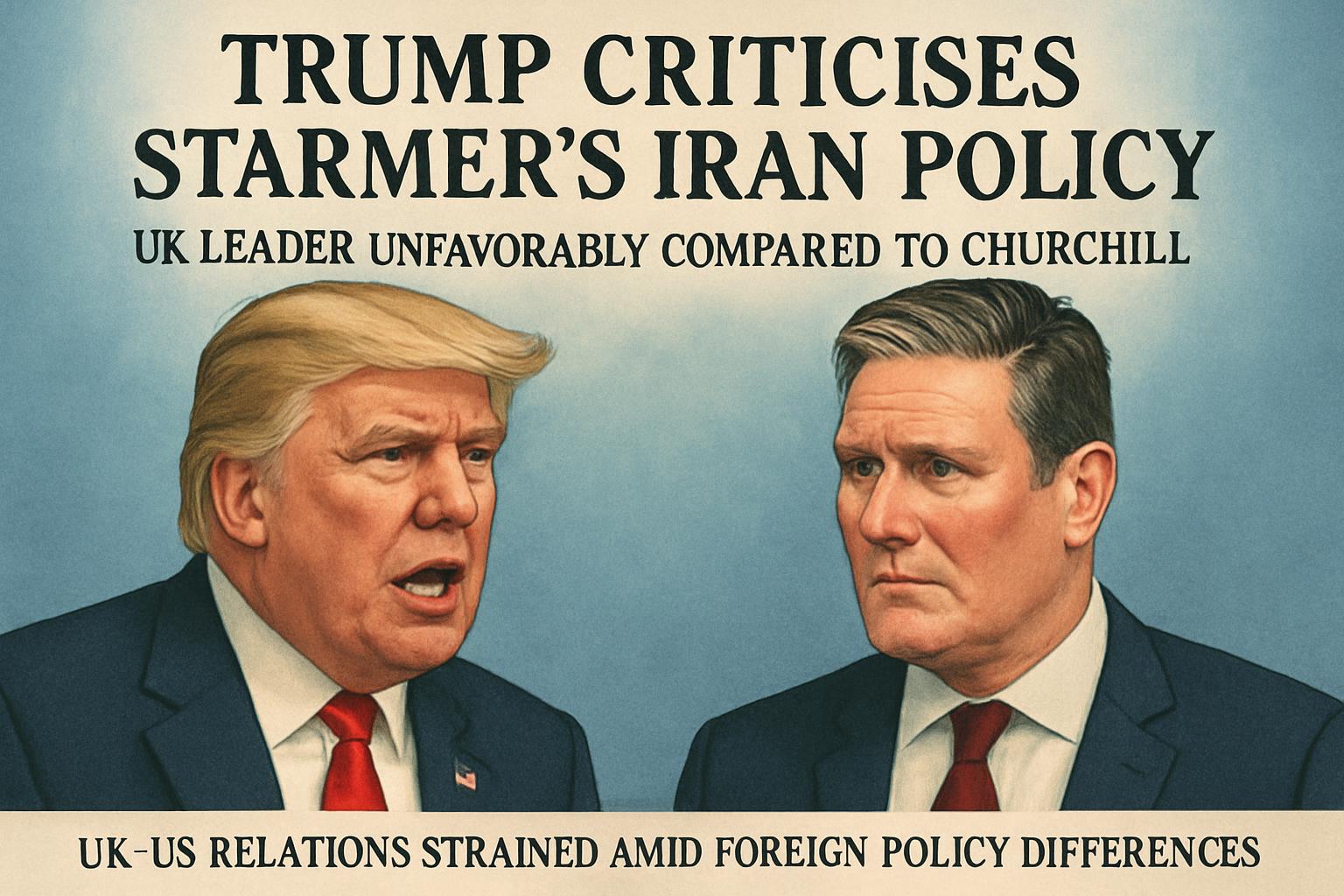
Diplomatic Tensions Rise as Trump Criticizes Starmer's Iran Policy

Canada and Australia Forge Strategic Partnership Amid Global Uncertainty
UK Launches Combined Vaccine to Protect Children Against Chickenpox and Other Diseases
In This Article
 Ethan Brooks| Published
 HIGHLIGHTS
- The UK has introduced a combined MMRV vaccine for children, protecting against measles, mumps, rubella, and chickenpox.
- The vaccine is administered at 12 and 18 months, with a catch-up campaign for children up to six years old.
- Chickenpox affects 90% of children under 10, with potential severe complications, making the vaccine a significant preventive measure.
- The NHS vaccine rollout aligns the UK with countries like the US and Germany, where similar programs have reduced chickenpox cases.
- The introduction of the vaccine is expected to reduce school absences and parental work disruptions due to chickenpox.
In a landmark move, the UK has begun offering a combined vaccine to protect young children against chickenpox, alongside measles, mumps, and rubella. This new MMRV vaccine, where 'V' stands for varicella (another name for chickenpox), is now part of the NHS's routine childhood immunisation program. The initiative, which started on January 1, aims to significantly reduce the incidence of chickenpox, a common childhood disease that affects 90% of children under the age of 10.
Vaccine Rollout and Administration
The MMRV vaccine is administered in two doses at 12 and 18 months of age. For children up to six years old who have not yet received the vaccine, a catch-up campaign is in place to ensure they do not miss out on this crucial protection. Until now, parents had to pay up to £200 for a private chickenpox vaccine, but the NHS is now offering it free of charge, marking a historic moment in public health.
Impact on Public Health and Education
Chickenpox, caused by the varicella zoster virus, is highly contagious and can lead to severe complications such as encephalitis and pneumonia. The introduction of the MMRV vaccine is expected to prevent these severe cases and reduce the number of children missing school due to the disease. Dr. Claire Fuller, NHS England's national medical director, emphasized the positive impact of the vaccine, stating, "This is a hugely positive moment for children and their families."
Aligning with Global Standards
The UK's decision to include chickenpox in its routine vaccination schedule aligns it with countries like the US, Canada, and Germany, where similar programs have successfully reduced chickenpox cases and hospital admissions. Health Secretary Wes Streeting highlighted the significance of this move, noting that it addresses both health concerns and the disruption caused by chickenpox to families.
Personal Stories Highlight Vaccine Importance
The story of Beth Horton, who suffered a stroke following a chickenpox infection, underscores the potential severity of the disease. Her mother, Maria Horton, expressed regret at not having access to the vaccine earlier, stating, "If I could prevent somebody else from going through what Beth did, that would be amazing."
WHAT THIS MIGHT MEAN
The introduction of the MMRV vaccine in the UK could lead to a significant decrease in chickenpox cases, reducing the burden on healthcare services and minimizing disruptions to education and work. As the program progresses, monitoring its impact on chickenpox incidence and potential changes in shingles cases will be crucial. Experts will likely continue to evaluate the long-term effects of the vaccine on public health, potentially influencing future vaccination strategies. Additionally, the success of this program may encourage further integration of vaccines into routine immunisation schedules, enhancing disease prevention efforts across the UK.
Images from the Web
Related Articles
UK Government to Reform Asylum Seeker Support and Employment Policies
UK Reinforces Military Presence in Cyprus Amid Middle East Tensions
UK-Iran Tensions: Starmer Defends Cautious Approach Amid Trump Criticism
Persistent Safety Concerns in Nottingham Maternity Services Amidst Calls for Systemic Reform
Diplomatic Tensions Rise as Trump Criticizes Starmer's Iran Policy
Canada and Australia Forge Strategic Partnership Amid Global Uncertainty