
UK Government Pledges to Boost Electric Vehicle Affordability and Infrastructure
In This Article
HIGHLIGHTS
- The UK government plans to make electric vehicles (EVs) more affordable, with a focus on expanding EV charging infrastructure.
- A £63 million investment has been announced for EV charging points, with £25 million allocated to councils for local infrastructure.
- The government is considering a £700 million subsidy package to reduce the cost of purchasing EVs, though details remain unconfirmed.
- Electric vehicles accounted for just over 20% of new car sales in the UK this year, falling short of the government's target.
- Concerns about "range anxiety" and high upfront costs continue to hinder the widespread adoption of electric vehicles.
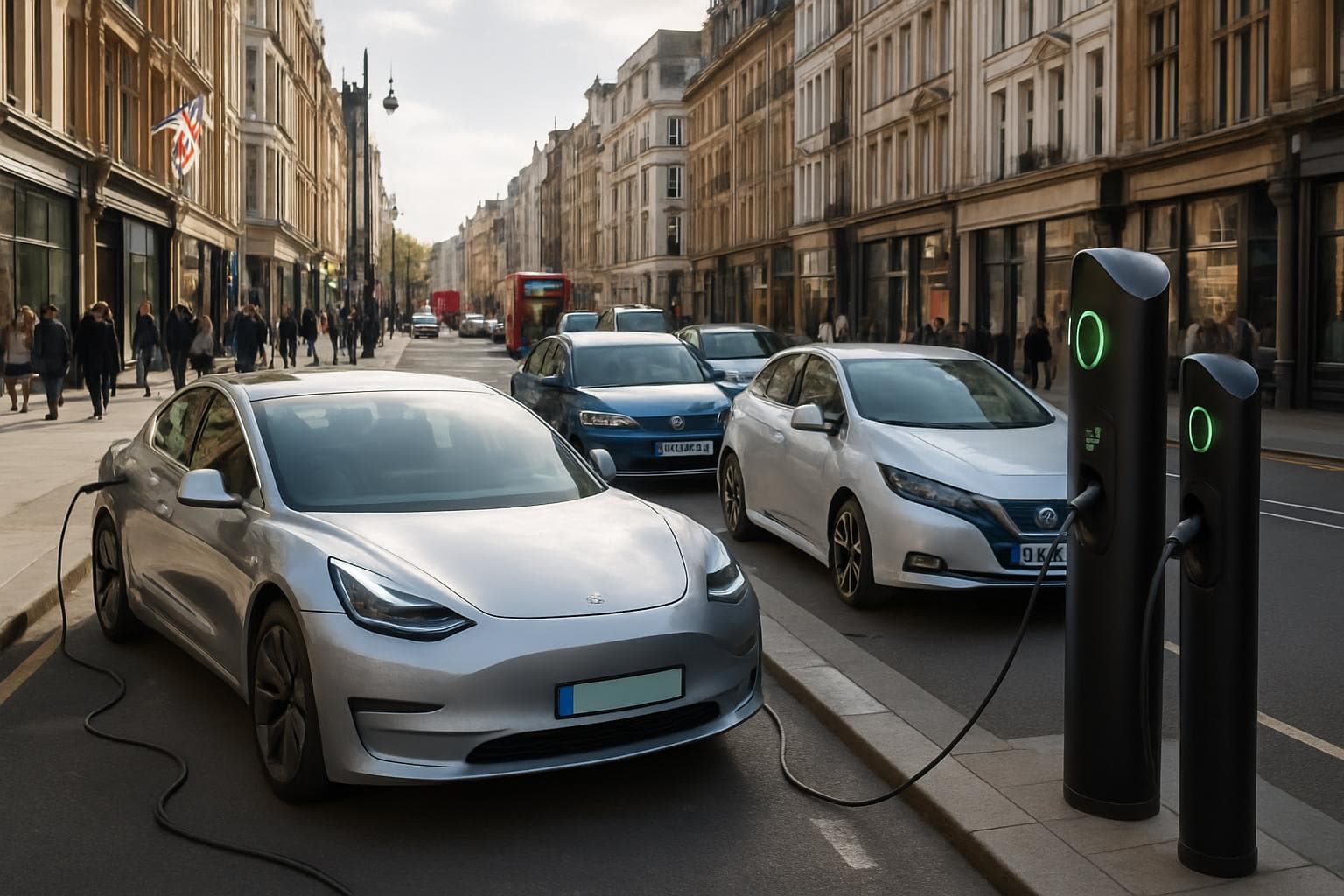
In a significant move to accelerate the transition to electric vehicles (EVs), the UK government has announced a £63 million investment aimed at expanding the country's EV charging infrastructure. Transport Secretary Heidi Alexander emphasized the need to make electric cars more accessible and affordable, as part of a broader strategy to promote sustainable transport.
Investment in Charging Infrastructure
The newly announced funding will be directed towards enhancing EV charging facilities across the UK. Of the total, £25 million is earmarked for local councils to develop infrastructure that allows residents without driveways to charge their vehicles more conveniently. This includes the installation of "cross-pavement gullies" to facilitate charging in residential areas. An additional £30 million will be allocated to vehicle depots, including those used by the NHS, to further support the EV transition.
Potential Subsidies to Lower Costs
While the government has yet to confirm specifics, there are discussions around a potential £700 million subsidy package designed to lower the cost of purchasing electric vehicles. This initiative aims to address the high upfront costs that deter many potential buyers. The subsidies are expected to favor UK-made electric cars, potentially benefiting manufacturers like Nissan, which is set to produce a new version of its Leaf model in Sunderland.
Challenges and Criticisms
Despite these efforts, the transition to electric vehicles faces several challenges. The average price of a new EV in the UK remains nearly double that of a petrol car, contributing to consumer hesitancy. Additionally, "range anxiety"—the fear of running out of charge without access to a charging point—continues to be a significant barrier. Critics, including Richard Fuller MP, argue that the government is pushing families towards expensive EVs before the infrastructure and market are fully prepared.
Current EV Sales and Targets
Electric vehicles currently make up just over 20% of new car sales in the UK, a figure that falls short of the government's target. The Society of Motor Manufacturers and Traders (SMMT) reports that while EV sales have increased significantly, they still represent less than 5% of all cars on British roads. The government has set a target for EVs to account for 28% of new sales this year, though flexible rules have effectively lowered this target to around 22%.
WHAT THIS MIGHT MEAN
Looking ahead, the success of the UK's electric vehicle strategy will largely depend on the effective implementation of charging infrastructure and the affordability of EVs. If the proposed subsidies are realized, they could significantly boost EV adoption rates, particularly among cost-conscious consumers. However, the government will need to address ongoing concerns about range anxiety and ensure that infrastructure keeps pace with demand. As the 2030 ban on new petrol and diesel cars approaches, the pressure to meet and exceed EV sales targets will intensify, potentially reshaping the UK's automotive landscape.
Related Articles

US Supreme Court Ruling on Tariffs Sparks Uncertainty for UK and Global Trade

UK Government to Reform Asylum Seeker Support and Employment Policies
Middle East Conflict Drives UK Energy Prices to New Highs

Persistent Safety Concerns in Nottingham Maternity Services Amidst Calls for Systemic Reform

Government Announces £4 Billion Overhaul of SEND Support in England

UK Government Announces Major Overhaul of SEND System with £3.4 Billion Investment
UK Government Pledges to Boost Electric Vehicle Affordability and Infrastructure
In This Article
 Daniel Rivera| Published
 HIGHLIGHTS
- The UK government plans to make electric vehicles (EVs) more affordable, with a focus on expanding EV charging infrastructure.
- A £63 million investment has been announced for EV charging points, with £25 million allocated to councils for local infrastructure.
- The government is considering a £700 million subsidy package to reduce the cost of purchasing EVs, though details remain unconfirmed.
- Electric vehicles accounted for just over 20% of new car sales in the UK this year, falling short of the government's target.
- Concerns about "range anxiety" and high upfront costs continue to hinder the widespread adoption of electric vehicles.
In a significant move to accelerate the transition to electric vehicles (EVs), the UK government has announced a £63 million investment aimed at expanding the country's EV charging infrastructure. Transport Secretary Heidi Alexander emphasized the need to make electric cars more accessible and affordable, as part of a broader strategy to promote sustainable transport.
Investment in Charging Infrastructure
The newly announced funding will be directed towards enhancing EV charging facilities across the UK. Of the total, £25 million is earmarked for local councils to develop infrastructure that allows residents without driveways to charge their vehicles more conveniently. This includes the installation of "cross-pavement gullies" to facilitate charging in residential areas. An additional £30 million will be allocated to vehicle depots, including those used by the NHS, to further support the EV transition.
Potential Subsidies to Lower Costs
While the government has yet to confirm specifics, there are discussions around a potential £700 million subsidy package designed to lower the cost of purchasing electric vehicles. This initiative aims to address the high upfront costs that deter many potential buyers. The subsidies are expected to favor UK-made electric cars, potentially benefiting manufacturers like Nissan, which is set to produce a new version of its Leaf model in Sunderland.
Challenges and Criticisms
Despite these efforts, the transition to electric vehicles faces several challenges. The average price of a new EV in the UK remains nearly double that of a petrol car, contributing to consumer hesitancy. Additionally, "range anxiety"—the fear of running out of charge without access to a charging point—continues to be a significant barrier. Critics, including Richard Fuller MP, argue that the government is pushing families towards expensive EVs before the infrastructure and market are fully prepared.
Current EV Sales and Targets
Electric vehicles currently make up just over 20% of new car sales in the UK, a figure that falls short of the government's target. The Society of Motor Manufacturers and Traders (SMMT) reports that while EV sales have increased significantly, they still represent less than 5% of all cars on British roads. The government has set a target for EVs to account for 28% of new sales this year, though flexible rules have effectively lowered this target to around 22%.
WHAT THIS MIGHT MEAN
Looking ahead, the success of the UK's electric vehicle strategy will largely depend on the effective implementation of charging infrastructure and the affordability of EVs. If the proposed subsidies are realized, they could significantly boost EV adoption rates, particularly among cost-conscious consumers. However, the government will need to address ongoing concerns about range anxiety and ensure that infrastructure keeps pace with demand. As the 2030 ban on new petrol and diesel cars approaches, the pressure to meet and exceed EV sales targets will intensify, potentially reshaping the UK's automotive landscape.
Related Articles
US Supreme Court Ruling on Tariffs Sparks Uncertainty for UK and Global Trade
UK Government to Reform Asylum Seeker Support and Employment Policies
Middle East Conflict Drives UK Energy Prices to New Highs
Persistent Safety Concerns in Nottingham Maternity Services Amidst Calls for Systemic Reform
Government Announces £4 Billion Overhaul of SEND Support in England
UK Government Announces Major Overhaul of SEND System with £3.4 Billion Investment