
UK Government to Launch Family Hubs Nationwide to Support Early Childhood Development
In This Article
HIGHLIGHTS
- The UK government plans to establish family hubs in every local authority in England by 2028, with a £500 million investment.
- These hubs will offer a range of services including parenting support, youth services, and early childhood development programs.
- The initiative aims to replace services lost since 2010, including the closure of over 1,400 Sure Start centres.
- Education Secretary Bridget Phillipson emphasized the hubs' role in breaking the link between a child's background and their future achievements.
- Critics argue there is a lack of clarity on what is genuinely new versus rebranded existing services.
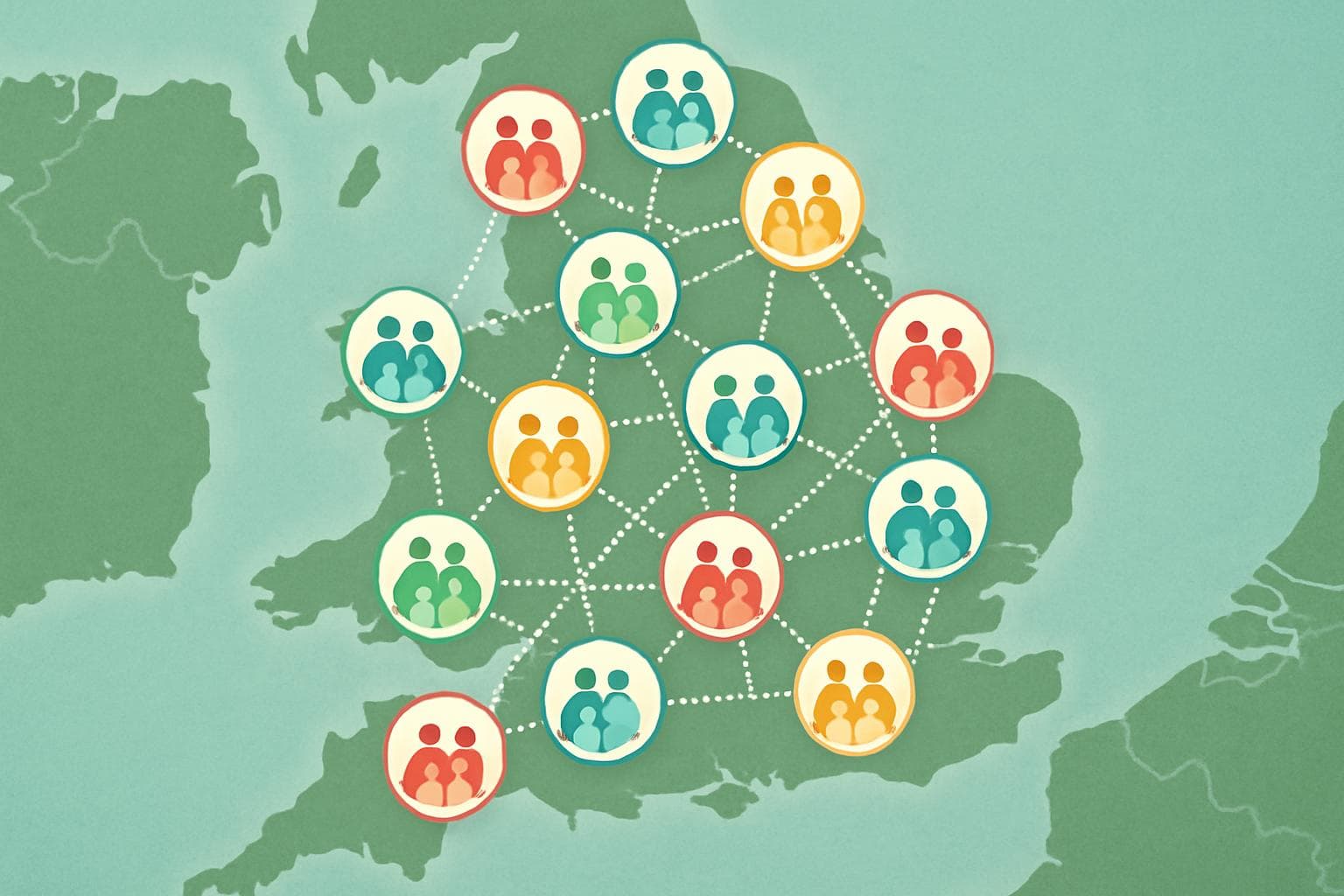
In a significant move to bolster support for families across England, the UK government has announced a £500 million initiative to establish family hubs in every local authority by 2028. These hubs aim to provide comprehensive services, including parenting support, youth services, and early childhood development programs, to help children in disadvantaged areas.
A Comprehensive Support Network
The family hubs will serve as a one-stop shop for various services, offering assistance with breastfeeding, housing issues, and early childhood development. Parents will also have access to midwifery and maternity services, birth registration, and smoking cessation programs. The initiative builds on the existing family hubs and the Start for Life program, providing a single point of access for health, education, and wellbeing services.
Reviving and Expanding Services
This ambitious plan seeks to replace services lost since 2010, including the closure of more than 1,400 Sure Start centres. Research has shown that children living near Sure Start centres were more likely to achieve good GCSE grades at age 16. The government aims to open 1,000 family hubs by April 2026, ensuring every council in England has access to these vital resources by 2028.
Government's Vision and Criticism
Education Secretary Bridget Phillipson stated that the hubs would provide a "lifeline of consistent support," ensuring health, social care, and education work together to give children the best start in life. However, critics, including Shadow Education Secretary Laura Trott, have expressed concerns over the lack of clarity regarding what is genuinely new in the initiative versus rebranded existing services. Despite these criticisms, organizations like Save The Children have welcomed the government's efforts to make support more accessible to families.
WHAT THIS MIGHT MEAN
As the government rolls out these family hubs, the initiative could significantly impact early childhood development and family support across England. If successful, the hubs may help bridge the gap between a child's background and their future achievements, potentially leading to improved educational outcomes. However, the success of this initiative will depend on effective implementation and clear communication about the services offered. Critics will likely continue to scrutinize the government's approach, particularly concerning the differentiation between new and existing services. As the project progresses, it will be crucial for the government to address these concerns to ensure the initiative's long-term success and sustainability.
Images from the Web

Related Articles

Prince Andrew's Ties to Epstein Under Scrutiny Amid Calls for Inquiry
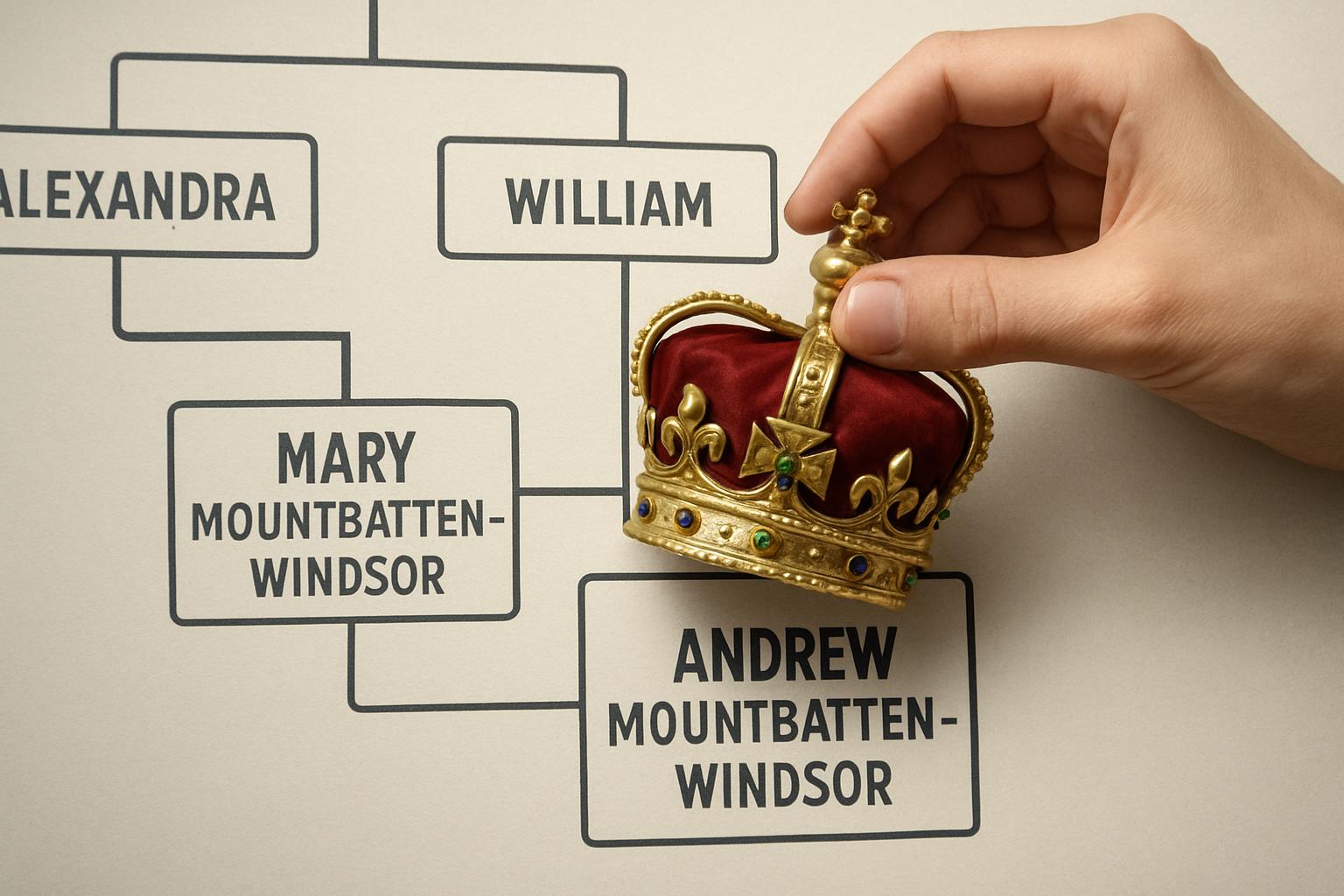
UK Government Considers Removing Andrew Mountbatten-Windsor from Royal Succession Amid Arrest
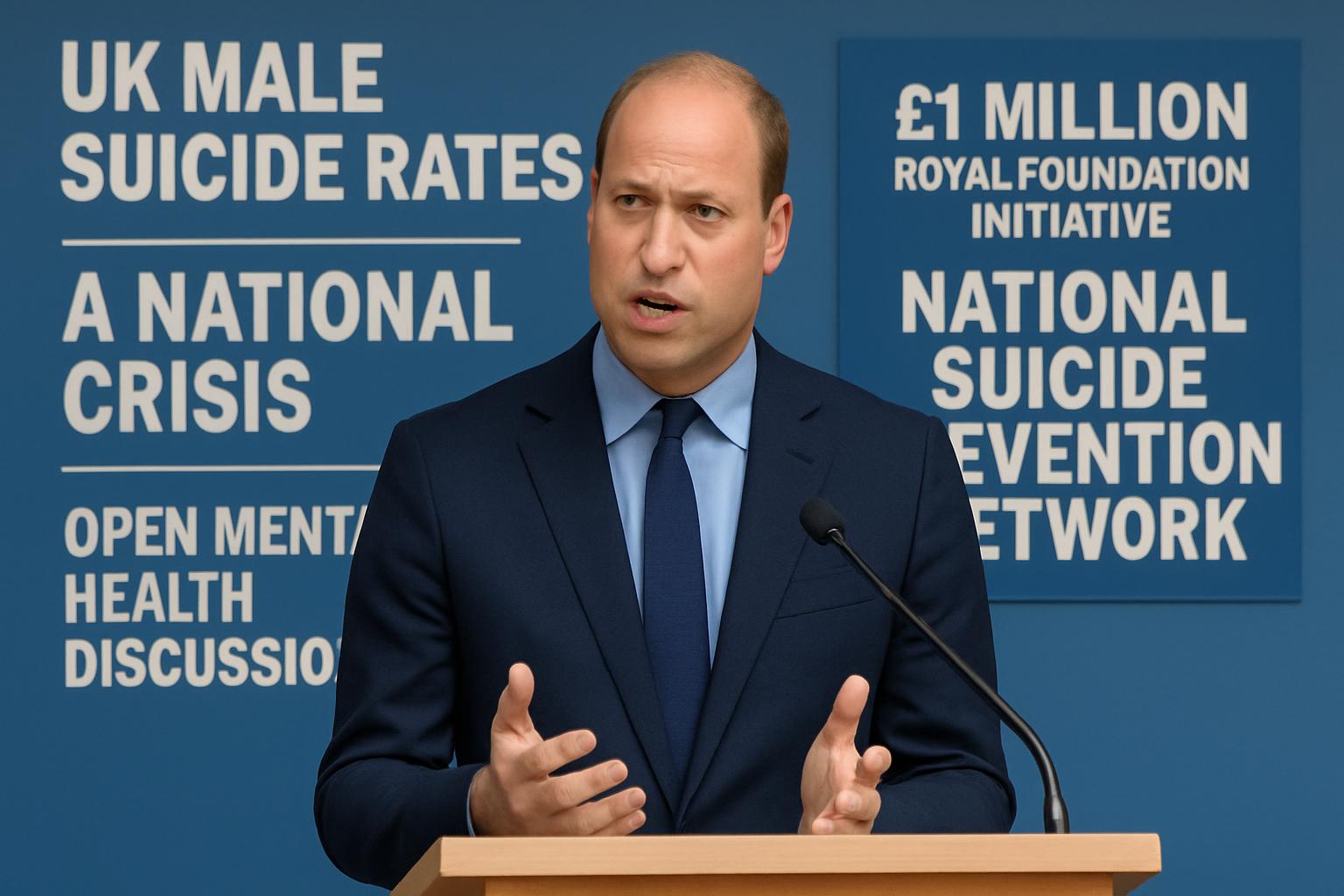
Prince William Calls for Action on UK Male Suicide Rates
Government Announces £4 Billion Overhaul of SEND Support in England
UK Government Announces Major Overhaul of SEND System with £3.4 Billion Investment
Conservatives Propose Interest Rate Cap on Student Loans Amid Growing Debt Concerns
UK Government to Launch Family Hubs Nationwide to Support Early Childhood Development
In This Article
 Ethan Brooks| Published
 HIGHLIGHTS
- The UK government plans to establish family hubs in every local authority in England by 2028, with a £500 million investment.
- These hubs will offer a range of services including parenting support, youth services, and early childhood development programs.
- The initiative aims to replace services lost since 2010, including the closure of over 1,400 Sure Start centres.
- Education Secretary Bridget Phillipson emphasized the hubs' role in breaking the link between a child's background and their future achievements.
- Critics argue there is a lack of clarity on what is genuinely new versus rebranded existing services.
In a significant move to bolster support for families across England, the UK government has announced a £500 million initiative to establish family hubs in every local authority by 2028. These hubs aim to provide comprehensive services, including parenting support, youth services, and early childhood development programs, to help children in disadvantaged areas.
A Comprehensive Support Network
The family hubs will serve as a one-stop shop for various services, offering assistance with breastfeeding, housing issues, and early childhood development. Parents will also have access to midwifery and maternity services, birth registration, and smoking cessation programs. The initiative builds on the existing family hubs and the Start for Life program, providing a single point of access for health, education, and wellbeing services.
Reviving and Expanding Services
This ambitious plan seeks to replace services lost since 2010, including the closure of more than 1,400 Sure Start centres. Research has shown that children living near Sure Start centres were more likely to achieve good GCSE grades at age 16. The government aims to open 1,000 family hubs by April 2026, ensuring every council in England has access to these vital resources by 2028.
Government's Vision and Criticism
Education Secretary Bridget Phillipson stated that the hubs would provide a "lifeline of consistent support," ensuring health, social care, and education work together to give children the best start in life. However, critics, including Shadow Education Secretary Laura Trott, have expressed concerns over the lack of clarity regarding what is genuinely new in the initiative versus rebranded existing services. Despite these criticisms, organizations like Save The Children have welcomed the government's efforts to make support more accessible to families.
WHAT THIS MIGHT MEAN
As the government rolls out these family hubs, the initiative could significantly impact early childhood development and family support across England. If successful, the hubs may help bridge the gap between a child's background and their future achievements, potentially leading to improved educational outcomes. However, the success of this initiative will depend on effective implementation and clear communication about the services offered. Critics will likely continue to scrutinize the government's approach, particularly concerning the differentiation between new and existing services. As the project progresses, it will be crucial for the government to address these concerns to ensure the initiative's long-term success and sustainability.
Images from the Web
Related Articles
Prince Andrew's Ties to Epstein Under Scrutiny Amid Calls for Inquiry
UK Government Considers Removing Andrew Mountbatten-Windsor from Royal Succession Amid Arrest
Prince William Calls for Action on UK Male Suicide Rates
Government Announces £4 Billion Overhaul of SEND Support in England
UK Government Announces Major Overhaul of SEND System with £3.4 Billion Investment
Conservatives Propose Interest Rate Cap on Student Loans Amid Growing Debt Concerns