
Local Government Funding Reforms: Challenges and Opportunities
In This Article
HIGHLIGHTS
- Leeds City Council must save £101.5m next year due to rising social care and temporary accommodation costs.
- Gloucestershire's proposed council reorganization could create financial disparities, with potential deficits and surpluses.
- A new funding model will redirect resources to deprived areas in the Midlands and north of England, benefiting urban councils.
- The changes aim to address austerity impacts, with real-terms funding increases for "left behind" areas.
- London councils face financial strain despite adjustments in deprivation measures, risking bankruptcy by 2028.
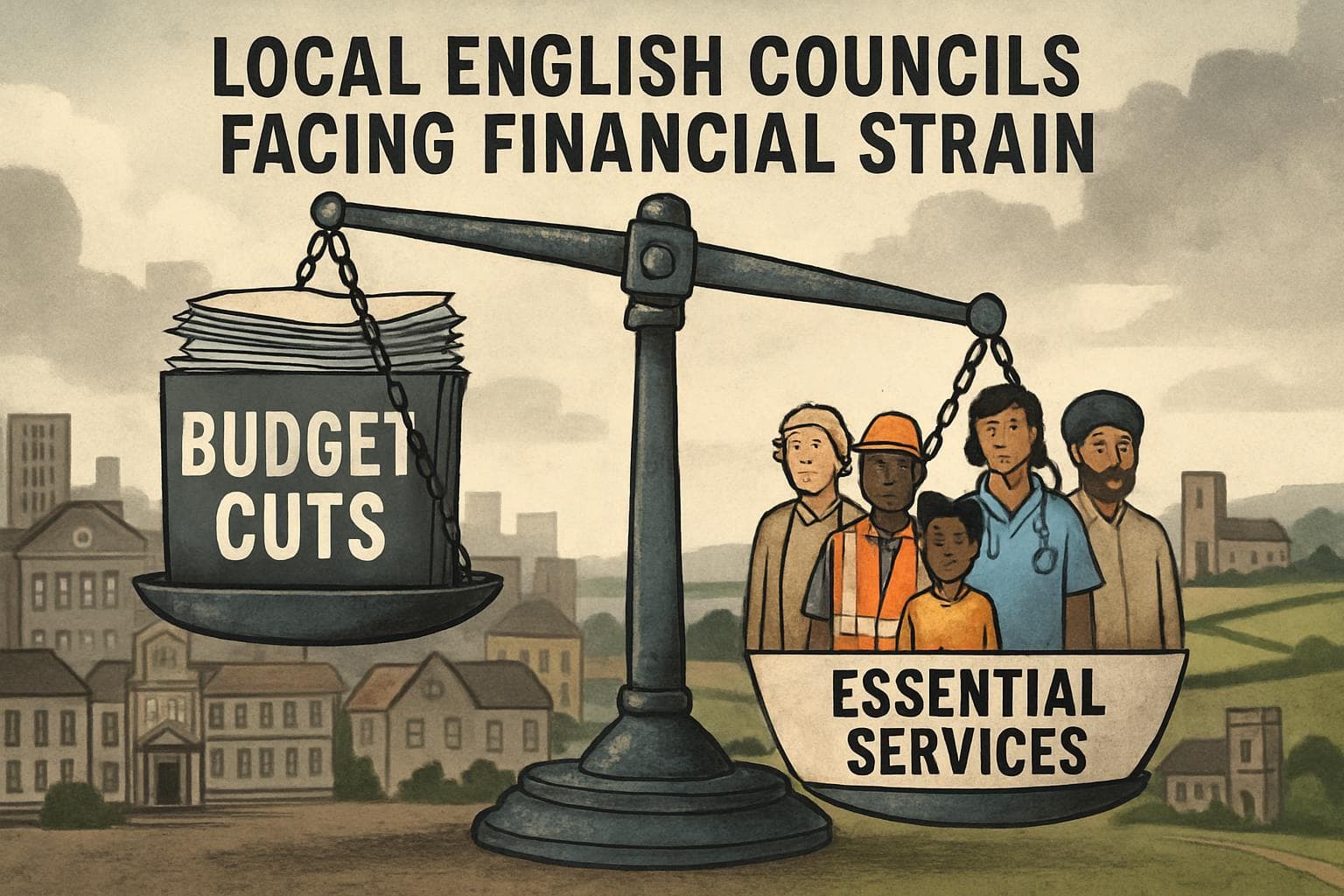
Local councils across England are grappling with significant financial challenges as they navigate budget cuts, funding reforms, and potential reorganizations. Leeds City Council, for instance, is tasked with finding £101.5m in savings for the next financial year, driven by increasing demands in social care and temporary accommodation. This comes amid a decade-long reduction in funding, amounting to a real-terms decrease of £465.9m, or 70% of its overall budget, according to council leader James Lewis. The council has already made substantial savings, including workforce reductions, while striving to maintain essential services for vulnerable residents.
Meanwhile, Gloucestershire faces a potential reorganization that could see its seven district and county councils replaced by one or two "super authorities." This proposal has sparked concerns about creating a financial divide, with the west side potentially starting with a £23m deficit and the east with a £20m surplus. While some politicians advocate for a single council to ensure cost-effectiveness, others argue for a split to better represent distinct regional needs.
In a broader context, the UK government has announced a shake-up in local authority funding, redirecting resources from affluent rural areas to urban councils in the Midlands and north of England. This move aims to support areas hardest hit by austerity, with real-terms funding increases guaranteed for the next three years. Local government minister Alison McGovern emphasized the importance of these changes in revitalizing "left behind" communities and restoring trust in political institutions.
However, the reforms have not alleviated all concerns. London councils, despite adjustments recognizing high housing needs and child poverty, still face financial pressures. Claire Holland, chair of London Councils, warned that half of the capital's boroughs might require government bailouts to avoid bankruptcy by 2028.
WHAT THIS MIGHT MEAN
The financial challenges facing local councils highlight the need for strategic planning and efficient resource allocation. As Leeds City Council prepares its budget proposals, it must balance cost-cutting measures with maintaining essential services. The outcome of Gloucestershire's reorganization could set a precedent for other regions considering similar changes, potentially influencing future government decisions on local governance structures.
The funding reforms in the Midlands and north of England represent a significant shift in addressing regional disparities. If successful, they could strengthen civic infrastructure and improve public trust in government. However, the ongoing financial strain on London councils underscores the complexity of balancing national funding priorities with local needs. As these developments unfold, the effectiveness of these reforms will be closely scrutinized, with potential implications for future policy decisions.
Images from the Web

Related Articles
Middle East Conflict Drives UK Energy Prices to New Highs

Government Announces £4 Billion Overhaul of SEND Support in England

UK Government Announces Major Overhaul of SEND System with £3.4 Billion Investment
Government Unveils Ambitious Plan to Halve Attainment Gap in England's Schools

UK Government's SEND Reforms: A Critical Turning Point for Special Education

UK Reinforces Military Presence in Cyprus Amid Middle East Tensions
Local Government Funding Reforms: Challenges and Opportunities
In This Article
 Daniel Rivera| Published
 HIGHLIGHTS
- Leeds City Council must save £101.5m next year due to rising social care and temporary accommodation costs.
- Gloucestershire's proposed council reorganization could create financial disparities, with potential deficits and surpluses.
- A new funding model will redirect resources to deprived areas in the Midlands and north of England, benefiting urban councils.
- The changes aim to address austerity impacts, with real-terms funding increases for "left behind" areas.
- London councils face financial strain despite adjustments in deprivation measures, risking bankruptcy by 2028.
Local councils across England are grappling with significant financial challenges as they navigate budget cuts, funding reforms, and potential reorganizations. Leeds City Council, for instance, is tasked with finding £101.5m in savings for the next financial year, driven by increasing demands in social care and temporary accommodation. This comes amid a decade-long reduction in funding, amounting to a real-terms decrease of £465.9m, or 70% of its overall budget, according to council leader James Lewis. The council has already made substantial savings, including workforce reductions, while striving to maintain essential services for vulnerable residents.
Meanwhile, Gloucestershire faces a potential reorganization that could see its seven district and county councils replaced by one or two "super authorities." This proposal has sparked concerns about creating a financial divide, with the west side potentially starting with a £23m deficit and the east with a £20m surplus. While some politicians advocate for a single council to ensure cost-effectiveness, others argue for a split to better represent distinct regional needs.
In a broader context, the UK government has announced a shake-up in local authority funding, redirecting resources from affluent rural areas to urban councils in the Midlands and north of England. This move aims to support areas hardest hit by austerity, with real-terms funding increases guaranteed for the next three years. Local government minister Alison McGovern emphasized the importance of these changes in revitalizing "left behind" communities and restoring trust in political institutions.
However, the reforms have not alleviated all concerns. London councils, despite adjustments recognizing high housing needs and child poverty, still face financial pressures. Claire Holland, chair of London Councils, warned that half of the capital's boroughs might require government bailouts to avoid bankruptcy by 2028.
WHAT THIS MIGHT MEAN
The financial challenges facing local councils highlight the need for strategic planning and efficient resource allocation. As Leeds City Council prepares its budget proposals, it must balance cost-cutting measures with maintaining essential services. The outcome of Gloucestershire's reorganization could set a precedent for other regions considering similar changes, potentially influencing future government decisions on local governance structures.
The funding reforms in the Midlands and north of England represent a significant shift in addressing regional disparities. If successful, they could strengthen civic infrastructure and improve public trust in government. However, the ongoing financial strain on London councils underscores the complexity of balancing national funding priorities with local needs. As these developments unfold, the effectiveness of these reforms will be closely scrutinized, with potential implications for future policy decisions.
Images from the Web
Related Articles
Middle East Conflict Drives UK Energy Prices to New Highs
Government Announces £4 Billion Overhaul of SEND Support in England
UK Government Announces Major Overhaul of SEND System with £3.4 Billion Investment
Government Unveils Ambitious Plan to Halve Attainment Gap in England's Schools
UK Government's SEND Reforms: A Critical Turning Point for Special Education
UK Reinforces Military Presence in Cyprus Amid Middle East Tensions