
UK to Lower Voting Age to 16 by Next General Election
In This Article
HIGHLIGHTS
- The UK government plans to lower the voting age to 16 by the next general election, marking a significant change in the democratic process.
- The Elections Bill also proposes expanding voter ID options and tightening political donation rules to prevent foreign interference.
- Critics argue the change could benefit Labour, but the government insists it is about enhancing democracy and youth engagement.
- Concerns exist that the move might inadvertently boost support for smaller parties like the Greens and Reform UK.
- Public opinion is divided, with a significant portion opposing the reduction in voting age, according to recent surveys.
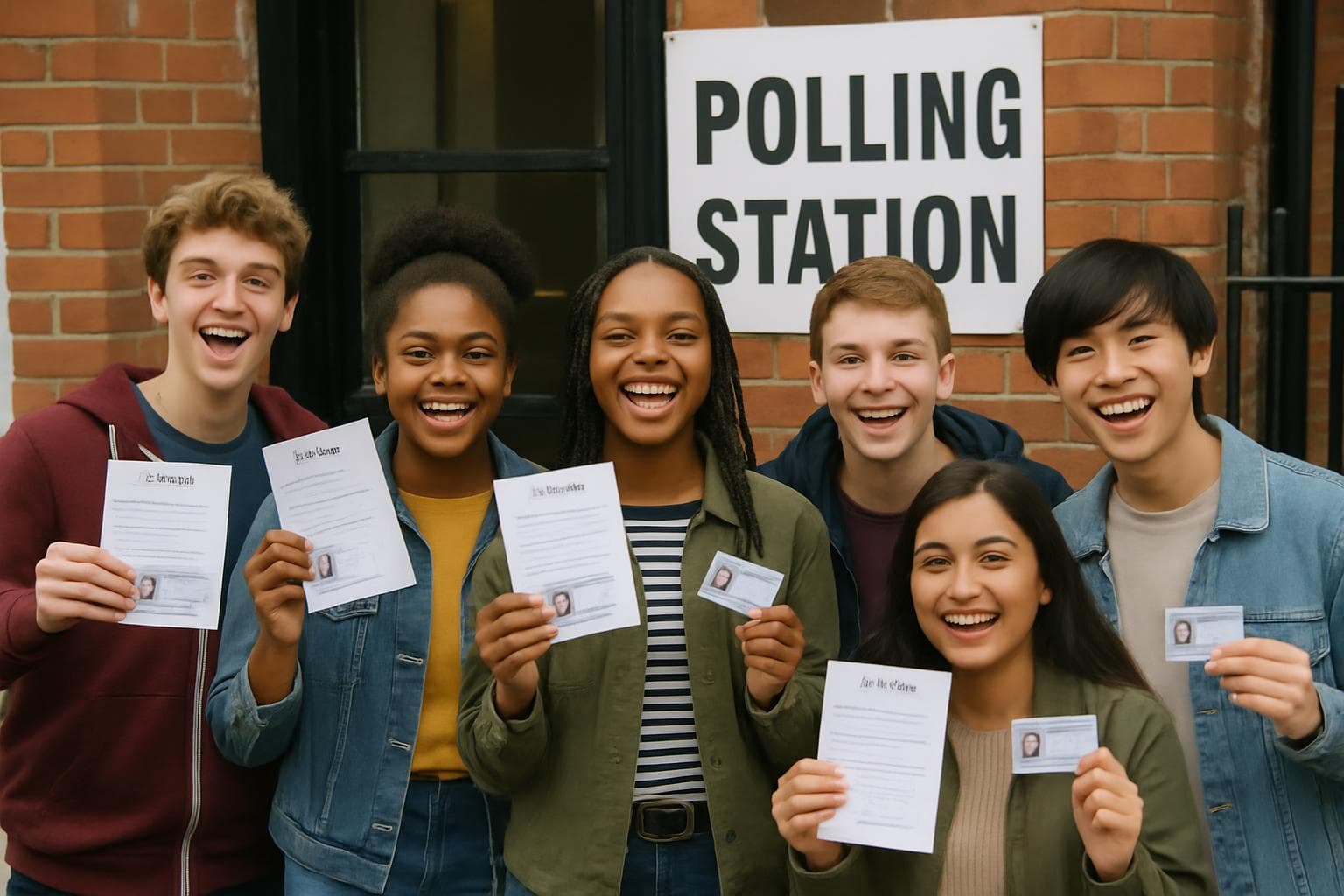
In a landmark decision, the UK government has announced plans to lower the voting age to 16 by the next general election, a move that could reshape the nation's democratic landscape. This change, part of a broader Elections Bill, aims to engage younger citizens in the political process, aligning the voting age across the UK with that already in place for local elections in Scotland and Wales.
Expanding Voter Access and Security
The Elections Bill introduces several reforms, including expanding acceptable forms of voter ID to include UK-issued bank cards and moving towards automatic voter registration. These measures are designed to enhance voter access while safeguarding against foreign interference in political donations. Deputy Prime Minister Angela Rayner emphasized the importance of allowing young people, many of whom are already contributing to society through work and taxes, to have a say in their governance.
Political Implications and Criticisms
The decision has sparked debate across the political spectrum. Critics, including Conservative shadow minister Paul Holmes, question the inconsistency of allowing 16-year-olds to vote while restricting them from other adult responsibilities. Concerns also arise from within Labour, fearing the change might inadvertently benefit smaller parties like the Greens and Reform UK, which are gaining traction among younger voters. Nigel Farage, leader of Reform UK, accused the government of attempting to manipulate the system, though he expressed confidence in appealing to the new young electorate.
Public Opinion and Future Prospects
Despite fulfilling a Labour manifesto promise, public opinion remains divided. A survey by More in Common found that nearly half of Britons oppose lowering the voting age, with many prioritizing other issues. However, proponents argue that engaging younger voters is crucial for a vibrant democracy. Angela Rayner highlighted the importance of combating misinformation and encouraging informed participation among new voters.
WHAT THIS MIGHT MEAN
As the UK prepares for this significant electoral reform, the political landscape could experience shifts, particularly if younger voters gravitate towards smaller parties. The impact on future elections will depend on how effectively parties engage with this new demographic. Experts suggest that while the immediate national impact may be minimal due to the small proportion of newly enfranchised voters, local elections could see more pronounced effects. The success of this initiative will likely hinge on addressing public concerns and ensuring that young voters are well-informed and motivated to participate in the democratic process.
Related Articles
Reform UK Aims to Reshape Welsh Politics with New Manifesto

Saharan Dust to Illuminate UK Skies with Vivid Sunrises and Sunsets

Police Federation Chief Arrested Amid Fraud Investigation

Canada and Australia Forge Strategic Partnership Amid Global Uncertainty
UK Government to Reform Asylum Seeker Support and Employment Policies

Sisters Tragically Drown at Eryri National Park's Watkin Path
UK to Lower Voting Age to 16 by Next General Election
In This Article
 Alex Carter| Published
 HIGHLIGHTS
- The UK government plans to lower the voting age to 16 by the next general election, marking a significant change in the democratic process.
- The Elections Bill also proposes expanding voter ID options and tightening political donation rules to prevent foreign interference.
- Critics argue the change could benefit Labour, but the government insists it is about enhancing democracy and youth engagement.
- Concerns exist that the move might inadvertently boost support for smaller parties like the Greens and Reform UK.
- Public opinion is divided, with a significant portion opposing the reduction in voting age, according to recent surveys.
In a landmark decision, the UK government has announced plans to lower the voting age to 16 by the next general election, a move that could reshape the nation's democratic landscape. This change, part of a broader Elections Bill, aims to engage younger citizens in the political process, aligning the voting age across the UK with that already in place for local elections in Scotland and Wales.
Expanding Voter Access and Security
The Elections Bill introduces several reforms, including expanding acceptable forms of voter ID to include UK-issued bank cards and moving towards automatic voter registration. These measures are designed to enhance voter access while safeguarding against foreign interference in political donations. Deputy Prime Minister Angela Rayner emphasized the importance of allowing young people, many of whom are already contributing to society through work and taxes, to have a say in their governance.
Political Implications and Criticisms
The decision has sparked debate across the political spectrum. Critics, including Conservative shadow minister Paul Holmes, question the inconsistency of allowing 16-year-olds to vote while restricting them from other adult responsibilities. Concerns also arise from within Labour, fearing the change might inadvertently benefit smaller parties like the Greens and Reform UK, which are gaining traction among younger voters. Nigel Farage, leader of Reform UK, accused the government of attempting to manipulate the system, though he expressed confidence in appealing to the new young electorate.
Public Opinion and Future Prospects
Despite fulfilling a Labour manifesto promise, public opinion remains divided. A survey by More in Common found that nearly half of Britons oppose lowering the voting age, with many prioritizing other issues. However, proponents argue that engaging younger voters is crucial for a vibrant democracy. Angela Rayner highlighted the importance of combating misinformation and encouraging informed participation among new voters.
WHAT THIS MIGHT MEAN
As the UK prepares for this significant electoral reform, the political landscape could experience shifts, particularly if younger voters gravitate towards smaller parties. The impact on future elections will depend on how effectively parties engage with this new demographic. Experts suggest that while the immediate national impact may be minimal due to the small proportion of newly enfranchised voters, local elections could see more pronounced effects. The success of this initiative will likely hinge on addressing public concerns and ensuring that young voters are well-informed and motivated to participate in the democratic process.
Related Articles
Reform UK Aims to Reshape Welsh Politics with New Manifesto
Saharan Dust to Illuminate UK Skies with Vivid Sunrises and Sunsets
Police Federation Chief Arrested Amid Fraud Investigation
Canada and Australia Forge Strategic Partnership Amid Global Uncertainty
UK Government to Reform Asylum Seeker Support and Employment Policies
Sisters Tragically Drown at Eryri National Park's Watkin Path