
UK Military Faces Scrutiny Over Widespread Sexual Harassment Allegations
In This Article
HIGHLIGHTS
- A Ministry of Defence survey revealed that 67% of women in the UK military experienced sexualised behaviour in the past year.
- Women in the armed forces were twice as likely as men to encounter such behaviours, including harassment and groping.
- The MoD has launched a prevention programme to tackle these issues, deploying specialist teams to military bases.
- Only a minority of affected women reported the incidents, with 12% making formal complaints and 10% going to the police.
- The findings follow a series of scandals in the military, highlighting systemic issues of misconduct and gender discrimination.
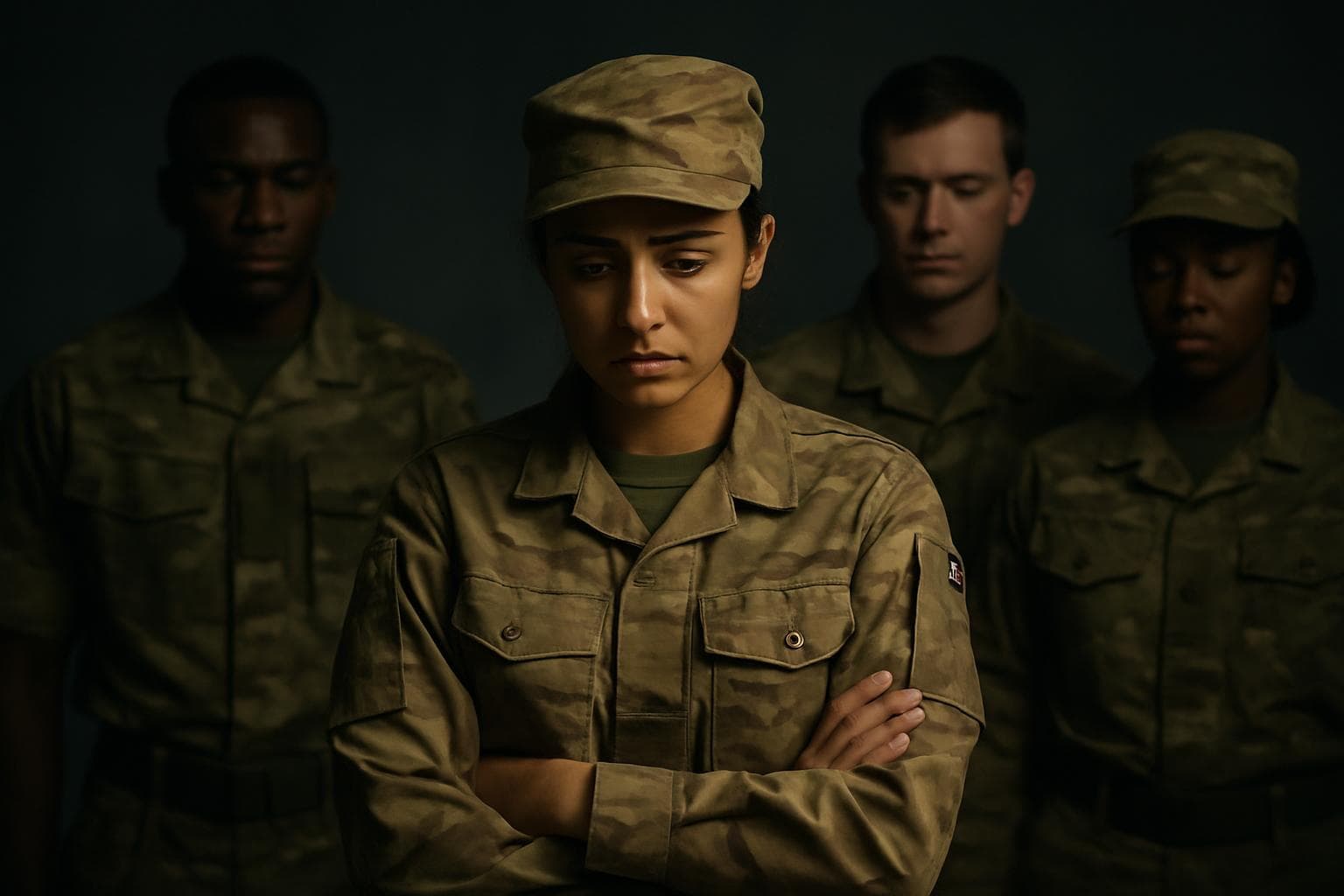
A recent survey commissioned by the UK's Ministry of Defence (MoD) has unveiled alarming levels of sexual harassment within the armed forces, with two-thirds of female personnel reporting experiences of sexualised behaviour over the past year. This comprehensive survey, which included responses from over 90,000 military personnel, sheds light on the pervasive nature of harassment faced by women in the military, who constitute approximately 12% of the force.
Pervasive Harassment and Gender Disparities
The survey results indicate that women in the armed forces are twice as likely as their male counterparts to experience inappropriate behaviours, ranging from leering and groping to unwanted sexual advances. Notably, 67% of female full-time personnel reported encountering some form of sexualised behaviour, compared to 34% of men. Among the women surveyed, 93% believed these behaviours amounted to sexual harassment, with 42% stating they had been stared or leered at, and a third reporting uncomfortable physical contact.
MoD's Response and Prevention Efforts
In response to these findings, the MoD has described the situation as "wholly unacceptable" and has initiated a prevention programme aimed at addressing these issues. Specialist teams are being deployed to key military locations, including the army training garrison in Catterick and the Plymouth naval base, to tackle unacceptable sexual behaviours. Similar interventions are planned for other bases, such as the Akrotiri base in Cyprus, starting next year.
Minister for Veterans and People, Louise Sandher-Jones, emphasized the need for transparency and accountability, stating that the survey serves as a "no holds barred baseline" to confront the root causes of these issues. The MoD is also focusing on educating recruits about consent, misogyny, and harmful online influences as part of its broader strategy to combat military misconduct.
Underreporting and Systemic Challenges
Despite the high prevalence of harassment, the survey revealed that only a minority of affected women reported the incidents. Just 12% of those who experienced harassment made formal complaints, while 10% approached the police. Emma Norton, director of the Centre for Military Justice, noted that the findings reflect the experiences of many female clients, who face disproportionate levels of harassment yet seldom report it.
The survey's release follows a series of scandals involving sexual misconduct across various branches of the military, including the Royal Navy's submarine service and the RAF's Red Arrows display team. These incidents underscore the systemic challenges of addressing gender discrimination and misconduct within the armed forces.
WHAT THIS MIGHT MEAN
The MoD's survey and subsequent prevention efforts mark a significant step towards addressing sexual harassment in the UK military. However, the effectiveness of these measures will depend on their implementation and the willingness of military leadership to enforce new standards of conduct. The deployment of specialist teams and educational initiatives may help foster a safer environment, but cultural change within the armed forces will likely require sustained effort and accountability.
Legal and political implications could arise if the MoD fails to adequately address these issues, potentially leading to increased scrutiny from lawmakers and advocacy groups. The military's ability to retain and recruit female personnel may also be impacted if systemic issues of misconduct are not resolved. As the situation evolves, continued monitoring and evaluation will be crucial to ensure meaningful progress in combating military harassment and gender discrimination.
Related Articles
UK Reinforces Military Presence in Cyprus Amid Middle East Tensions
UK Military Sexual Abuse Investigation Expands Amidst Rising Reports
Fake Navy Admiral Fined for Impersonation at Remembrance Event
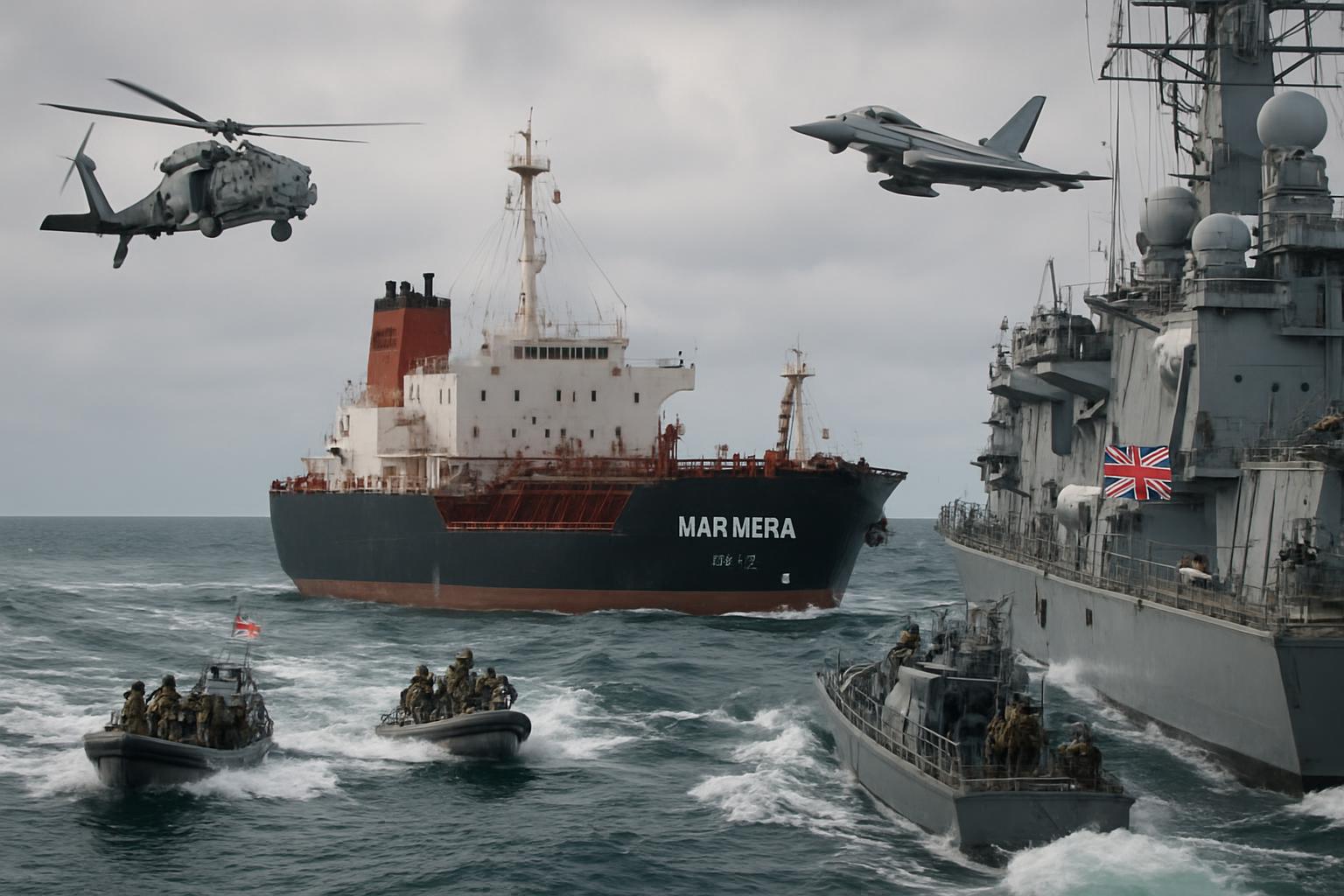
US and UK Forces Collaborate to Seize Sanction-Busting Russian Tanker

UK-Iran Tensions: Starmer Defends Cautious Approach Amid Trump Criticism

Prince Andrew's Ties to Epstein Under Scrutiny Amid Calls for Inquiry
UK Military Faces Scrutiny Over Widespread Sexual Harassment Allegations
In This Article
 Aya Nakamura| Published
 HIGHLIGHTS
- A Ministry of Defence survey revealed that 67% of women in the UK military experienced sexualised behaviour in the past year.
- Women in the armed forces were twice as likely as men to encounter such behaviours, including harassment and groping.
- The MoD has launched a prevention programme to tackle these issues, deploying specialist teams to military bases.
- Only a minority of affected women reported the incidents, with 12% making formal complaints and 10% going to the police.
- The findings follow a series of scandals in the military, highlighting systemic issues of misconduct and gender discrimination.
A recent survey commissioned by the UK's Ministry of Defence (MoD) has unveiled alarming levels of sexual harassment within the armed forces, with two-thirds of female personnel reporting experiences of sexualised behaviour over the past year. This comprehensive survey, which included responses from over 90,000 military personnel, sheds light on the pervasive nature of harassment faced by women in the military, who constitute approximately 12% of the force.
Pervasive Harassment and Gender Disparities
The survey results indicate that women in the armed forces are twice as likely as their male counterparts to experience inappropriate behaviours, ranging from leering and groping to unwanted sexual advances. Notably, 67% of female full-time personnel reported encountering some form of sexualised behaviour, compared to 34% of men. Among the women surveyed, 93% believed these behaviours amounted to sexual harassment, with 42% stating they had been stared or leered at, and a third reporting uncomfortable physical contact.
MoD's Response and Prevention Efforts
In response to these findings, the MoD has described the situation as "wholly unacceptable" and has initiated a prevention programme aimed at addressing these issues. Specialist teams are being deployed to key military locations, including the army training garrison in Catterick and the Plymouth naval base, to tackle unacceptable sexual behaviours. Similar interventions are planned for other bases, such as the Akrotiri base in Cyprus, starting next year.
Minister for Veterans and People, Louise Sandher-Jones, emphasized the need for transparency and accountability, stating that the survey serves as a "no holds barred baseline" to confront the root causes of these issues. The MoD is also focusing on educating recruits about consent, misogyny, and harmful online influences as part of its broader strategy to combat military misconduct.
Underreporting and Systemic Challenges
Despite the high prevalence of harassment, the survey revealed that only a minority of affected women reported the incidents. Just 12% of those who experienced harassment made formal complaints, while 10% approached the police. Emma Norton, director of the Centre for Military Justice, noted that the findings reflect the experiences of many female clients, who face disproportionate levels of harassment yet seldom report it.
The survey's release follows a series of scandals involving sexual misconduct across various branches of the military, including the Royal Navy's submarine service and the RAF's Red Arrows display team. These incidents underscore the systemic challenges of addressing gender discrimination and misconduct within the armed forces.
WHAT THIS MIGHT MEAN
The MoD's survey and subsequent prevention efforts mark a significant step towards addressing sexual harassment in the UK military. However, the effectiveness of these measures will depend on their implementation and the willingness of military leadership to enforce new standards of conduct. The deployment of specialist teams and educational initiatives may help foster a safer environment, but cultural change within the armed forces will likely require sustained effort and accountability.
Legal and political implications could arise if the MoD fails to adequately address these issues, potentially leading to increased scrutiny from lawmakers and advocacy groups. The military's ability to retain and recruit female personnel may also be impacted if systemic issues of misconduct are not resolved. As the situation evolves, continued monitoring and evaluation will be crucial to ensure meaningful progress in combating military harassment and gender discrimination.
Related Articles
UK Reinforces Military Presence in Cyprus Amid Middle East Tensions
UK Military Sexual Abuse Investigation Expands Amidst Rising Reports
Fake Navy Admiral Fined for Impersonation at Remembrance Event
US and UK Forces Collaborate to Seize Sanction-Busting Russian Tanker
UK-Iran Tensions: Starmer Defends Cautious Approach Amid Trump Criticism
Prince Andrew's Ties to Epstein Under Scrutiny Amid Calls for Inquiry