
US and UK Forces Collaborate to Seize Sanction-Busting Russian Tanker
In This Article
HIGHLIGHTS
- The US Coast Guard seized the Russian-flagged tanker Marinera, accused of violating sanctions on Iranian oil, with UK military support.
- The operation involved US Air Force planes landing in Scotland and was backed by the UK Ministry of Defence, citing compliance with international law.
- The Marinera, previously known as Bella 1, is part of a "shadow fleet" linked to Venezuela and Russia, evading sanctions.
- The UK Defence Secretary justified the operation as part of efforts to curb illegal activities on the high seas.
- The seizure has sparked criticism from some UK political figures, who question the legality and motives behind the operation.
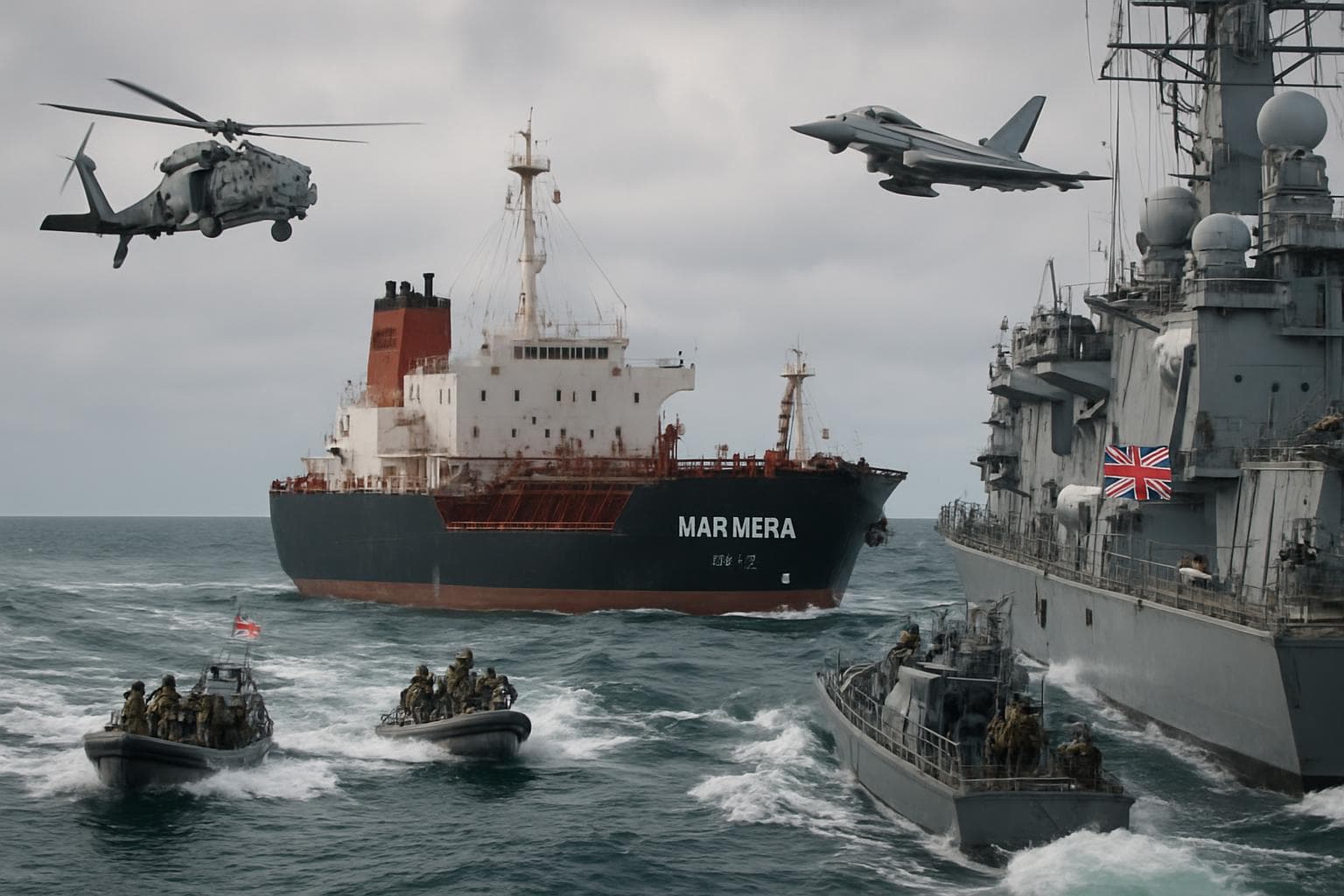
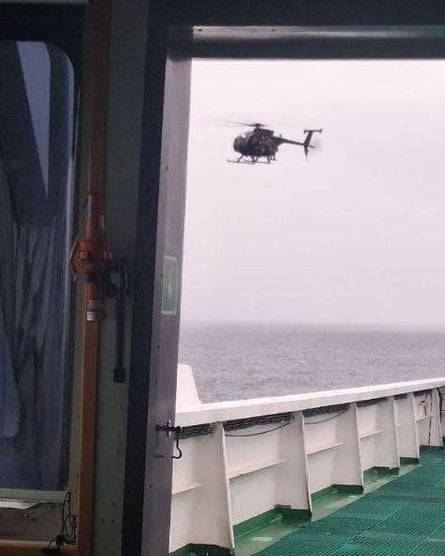
In a coordinated operation, US and UK military forces successfully seized the Russian-flagged oil tanker Marinera in the North Atlantic, accusing it of breaching sanctions on Iranian oil. The vessel, previously known as Bella 1, is alleged to be part of a "shadow fleet" involved in transporting sanctioned oil for Venezuela, Russia, and Iran.
Operation Details and International Support
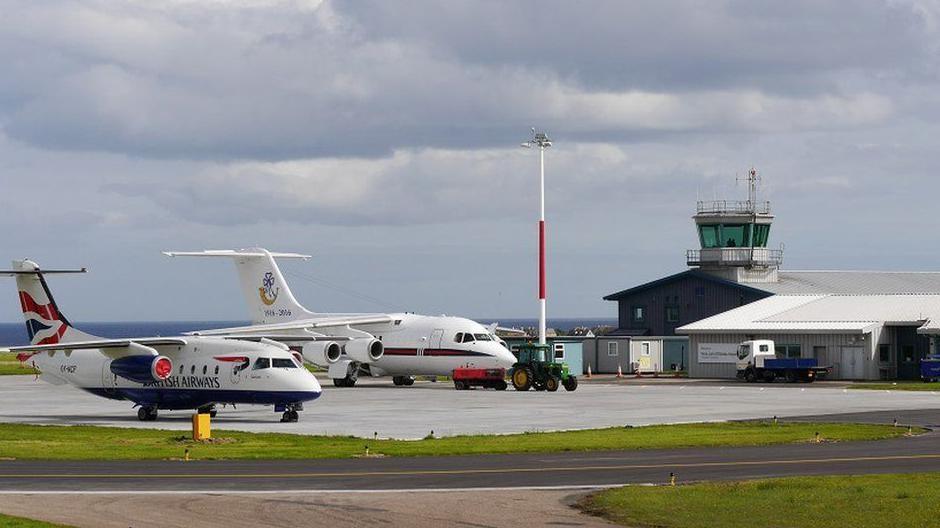
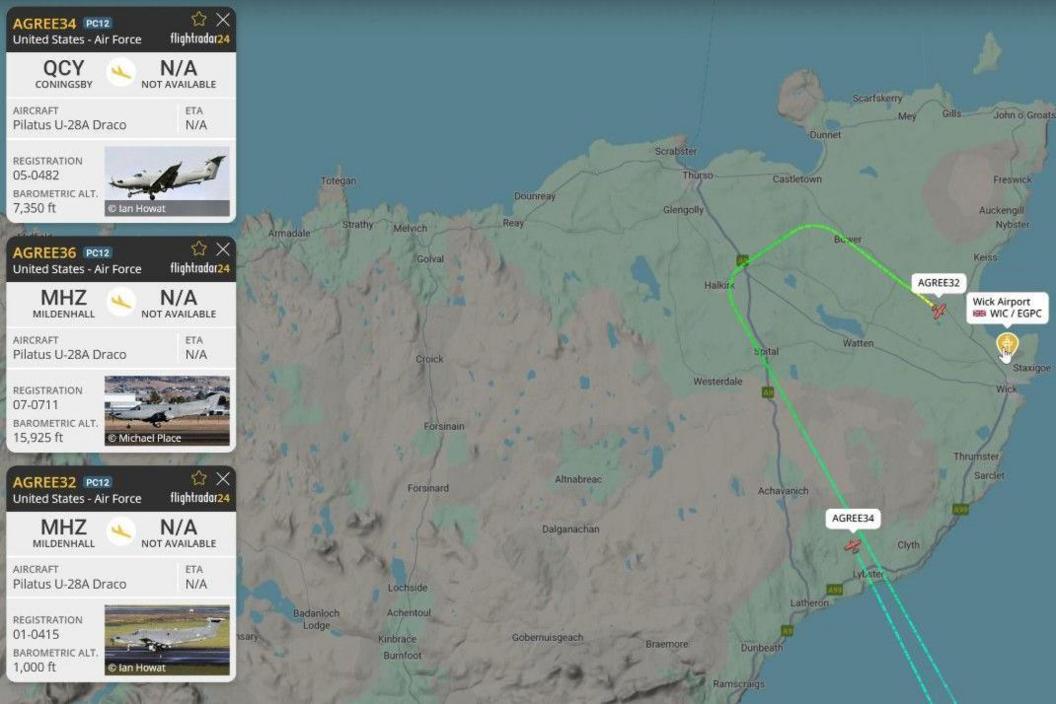
The US Coast Guard led the operation, with support from the UK Ministry of Defence, which provided RAF surveillance aircraft and a Royal Navy support ship, the RFA Tideforce. US Air Force planes, including U-28A Dracos, landed at Wick John O'Groats Airport in Scotland before proceeding north. The UK's Defence Secretary, John Healey, emphasized that the operation was in full compliance with international law, stating, "We will not stand by as malign activity increases on the high seas."
Legal and Political Context
The Marinera, which had changed its name and flag multiple times, was intercepted while en route to Russia. The US court order authorizing the seizure also covered the vessel's crew, who may face prosecution in the US. The operation follows the recent capture of Venezuela's President Nicolás Maduro by US special forces, highlighting ongoing tensions in the region.
Criticism and Controversy
The seizure has drawn criticism from some UK political figures. The Scottish Greens labeled the move as "piracy at sea," while former co-leader Patrick Harvie accused the US of acting like a "rogue state." The Russian transport ministry claimed the tanker had only temporary permission to fly the Russian flag, arguing that no state has the right to use force against vessels registered under another country's jurisdiction.
WHAT THIS MIGHT MEAN
The seizure of the Marinera could escalate tensions between the US, UK, and Russia, particularly if the crew is prosecuted. This operation underscores the growing use of "shadow fleets" to circumvent international sanctions, a trend that may prompt further international cooperation to enforce compliance. Experts suggest that increased scrutiny and potential legal challenges could arise, questioning the balance between enforcing sanctions and respecting international maritime law. As geopolitical dynamics evolve, the implications for global oil markets and diplomatic relations remain uncertain.
Images from the Web
Related Articles
US and Israel Intensify Military Campaign as Iran's Capabilities Dwindle

Intensified US-Israel Strikes on Iran Spark Global Outcry
UK Reinforces Military Presence in Cyprus Amid Middle East Tensions
UK-Iran Tensions: Starmer Defends Cautious Approach Amid Trump Criticism
Canada and Australia Forge Strategic Partnership Amid Global Uncertainty

Middle East Conflict Drives UK Energy Prices to New Highs
US and UK Forces Collaborate to Seize Sanction-Busting Russian Tanker
In This Article
 Ethan Brooks| Published
 HIGHLIGHTS
- The US Coast Guard seized the Russian-flagged tanker Marinera, accused of violating sanctions on Iranian oil, with UK military support.
- The operation involved US Air Force planes landing in Scotland and was backed by the UK Ministry of Defence, citing compliance with international law.
- The Marinera, previously known as Bella 1, is part of a "shadow fleet" linked to Venezuela and Russia, evading sanctions.
- The UK Defence Secretary justified the operation as part of efforts to curb illegal activities on the high seas.
- The seizure has sparked criticism from some UK political figures, who question the legality and motives behind the operation.
In a coordinated operation, US and UK military forces successfully seized the Russian-flagged oil tanker Marinera in the North Atlantic, accusing it of breaching sanctions on Iranian oil. The vessel, previously known as Bella 1, is alleged to be part of a "shadow fleet" involved in transporting sanctioned oil for Venezuela, Russia, and Iran.
Operation Details and International Support
The US Coast Guard led the operation, with support from the UK Ministry of Defence, which provided RAF surveillance aircraft and a Royal Navy support ship, the RFA Tideforce. US Air Force planes, including U-28A Dracos, landed at Wick John O'Groats Airport in Scotland before proceeding north. The UK's Defence Secretary, John Healey, emphasized that the operation was in full compliance with international law, stating, "We will not stand by as malign activity increases on the high seas."
Legal and Political Context
The Marinera, which had changed its name and flag multiple times, was intercepted while en route to Russia. The US court order authorizing the seizure also covered the vessel's crew, who may face prosecution in the US. The operation follows the recent capture of Venezuela's President Nicolás Maduro by US special forces, highlighting ongoing tensions in the region.
Criticism and Controversy
The seizure has drawn criticism from some UK political figures. The Scottish Greens labeled the move as "piracy at sea," while former co-leader Patrick Harvie accused the US of acting like a "rogue state." The Russian transport ministry claimed the tanker had only temporary permission to fly the Russian flag, arguing that no state has the right to use force against vessels registered under another country's jurisdiction.
WHAT THIS MIGHT MEAN
The seizure of the Marinera could escalate tensions between the US, UK, and Russia, particularly if the crew is prosecuted. This operation underscores the growing use of "shadow fleets" to circumvent international sanctions, a trend that may prompt further international cooperation to enforce compliance. Experts suggest that increased scrutiny and potential legal challenges could arise, questioning the balance between enforcing sanctions and respecting international maritime law. As geopolitical dynamics evolve, the implications for global oil markets and diplomatic relations remain uncertain.
Images from the Web
Related Articles
US and Israel Intensify Military Campaign as Iran's Capabilities Dwindle
Intensified US-Israel Strikes on Iran Spark Global Outcry
UK Reinforces Military Presence in Cyprus Amid Middle East Tensions
UK-Iran Tensions: Starmer Defends Cautious Approach Amid Trump Criticism
Canada and Australia Forge Strategic Partnership Amid Global Uncertainty
Middle East Conflict Drives UK Energy Prices to New Highs