
UK and Norway Forge £10bn Warship Deal to Bolster NATO's Northern Defences
In This Article
HIGHLIGHTS
- The UK secured a £10bn deal to supply Norway with at least five Type 26 frigates, marking the UK's largest warship export by value.
- The agreement will support 4,000 UK jobs, particularly at BAE Systems' Glasgow shipyards, and involve 432 businesses across the UK.
- The joint UK-Norwegian fleet of 13 frigates aims to strengthen NATO's northern flank amid increased Russian activity.
- Norway's decision to partner with the UK underscores a strategic defence relationship, despite some criticism from Norwegian naval experts.
- Deliveries of the frigates, designed for anti-submarine warfare, are expected to begin in the coming years.
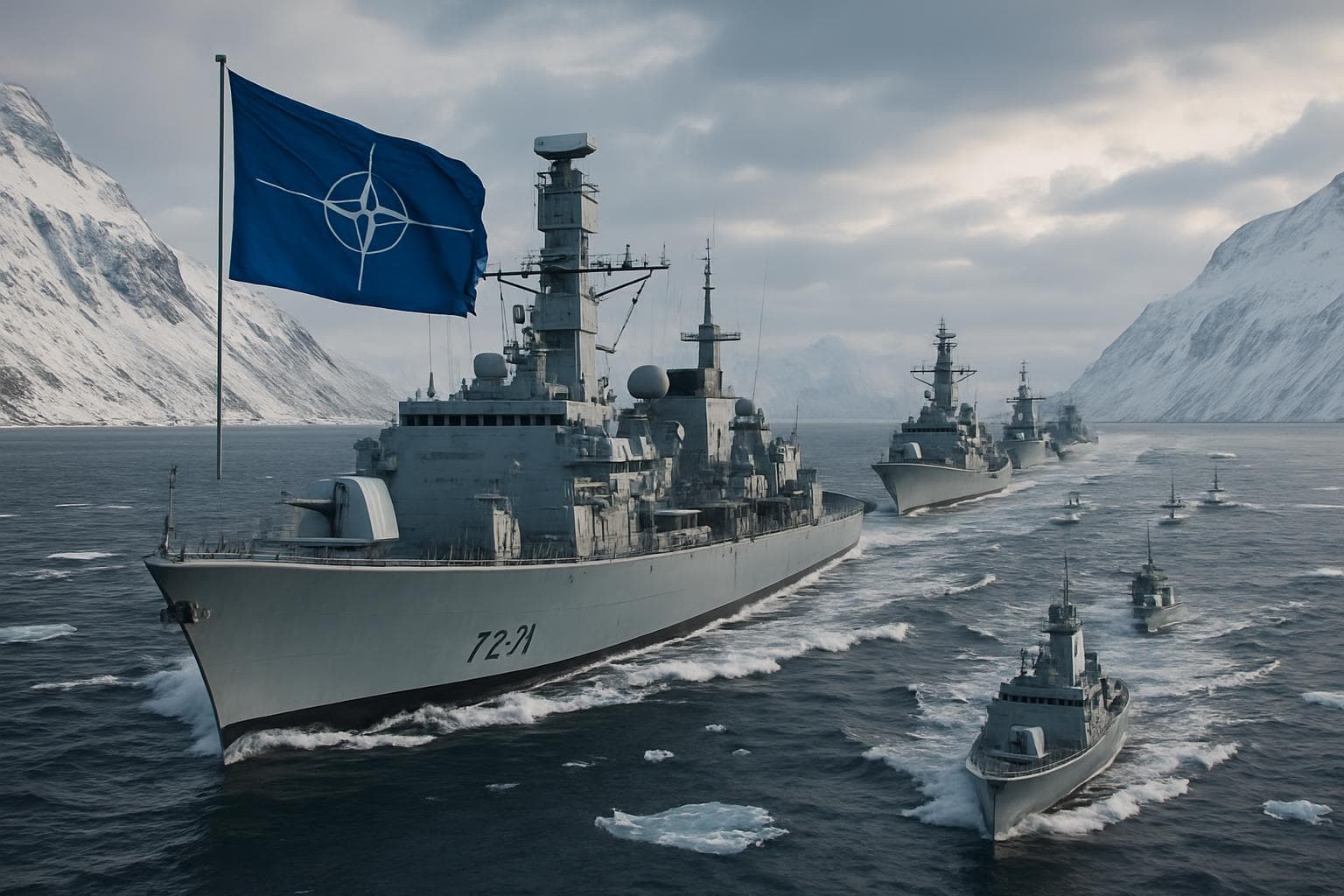
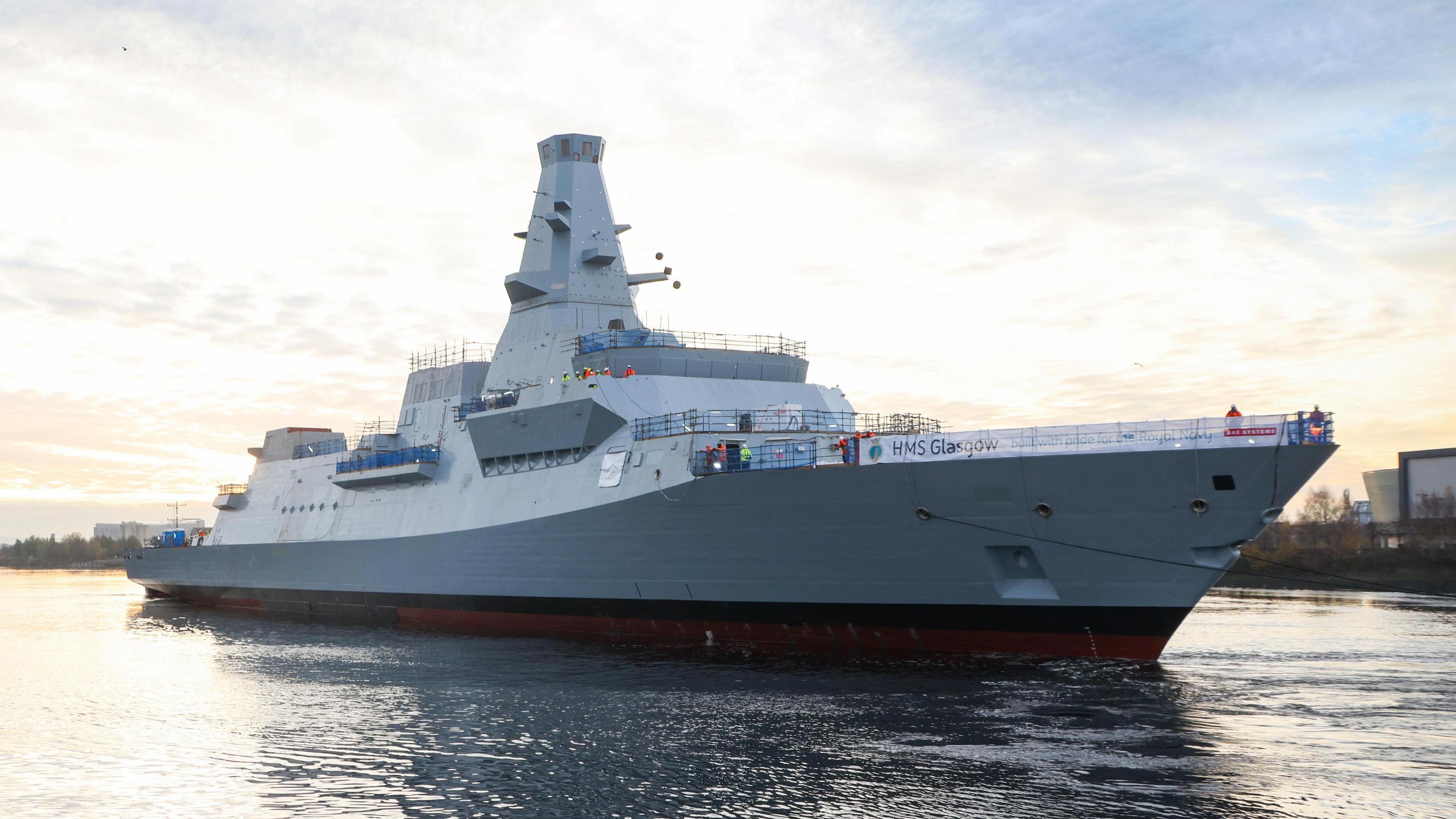
The United Kingdom has clinched a landmark £10bn agreement to supply Norway with at least five Type 26 frigates, in what is being hailed as the UK's most significant warship export deal to date. This strategic partnership aims to enhance NATO's northern defences amid rising geopolitical tensions, particularly with Russia.
Strengthening Defence Ties
The Ministry of Defence (MoD) announced that the deal represents Norway's largest defence procurement to date and will significantly bolster the UK's economy. The construction of these advanced warships will take place at BAE Systems' shipyards in Glasgow, supporting 4,000 jobs well into the 2030s. UK Prime Minister Sir Keir Starmer emphasized the deal's role in driving economic growth and safeguarding national security, noting, "This success is testament to the thousands of people across the country who are not just delivering this next generation capabilities for our Armed Forces but also national security for the UK, our Norwegian partners and NATO for years to come."
A Combined Naval Force
The agreement will see the creation of a joint UK-Norwegian fleet comprising 13 frigates—eight British and at least five Norwegian. This fleet is designed to operate collaboratively in northern Europe, significantly strengthening NATO's northern flank. Defence Secretary John Healey highlighted the strategic importance of this partnership, stating, "With Norway, we will train, operate, deter and—if necessary—fight together."
Economic and Strategic Impact
The deal is expected to benefit over 400 British businesses, including 103 in Scotland, showcasing the prowess of the UK's defence industry. Scottish Secretary Ian Murray remarked on the success of Scotland's shipbuilding sector, while Norway's Prime Minister Jonas Gahr Støre affirmed the UK's role as a strategic partner, citing the shared interests and strong bilateral ties between the two nations.
Criticism and Challenges
Despite the positive reception, some criticism has emerged from Norway, with naval experts questioning the capabilities of the British-built frigates compared to their French and German counterparts. Tor Ivar Strømmen, a naval captain at the Norwegian Naval Academy, expressed concerns over the frigates' air defence capabilities, describing them as "old-fashioned and quite limited."
WHAT THIS MIGHT MEAN
The UK-Norway warship deal marks a significant step in strengthening NATO's presence in northern Europe, particularly in light of increased Russian activity. As the frigates are delivered and integrated into joint operations, both nations will likely see enhanced maritime security and deterrence capabilities. However, the criticism from Norwegian experts suggests potential challenges in meeting operational expectations, which could influence future procurement decisions. The success of this deal may also set a precedent for further defence collaborations between the UK and other NATO allies, potentially reshaping the landscape of European defence procurement.
Images from the Web
Related Articles

Breakthrough Drug Offers Hope for Children with Severe Epilepsy
Russian LNG Tanker Sinks in Mediterranean Amid Accusations of Ukrainian Drone Attack
UK Reinforces Military Presence in Cyprus Amid Middle East Tensions

UK-Iran Tensions: Starmer Defends Cautious Approach Amid Trump Criticism

Spain's Sánchez Stands Firm Against Trump's Trade Threat Over Iran Stance

Russia-Ukraine Conflict: Four Years of Unyielding Struggle and Human Resilience
UK and Norway Forge £10bn Warship Deal to Bolster NATO's Northern Defences
In This Article
 Daniel Rivera| Published
 HIGHLIGHTS
- The UK secured a £10bn deal to supply Norway with at least five Type 26 frigates, marking the UK's largest warship export by value.
- The agreement will support 4,000 UK jobs, particularly at BAE Systems' Glasgow shipyards, and involve 432 businesses across the UK.
- The joint UK-Norwegian fleet of 13 frigates aims to strengthen NATO's northern flank amid increased Russian activity.
- Norway's decision to partner with the UK underscores a strategic defence relationship, despite some criticism from Norwegian naval experts.
- Deliveries of the frigates, designed for anti-submarine warfare, are expected to begin in the coming years.
The United Kingdom has clinched a landmark £10bn agreement to supply Norway with at least five Type 26 frigates, in what is being hailed as the UK's most significant warship export deal to date. This strategic partnership aims to enhance NATO's northern defences amid rising geopolitical tensions, particularly with Russia.
Strengthening Defence Ties
The Ministry of Defence (MoD) announced that the deal represents Norway's largest defence procurement to date and will significantly bolster the UK's economy. The construction of these advanced warships will take place at BAE Systems' shipyards in Glasgow, supporting 4,000 jobs well into the 2030s. UK Prime Minister Sir Keir Starmer emphasized the deal's role in driving economic growth and safeguarding national security, noting, "This success is testament to the thousands of people across the country who are not just delivering this next generation capabilities for our Armed Forces but also national security for the UK, our Norwegian partners and NATO for years to come."
A Combined Naval Force
The agreement will see the creation of a joint UK-Norwegian fleet comprising 13 frigates—eight British and at least five Norwegian. This fleet is designed to operate collaboratively in northern Europe, significantly strengthening NATO's northern flank. Defence Secretary John Healey highlighted the strategic importance of this partnership, stating, "With Norway, we will train, operate, deter and—if necessary—fight together."
Economic and Strategic Impact
The deal is expected to benefit over 400 British businesses, including 103 in Scotland, showcasing the prowess of the UK's defence industry. Scottish Secretary Ian Murray remarked on the success of Scotland's shipbuilding sector, while Norway's Prime Minister Jonas Gahr Støre affirmed the UK's role as a strategic partner, citing the shared interests and strong bilateral ties between the two nations.
Criticism and Challenges
Despite the positive reception, some criticism has emerged from Norway, with naval experts questioning the capabilities of the British-built frigates compared to their French and German counterparts. Tor Ivar Strømmen, a naval captain at the Norwegian Naval Academy, expressed concerns over the frigates' air defence capabilities, describing them as "old-fashioned and quite limited."
WHAT THIS MIGHT MEAN
The UK-Norway warship deal marks a significant step in strengthening NATO's presence in northern Europe, particularly in light of increased Russian activity. As the frigates are delivered and integrated into joint operations, both nations will likely see enhanced maritime security and deterrence capabilities. However, the criticism from Norwegian experts suggests potential challenges in meeting operational expectations, which could influence future procurement decisions. The success of this deal may also set a precedent for further defence collaborations between the UK and other NATO allies, potentially reshaping the landscape of European defence procurement.
Images from the Web
Related Articles
Breakthrough Drug Offers Hope for Children with Severe Epilepsy
Russian LNG Tanker Sinks in Mediterranean Amid Accusations of Ukrainian Drone Attack
UK Reinforces Military Presence in Cyprus Amid Middle East Tensions
UK-Iran Tensions: Starmer Defends Cautious Approach Amid Trump Criticism
Spain's Sánchez Stands Firm Against Trump's Trade Threat Over Iran Stance
Russia-Ukraine Conflict: Four Years of Unyielding Struggle and Human Resilience