
Government Prepares for Possible Nationalisation of Thames Water
In This Article
HIGHLIGHTS
- The UK government is preparing for the potential nationalisation of Thames Water amid financial instability.
- Thames Water's creditors propose a £5.3bn funding plan, contingent on regulatory leniency from Ofwat.
- The company faces significant debts and environmental fines, with potential penalties exceeding £1bn.
- US private equity firm KKR withdrew from a £4bn rescue deal, citing regulatory risks.
- Thames Water serves a quarter of the UK population, highlighting the critical nature of its financial health.
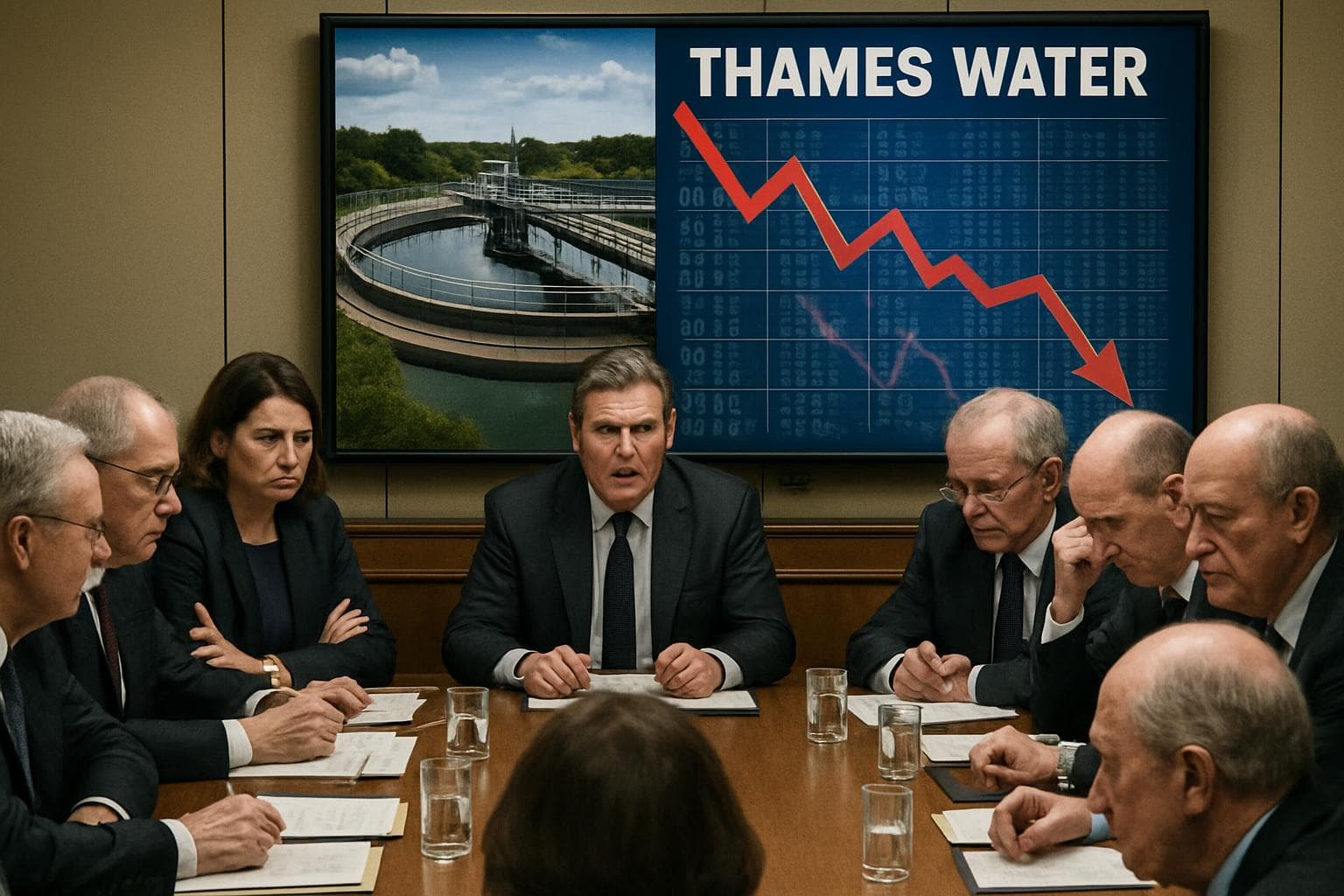
The UK government is intensifying preparations for the potential temporary nationalisation of Thames Water, as the company grapples with financial instability and mounting regulatory challenges. Environment Secretary Steve Reed addressed Parliament on Thursday, affirming the government's readiness to intervene if necessary, while emphasizing the importance of Thames Water meeting its statutory and regulatory obligations.
Financial Struggles and Regulatory Challenges
Thames Water, which serves approximately a quarter of the UK's population, is under significant financial pressure. The company is burdened with substantial debts and faces hefty fines for environmental violations. In May, Ofwat imposed a record £123m fine on the company, with future penalties potentially exceeding £1bn if current regulations are enforced. The company's creditors, including major institutional investors and hedge funds, have proposed a £5.3bn funding plan to stabilize the utility. However, they have requested leniency from Ofwat and the Environment Agency, arguing that regulatory easements are crucial for the company's turnaround.
Impact of KKR's Withdrawal
The situation took a turn when US private equity firm KKR withdrew from a £4bn rescue deal, citing the political and regulatory risks associated with Thames Water. This development has heightened concerns about the company's ability to secure the necessary investment to modernize its infrastructure and address environmental issues. Despite these challenges, Thames Water spokesperson Leonie Dubois stated that the company is focused on maintaining its services and achieving a firmer financial footing.
Government's Stance and Future Prospects
While the government remains prepared for all eventualities, including the implementation of a special administration regime, Reed reiterated that Thames Water must adhere to its obligations. The creditors have expressed their commitment to working with the government and regulators to develop a pragmatic plan that ensures the company's return to compliance and secures billions in fresh investment. Regardless of ownership changes, Thames Water's services are expected to continue uninterrupted.
WHAT THIS MIGHT MEAN
The potential nationalisation of Thames Water underscores the broader challenges facing the UK's water industry, particularly regarding regulatory compliance and infrastructure investment. If the government proceeds with nationalisation, it could set a precedent for increased state intervention in critical utilities. Conversely, if a market-led solution is achieved, it may signal a shift towards more collaborative approaches between regulators and private investors. The outcome will likely influence future regulatory policies and investment strategies within the sector, with significant implications for environmental standards and consumer protection.
Related Articles

Middle East Conflict Drives UK Energy Prices to New Highs

Government Announces £4 Billion Overhaul of SEND Support in England

UK Government Announces Major Overhaul of SEND System with £3.4 Billion Investment

Prince Andrew's Ties to Epstein Under Scrutiny Amid Calls for Inquiry

Government Criticized for Mishandling Maccabi Tel Aviv Fan Ban

Government Unveils Ambitious Plan to Halve Attainment Gap in England's Schools
Government Prepares for Possible Nationalisation of Thames Water
In This Article
 Daniel Rivera| Published
 HIGHLIGHTS
- The UK government is preparing for the potential nationalisation of Thames Water amid financial instability.
- Thames Water's creditors propose a £5.3bn funding plan, contingent on regulatory leniency from Ofwat.
- The company faces significant debts and environmental fines, with potential penalties exceeding £1bn.
- US private equity firm KKR withdrew from a £4bn rescue deal, citing regulatory risks.
- Thames Water serves a quarter of the UK population, highlighting the critical nature of its financial health.
The UK government is intensifying preparations for the potential temporary nationalisation of Thames Water, as the company grapples with financial instability and mounting regulatory challenges. Environment Secretary Steve Reed addressed Parliament on Thursday, affirming the government's readiness to intervene if necessary, while emphasizing the importance of Thames Water meeting its statutory and regulatory obligations.
Financial Struggles and Regulatory Challenges
Thames Water, which serves approximately a quarter of the UK's population, is under significant financial pressure. The company is burdened with substantial debts and faces hefty fines for environmental violations. In May, Ofwat imposed a record £123m fine on the company, with future penalties potentially exceeding £1bn if current regulations are enforced. The company's creditors, including major institutional investors and hedge funds, have proposed a £5.3bn funding plan to stabilize the utility. However, they have requested leniency from Ofwat and the Environment Agency, arguing that regulatory easements are crucial for the company's turnaround.
Impact of KKR's Withdrawal
The situation took a turn when US private equity firm KKR withdrew from a £4bn rescue deal, citing the political and regulatory risks associated with Thames Water. This development has heightened concerns about the company's ability to secure the necessary investment to modernize its infrastructure and address environmental issues. Despite these challenges, Thames Water spokesperson Leonie Dubois stated that the company is focused on maintaining its services and achieving a firmer financial footing.
Government's Stance and Future Prospects
While the government remains prepared for all eventualities, including the implementation of a special administration regime, Reed reiterated that Thames Water must adhere to its obligations. The creditors have expressed their commitment to working with the government and regulators to develop a pragmatic plan that ensures the company's return to compliance and secures billions in fresh investment. Regardless of ownership changes, Thames Water's services are expected to continue uninterrupted.
WHAT THIS MIGHT MEAN
The potential nationalisation of Thames Water underscores the broader challenges facing the UK's water industry, particularly regarding regulatory compliance and infrastructure investment. If the government proceeds with nationalisation, it could set a precedent for increased state intervention in critical utilities. Conversely, if a market-led solution is achieved, it may signal a shift towards more collaborative approaches between regulators and private investors. The outcome will likely influence future regulatory policies and investment strategies within the sector, with significant implications for environmental standards and consumer protection.
Related Articles
Middle East Conflict Drives UK Energy Prices to New Highs
Government Announces £4 Billion Overhaul of SEND Support in England
UK Government Announces Major Overhaul of SEND System with £3.4 Billion Investment
Prince Andrew's Ties to Epstein Under Scrutiny Amid Calls for Inquiry
Government Criticized for Mishandling Maccabi Tel Aviv Fan Ban
Government Unveils Ambitious Plan to Halve Attainment Gap in England's Schools