
UK Government Proposes 20-Year Wait for Asylum Seekers to Settle Permanently
In This Article
HIGHLIGHTS
- UK asylum seekers may face a 20-year wait for permanent residency under new reforms by Home Secretary Shabana Mahmood.
- The reforms, inspired by Denmark's asylum model, aim to reduce small boat crossings and asylum claims.
- Asylum seekers' support will become discretionary, potentially denying aid to those who can work or have assets.
- The initial refugee status period will be cut from five years to two-and-a-half years, with regular reviews.
- Critics argue the changes are harsh and may not deter those fleeing persecution or conflict.
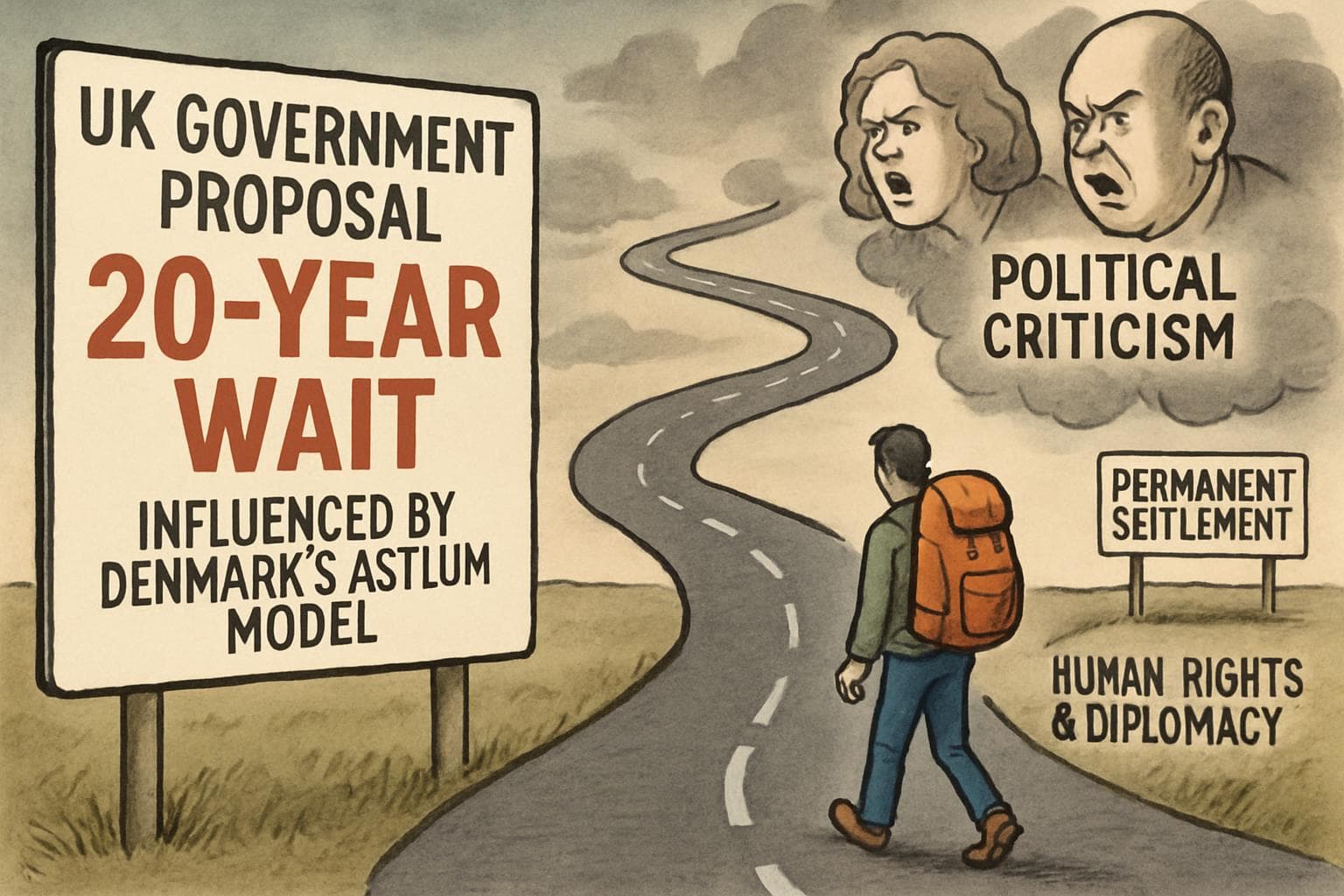
In a significant overhaul of the UK's asylum policy, Home Secretary Shabana Mahmood is set to announce reforms that could extend the wait for permanent residency for asylum seekers to 20 years. The changes, expected to be unveiled on Monday, are part of a broader strategy to curb illegal migration and reduce the number of small boat crossings.
Denmark's Influence on UK Asylum Reforms
The proposed reforms draw heavily from Denmark's stringent asylum policies, which have been credited with reducing successful asylum claims to a 40-year low. In Denmark, refugees are granted temporary residence permits, typically lasting two years, and must reapply for asylum upon expiration. Mahmood, impressed by this model, dispatched senior Home Office officials to Copenhagen to explore its applicability to the UK.
Changes to Refugee Status and Support
Under the new UK policy, the initial period of refugee status will be reduced from five years to two-and-a-half years, with regular reviews to assess the safety of the asylum seekers' home countries. Additionally, the government plans to make support for asylum seekers discretionary, potentially denying assistance to those who can work or possess assets. This move aims to alleviate the pressure on communities and restore control over the asylum system.
Criticism and Political Implications
The reforms have sparked criticism from various quarters. Enver Solomon, CEO of the Refugee Council, described the plans as "harsh and unnecessary," arguing they won't deter individuals fleeing persecution or conflict. Liberal Democrat spokesperson Max Wilkinson emphasized the need for quicker processing of asylum claims rather than prolonged waiting periods. The changes are seen as a strategic pitch to Labour voters considering a shift to Reform UK, though they face opposition from some Labour MPs concerned about losing support to other parties.
WHAT THIS MIGHT MEAN
The proposed asylum reforms could have significant legal and political implications. If implemented, the 20-year wait for permanent residency may face legal challenges on human rights grounds, potentially leading to court battles. Politically, the reforms could influence voter sentiment, particularly among those concerned about immigration. Experts suggest that while the changes may reduce the number of asylum claims, they could also strain diplomatic relations with countries of origin if forced returns increase. As the debate unfolds, the government will need to balance public opinion with international obligations and humanitarian considerations.
Related Articles
UK Government to Reform Asylum Seeker Support and Employment Policies

UK Faces Dilemmas Amid Iran Conflict and China Spying Allegations

Labour MP's Husband Arrested in UK-China Espionage Probe

Government Criticized for Mishandling Maccabi Tel Aviv Fan Ban

UK Government Considers Removing Andrew Mountbatten-Windsor from Royal Succession Amid Arrest

Andrew Mountbatten-Windsor Arrested Amid Misconduct Allegations
UK Government Proposes 20-Year Wait for Asylum Seekers to Settle Permanently
In This Article
 Ethan Brooks| Published
 HIGHLIGHTS
- UK asylum seekers may face a 20-year wait for permanent residency under new reforms by Home Secretary Shabana Mahmood.
- The reforms, inspired by Denmark's asylum model, aim to reduce small boat crossings and asylum claims.
- Asylum seekers' support will become discretionary, potentially denying aid to those who can work or have assets.
- The initial refugee status period will be cut from five years to two-and-a-half years, with regular reviews.
- Critics argue the changes are harsh and may not deter those fleeing persecution or conflict.
In a significant overhaul of the UK's asylum policy, Home Secretary Shabana Mahmood is set to announce reforms that could extend the wait for permanent residency for asylum seekers to 20 years. The changes, expected to be unveiled on Monday, are part of a broader strategy to curb illegal migration and reduce the number of small boat crossings.
Denmark's Influence on UK Asylum Reforms
The proposed reforms draw heavily from Denmark's stringent asylum policies, which have been credited with reducing successful asylum claims to a 40-year low. In Denmark, refugees are granted temporary residence permits, typically lasting two years, and must reapply for asylum upon expiration. Mahmood, impressed by this model, dispatched senior Home Office officials to Copenhagen to explore its applicability to the UK.
Changes to Refugee Status and Support
Under the new UK policy, the initial period of refugee status will be reduced from five years to two-and-a-half years, with regular reviews to assess the safety of the asylum seekers' home countries. Additionally, the government plans to make support for asylum seekers discretionary, potentially denying assistance to those who can work or possess assets. This move aims to alleviate the pressure on communities and restore control over the asylum system.
Criticism and Political Implications
The reforms have sparked criticism from various quarters. Enver Solomon, CEO of the Refugee Council, described the plans as "harsh and unnecessary," arguing they won't deter individuals fleeing persecution or conflict. Liberal Democrat spokesperson Max Wilkinson emphasized the need for quicker processing of asylum claims rather than prolonged waiting periods. The changes are seen as a strategic pitch to Labour voters considering a shift to Reform UK, though they face opposition from some Labour MPs concerned about losing support to other parties.
WHAT THIS MIGHT MEAN
The proposed asylum reforms could have significant legal and political implications. If implemented, the 20-year wait for permanent residency may face legal challenges on human rights grounds, potentially leading to court battles. Politically, the reforms could influence voter sentiment, particularly among those concerned about immigration. Experts suggest that while the changes may reduce the number of asylum claims, they could also strain diplomatic relations with countries of origin if forced returns increase. As the debate unfolds, the government will need to balance public opinion with international obligations and humanitarian considerations.
Related Articles
UK Government to Reform Asylum Seeker Support and Employment Policies
UK Faces Dilemmas Amid Iran Conflict and China Spying Allegations
Labour MP's Husband Arrested in UK-China Espionage Probe
Government Criticized for Mishandling Maccabi Tel Aviv Fan Ban
UK Government Considers Removing Andrew Mountbatten-Windsor from Royal Succession Amid Arrest
Andrew Mountbatten-Windsor Arrested Amid Misconduct Allegations