
UK Protests Lead to Over 70 Arrests Following Palestine Action Ban
In This Article
HIGHLIGHTS
- Over 70 arrests were made across the UK during protests against the proscription of Palestine Action as a terrorist group.
- The protests, organized by Defend Our Juries, took place in London, Cardiff, and Manchester, with demonstrators accused of supporting a proscribed organization.
- The UK government banned Palestine Action under the Terrorism Act 2000, citing its history of criminal damage and threats to national security.
- The proscription followed an incident where activists defaced military aircraft at RAF Brize Norton, leading to a security review.
- Critics, including UN experts and civil liberties groups, argue the ban conflates protest with terrorism and sets a dangerous precedent.
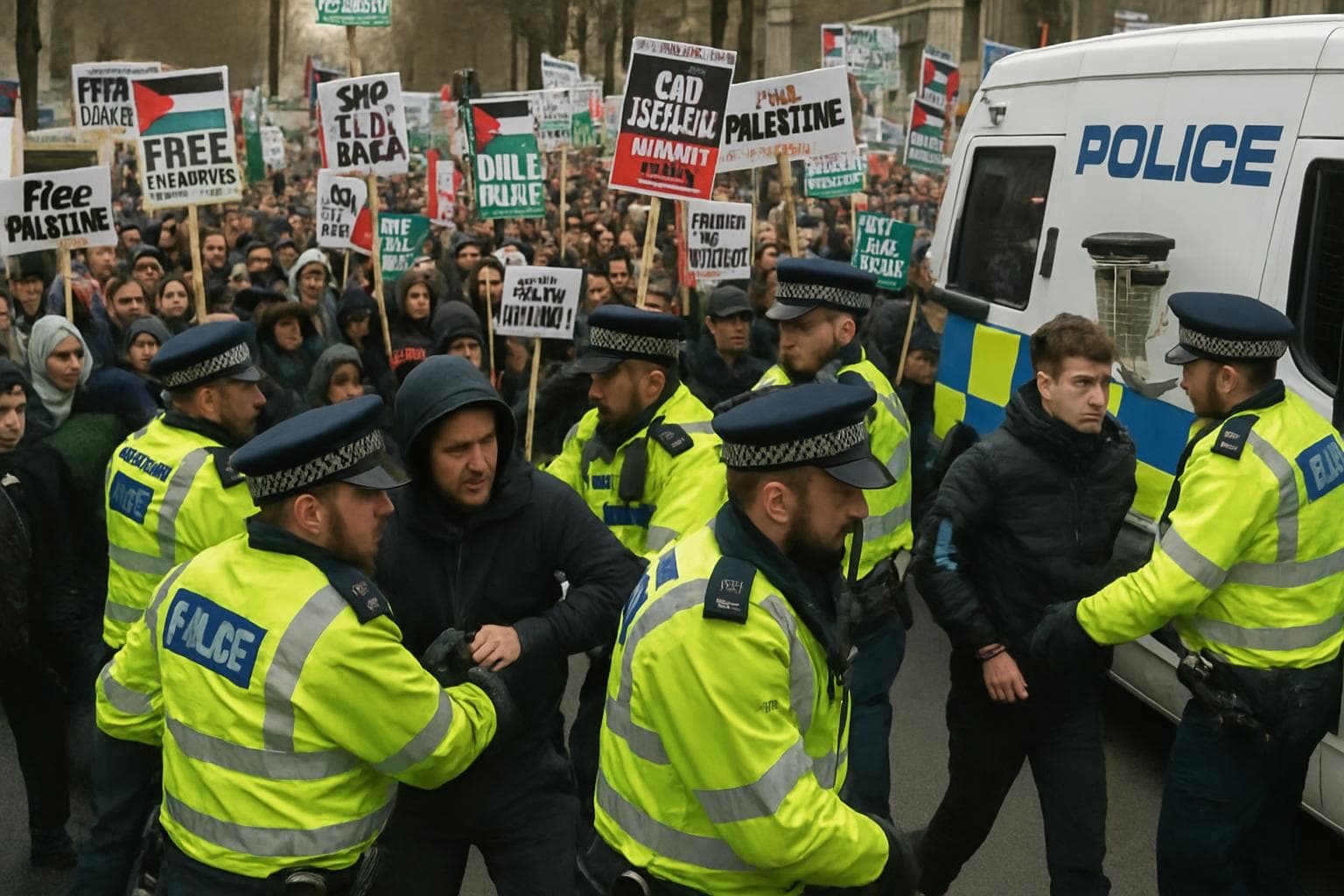
In a significant crackdown on protests across the UK, more than 70 individuals have been arrested for allegedly supporting Palestine Action, a group recently banned as a terrorist organization. The arrests occurred during demonstrations in London, Cardiff, and Manchester, organized by the campaign group Defend Our Juries. The protests were a response to the UK government's decision to proscribe Palestine Action under the Terrorism Act 2000, making any support for the group a criminal offense.
Protests and Arrests
The Metropolitan Police made 41 arrests in London, where demonstrators gathered in Parliament Square, holding signs that read, "I oppose genocide, I support Palestine Action." The protests, which took place for the second consecutive weekend, saw police officers searching bags and confiscating signs. In Cardiff, 13 people were arrested outside the BBC Cymru Wales headquarters, while Greater Manchester Police detained 16 individuals in St Peter's Square. The protests were marked by a heavy police presence, with officers forming cordons and leading demonstrators away in police vans.
Legal Context and Government Stance
The proscription of Palestine Action follows a series of actions by the group targeting arms companies, including a high-profile incident in June where activists defaced two Voyager aircraft at RAF Brize Norton. Home Secretary Yvette Cooper justified the ban by highlighting the group's "long history" of criminal damage and its increasing activity since 2024. She emphasized the importance of protecting the UK's national security and defense enterprise.
Criticism and Concerns
The decision to ban Palestine Action has drawn criticism from various quarters, including UN experts, civil liberties groups, and cultural figures. Critics argue that the move conflates legitimate protest with terrorism, setting a dangerous precedent for future demonstrations. They contend that the ban undermines the right to protest and could stifle dissenting voices.
WHAT THIS MIGHT MEAN
The proscription of Palestine Action and the subsequent arrests have sparked a debate about the balance between national security and civil liberties in the UK. Legal experts warn that the government's actions could lead to increased scrutiny of protest activities and potentially deter public demonstrations. As the situation unfolds, it remains to be seen how the legal challenges to the ban will play out and whether the government will face pressure to reconsider its stance. The outcome of these developments could have significant implications for the future of protest rights in the UK.
Related Articles
Labour MP's Husband Arrested in UK-China Espionage Probe

UK Government to Reform Asylum Seeker Support and Employment Policies

UK Faces Dilemmas Amid Iran Conflict and China Spying Allegations
UK Reinforces Military Presence in Cyprus Amid Middle East Tensions
UK-Iran Tensions: Starmer Defends Cautious Approach Amid Trump Criticism
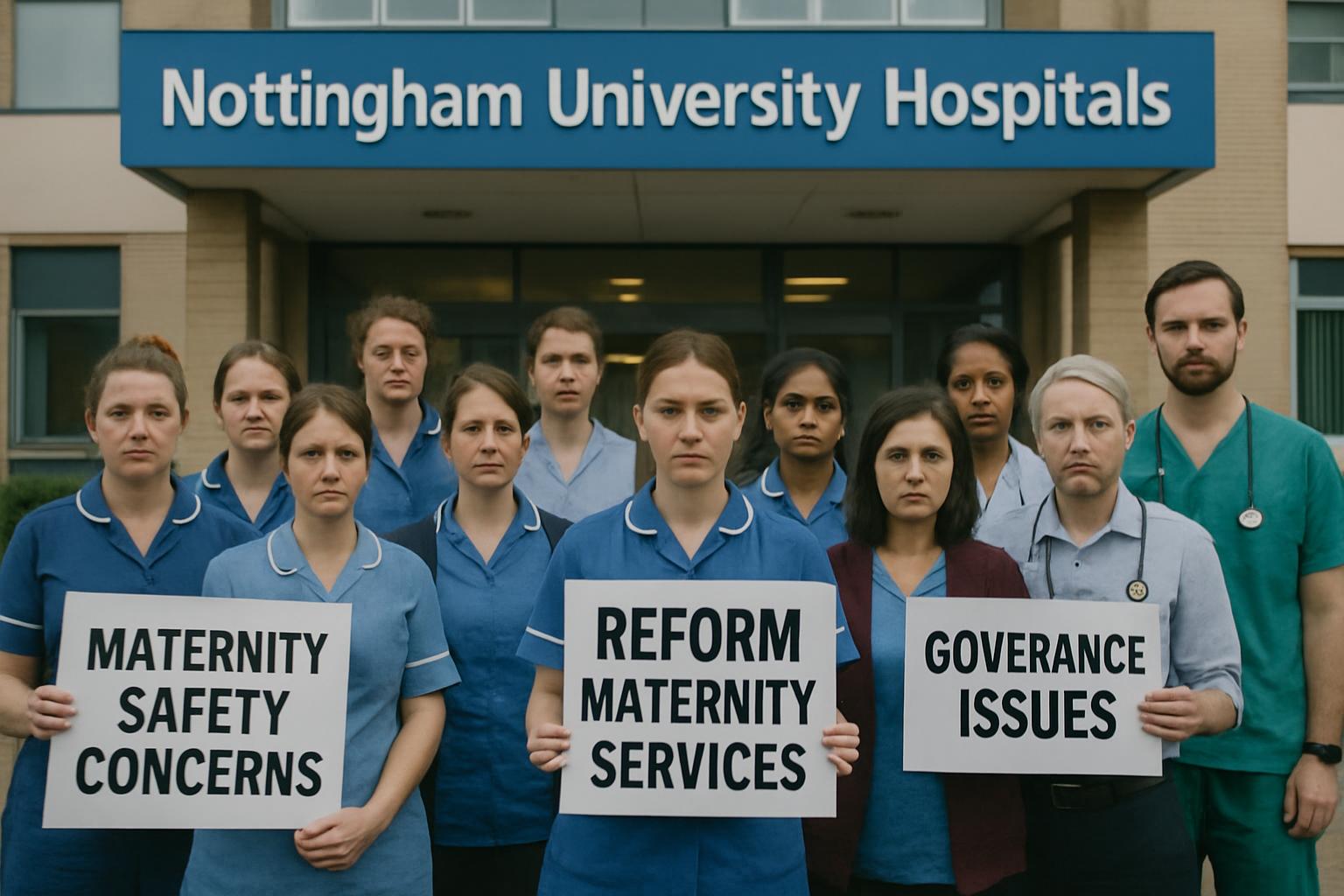
Persistent Safety Concerns in Nottingham Maternity Services Amidst Calls for Systemic Reform
UK Protests Lead to Over 70 Arrests Following Palestine Action Ban
In This Article
 Ethan Brooks| Published
 HIGHLIGHTS
- Over 70 arrests were made across the UK during protests against the proscription of Palestine Action as a terrorist group.
- The protests, organized by Defend Our Juries, took place in London, Cardiff, and Manchester, with demonstrators accused of supporting a proscribed organization.
- The UK government banned Palestine Action under the Terrorism Act 2000, citing its history of criminal damage and threats to national security.
- The proscription followed an incident where activists defaced military aircraft at RAF Brize Norton, leading to a security review.
- Critics, including UN experts and civil liberties groups, argue the ban conflates protest with terrorism and sets a dangerous precedent.
In a significant crackdown on protests across the UK, more than 70 individuals have been arrested for allegedly supporting Palestine Action, a group recently banned as a terrorist organization. The arrests occurred during demonstrations in London, Cardiff, and Manchester, organized by the campaign group Defend Our Juries. The protests were a response to the UK government's decision to proscribe Palestine Action under the Terrorism Act 2000, making any support for the group a criminal offense.
Protests and Arrests
The Metropolitan Police made 41 arrests in London, where demonstrators gathered in Parliament Square, holding signs that read, "I oppose genocide, I support Palestine Action." The protests, which took place for the second consecutive weekend, saw police officers searching bags and confiscating signs. In Cardiff, 13 people were arrested outside the BBC Cymru Wales headquarters, while Greater Manchester Police detained 16 individuals in St Peter's Square. The protests were marked by a heavy police presence, with officers forming cordons and leading demonstrators away in police vans.
Legal Context and Government Stance
The proscription of Palestine Action follows a series of actions by the group targeting arms companies, including a high-profile incident in June where activists defaced two Voyager aircraft at RAF Brize Norton. Home Secretary Yvette Cooper justified the ban by highlighting the group's "long history" of criminal damage and its increasing activity since 2024. She emphasized the importance of protecting the UK's national security and defense enterprise.
Criticism and Concerns
The decision to ban Palestine Action has drawn criticism from various quarters, including UN experts, civil liberties groups, and cultural figures. Critics argue that the move conflates legitimate protest with terrorism, setting a dangerous precedent for future demonstrations. They contend that the ban undermines the right to protest and could stifle dissenting voices.
WHAT THIS MIGHT MEAN
The proscription of Palestine Action and the subsequent arrests have sparked a debate about the balance between national security and civil liberties in the UK. Legal experts warn that the government's actions could lead to increased scrutiny of protest activities and potentially deter public demonstrations. As the situation unfolds, it remains to be seen how the legal challenges to the ban will play out and whether the government will face pressure to reconsider its stance. The outcome of these developments could have significant implications for the future of protest rights in the UK.
Related Articles
Labour MP's Husband Arrested in UK-China Espionage Probe
UK Government to Reform Asylum Seeker Support and Employment Policies
UK Faces Dilemmas Amid Iran Conflict and China Spying Allegations
UK Reinforces Military Presence in Cyprus Amid Middle East Tensions
UK-Iran Tensions: Starmer Defends Cautious Approach Amid Trump Criticism
Persistent Safety Concerns in Nottingham Maternity Services Amidst Calls for Systemic Reform