
UK Government Increases Farmland Inheritance Tax Threshold After Protests
In This Article
HIGHLIGHTS
- The UK government has increased the inheritance tax threshold for farmland from £1m to £2.5m, effective April 2026, following widespread protests.
- The original proposal to impose a 20% tax on inherited agricultural assets above £1m sparked significant backlash from farmers and some Labour MPs.
- Environment Secretary Emma Reynolds stated the change aims to protect ordinary family farms while ensuring larger estates contribute more.
- The revised threshold is expected to exempt 85% of farms from the tax, up from 75%, according to government estimates.
- The policy shift has been welcomed by farming communities, though some argue it does not fully address the financial challenges faced by family farms.
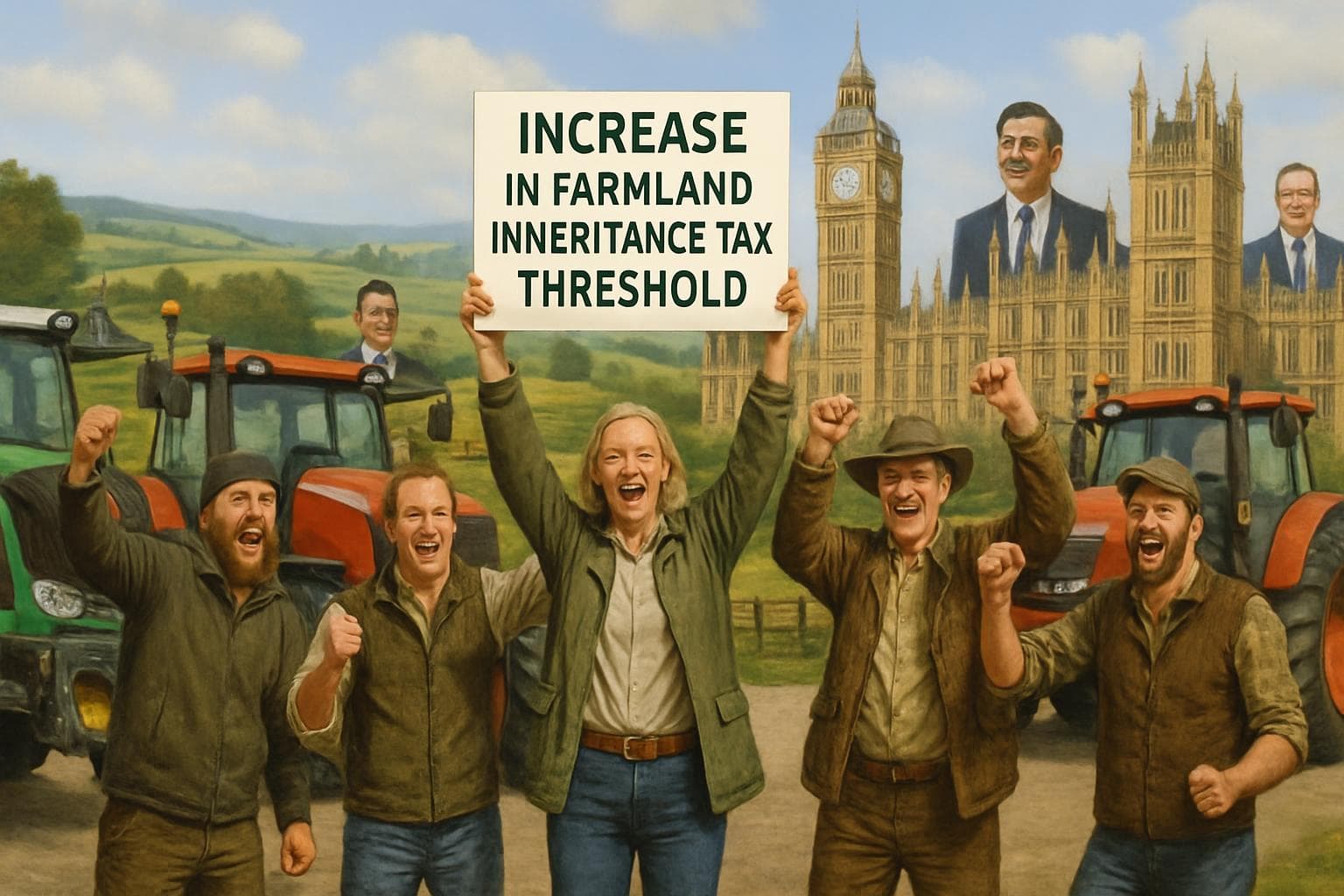
The UK government has announced a significant policy shift by raising the inheritance tax threshold for farmland from £1 million to £2.5 million, a decision that comes after months of protests and lobbying from farmers and rural MPs. The change, set to take effect in April 2026, marks a reversal from the initial plan to impose a 20% tax on inherited agricultural assets above £1 million, a proposal that had sparked widespread concern across the farming community.
Policy Reversal Amidst Backlash
The original tax proposal, introduced in last year's budget, aimed to end the 100% tax relief that had been in place since the 1980s. It was met with fierce opposition from farmers who argued it would jeopardize the future of family farms by making it financially unviable to pass them on to the next generation. Protests erupted across the UK, with tractors lining the streets outside Parliament, and some Labour MPs in rural constituencies expressing their disapproval.
Environment Secretary Emma Reynolds announced the policy change just before the Christmas recess, stating, "We have listened closely to farmers across the country and are making changes today to protect more ordinary family farms." The revised threshold is expected to exempt 85% of farms from the tax, up from the previously estimated 75%.
Mixed Reactions from the Farming Community
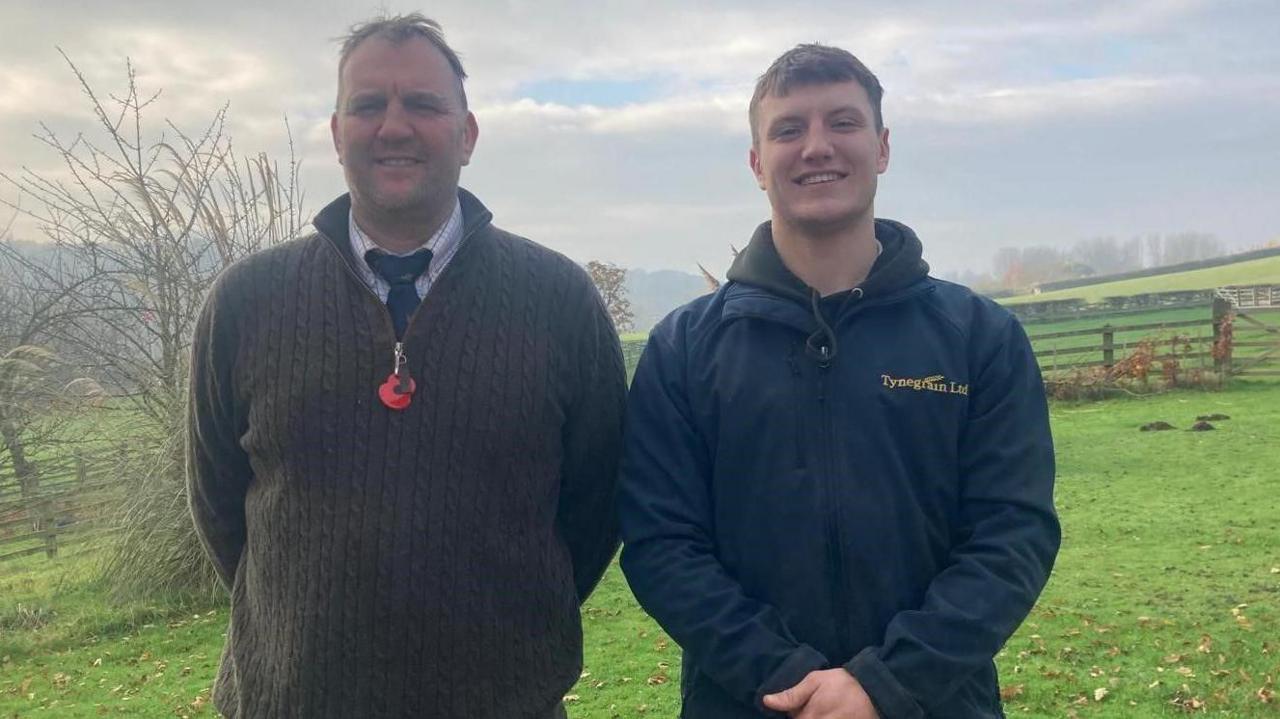
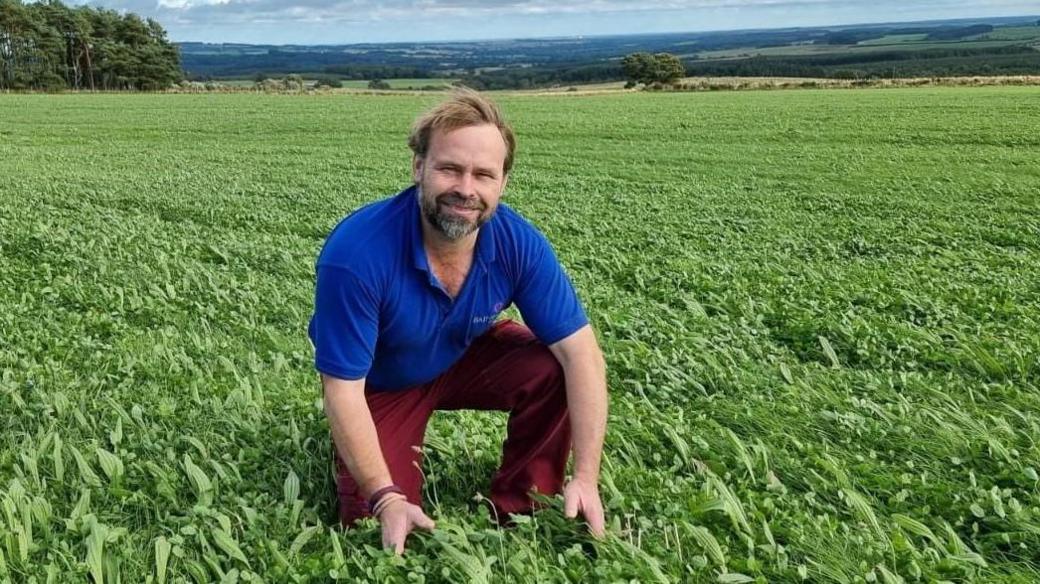
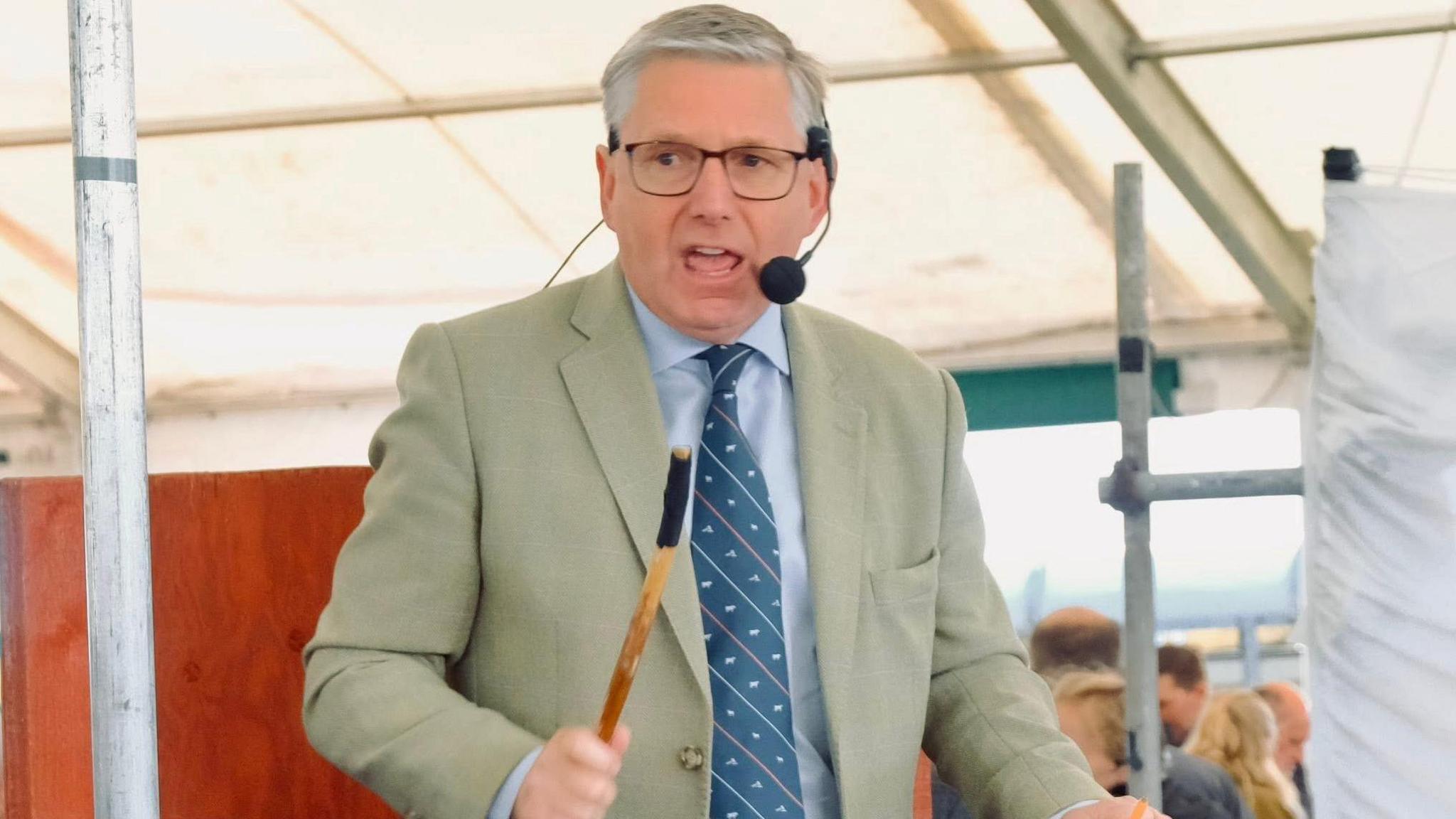
While the policy shift has been largely welcomed as a "step in the right direction," some farmers and industry leaders believe it does not go far enough. Simon Bainbridge, a representative of the Country Land and Business Association, described the change as a "huge relief" for many family farms. However, others, like Dan Willis of Rookery Farms, argue that the potential tax burden remains significant, particularly for larger family farms that still fall above the new threshold.
The emotional toll of the proposed tax changes was underscored by the tragic story of John Charlesworth, a farmer who took his own life due to anxiety over the impending tax. His son, Jonathan Charlesworth, called the government's climbdown "the best Christmas present for a lot of farmers," but emphasized the need for further measures to prevent similar tragedies.
Political Implications and Future Outlook
The government's decision to raise the tax threshold reflects the influence of rural MPs and farming advocates who have been vocal in their opposition to the original plan. Markus Campbell-Savours, a Labour MP who voted against the tax, was suspended from the party, highlighting the political tensions surrounding the issue.
Looking ahead, the policy change is expected to provide some relief to family farms, allowing them to invest in their future and pass on their legacy without the looming threat of a substantial tax burden. However, the debate over how best to balance tax policy with the needs of rural communities is likely to continue, as stakeholders call for further adjustments to ensure the sustainability of the UK's agricultural sector.
WHAT THIS MIGHT MEAN
The government's decision to increase the inheritance tax threshold for farmland is a significant concession to the farming community, but it may not be the final word on the matter. As the April 2026 implementation date approaches, further discussions and potential adjustments could arise, particularly if the financial challenges faced by larger family farms persist. Politically, the move highlights the influence of rural MPs and the importance of addressing regional concerns within broader national policies. The situation underscores the delicate balance the government must strike between generating revenue and supporting vital rural industries, a challenge that will likely shape future policy debates.
Images from the Web
Related Articles
Anas Sarwar Denies Plot Against Starmer Amid Labour Party Turmoil
Keir Starmer Faces Pressure Over Appointments and Calls for Cultural Change

UK Government to Reform Asylum Seeker Support and Employment Policies

UK Faces Dilemmas Amid Iran Conflict and China Spying Allegations

Labour MP's Husband Arrested in UK-China Espionage Probe

UK Government Announces Major Overhaul of SEND System with £3.4 Billion Investment
UK Government Increases Farmland Inheritance Tax Threshold After Protests
In This Article
 Alex Carter| Published
 HIGHLIGHTS
- The UK government has increased the inheritance tax threshold for farmland from £1m to £2.5m, effective April 2026, following widespread protests.
- The original proposal to impose a 20% tax on inherited agricultural assets above £1m sparked significant backlash from farmers and some Labour MPs.
- Environment Secretary Emma Reynolds stated the change aims to protect ordinary family farms while ensuring larger estates contribute more.
- The revised threshold is expected to exempt 85% of farms from the tax, up from 75%, according to government estimates.
- The policy shift has been welcomed by farming communities, though some argue it does not fully address the financial challenges faced by family farms.
The UK government has announced a significant policy shift by raising the inheritance tax threshold for farmland from £1 million to £2.5 million, a decision that comes after months of protests and lobbying from farmers and rural MPs. The change, set to take effect in April 2026, marks a reversal from the initial plan to impose a 20% tax on inherited agricultural assets above £1 million, a proposal that had sparked widespread concern across the farming community.
Policy Reversal Amidst Backlash
The original tax proposal, introduced in last year's budget, aimed to end the 100% tax relief that had been in place since the 1980s. It was met with fierce opposition from farmers who argued it would jeopardize the future of family farms by making it financially unviable to pass them on to the next generation. Protests erupted across the UK, with tractors lining the streets outside Parliament, and some Labour MPs in rural constituencies expressing their disapproval.
Environment Secretary Emma Reynolds announced the policy change just before the Christmas recess, stating, "We have listened closely to farmers across the country and are making changes today to protect more ordinary family farms." The revised threshold is expected to exempt 85% of farms from the tax, up from the previously estimated 75%.
Mixed Reactions from the Farming Community
While the policy shift has been largely welcomed as a "step in the right direction," some farmers and industry leaders believe it does not go far enough. Simon Bainbridge, a representative of the Country Land and Business Association, described the change as a "huge relief" for many family farms. However, others, like Dan Willis of Rookery Farms, argue that the potential tax burden remains significant, particularly for larger family farms that still fall above the new threshold.
The emotional toll of the proposed tax changes was underscored by the tragic story of John Charlesworth, a farmer who took his own life due to anxiety over the impending tax. His son, Jonathan Charlesworth, called the government's climbdown "the best Christmas present for a lot of farmers," but emphasized the need for further measures to prevent similar tragedies.
Political Implications and Future Outlook
The government's decision to raise the tax threshold reflects the influence of rural MPs and farming advocates who have been vocal in their opposition to the original plan. Markus Campbell-Savours, a Labour MP who voted against the tax, was suspended from the party, highlighting the political tensions surrounding the issue.
Looking ahead, the policy change is expected to provide some relief to family farms, allowing them to invest in their future and pass on their legacy without the looming threat of a substantial tax burden. However, the debate over how best to balance tax policy with the needs of rural communities is likely to continue, as stakeholders call for further adjustments to ensure the sustainability of the UK's agricultural sector.
WHAT THIS MIGHT MEAN
The government's decision to increase the inheritance tax threshold for farmland is a significant concession to the farming community, but it may not be the final word on the matter. As the April 2026 implementation date approaches, further discussions and potential adjustments could arise, particularly if the financial challenges faced by larger family farms persist. Politically, the move highlights the influence of rural MPs and the importance of addressing regional concerns within broader national policies. The situation underscores the delicate balance the government must strike between generating revenue and supporting vital rural industries, a challenge that will likely shape future policy debates.
Images from the Web
Related Articles
Anas Sarwar Denies Plot Against Starmer Amid Labour Party Turmoil
Keir Starmer Faces Pressure Over Appointments and Calls for Cultural Change
UK Government to Reform Asylum Seeker Support and Employment Policies
UK Faces Dilemmas Amid Iran Conflict and China Spying Allegations
Labour MP's Husband Arrested in UK-China Espionage Probe
UK Government Announces Major Overhaul of SEND System with £3.4 Billion Investment