
UK Government Reconsiders Pension Compensation for Waspi Women
In This Article
HIGHLIGHTS
- The UK government will reconsider its decision to deny compensation to 3.6 million "Waspi women" affected by changes to the state pension age.
- A previously undisclosed 2007 survey has prompted the government to review its stance, though no compensation guarantee has been made.
- The Parliamentary Ombudsman recommended compensation last year, but the government initially rejected it, citing no direct financial loss.
- Campaigners are pursuing a judicial review, with a High Court hearing scheduled for December, challenging the government's decision.
- Current Pensions Secretary Pat McFadden emphasized that revisiting the decision does not ensure financial redress for those affected.
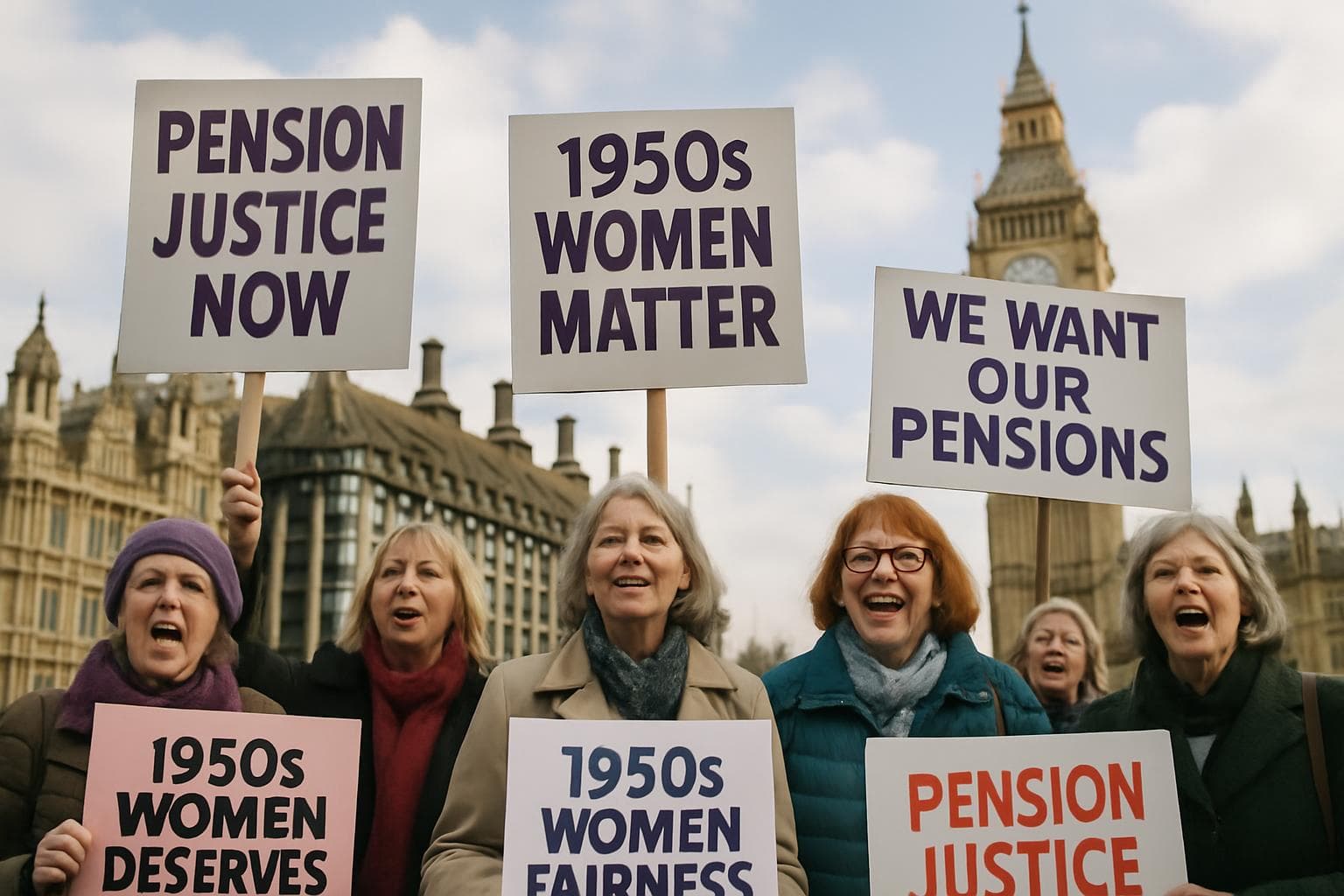
The UK government has announced a review of its previous decision to deny compensation to millions of women affected by changes to the state pension age. This development offers renewed hope to the 3.6 million "Waspi women" born in the 1950s, who claim they were inadequately informed about the pension age adjustments that aligned women's retirement age with men's.
Background and Government Response
The controversy stems from the 1995 Pensions Act, which gradually raised the state pension age for women from 60 to 66, matching that of men. Campaigners argue that the lack of timely communication left many women financially disadvantaged. Last year, the Parliamentary and Health Service Ombudsman recommended compensation ranging from £1,000 to £2,950 per individual. However, the government dismissed this recommendation, citing no evidence of direct financial loss and prioritizing public service improvements over the estimated £10.5 billion payout.
New Evidence and Legal Proceedings
The decision to revisit the compensation denial follows the emergence of a 2007 survey that was not previously considered by Liz Kendall, the Work and Pensions Secretary at the time. Current Pensions Secretary Pat McFadden informed the Commons that while the decision will be re-evaluated, it does not imply a commitment to financial redress. The government has communicated this development to the High Court, where a judicial review initiated by Waspi campaigners is set to commence in December.
Campaigners' Reactions and Future Steps
Angela Madden, chair of the Women Against State Pension Inequality (Waspi) campaign, expressed cautious optimism, urging the government to expedite the process and compensate those affected. Despite the government's reassessment, senior Whitehall sources suggest that the new evidence may not significantly alter the original decision. The Waspi campaign continues to advocate for compensation of at least £10,000 per individual, highlighting the financial chaos caused by the pension age changes.
WHAT THIS MIGHT MEAN
The government's decision to revisit the compensation issue could lead to significant political and financial implications. If compensation is granted, it may set a precedent for addressing other pension-related grievances. However, the financial burden of potential payouts could strain public resources, prompting debates on fiscal priorities. The upcoming High Court hearing will be pivotal, potentially influencing the government's final stance. Experts suggest that a resolution, whether through compensation or policy adjustments, could restore public trust in the pension system and address long-standing gender inequalities.
Related Articles

Prince Andrew's Ties to Epstein Under Scrutiny Amid Calls for Inquiry

Government Criticized for Mishandling Maccabi Tel Aviv Fan Ban

Prince Andrew's Arrest Intensifies Scrutiny on Royal Succession and Prince William's Future Role

UK Defence Faces Scrutiny Amid Ajax Armoured Vehicle Delays and Soldier Safety Concerns

Supreme Court Ruling Expands Compensation for Children Injured at Birth

Government Announces £4 Billion Overhaul of SEND Support in England
UK Government Reconsiders Pension Compensation for Waspi Women
In This Article
 Ethan Brooks| Published
 HIGHLIGHTS
- The UK government will reconsider its decision to deny compensation to 3.6 million "Waspi women" affected by changes to the state pension age.
- A previously undisclosed 2007 survey has prompted the government to review its stance, though no compensation guarantee has been made.
- The Parliamentary Ombudsman recommended compensation last year, but the government initially rejected it, citing no direct financial loss.
- Campaigners are pursuing a judicial review, with a High Court hearing scheduled for December, challenging the government's decision.
- Current Pensions Secretary Pat McFadden emphasized that revisiting the decision does not ensure financial redress for those affected.
The UK government has announced a review of its previous decision to deny compensation to millions of women affected by changes to the state pension age. This development offers renewed hope to the 3.6 million "Waspi women" born in the 1950s, who claim they were inadequately informed about the pension age adjustments that aligned women's retirement age with men's.
Background and Government Response
The controversy stems from the 1995 Pensions Act, which gradually raised the state pension age for women from 60 to 66, matching that of men. Campaigners argue that the lack of timely communication left many women financially disadvantaged. Last year, the Parliamentary and Health Service Ombudsman recommended compensation ranging from £1,000 to £2,950 per individual. However, the government dismissed this recommendation, citing no evidence of direct financial loss and prioritizing public service improvements over the estimated £10.5 billion payout.
New Evidence and Legal Proceedings
The decision to revisit the compensation denial follows the emergence of a 2007 survey that was not previously considered by Liz Kendall, the Work and Pensions Secretary at the time. Current Pensions Secretary Pat McFadden informed the Commons that while the decision will be re-evaluated, it does not imply a commitment to financial redress. The government has communicated this development to the High Court, where a judicial review initiated by Waspi campaigners is set to commence in December.
Campaigners' Reactions and Future Steps
Angela Madden, chair of the Women Against State Pension Inequality (Waspi) campaign, expressed cautious optimism, urging the government to expedite the process and compensate those affected. Despite the government's reassessment, senior Whitehall sources suggest that the new evidence may not significantly alter the original decision. The Waspi campaign continues to advocate for compensation of at least £10,000 per individual, highlighting the financial chaos caused by the pension age changes.
WHAT THIS MIGHT MEAN
The government's decision to revisit the compensation issue could lead to significant political and financial implications. If compensation is granted, it may set a precedent for addressing other pension-related grievances. However, the financial burden of potential payouts could strain public resources, prompting debates on fiscal priorities. The upcoming High Court hearing will be pivotal, potentially influencing the government's final stance. Experts suggest that a resolution, whether through compensation or policy adjustments, could restore public trust in the pension system and address long-standing gender inequalities.
Related Articles
Prince Andrew's Ties to Epstein Under Scrutiny Amid Calls for Inquiry
Government Criticized for Mishandling Maccabi Tel Aviv Fan Ban
Prince Andrew's Arrest Intensifies Scrutiny on Royal Succession and Prince William's Future Role
UK Defence Faces Scrutiny Amid Ajax Armoured Vehicle Delays and Soldier Safety Concerns
Supreme Court Ruling Expands Compensation for Children Injured at Birth
Government Announces £4 Billion Overhaul of SEND Support in England