
UK Government to Reform Asylum Appeals Amid Rising Protests and Accommodation Crisis
In This Article
HIGHLIGHTS
- The UK government plans to overhaul the asylum appeals system to reduce the number of migrants in hotels, with a new body of independent adjudicators.
- Home Secretary Yvette Cooper aims to address delays in appeals, which currently take over a year on average, with 51,000 cases pending.
- Nationwide protests against asylum hotels have increased, with demonstrations in cities like Bristol and Liverpool, resulting in at least 15 arrests.
- Asylum seekers express fear and anxiety due to protests, with some reporting poor treatment and safety concerns within hotel accommodations.
- The government is under pressure to find alternatives to hotel accommodation, with a record 110,000 asylum applications made in the year to June.
The UK government has announced plans to reform the asylum appeals system in a bid to reduce the number of migrants housed in hotels, a move prompted by increasing public and legal pressure. Home Secretary Yvette Cooper revealed that a new body of independent adjudicators will be established to expedite the appeals process, which currently suffers from significant delays. The initiative aims to address the backlog of 51,000 pending cases, as asylum seekers continue to be accommodated at the taxpayer's expense.
Overhaul of the Appeals System
The proposed changes come as the government faces criticism over its reliance on hotel accommodations for asylum seekers. Cooper emphasized the need for a "swift, fair, and independent" system, noting that the current process allows failed asylum seekers to remain in the system for extended periods. The new panel of adjudicators is expected to operate more efficiently than the existing court system, which takes an average of 53 weeks to hear an appeal.
Protests and Public Sentiment
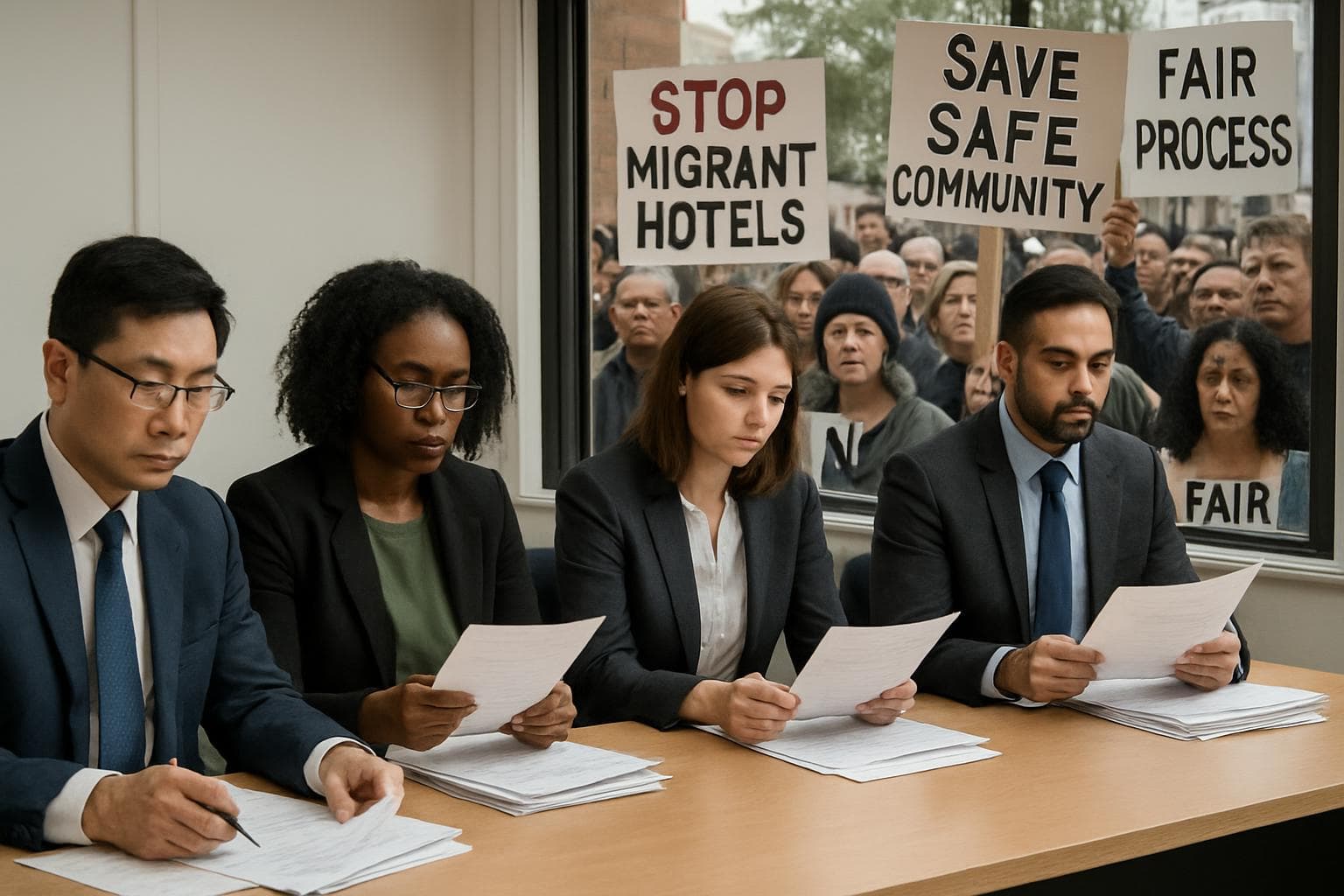
Recent weeks have seen a surge in protests outside asylum hotels across the UK, with demonstrators expressing concerns over community safety. In cities like Bristol, Liverpool, and London, police have intervened to separate opposing groups, resulting in at least 15 arrests. The protests have heightened anxiety among asylum seekers, many of whom fear leaving their accommodations. "The protests really scare me," said John, an asylum seeker from Tanzania living in a Surrey hotel.
Human Impact and Government Response
Asylum seekers have reported feeling unsafe and mistreated within hotel accommodations. Maryam, a South Asian woman residing in Sussex, described experiencing racial abuse and safety concerns. The government, which inherited what it describes as a "broken" asylum system, has reduced the number of asylum hotels from over 400 to fewer than 210. However, the backlog of applications and limited housing options continue to pose challenges.
Legal and Political Implications
The government's plan to reform the appeals system is part of a broader effort to address the record 110,000 asylum applications made in the year to June. By prioritizing cases involving government-funded accommodations and foreign offenders, the Home Office aims to streamline the process. However, the reforms have sparked debate over the balance between efficiency and judicial oversight, with critics emphasizing the importance of fair and accurate decision-making.
WHAT THIS MIGHT MEAN
The proposed overhaul of the asylum appeals system could significantly impact the UK's approach to immigration. If successful, the new adjudicator body may reduce the backlog and reliance on hotel accommodations, alleviating public and legal pressures. However, the effectiveness of these changes will depend on their implementation and the government's ability to maintain high standards of fairness and independence. As protests continue, the government must also address the concerns of both asylum seekers and local communities to foster a more harmonious environment.
Related Articles

UK Government to Reform Asylum Seeker Support and Employment Policies

Labour MP's Husband Arrested in UK-China Espionage Probe

Police Federation Chief Arrested Amid Fraud Investigation
Nottingham Attacks Inquiry: Families Demand Accountability and Truth

Government Criticized for Mishandling Maccabi Tel Aviv Fan Ban

UK Government Considers Removing Andrew Mountbatten-Windsor from Royal Succession Amid Arrest
UK Government to Reform Asylum Appeals Amid Rising Protests and Accommodation Crisis
In This Article
 Ethan Brooks| Published
 HIGHLIGHTS
- The UK government plans to overhaul the asylum appeals system to reduce the number of migrants in hotels, with a new body of independent adjudicators.
- Home Secretary Yvette Cooper aims to address delays in appeals, which currently take over a year on average, with 51,000 cases pending.
- Nationwide protests against asylum hotels have increased, with demonstrations in cities like Bristol and Liverpool, resulting in at least 15 arrests.
- Asylum seekers express fear and anxiety due to protests, with some reporting poor treatment and safety concerns within hotel accommodations.
- The government is under pressure to find alternatives to hotel accommodation, with a record 110,000 asylum applications made in the year to June.
The UK government has announced plans to reform the asylum appeals system in a bid to reduce the number of migrants housed in hotels, a move prompted by increasing public and legal pressure. Home Secretary Yvette Cooper revealed that a new body of independent adjudicators will be established to expedite the appeals process, which currently suffers from significant delays. The initiative aims to address the backlog of 51,000 pending cases, as asylum seekers continue to be accommodated at the taxpayer's expense.
Overhaul of the Appeals System
The proposed changes come as the government faces criticism over its reliance on hotel accommodations for asylum seekers. Cooper emphasized the need for a "swift, fair, and independent" system, noting that the current process allows failed asylum seekers to remain in the system for extended periods. The new panel of adjudicators is expected to operate more efficiently than the existing court system, which takes an average of 53 weeks to hear an appeal.
Protests and Public Sentiment
Recent weeks have seen a surge in protests outside asylum hotels across the UK, with demonstrators expressing concerns over community safety. In cities like Bristol, Liverpool, and London, police have intervened to separate opposing groups, resulting in at least 15 arrests. The protests have heightened anxiety among asylum seekers, many of whom fear leaving their accommodations. "The protests really scare me," said John, an asylum seeker from Tanzania living in a Surrey hotel.
Human Impact and Government Response
Asylum seekers have reported feeling unsafe and mistreated within hotel accommodations. Maryam, a South Asian woman residing in Sussex, described experiencing racial abuse and safety concerns. The government, which inherited what it describes as a "broken" asylum system, has reduced the number of asylum hotels from over 400 to fewer than 210. However, the backlog of applications and limited housing options continue to pose challenges.
Legal and Political Implications
The government's plan to reform the appeals system is part of a broader effort to address the record 110,000 asylum applications made in the year to June. By prioritizing cases involving government-funded accommodations and foreign offenders, the Home Office aims to streamline the process. However, the reforms have sparked debate over the balance between efficiency and judicial oversight, with critics emphasizing the importance of fair and accurate decision-making.
WHAT THIS MIGHT MEAN
The proposed overhaul of the asylum appeals system could significantly impact the UK's approach to immigration. If successful, the new adjudicator body may reduce the backlog and reliance on hotel accommodations, alleviating public and legal pressures. However, the effectiveness of these changes will depend on their implementation and the government's ability to maintain high standards of fairness and independence. As protests continue, the government must also address the concerns of both asylum seekers and local communities to foster a more harmonious environment.
Related Articles
UK Government to Reform Asylum Seeker Support and Employment Policies
Labour MP's Husband Arrested in UK-China Espionage Probe
Police Federation Chief Arrested Amid Fraud Investigation
Nottingham Attacks Inquiry: Families Demand Accountability and Truth
Government Criticized for Mishandling Maccabi Tel Aviv Fan Ban
UK Government Considers Removing Andrew Mountbatten-Windsor from Royal Succession Amid Arrest