
UK Government Revises Welfare Reform Plans Amid Labour Rebellion
In This Article
HIGHLIGHTS
- The UK government has announced significant concessions to its welfare reform plans following pressure from over 120 Labour MPs.
- Current recipients of disability benefits will be exempt from the proposed cuts, which will now only affect future claimants.
- The reforms aim to save £5bn annually by 2030, but concessions may require additional funding, potentially through tax increases.
- Prime Minister Keir Starmer has faced criticism for the initial proposals but maintains that reforms are necessary to support employment.
- The changes have sparked debate about the impact on disabled individuals and the creation of a "two-tier" benefits system.
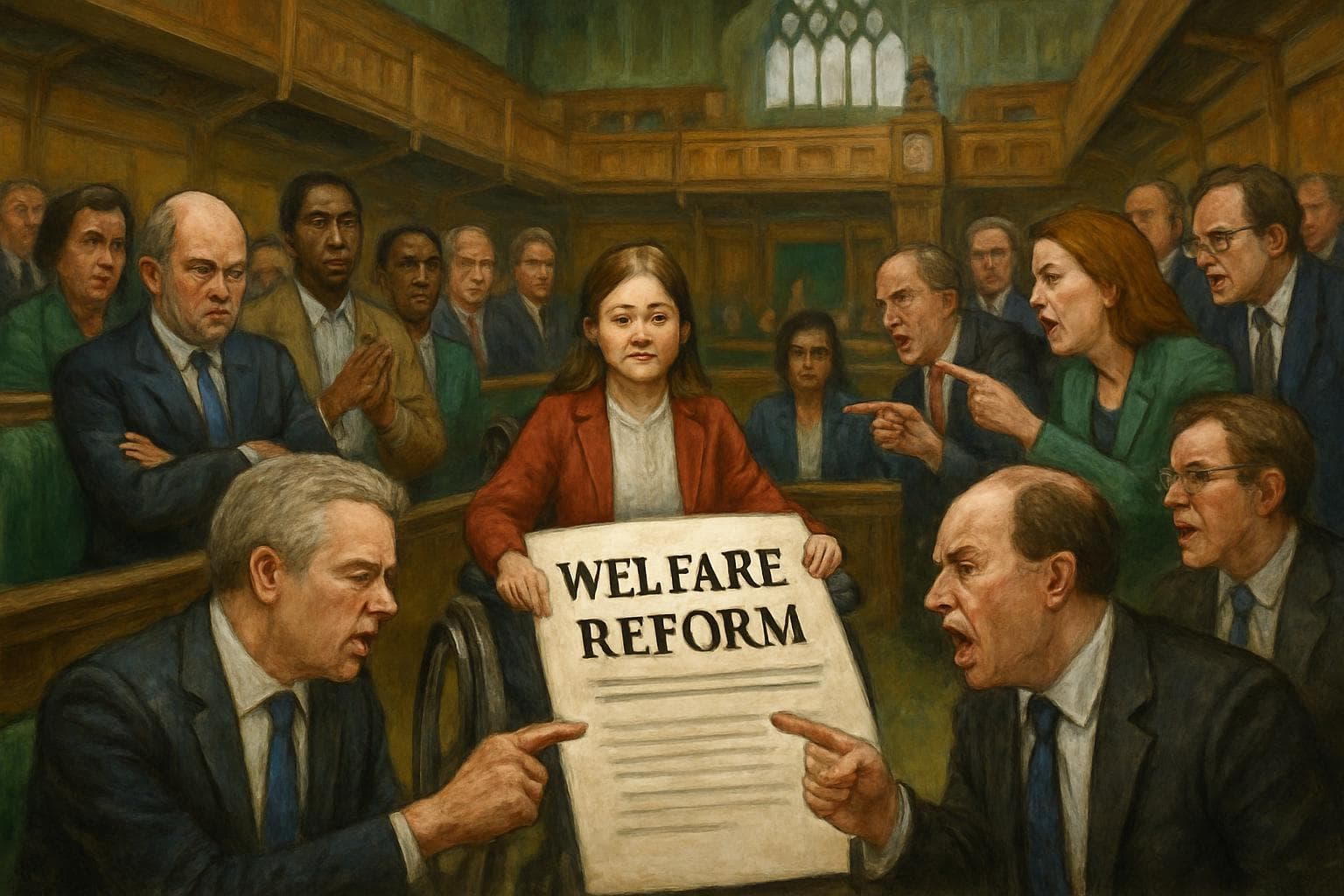
In a significant policy shift, the UK government has revised its proposed welfare reforms following intense pressure from over 120 Labour MPs. The changes, initially aimed at reducing disability and sickness-related benefits, have been adjusted to exempt current recipients, impacting only future claimants. This move comes after a wave of criticism and the threat of a parliamentary defeat for Prime Minister Keir Starmer.
Concessions to Secure Support
The government's climbdown was confirmed by Work and Pensions Secretary Liz Kendall, who assured Labour MPs that the health element of Universal Credit and Personal Independence Payment (PIP) would remain unchanged for existing beneficiaries. The concessions were negotiated over 24 hours with senior Labour rebels and are expected to cost around £3bn, potentially necessitating tax hikes to cover the shortfall.
Reform Goals and Opposition
Despite the backlash, the government insists that the reforms are crucial for addressing a "broken system" and encouraging employment among those "trapped" in the benefits system. The original plan aimed to save £5bn annually by 2030, but the revised approach has sparked concerns about a "two-tier" system, where new claimants face stricter criteria.
Voices from the Frontline
Kailee Kember-Brown, a 19-year-old wheelchair user from Dover, exemplifies the challenges faced by disabled individuals seeking employment. Despite applying for over 40 jobs, Kailee has received few responses, highlighting the barriers within the job market. Her story underscores the need for reforms that genuinely support disabled individuals in finding work, rather than merely cutting benefits.
Political Implications
The concessions have been described as a "major U-turn" by various media outlets, with some commentators suggesting that Starmer's leadership could be weakened by the climbdown. However, Labour MP Meg Hillier, who led the rebellion, expressed satisfaction with the changes, calling them a "good step forward" for protecting vulnerable individuals.
WHAT THIS MIGHT MEAN
The revised welfare reform plans are likely to pass in Parliament, given the concessions made to appease Labour rebels. However, the financial implications of these changes could lead to further political challenges, particularly if tax increases are required to fund the adjustments. The debate over the creation of a "two-tier" benefits system may continue, with ongoing scrutiny of how the reforms impact disabled individuals. As the government moves forward, it will need to balance fiscal responsibility with the social imperative of supporting the most vulnerable in society.
Images from the Web

Related Articles
UK Government Considers Removing Andrew Mountbatten-Windsor from Royal Succession Amid Arrest
UK Government Launches Campaign to Tackle Harmful Online Content for Children

Keir Starmer Faces Resignation Calls Amid Mandelson-Epstein Scandal

UK Government Proposes Major Reforms to Cut Pet Care Costs
Debate Intensifies Over Proposed Social Media Ban for Under-16s in the UK

Government Announces £4 Billion Overhaul of SEND Support in England
UK Government Revises Welfare Reform Plans Amid Labour Rebellion
In This Article
 Ethan Brooks| Published
 HIGHLIGHTS
- The UK government has announced significant concessions to its welfare reform plans following pressure from over 120 Labour MPs.
- Current recipients of disability benefits will be exempt from the proposed cuts, which will now only affect future claimants.
- The reforms aim to save £5bn annually by 2030, but concessions may require additional funding, potentially through tax increases.
- Prime Minister Keir Starmer has faced criticism for the initial proposals but maintains that reforms are necessary to support employment.
- The changes have sparked debate about the impact on disabled individuals and the creation of a "two-tier" benefits system.
In a significant policy shift, the UK government has revised its proposed welfare reforms following intense pressure from over 120 Labour MPs. The changes, initially aimed at reducing disability and sickness-related benefits, have been adjusted to exempt current recipients, impacting only future claimants. This move comes after a wave of criticism and the threat of a parliamentary defeat for Prime Minister Keir Starmer.
Concessions to Secure Support
The government's climbdown was confirmed by Work and Pensions Secretary Liz Kendall, who assured Labour MPs that the health element of Universal Credit and Personal Independence Payment (PIP) would remain unchanged for existing beneficiaries. The concessions were negotiated over 24 hours with senior Labour rebels and are expected to cost around £3bn, potentially necessitating tax hikes to cover the shortfall.
Reform Goals and Opposition
Despite the backlash, the government insists that the reforms are crucial for addressing a "broken system" and encouraging employment among those "trapped" in the benefits system. The original plan aimed to save £5bn annually by 2030, but the revised approach has sparked concerns about a "two-tier" system, where new claimants face stricter criteria.
Voices from the Frontline
Kailee Kember-Brown, a 19-year-old wheelchair user from Dover, exemplifies the challenges faced by disabled individuals seeking employment. Despite applying for over 40 jobs, Kailee has received few responses, highlighting the barriers within the job market. Her story underscores the need for reforms that genuinely support disabled individuals in finding work, rather than merely cutting benefits.
Political Implications
The concessions have been described as a "major U-turn" by various media outlets, with some commentators suggesting that Starmer's leadership could be weakened by the climbdown. However, Labour MP Meg Hillier, who led the rebellion, expressed satisfaction with the changes, calling them a "good step forward" for protecting vulnerable individuals.
WHAT THIS MIGHT MEAN
The revised welfare reform plans are likely to pass in Parliament, given the concessions made to appease Labour rebels. However, the financial implications of these changes could lead to further political challenges, particularly if tax increases are required to fund the adjustments. The debate over the creation of a "two-tier" benefits system may continue, with ongoing scrutiny of how the reforms impact disabled individuals. As the government moves forward, it will need to balance fiscal responsibility with the social imperative of supporting the most vulnerable in society.
Images from the Web
Related Articles
UK Government Considers Removing Andrew Mountbatten-Windsor from Royal Succession Amid Arrest
UK Government Launches Campaign to Tackle Harmful Online Content for Children
Keir Starmer Faces Resignation Calls Amid Mandelson-Epstein Scandal
UK Government Proposes Major Reforms to Cut Pet Care Costs
Debate Intensifies Over Proposed Social Media Ban for Under-16s in the UK
Government Announces £4 Billion Overhaul of SEND Support in England