
UK Government Revives EV Grants to Boost Electric Car Adoption
In This Article
HIGHLIGHTS
- The UK government has introduced a grant offering up to £3,750 off new electric vehicles priced under £37,000 to encourage a shift from petrol and diesel cars.
- The £650 million scheme aims to make electric vehicles more affordable and is expected to benefit cheaper models, particularly from Chinese manufacturers.
- The initiative is part of a broader strategy to ban new petrol and diesel car sales by 2030, with a target to increase public EV charging points from 82,000 to 300,000.
- Critics argue that the UK lacks sufficient charging infrastructure, and some consumers remain unconvinced about the financial benefits of switching to electric vehicles.
- The grant reintroduction follows lobbying from the car industry, which faced challenges meeting zero-emission vehicle mandates.
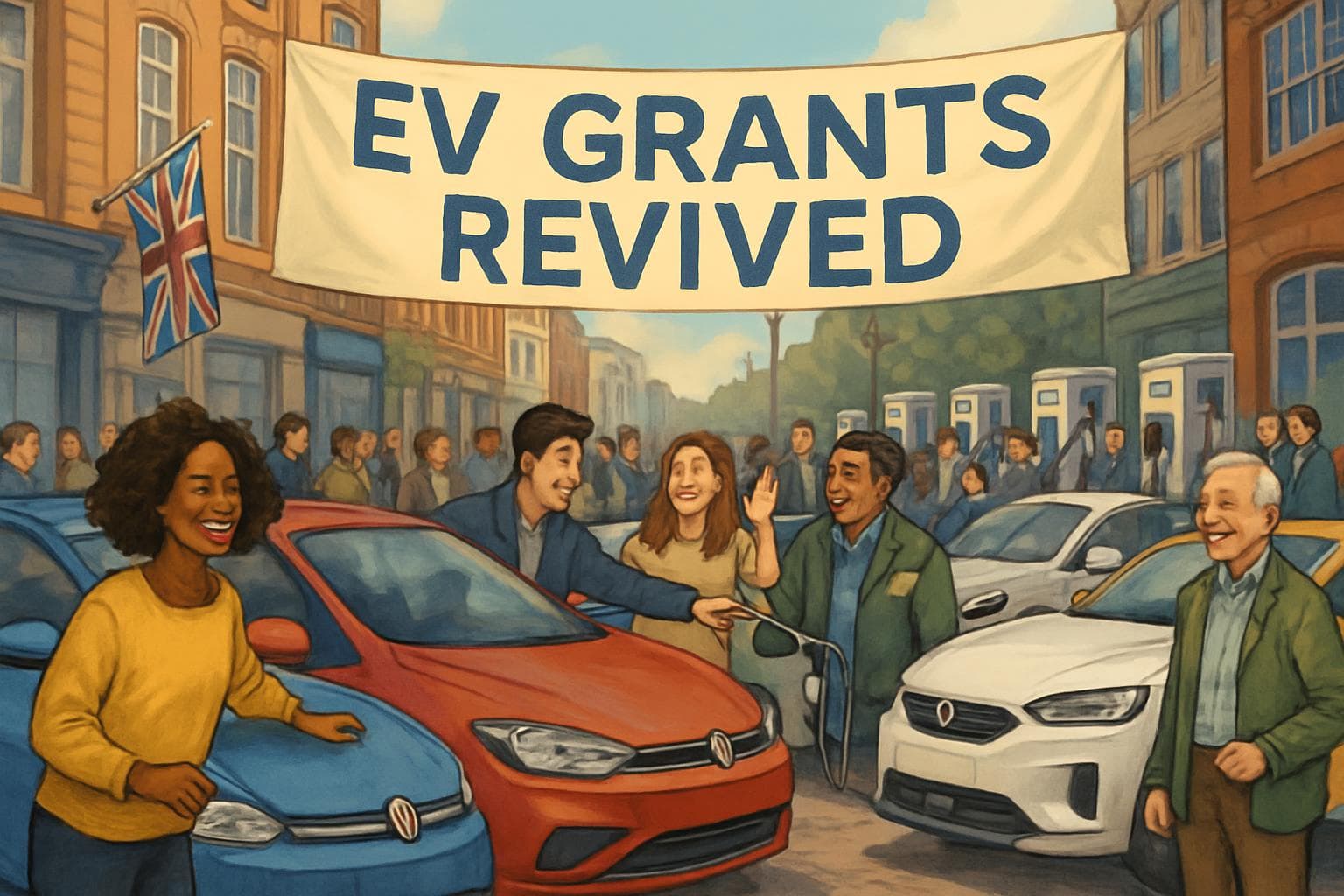
In a bid to accelerate the transition to electric vehicles (EVs), the UK government has reintroduced a grant scheme offering discounts of up to £3,750 on new electric cars priced under £37,000. This initiative, announced by the Department for Transport (DfT), aims to make sustainable transport more accessible and affordable for consumers.
Government's Push for Electric Vehicles
The £650 million grant scheme, which had been previously scrapped in June 2022, is designed to incentivize drivers to switch from petrol and diesel vehicles to zero-emission cars. The discounts will be available for the most environmentally friendly vehicles, with a second tier offering up to £1,500 off. Transport Secretary Heidi Alexander emphasized that the grant will not only save consumers money but also bolster the UK's automotive sector, which is poised to seize significant opportunities in green technology.
Addressing Infrastructure Challenges
Despite the financial incentives, the UK faces challenges in its EV infrastructure. Currently, there are approximately 82,000 public charging points, a figure that the government aims to increase to 300,000 by 2030. Steve Catlin, managing director of Vauxhall, highlighted the need for more charging points to meet growing consumer demand. "Forty percent of UK households lack a driveway, making home charging difficult," he noted, underscoring the importance of expanding public charging facilities.
Industry and Consumer Reactions
The reintroduction of the grant has been welcomed by industry leaders like John Lewis, CEO of char.gy, who believes it will democratize access to electric vehicles. However, some consumers remain skeptical. Jimmy Kim, a London resident, expressed concerns about the long-term financial viability of EVs compared to efficient petrol or hybrid vehicles. Meanwhile, the Labour government has faced criticism for allegedly pushing consumers towards EVs before the country is fully prepared.
Political and Economic Implications
The grant is part of a broader strategy to ban the sale of new petrol and diesel cars by 2030, a policy that has faced opposition from the car industry. The zero-emission vehicle mandate, introduced under the Conservative government, requires carmakers to sell an increasing proportion of electric cars or face hefty fines. However, the Labour government has indicated a willingness to relax these rules following industry lobbying.
WHAT THIS MIGHT MEAN
The reintroduction of the EV grant could significantly boost electric vehicle sales in the UK, particularly benefiting manufacturers of more affordable models. However, the success of this initiative hinges on the rapid expansion of charging infrastructure to meet increased demand. Politically, the government's approach to balancing environmental goals with industry concerns will be closely watched, as it may set a precedent for future sustainable transport policies. As the 2030 deadline for banning new petrol and diesel cars approaches, the UK will need to address both consumer hesitancy and infrastructure gaps to ensure a smooth transition to a greener automotive future.
Images from the Web

Related Articles

Labour MP's Husband Arrested in UK-China Espionage Probe

Bafta Film Awards 2023: A Night of Glamour, Talent, and Fashion Statements
Nottingham Attacks Inquiry: Families Demand Accountability and Truth

Bafta Film Awards 2026: A Night of Glamour and Identity Challenges

UK Police Intensify Investigation into Andrew Mountbatten-Windsor Amid Misconduct Allegations

Prince Andrew's Arrest Raises Questions About Royal Succession and Monarchy's Future
UK Government Revives EV Grants to Boost Electric Car Adoption
In This Article
 Daniel Rivera| Published
 HIGHLIGHTS
- The UK government has introduced a grant offering up to £3,750 off new electric vehicles priced under £37,000 to encourage a shift from petrol and diesel cars.
- The £650 million scheme aims to make electric vehicles more affordable and is expected to benefit cheaper models, particularly from Chinese manufacturers.
- The initiative is part of a broader strategy to ban new petrol and diesel car sales by 2030, with a target to increase public EV charging points from 82,000 to 300,000.
- Critics argue that the UK lacks sufficient charging infrastructure, and some consumers remain unconvinced about the financial benefits of switching to electric vehicles.
- The grant reintroduction follows lobbying from the car industry, which faced challenges meeting zero-emission vehicle mandates.
In a bid to accelerate the transition to electric vehicles (EVs), the UK government has reintroduced a grant scheme offering discounts of up to £3,750 on new electric cars priced under £37,000. This initiative, announced by the Department for Transport (DfT), aims to make sustainable transport more accessible and affordable for consumers.
Government's Push for Electric Vehicles
The £650 million grant scheme, which had been previously scrapped in June 2022, is designed to incentivize drivers to switch from petrol and diesel vehicles to zero-emission cars. The discounts will be available for the most environmentally friendly vehicles, with a second tier offering up to £1,500 off. Transport Secretary Heidi Alexander emphasized that the grant will not only save consumers money but also bolster the UK's automotive sector, which is poised to seize significant opportunities in green technology.
Addressing Infrastructure Challenges
Despite the financial incentives, the UK faces challenges in its EV infrastructure. Currently, there are approximately 82,000 public charging points, a figure that the government aims to increase to 300,000 by 2030. Steve Catlin, managing director of Vauxhall, highlighted the need for more charging points to meet growing consumer demand. "Forty percent of UK households lack a driveway, making home charging difficult," he noted, underscoring the importance of expanding public charging facilities.
Industry and Consumer Reactions
The reintroduction of the grant has been welcomed by industry leaders like John Lewis, CEO of char.gy, who believes it will democratize access to electric vehicles. However, some consumers remain skeptical. Jimmy Kim, a London resident, expressed concerns about the long-term financial viability of EVs compared to efficient petrol or hybrid vehicles. Meanwhile, the Labour government has faced criticism for allegedly pushing consumers towards EVs before the country is fully prepared.
Political and Economic Implications
The grant is part of a broader strategy to ban the sale of new petrol and diesel cars by 2030, a policy that has faced opposition from the car industry. The zero-emission vehicle mandate, introduced under the Conservative government, requires carmakers to sell an increasing proportion of electric cars or face hefty fines. However, the Labour government has indicated a willingness to relax these rules following industry lobbying.
WHAT THIS MIGHT MEAN
The reintroduction of the EV grant could significantly boost electric vehicle sales in the UK, particularly benefiting manufacturers of more affordable models. However, the success of this initiative hinges on the rapid expansion of charging infrastructure to meet increased demand. Politically, the government's approach to balancing environmental goals with industry concerns will be closely watched, as it may set a precedent for future sustainable transport policies. As the 2030 deadline for banning new petrol and diesel cars approaches, the UK will need to address both consumer hesitancy and infrastructure gaps to ensure a smooth transition to a greener automotive future.
Images from the Web
Related Articles
Labour MP's Husband Arrested in UK-China Espionage Probe
Bafta Film Awards 2023: A Night of Glamour, Talent, and Fashion Statements
Nottingham Attacks Inquiry: Families Demand Accountability and Truth
Bafta Film Awards 2026: A Night of Glamour and Identity Challenges
UK Police Intensify Investigation into Andrew Mountbatten-Windsor Amid Misconduct Allegations
Prince Andrew's Arrest Raises Questions About Royal Succession and Monarchy's Future