
Rising Student Loan Repayments Spark Debate Amid Growing Graduate Debt Crisis
In This Article
HIGHLIGHTS
- Voluntary repayments on Plan 2 student loans have surged, tripling from £141.7m in 2017 to £491.1m in 2025.
- Martin Lewis cautions that only high earners benefit from early repayments, warning others against unnecessary overpayments.
- Graduates like Luke England and Amy Cayzer face overwhelming debt, with interest rates exacerbating their financial burden.
- The UK government faces pressure to address the growing student debt crisis, affecting millions of graduates.
- Changes to repayment thresholds have sparked criticism, with calls for a policy rethink to alleviate graduate debt.
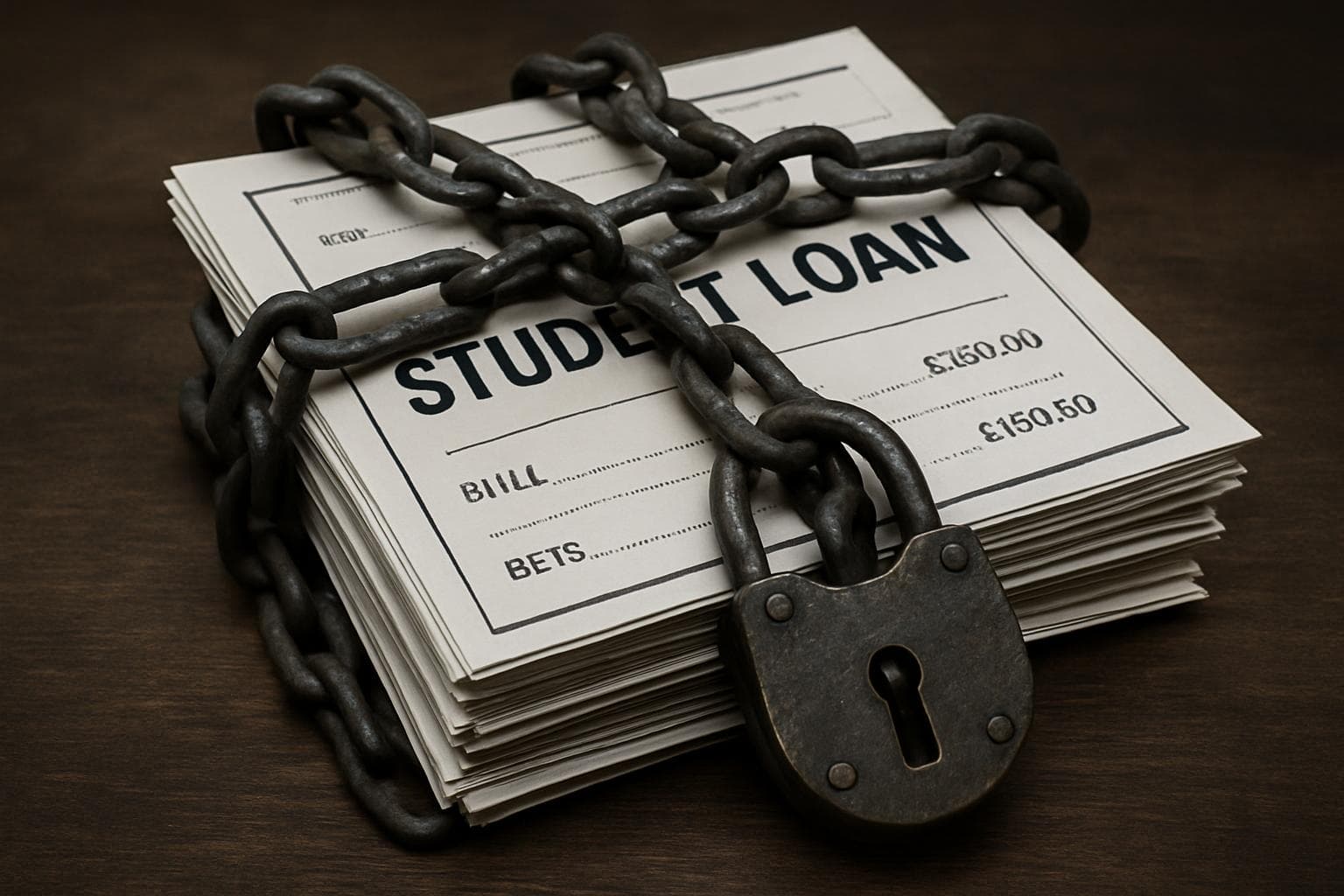
The issue of student loan repayments in the UK has become a focal point of concern, with voluntary repayments on Plan 2 loans more than tripling over recent years. Analysis of Student Loans Company data reveals that voluntary repayments rose from £141.7 million in 2017 to £491.1 million in 2025. This increase highlights the financial strain faced by graduates, prompting warnings from financial experts like Martin Lewis.
The Burden of Student Debt
Graduates such as Luke England and Amy Cayzer exemplify the challenges posed by mounting student debt. England, a chartered surveyor in London, has been making voluntary repayments to clear his £19,500 debt faster. Despite earning £55,000 annually, he finds the interest on his loan overwhelming. "Making early repayments will make a better future for me," he asserts, aiming to clear his debt within six years.
Meanwhile, Amy Cayzer, a communications officer, grapples with a debt that has ballooned from £73,814 to nearly £100,000 due to high interest rates. "It’s overwhelming to realise that, even though I’m paying every month, it doesn’t make a difference to what I owe," she laments. Cayzer's experience underscores the long-term financial burden that many graduates face, often without fully understanding the implications when they first take out loans.
Calls for Policy Change
The growing discontent among graduates has led to increased pressure on the UK government to address the student debt crisis. Martin Lewis, founder of MoneySavingExpert, has been vocal in his criticism of recent changes to repayment thresholds, which affect 5.8 million borrowers. He warns that only high earners benefit from making early repayments, advising others against unnecessary overpayments that may not significantly impact their overall debt.
A System Under Scrutiny
The current system, which requires Plan 2 graduates to repay 9% of their earnings above £28,470 annually, has been criticized for perpetuating financial inequalities. Graduates from lower-income backgrounds, like Cayzer, often face a heavier burden compared to their wealthier peers, whose families can afford to subsidize their education.
WHAT THIS MIGHT MEAN
The ongoing debate over student loan repayments could lead to significant policy changes in the UK. With mounting pressure from graduates and financial experts, the government may be compelled to reassess the current repayment structure and interest rates. Such changes could alleviate the financial burden on millions of graduates, potentially reducing the long-term impact of student debt on their lives. As discussions continue, the focus will likely remain on creating a more equitable system that addresses the needs of all graduates, regardless of their financial background.
Images from the Web


Related Articles
Middle East Conflict Drives UK Energy Prices to New Highs

Breakthrough Drug Offers Hope for Children with Severe Epilepsy

Labour MP's Husband Arrested in UK-China Espionage Probe

Government Announces £4 Billion Overhaul of SEND Support in England

Bafta Film Awards 2023: A Night of Glamour, Talent, and Fashion Statements

UK Government Announces Major Overhaul of SEND System with £3.4 Billion Investment
Rising Student Loan Repayments Spark Debate Amid Growing Graduate Debt Crisis
In This Article
 Daniel Rivera| Published
 HIGHLIGHTS
- Voluntary repayments on Plan 2 student loans have surged, tripling from £141.7m in 2017 to £491.1m in 2025.
- Martin Lewis cautions that only high earners benefit from early repayments, warning others against unnecessary overpayments.
- Graduates like Luke England and Amy Cayzer face overwhelming debt, with interest rates exacerbating their financial burden.
- The UK government faces pressure to address the growing student debt crisis, affecting millions of graduates.
- Changes to repayment thresholds have sparked criticism, with calls for a policy rethink to alleviate graduate debt.
The issue of student loan repayments in the UK has become a focal point of concern, with voluntary repayments on Plan 2 loans more than tripling over recent years. Analysis of Student Loans Company data reveals that voluntary repayments rose from £141.7 million in 2017 to £491.1 million in 2025. This increase highlights the financial strain faced by graduates, prompting warnings from financial experts like Martin Lewis.
The Burden of Student Debt
Graduates such as Luke England and Amy Cayzer exemplify the challenges posed by mounting student debt. England, a chartered surveyor in London, has been making voluntary repayments to clear his £19,500 debt faster. Despite earning £55,000 annually, he finds the interest on his loan overwhelming. "Making early repayments will make a better future for me," he asserts, aiming to clear his debt within six years.
Meanwhile, Amy Cayzer, a communications officer, grapples with a debt that has ballooned from £73,814 to nearly £100,000 due to high interest rates. "It’s overwhelming to realise that, even though I’m paying every month, it doesn’t make a difference to what I owe," she laments. Cayzer's experience underscores the long-term financial burden that many graduates face, often without fully understanding the implications when they first take out loans.
Calls for Policy Change
The growing discontent among graduates has led to increased pressure on the UK government to address the student debt crisis. Martin Lewis, founder of MoneySavingExpert, has been vocal in his criticism of recent changes to repayment thresholds, which affect 5.8 million borrowers. He warns that only high earners benefit from making early repayments, advising others against unnecessary overpayments that may not significantly impact their overall debt.
A System Under Scrutiny
The current system, which requires Plan 2 graduates to repay 9% of their earnings above £28,470 annually, has been criticized for perpetuating financial inequalities. Graduates from lower-income backgrounds, like Cayzer, often face a heavier burden compared to their wealthier peers, whose families can afford to subsidize their education.
WHAT THIS MIGHT MEAN
The ongoing debate over student loan repayments could lead to significant policy changes in the UK. With mounting pressure from graduates and financial experts, the government may be compelled to reassess the current repayment structure and interest rates. Such changes could alleviate the financial burden on millions of graduates, potentially reducing the long-term impact of student debt on their lives. As discussions continue, the focus will likely remain on creating a more equitable system that addresses the needs of all graduates, regardless of their financial background.
Images from the Web
Related Articles
Middle East Conflict Drives UK Energy Prices to New Highs
Breakthrough Drug Offers Hope for Children with Severe Epilepsy
Labour MP's Husband Arrested in UK-China Espionage Probe
Government Announces £4 Billion Overhaul of SEND Support in England
Bafta Film Awards 2023: A Night of Glamour, Talent, and Fashion Statements
UK Government Announces Major Overhaul of SEND System with £3.4 Billion Investment