
UK Study to Explore Impact of Social Media Restrictions on Teen Mental Health
In This Article
HIGHLIGHTS
- A UK study involving 4,000 schoolchildren will assess the impact of limiting social media use on mental health.
- The trial, led by the University of Cambridge and Bradford Centre for Health Data Science, will compare anxiety, depression, and sleep patterns.
- Participants will have restricted access to social media apps like TikTok and Snapchat, but not messaging apps such as WhatsApp.
- The study coincides with UK government consultations on a potential social media ban for under-16s.
- Results are expected in summer 2027, providing critical insights for global policy decisions on children's online safety.
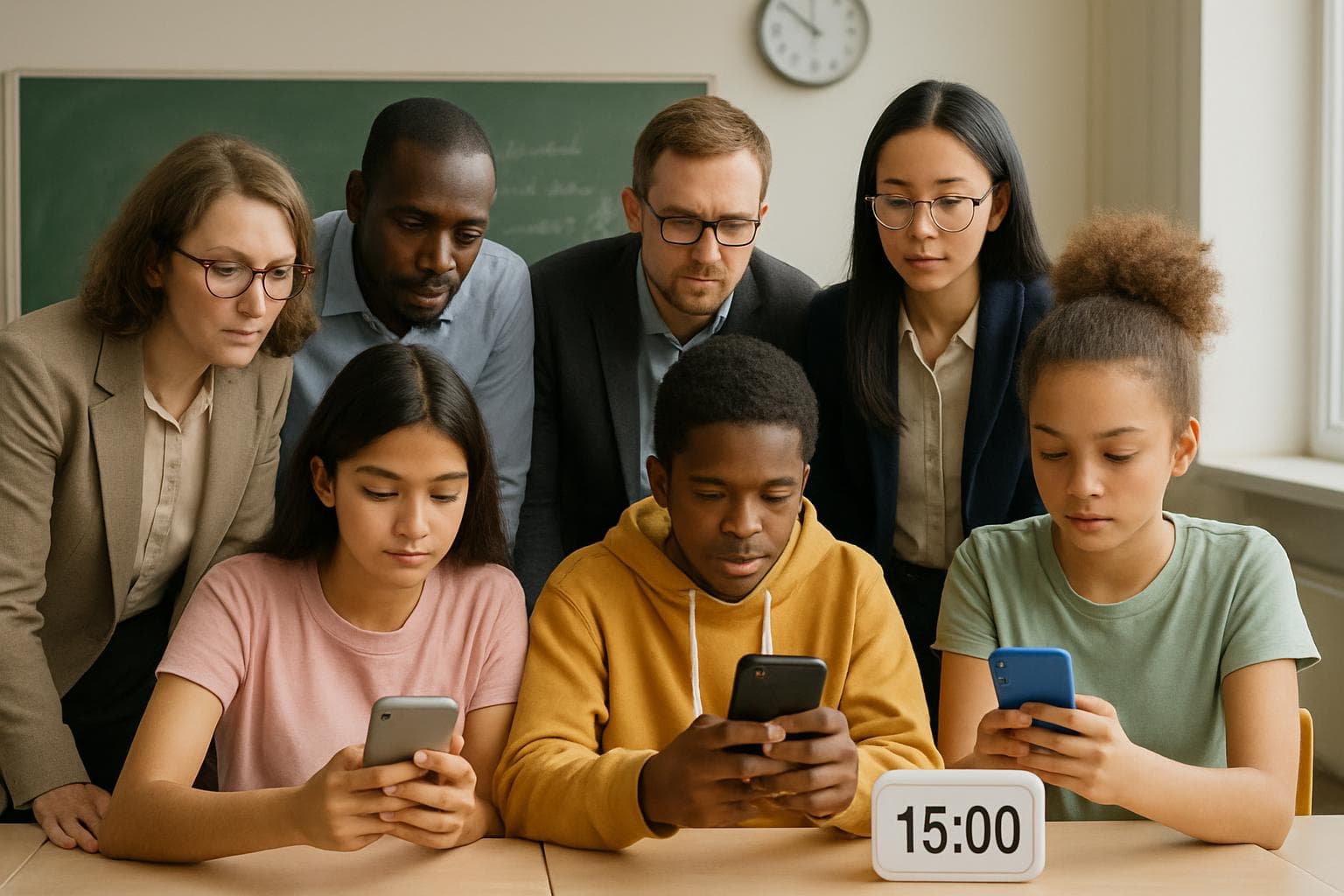
In a groundbreaking initiative, researchers in the UK are set to explore the effects of social media restrictions on the mental health of teenagers. The study, involving approximately 4,000 secondary school students in Bradford, aims to provide empirical evidence on whether limiting social media use can positively influence mental well-being.
Study Design and Objectives
The trial, known as the IRL (In Real Life) study, is a collaborative effort between the Bradford Centre for Health Data Science and the University of Cambridge. It will track students aged 12 to 15, assigning them a "daily budget" for social media use and enforcing a curfew from 9 PM to 7 AM. The research will focus on measuring anxiety, depression, sleep quality, and social interactions, comparing these metrics with those of peers who continue their usual social media habits.
Government Consultation and Legislative Context
This study emerges amidst growing political discourse on social media's impact on youth. The UK government is currently consulting on a potential ban for under-16s, following Australia's lead in implementing similar restrictions. The study's findings, expected by summer 2027, will be independent of these consultations but are anticipated to inform policy decisions both domestically and internationally.
Expert Insights and Participant Feedback
Dr. Dan Lewer, leading the Bradford Centre for Health Data Science, emphasized the importance of understanding teenagers' perspectives, noting their awareness of social media's potential harms, such as online bullying and disrupted sleep. Professor Amy Orben, co-lead of the study, highlighted the necessity of this research, stating, "There is a range of evidence that social media is harming individual children and adolescents, including very severe harms."
Potential Impact and Future Directions
As the study progresses, it holds the potential to shape future legislation on children's online safety. With the House of Lords considering an amendment to ban social media for children, the study's outcomes could play a pivotal role in these debates. Liz Kendall, the technology secretary, assured that the government's consultation would conclude by summer, aiming for a decisive stance on the issue.
WHAT THIS MIGHT MEAN
The results of this study could significantly influence global policies on social media use among minors. Should the findings indicate substantial mental health benefits from restricted access, countries may adopt stricter regulations to safeguard youth. Conversely, if the impact is minimal, it could prompt a reevaluation of current approaches to online safety. Experts suggest that understanding the nuanced effects of social media on different aspects of adolescent life is crucial for crafting effective and balanced policies.
Related Articles

UK Government to Reform Asylum Seeker Support and Employment Policies

UK Faces Dilemmas Amid Iran Conflict and China Spying Allegations

UK Reinforces Military Presence in Cyprus Amid Middle East Tensions

UK-Iran Tensions: Starmer Defends Cautious Approach Amid Trump Criticism
Persistent Safety Concerns in Nottingham Maternity Services Amidst Calls for Systemic Reform

Diplomatic Tensions Rise as Trump Criticizes Starmer's Iran Policy
UK Study to Explore Impact of Social Media Restrictions on Teen Mental Health
In This Article
 Ethan Brooks| Published
 HIGHLIGHTS
- A UK study involving 4,000 schoolchildren will assess the impact of limiting social media use on mental health.
- The trial, led by the University of Cambridge and Bradford Centre for Health Data Science, will compare anxiety, depression, and sleep patterns.
- Participants will have restricted access to social media apps like TikTok and Snapchat, but not messaging apps such as WhatsApp.
- The study coincides with UK government consultations on a potential social media ban for under-16s.
- Results are expected in summer 2027, providing critical insights for global policy decisions on children's online safety.
In a groundbreaking initiative, researchers in the UK are set to explore the effects of social media restrictions on the mental health of teenagers. The study, involving approximately 4,000 secondary school students in Bradford, aims to provide empirical evidence on whether limiting social media use can positively influence mental well-being.
Study Design and Objectives
The trial, known as the IRL (In Real Life) study, is a collaborative effort between the Bradford Centre for Health Data Science and the University of Cambridge. It will track students aged 12 to 15, assigning them a "daily budget" for social media use and enforcing a curfew from 9 PM to 7 AM. The research will focus on measuring anxiety, depression, sleep quality, and social interactions, comparing these metrics with those of peers who continue their usual social media habits.
Government Consultation and Legislative Context
This study emerges amidst growing political discourse on social media's impact on youth. The UK government is currently consulting on a potential ban for under-16s, following Australia's lead in implementing similar restrictions. The study's findings, expected by summer 2027, will be independent of these consultations but are anticipated to inform policy decisions both domestically and internationally.
Expert Insights and Participant Feedback
Dr. Dan Lewer, leading the Bradford Centre for Health Data Science, emphasized the importance of understanding teenagers' perspectives, noting their awareness of social media's potential harms, such as online bullying and disrupted sleep. Professor Amy Orben, co-lead of the study, highlighted the necessity of this research, stating, "There is a range of evidence that social media is harming individual children and adolescents, including very severe harms."
Potential Impact and Future Directions
As the study progresses, it holds the potential to shape future legislation on children's online safety. With the House of Lords considering an amendment to ban social media for children, the study's outcomes could play a pivotal role in these debates. Liz Kendall, the technology secretary, assured that the government's consultation would conclude by summer, aiming for a decisive stance on the issue.
WHAT THIS MIGHT MEAN
The results of this study could significantly influence global policies on social media use among minors. Should the findings indicate substantial mental health benefits from restricted access, countries may adopt stricter regulations to safeguard youth. Conversely, if the impact is minimal, it could prompt a reevaluation of current approaches to online safety. Experts suggest that understanding the nuanced effects of social media on different aspects of adolescent life is crucial for crafting effective and balanced policies.
Related Articles
UK Government to Reform Asylum Seeker Support and Employment Policies
UK Faces Dilemmas Amid Iran Conflict and China Spying Allegations
UK Reinforces Military Presence in Cyprus Amid Middle East Tensions
UK-Iran Tensions: Starmer Defends Cautious Approach Amid Trump Criticism
Persistent Safety Concerns in Nottingham Maternity Services Amidst Calls for Systemic Reform
Diplomatic Tensions Rise as Trump Criticizes Starmer's Iran Policy