
UK Taskforce Urges Mandatory Disability Training for Airline Staff to Enhance Accessibility
In This Article
HIGHLIGHTS
- Baroness Tanni Grey-Thompson felt humiliated after being wrongly blamed for a flight delay due to her wheelchair.
- A UK government taskforce recommends mandatory disability awareness training for all airline and airport staff.
- The report highlights inconsistent support for disabled passengers, with 19 recommendations for improvement.
- The Civil Aviation Authority data shows a 40% increase in passengers requesting assistance since the pandemic.
- The taskforce aims to make air travel more inclusive, with support from UK Transport Secretary Heidi Alexander.
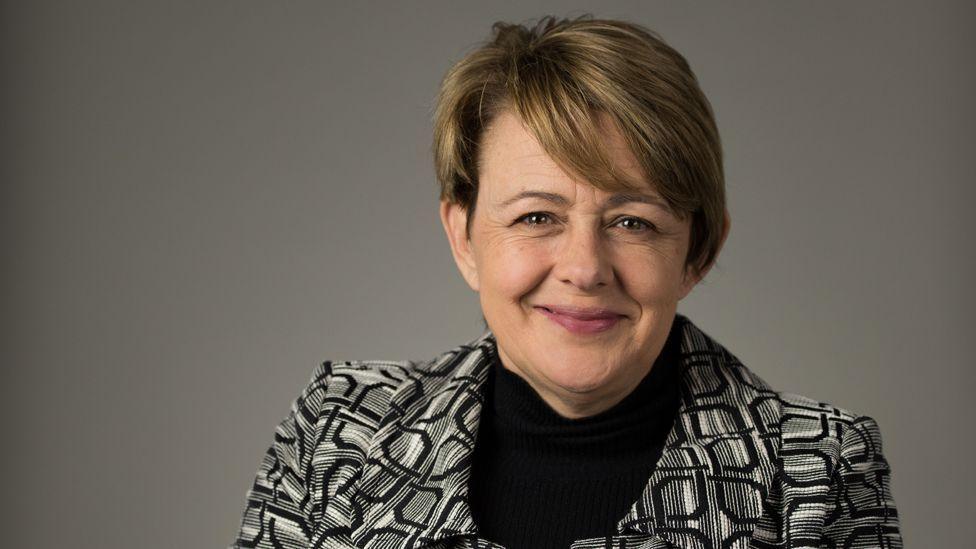
A recent incident involving Baroness Tanni Grey-Thompson has spotlighted the challenges faced by disabled passengers in air travel. The former Paralympian and crossbench peer expressed her humiliation after being wrongly blamed for a flight delay due to her wheelchair. This incident underscores the findings of a UK government-commissioned review, led by Grey-Thompson, which calls for mandatory disability awareness training for all airline and airport staff.
Inconsistent Support for Disabled Passengers
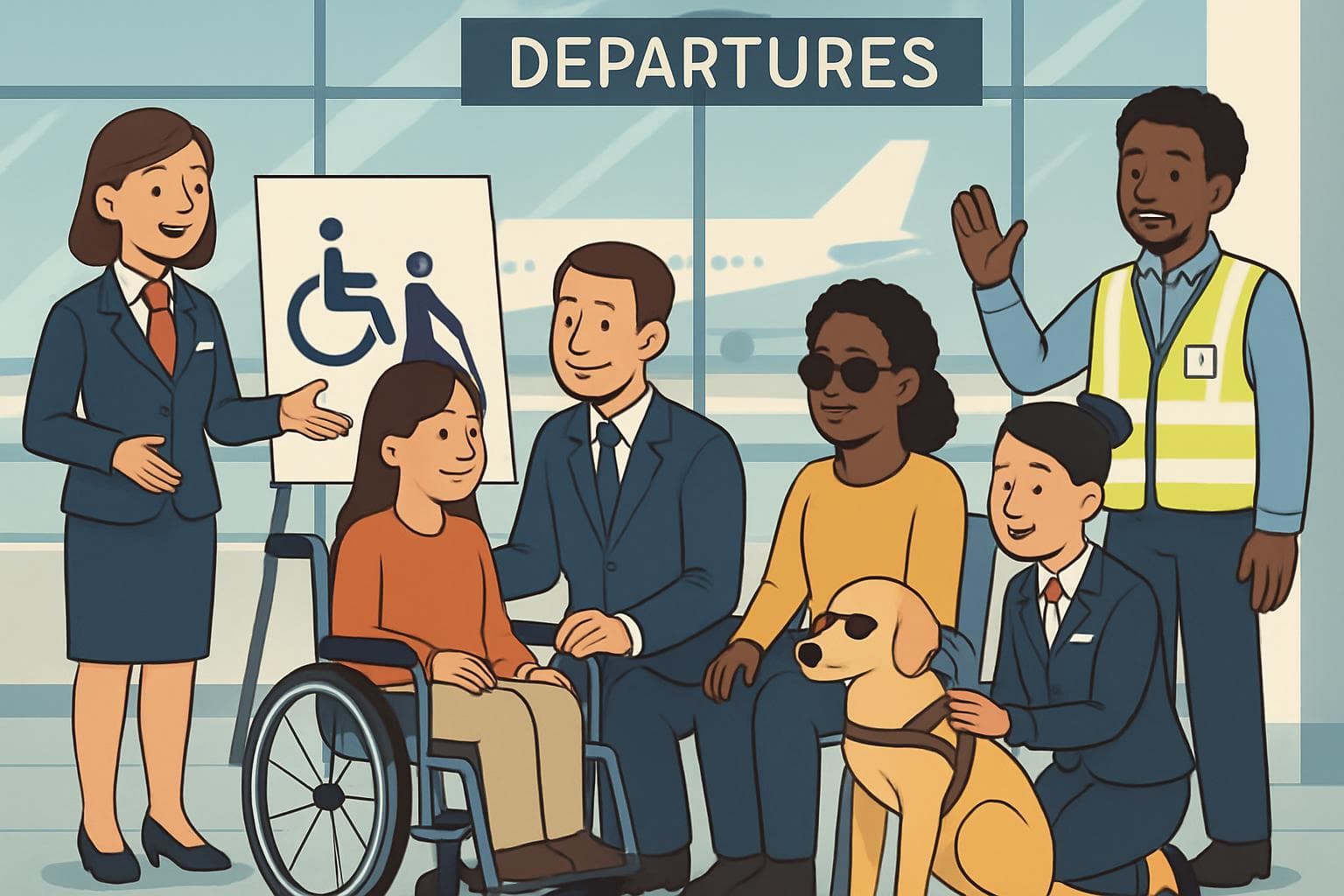
The taskforce's report reveals that disabled passengers often encounter inconsistent and inadequate support when flying. It highlights the need for standardized practices across the aviation industry, particularly concerning mobility aids and guide dogs. Grey-Thompson noted that the lack of universal training leads to confusion and anxiety among passengers, with some experiencing undignified treatment by airport security staff.
Recommendations for Improved Accessibility
The report outlines 19 recommendations aimed at enhancing accessibility for disabled passengers. These include comprehensive disability awareness training for all aviation roles, improved information on mobility equipment, and transparent complaints procedures. The taskforce also emphasizes the importance of understanding non-visible impairments to prevent unintentional exclusion.
Growing Demand for Assistance
According to the Civil Aviation Authority, 5.5 million passengers requested assistance at UK airports in 2024, marking a 40% increase since the pandemic. This growing demand highlights the urgent need for improved support systems. UK Transport Secretary Heidi Alexander supports the taskforce's findings, stating that everyone should travel with dignity and respect.
A Call for Industry Action
While the taskforce acknowledges the challenges posed by the international nature of aviation, it hopes that airlines and airports will adopt the recommendations out of goodwill. Grey-Thompson, who has personally experienced the difficulties faced by disabled travelers, believes that implementing these changes is crucial for making air travel more inclusive.
WHAT THIS MIGHT MEAN
The taskforce's recommendations could significantly impact the aviation industry if adopted. Airlines and airports may need to invest in comprehensive training programs and revise their policies to accommodate disabled passengers better. This could lead to a more inclusive travel experience, reducing the stress and anxiety currently faced by many.
However, the success of these initiatives largely depends on the willingness of industry stakeholders to embrace change. While the recommendations are not enforceable, strong advocacy from government bodies and disability rights organizations could drive progress. If implemented effectively, these measures could set a precedent for international aviation standards, promoting greater accessibility worldwide.
Images from the Web
Related Articles
UK Government's SEND Reforms Spark Debate Over Funding and Accessibility

Middle East Conflict Drives UK Energy Prices to New Highs

Government Announces £4 Billion Overhaul of SEND Support in England

UK Government Announces Major Overhaul of SEND System with £3.4 Billion Investment

Prince Andrew's Ties to Epstein Under Scrutiny Amid Calls for Inquiry

Government Criticized for Mishandling Maccabi Tel Aviv Fan Ban
UK Taskforce Urges Mandatory Disability Training for Airline Staff to Enhance Accessibility
In This Article
 Leila Hassan| Published
 HIGHLIGHTS
- Baroness Tanni Grey-Thompson felt humiliated after being wrongly blamed for a flight delay due to her wheelchair.
- A UK government taskforce recommends mandatory disability awareness training for all airline and airport staff.
- The report highlights inconsistent support for disabled passengers, with 19 recommendations for improvement.
- The Civil Aviation Authority data shows a 40% increase in passengers requesting assistance since the pandemic.
- The taskforce aims to make air travel more inclusive, with support from UK Transport Secretary Heidi Alexander.
A recent incident involving Baroness Tanni Grey-Thompson has spotlighted the challenges faced by disabled passengers in air travel. The former Paralympian and crossbench peer expressed her humiliation after being wrongly blamed for a flight delay due to her wheelchair. This incident underscores the findings of a UK government-commissioned review, led by Grey-Thompson, which calls for mandatory disability awareness training for all airline and airport staff.
Inconsistent Support for Disabled Passengers
The taskforce's report reveals that disabled passengers often encounter inconsistent and inadequate support when flying. It highlights the need for standardized practices across the aviation industry, particularly concerning mobility aids and guide dogs. Grey-Thompson noted that the lack of universal training leads to confusion and anxiety among passengers, with some experiencing undignified treatment by airport security staff.
Recommendations for Improved Accessibility
The report outlines 19 recommendations aimed at enhancing accessibility for disabled passengers. These include comprehensive disability awareness training for all aviation roles, improved information on mobility equipment, and transparent complaints procedures. The taskforce also emphasizes the importance of understanding non-visible impairments to prevent unintentional exclusion.
Growing Demand for Assistance
According to the Civil Aviation Authority, 5.5 million passengers requested assistance at UK airports in 2024, marking a 40% increase since the pandemic. This growing demand highlights the urgent need for improved support systems. UK Transport Secretary Heidi Alexander supports the taskforce's findings, stating that everyone should travel with dignity and respect.
A Call for Industry Action
While the taskforce acknowledges the challenges posed by the international nature of aviation, it hopes that airlines and airports will adopt the recommendations out of goodwill. Grey-Thompson, who has personally experienced the difficulties faced by disabled travelers, believes that implementing these changes is crucial for making air travel more inclusive.
WHAT THIS MIGHT MEAN
The taskforce's recommendations could significantly impact the aviation industry if adopted. Airlines and airports may need to invest in comprehensive training programs and revise their policies to accommodate disabled passengers better. This could lead to a more inclusive travel experience, reducing the stress and anxiety currently faced by many.
However, the success of these initiatives largely depends on the willingness of industry stakeholders to embrace change. While the recommendations are not enforceable, strong advocacy from government bodies and disability rights organizations could drive progress. If implemented effectively, these measures could set a precedent for international aviation standards, promoting greater accessibility worldwide.
Images from the Web
Related Articles
UK Government's SEND Reforms Spark Debate Over Funding and Accessibility
Middle East Conflict Drives UK Energy Prices to New Highs
Government Announces £4 Billion Overhaul of SEND Support in England
UK Government Announces Major Overhaul of SEND System with £3.4 Billion Investment
Prince Andrew's Ties to Epstein Under Scrutiny Amid Calls for Inquiry
Government Criticized for Mishandling Maccabi Tel Aviv Fan Ban