
UK Trade Envoy Resigns Following Controversial Northern Cyprus Visit
In This Article
HIGHLIGHTS
- Afzal Khan resigned as the UK's trade envoy to Turkey after criticism of his visit to Northern Cyprus, a region not recognized by the UK.
- Khan defended his visit as personal, unrelated to his envoy role, and noted that other MPs had visited without backlash.
- The Cypriot government and UK officials condemned the visit, calling it unacceptable and provocative.
- Cyprus welcomed Khan's resignation, viewing it as a strong message against recognizing the Turkish-occupied north.
- The UK government confirmed Khan's resignation, emphasizing the importance of maintaining diplomatic protocols.
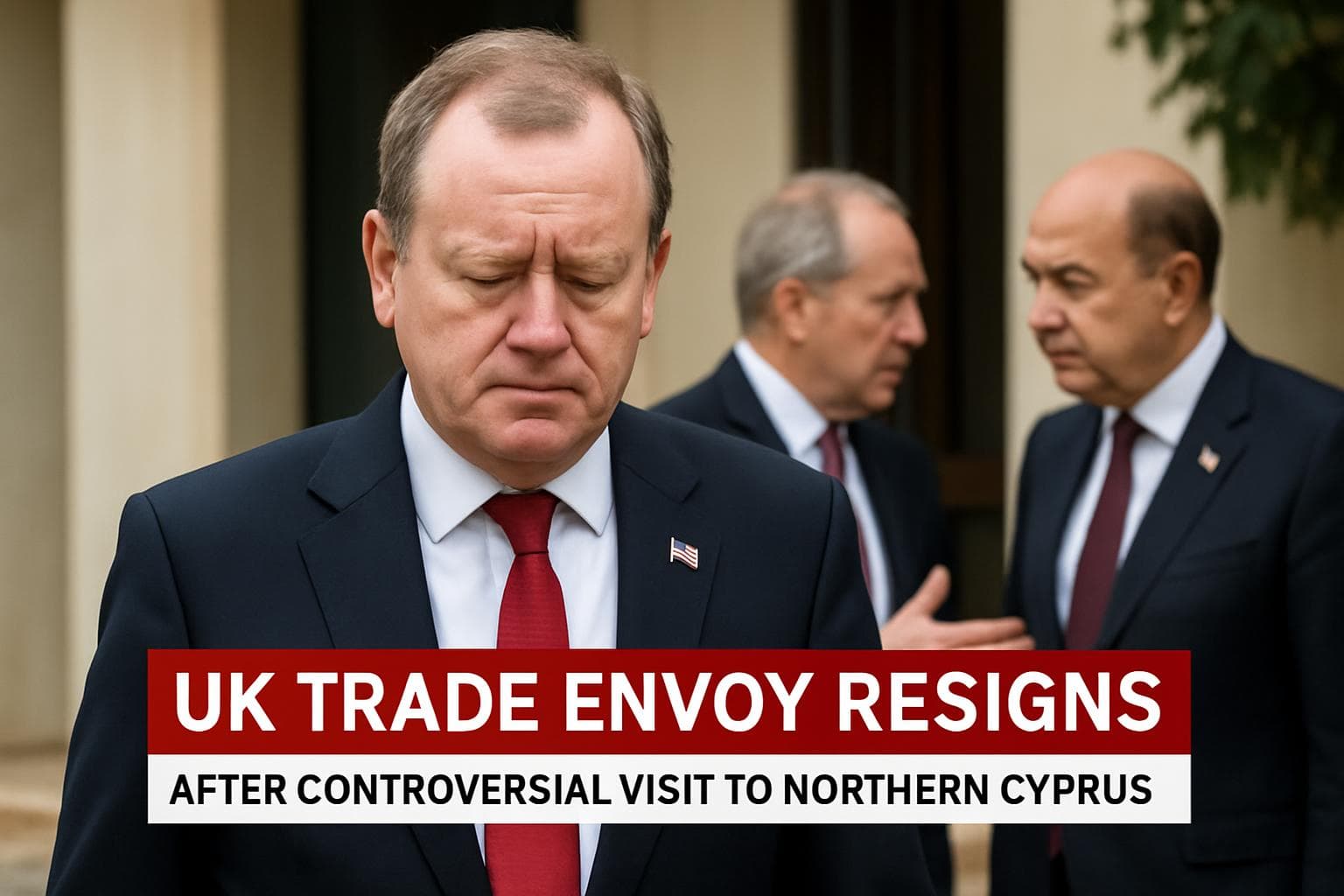
Afzal Khan, the UK's trade envoy to Turkey, has resigned amid widespread criticism over his recent visit to Northern Cyprus, a territory not recognized by the UK. The Labour MP for Manchester Rusholme faced backlash after meeting with Turkish-Cypriot leader Ersin Tatar, an action deemed "absolutely condemnable" by the Cypriot government.
Khan, who visited the region last week, defended his trip as a personal endeavor during the parliamentary recess, emphasizing that it was unrelated to his official duties. He stated that he financed the visit himself, which included attending a family event and receiving an honorary degree. In a letter to Prime Minister Keir Starmer, Khan expressed his decision to resign to avoid distracting from the government's efforts to secure trade deals.
The visit sparked significant controversy, with the Cypriot foreign ministry labeling it an "illegal visit" and a provocative act. They welcomed Khan's resignation, interpreting it as a clear message against any tolerance for the self-declared Turkish Republic of Northern Cyprus, recognized only by Turkey.
The UK government confirmed Khan's departure, with shadow foreign minister Wendy Morton and shadow foreign secretary Dame Priti Patel previously calling for his resignation. Christos Karaolis, President of the National Federation of Cypriots in the UK, stated that Khan's position was untenable following his visit.
The island of Cyprus has been divided since 1974, following a coup aimed at union with Greece, which led to a Turkish military intervention. The north declared independence in 1983, a move condemned by the UN and not recognized by the UK or other nations, except Turkey.
WHAT THIS MIGHT MEAN
Khan's resignation may reinforce the UK's diplomatic stance on the Cyprus conflict, emphasizing non-recognition of the Turkish-occupied north. This incident could lead to stricter protocols for UK officials regarding visits to disputed territories, potentially affecting future diplomatic engagements. The Cypriot government's strong response underscores the ongoing sensitivity surrounding the island's division, highlighting the need for careful navigation of international relations in the region.
Images from the Web

Related Articles
UK Reinforces Military Presence in Cyprus Amid Middle East Tensions

UK-Iran Tensions: Starmer Defends Cautious Approach Amid Trump Criticism
UK Government to Reform Asylum Seeker Support and Employment Policies

UK Faces Dilemmas Amid Iran Conflict and China Spying Allegations

Persistent Safety Concerns in Nottingham Maternity Services Amidst Calls for Systemic Reform
Diplomatic Tensions Rise as Trump Criticizes Starmer's Iran Policy
UK Trade Envoy Resigns Following Controversial Northern Cyprus Visit
In This Article
 Ethan Brooks| Published
 HIGHLIGHTS
- Afzal Khan resigned as the UK's trade envoy to Turkey after criticism of his visit to Northern Cyprus, a region not recognized by the UK.
- Khan defended his visit as personal, unrelated to his envoy role, and noted that other MPs had visited without backlash.
- The Cypriot government and UK officials condemned the visit, calling it unacceptable and provocative.
- Cyprus welcomed Khan's resignation, viewing it as a strong message against recognizing the Turkish-occupied north.
- The UK government confirmed Khan's resignation, emphasizing the importance of maintaining diplomatic protocols.
Afzal Khan, the UK's trade envoy to Turkey, has resigned amid widespread criticism over his recent visit to Northern Cyprus, a territory not recognized by the UK. The Labour MP for Manchester Rusholme faced backlash after meeting with Turkish-Cypriot leader Ersin Tatar, an action deemed "absolutely condemnable" by the Cypriot government.
Khan, who visited the region last week, defended his trip as a personal endeavor during the parliamentary recess, emphasizing that it was unrelated to his official duties. He stated that he financed the visit himself, which included attending a family event and receiving an honorary degree. In a letter to Prime Minister Keir Starmer, Khan expressed his decision to resign to avoid distracting from the government's efforts to secure trade deals.
The visit sparked significant controversy, with the Cypriot foreign ministry labeling it an "illegal visit" and a provocative act. They welcomed Khan's resignation, interpreting it as a clear message against any tolerance for the self-declared Turkish Republic of Northern Cyprus, recognized only by Turkey.
The UK government confirmed Khan's departure, with shadow foreign minister Wendy Morton and shadow foreign secretary Dame Priti Patel previously calling for his resignation. Christos Karaolis, President of the National Federation of Cypriots in the UK, stated that Khan's position was untenable following his visit.
The island of Cyprus has been divided since 1974, following a coup aimed at union with Greece, which led to a Turkish military intervention. The north declared independence in 1983, a move condemned by the UN and not recognized by the UK or other nations, except Turkey.
WHAT THIS MIGHT MEAN
Khan's resignation may reinforce the UK's diplomatic stance on the Cyprus conflict, emphasizing non-recognition of the Turkish-occupied north. This incident could lead to stricter protocols for UK officials regarding visits to disputed territories, potentially affecting future diplomatic engagements. The Cypriot government's strong response underscores the ongoing sensitivity surrounding the island's division, highlighting the need for careful navigation of international relations in the region.
Images from the Web
Related Articles
UK Reinforces Military Presence in Cyprus Amid Middle East Tensions
UK-Iran Tensions: Starmer Defends Cautious Approach Amid Trump Criticism
UK Government to Reform Asylum Seeker Support and Employment Policies
UK Faces Dilemmas Amid Iran Conflict and China Spying Allegations
Persistent Safety Concerns in Nottingham Maternity Services Amidst Calls for Systemic Reform
Diplomatic Tensions Rise as Trump Criticizes Starmer's Iran Policy