
Calls Intensify to Preserve Education Plans for Children with Special Needs Amid Reform Proposals
In This Article
HIGHLIGHTS
- Campaigners and parents are urging the government to retain Education, Health and Care Plans (EHCPs) for children with special educational needs and disabilities (Send).
- Over 600,000 children rely on EHCPs, which are at risk of being reduced or abolished under proposed education reforms.
- The Save Our Children's Rights campaign has gained significant support, with over 100,000 signatures on a petition to retain EHCPs.
- Education Secretary Bridget Phillipson has stated that no final decisions have been made regarding the future of EHCPs.
- Critics argue that removing EHCPs could lead to increased pressure on special schools and deny children access to necessary educational support.
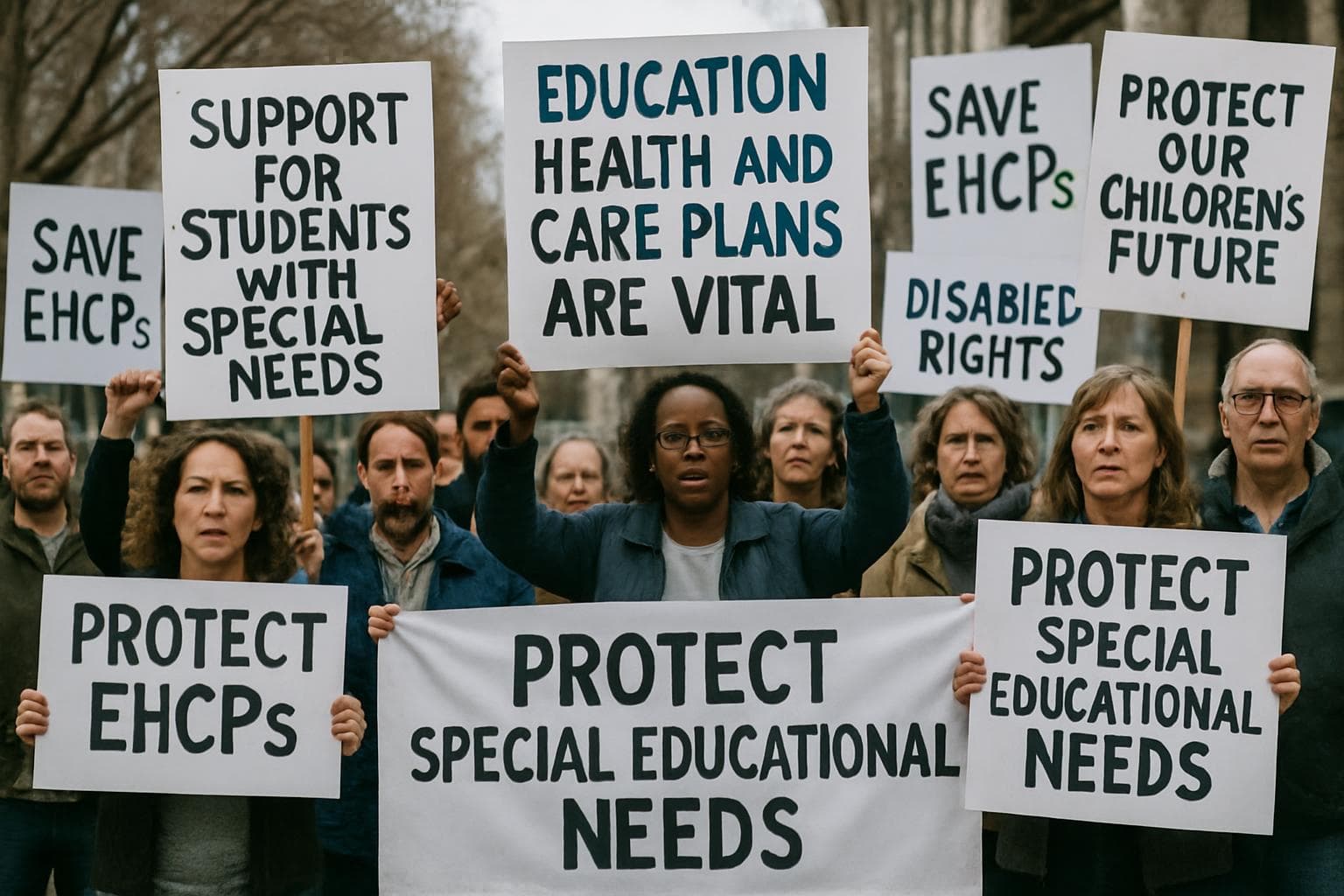
As the UK government considers sweeping reforms to special needs education, campaigners and parents are rallying to protect the Education, Health and Care Plans (EHCPs) that serve as a lifeline for over 600,000 children with special educational needs and disabilities (Send). These legally binding documents ensure that children receive the necessary support to thrive in mainstream education settings.
The Debate Over EHCPs
The potential overhaul of EHCPs has sparked widespread concern among parents, educators, and disability rights advocates. The Save Our Children's Rights campaign, a coalition of charities and advocacy groups, has rapidly gained traction, amassing over 100,000 signatures on a petition urging the government to retain these crucial plans. The campaign argues that removing EHCPs would not only deny children vital educational support but also exacerbate the strain on already overcrowded special schools.
Government's Position and Public Response
Education Secretary Bridget Phillipson has acknowledged the complexity of the issue, emphasizing that no definitive decisions have been made regarding the future of EHCPs. However, critics, including shadow education minister Neil O'Brien, have accused the government of inconsistency and broken promises. O'Brien highlighted the government's failure to deliver on previous commitments, such as increasing the number of teachers, as evidence of its lack of credibility.
Impact on Families and Schools
For families of children with Send, the potential loss of EHCPs is a daunting prospect. These plans are not only a legal safeguard but also a critical tool for ensuring that children receive tailored educational support. Without them, many fear that children will be left without the resources they need to succeed in mainstream education, leading to increased applications for special schools or, worse, exclusion from education altogether.
Campaigners' Call to Action
The campaign to preserve EHCPs has garnered support from high-profile figures, including broadcaster Chris Packham and actor Sally Phillips, who have joined forces with academics and disability rights organizations. Their collective message is clear: the rights of children with special needs must be protected, and any reforms should prioritize enhancing, not diminishing, the support available to these vulnerable students.
WHAT THIS MIGHT MEAN
As the government prepares to unveil its education white paper in October, the future of EHCPs remains uncertain. If the proposed reforms include phasing out these plans, it could trigger significant political backlash and further strain the relationship between the government and disability rights advocates. Experts warn that without EHCPs, the burden on special schools could become unsustainable, potentially leading to a crisis in special needs education. Moving forward, the government will need to carefully balance fiscal considerations with the moral imperative to support all children in achieving their educational potential.
Related Articles

Government Announces £4 Billion Overhaul of SEND Support in England

UK Government Announces Major Overhaul of SEND System with £3.4 Billion Investment
Government Unveils Ambitious Plan to Halve Attainment Gap in England's Schools

UK Government's SEND Reforms: A Critical Turning Point for Special Education
UK Government's SEND Reforms Spark Debate Over Funding and Accessibility

Middle East Conflict Drives UK Energy Prices to New Highs
Calls Intensify to Preserve Education Plans for Children with Special Needs Amid Reform Proposals
In This Article
 Aya Nakamura| Published
 HIGHLIGHTS
- Campaigners and parents are urging the government to retain Education, Health and Care Plans (EHCPs) for children with special educational needs and disabilities (Send).
- Over 600,000 children rely on EHCPs, which are at risk of being reduced or abolished under proposed education reforms.
- The Save Our Children's Rights campaign has gained significant support, with over 100,000 signatures on a petition to retain EHCPs.
- Education Secretary Bridget Phillipson has stated that no final decisions have been made regarding the future of EHCPs.
- Critics argue that removing EHCPs could lead to increased pressure on special schools and deny children access to necessary educational support.
As the UK government considers sweeping reforms to special needs education, campaigners and parents are rallying to protect the Education, Health and Care Plans (EHCPs) that serve as a lifeline for over 600,000 children with special educational needs and disabilities (Send). These legally binding documents ensure that children receive the necessary support to thrive in mainstream education settings.
The Debate Over EHCPs
The potential overhaul of EHCPs has sparked widespread concern among parents, educators, and disability rights advocates. The Save Our Children's Rights campaign, a coalition of charities and advocacy groups, has rapidly gained traction, amassing over 100,000 signatures on a petition urging the government to retain these crucial plans. The campaign argues that removing EHCPs would not only deny children vital educational support but also exacerbate the strain on already overcrowded special schools.
Government's Position and Public Response
Education Secretary Bridget Phillipson has acknowledged the complexity of the issue, emphasizing that no definitive decisions have been made regarding the future of EHCPs. However, critics, including shadow education minister Neil O'Brien, have accused the government of inconsistency and broken promises. O'Brien highlighted the government's failure to deliver on previous commitments, such as increasing the number of teachers, as evidence of its lack of credibility.
Impact on Families and Schools
For families of children with Send, the potential loss of EHCPs is a daunting prospect. These plans are not only a legal safeguard but also a critical tool for ensuring that children receive tailored educational support. Without them, many fear that children will be left without the resources they need to succeed in mainstream education, leading to increased applications for special schools or, worse, exclusion from education altogether.
Campaigners' Call to Action
The campaign to preserve EHCPs has garnered support from high-profile figures, including broadcaster Chris Packham and actor Sally Phillips, who have joined forces with academics and disability rights organizations. Their collective message is clear: the rights of children with special needs must be protected, and any reforms should prioritize enhancing, not diminishing, the support available to these vulnerable students.
WHAT THIS MIGHT MEAN
As the government prepares to unveil its education white paper in October, the future of EHCPs remains uncertain. If the proposed reforms include phasing out these plans, it could trigger significant political backlash and further strain the relationship between the government and disability rights advocates. Experts warn that without EHCPs, the burden on special schools could become unsustainable, potentially leading to a crisis in special needs education. Moving forward, the government will need to carefully balance fiscal considerations with the moral imperative to support all children in achieving their educational potential.
Related Articles
Government Announces £4 Billion Overhaul of SEND Support in England
UK Government Announces Major Overhaul of SEND System with £3.4 Billion Investment
Government Unveils Ambitious Plan to Halve Attainment Gap in England's Schools
UK Government's SEND Reforms: A Critical Turning Point for Special Education
UK Government's SEND Reforms Spark Debate Over Funding and Accessibility
Middle East Conflict Drives UK Energy Prices to New Highs