
Urgent Call to Address Vaccine Hesitancy Amid Rising Measles Cases in the UK
In This Article
HIGHLIGHTS
- Ethnic minority groups in Scotland show lower vaccination rates, with only 75% of African children receiving the second MMR dose by age five.
- Measles cases are rising in the UK, with a recent child death in Liverpool highlighting the urgency of increasing vaccination uptake.
- Public Health Scotland identifies mistrust, lack of culturally appropriate information, and inflexible appointments as barriers to vaccine uptake.
- The UK government proposes a new health visitor model to boost vaccination rates and address misinformation and hesitancy.
- Experts emphasize the critical role of vaccines in preventing infectious diseases and protecting public health.
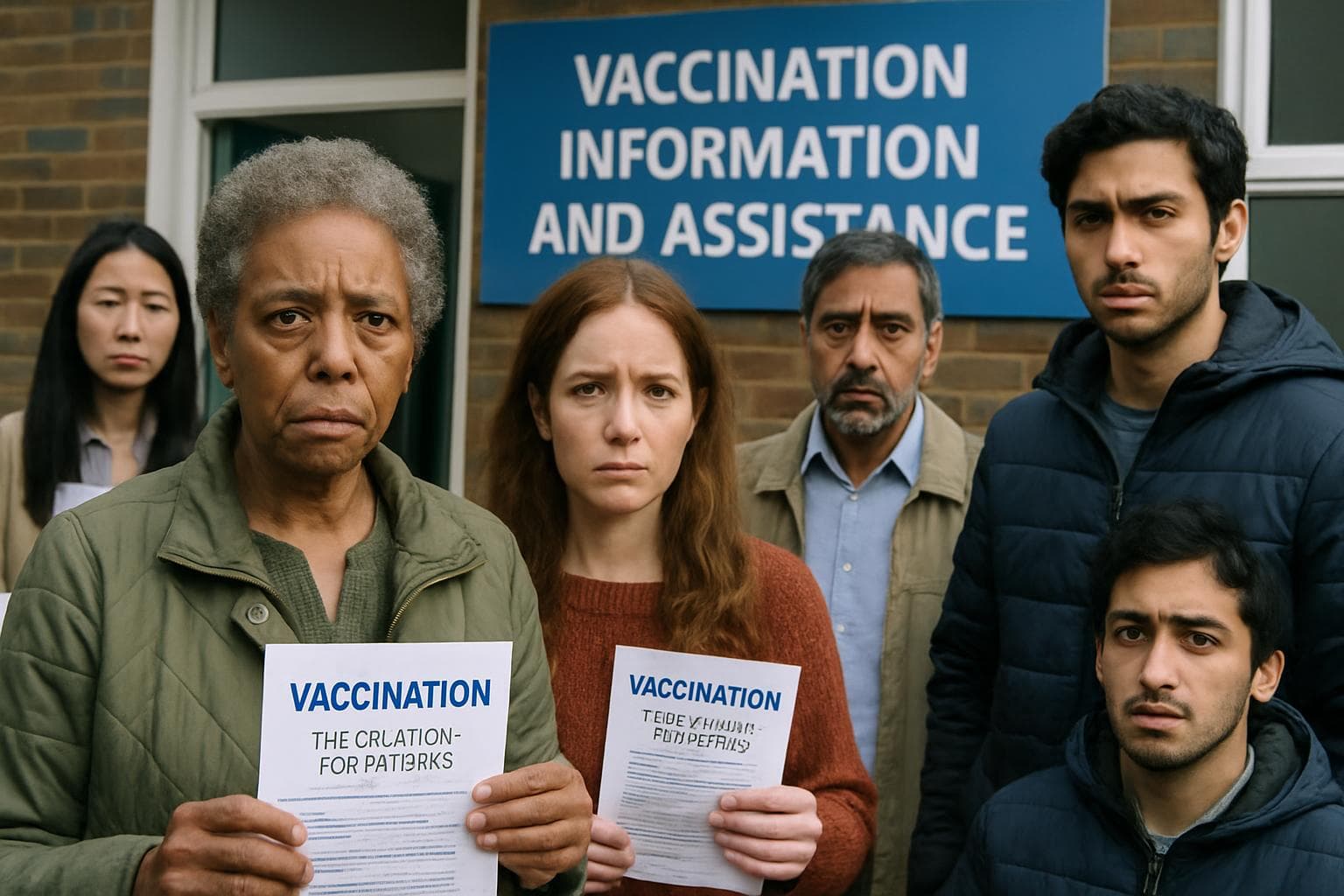
The recent surge in measles cases across the UK, culminating in the tragic death of a child in Liverpool, underscores the pressing need to address vaccine hesitancy, particularly among ethnic minority groups. Public Health Scotland's data reveals significant disparities in vaccination rates, with only 75% of African children receiving the second dose of the MMR vaccine by age five, compared to higher rates in other ethnic groups.
Disparities in Vaccination Rates
The breakdown of childhood vaccination data by ethnicity for the first time last year highlighted concerning trends. While the World Health Organization (WHO) recommends a 95% vaccination rate for herd immunity, many ethnic minority groups in Scotland fall short of this target. For instance, only 83.8% of Caribbean or Black children and 87.3% of Asian children received the second MMR dose by age five.
Barriers to Vaccine Uptake
Public Health Scotland has identified several barriers contributing to lower vaccination rates among ethnic minorities. These include a lack of trust in health organizations, insufficient culturally and linguistically appropriate information, and inflexible vaccination appointments. Social media has also played a role in spreading misinformation about vaccines, exacerbating hesitancy.
Government Initiatives and Expert Opinions
In response to these challenges, the UK government has proposed a new health visitor model as part of its 10-year NHS plan. This initiative aims to encourage vaccinations within communities and tackle misinformation and hesitancy. Experts like Dr. Antonia Ho, a professor of infectious diseases, emphasize the importance of delivering vaccines beyond traditional healthcare settings to increase accessibility.
Vaccines remain one of the most effective public health measures against infectious diseases, yet vaccine hesitancy is now considered one of the top global health threats. Experts urge public health authorities to intensify efforts to bring vaccines directly to families, thereby increasing uptake and safeguarding public health.
WHAT THIS MIGHT MEAN
The rising measles cases and disparities in vaccination rates among ethnic minorities could prompt further government action to enhance public health strategies. If the proposed health visitor model proves successful, it may serve as a blueprint for similar initiatives targeting other vaccines. However, overcoming vaccine hesitancy will require sustained efforts to build trust and provide culturally sensitive information. Experts warn that without addressing these barriers, the UK risks further outbreaks of preventable diseases, threatening public health and safety.
Related Articles

UK Government to Reform Asylum Seeker Support and Employment Policies
Persistent Safety Concerns in Nottingham Maternity Services Amidst Calls for Systemic Reform

UK Faces Dilemmas Amid Iran Conflict and China Spying Allegations

UK Reinforces Military Presence in Cyprus Amid Middle East Tensions

UK-Iran Tensions: Starmer Defends Cautious Approach Amid Trump Criticism

Diplomatic Tensions Rise as Trump Criticizes Starmer's Iran Policy
Urgent Call to Address Vaccine Hesitancy Amid Rising Measles Cases in the UK
In This Article
 Ethan Brooks| Published
 HIGHLIGHTS
- Ethnic minority groups in Scotland show lower vaccination rates, with only 75% of African children receiving the second MMR dose by age five.
- Measles cases are rising in the UK, with a recent child death in Liverpool highlighting the urgency of increasing vaccination uptake.
- Public Health Scotland identifies mistrust, lack of culturally appropriate information, and inflexible appointments as barriers to vaccine uptake.
- The UK government proposes a new health visitor model to boost vaccination rates and address misinformation and hesitancy.
- Experts emphasize the critical role of vaccines in preventing infectious diseases and protecting public health.
The recent surge in measles cases across the UK, culminating in the tragic death of a child in Liverpool, underscores the pressing need to address vaccine hesitancy, particularly among ethnic minority groups. Public Health Scotland's data reveals significant disparities in vaccination rates, with only 75% of African children receiving the second dose of the MMR vaccine by age five, compared to higher rates in other ethnic groups.
Disparities in Vaccination Rates
The breakdown of childhood vaccination data by ethnicity for the first time last year highlighted concerning trends. While the World Health Organization (WHO) recommends a 95% vaccination rate for herd immunity, many ethnic minority groups in Scotland fall short of this target. For instance, only 83.8% of Caribbean or Black children and 87.3% of Asian children received the second MMR dose by age five.
Barriers to Vaccine Uptake
Public Health Scotland has identified several barriers contributing to lower vaccination rates among ethnic minorities. These include a lack of trust in health organizations, insufficient culturally and linguistically appropriate information, and inflexible vaccination appointments. Social media has also played a role in spreading misinformation about vaccines, exacerbating hesitancy.
Government Initiatives and Expert Opinions
In response to these challenges, the UK government has proposed a new health visitor model as part of its 10-year NHS plan. This initiative aims to encourage vaccinations within communities and tackle misinformation and hesitancy. Experts like Dr. Antonia Ho, a professor of infectious diseases, emphasize the importance of delivering vaccines beyond traditional healthcare settings to increase accessibility.
Vaccines remain one of the most effective public health measures against infectious diseases, yet vaccine hesitancy is now considered one of the top global health threats. Experts urge public health authorities to intensify efforts to bring vaccines directly to families, thereby increasing uptake and safeguarding public health.
WHAT THIS MIGHT MEAN
The rising measles cases and disparities in vaccination rates among ethnic minorities could prompt further government action to enhance public health strategies. If the proposed health visitor model proves successful, it may serve as a blueprint for similar initiatives targeting other vaccines. However, overcoming vaccine hesitancy will require sustained efforts to build trust and provide culturally sensitive information. Experts warn that without addressing these barriers, the UK risks further outbreaks of preventable diseases, threatening public health and safety.
Related Articles
UK Government to Reform Asylum Seeker Support and Employment Policies
Persistent Safety Concerns in Nottingham Maternity Services Amidst Calls for Systemic Reform
UK Faces Dilemmas Amid Iran Conflict and China Spying Allegations
UK Reinforces Military Presence in Cyprus Amid Middle East Tensions
UK-Iran Tensions: Starmer Defends Cautious Approach Amid Trump Criticism
Diplomatic Tensions Rise as Trump Criticizes Starmer's Iran Policy