
UK Watchdog Bans Nike, Superdry, and Lacoste Ads Over Misleading Green Claims
In This Article
HIGHLIGHTS
- The Advertising Standards Authority (ASA) banned ads from Nike, Superdry, and Lacoste for misleading sustainability claims.
- The ASA found the use of terms like "sustainable materials" and "sustainable style" lacked sufficient evidence.
- Nike, Superdry, and Lacoste failed to provide clear substantiation for their environmental claims, leading to the ban.
- The ASA's actions are part of a broader effort to curb misleading green claims in advertising.
- Future promotions by these brands must include a high level of substantiation for sustainability claims.
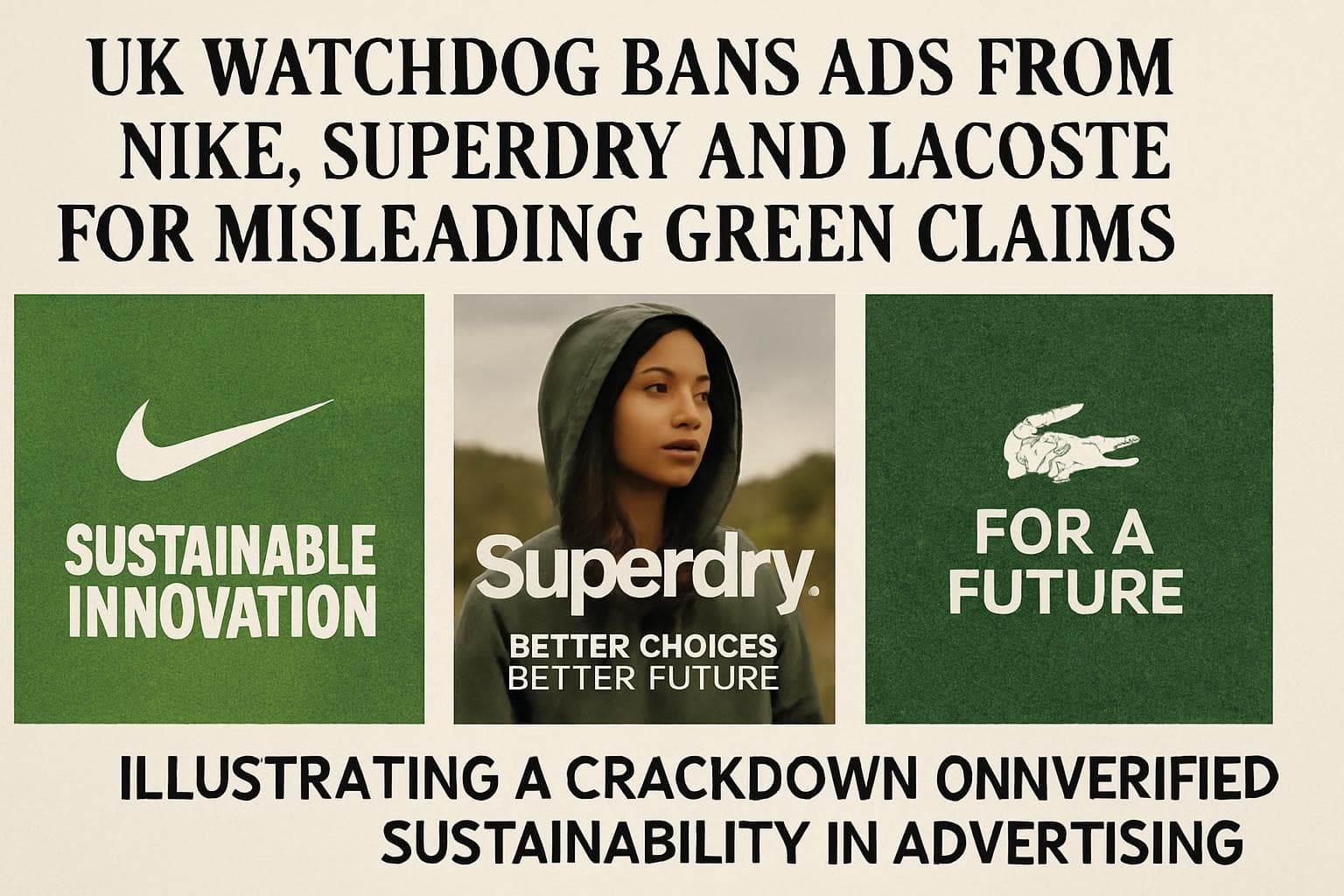
The UK's Advertising Standards Authority (ASA) has banned advertisements from Nike, Superdry, and Lacoste, citing misleading claims about the environmental sustainability of their products. The watchdog's decision underscores a growing crackdown on "greenwashing" in the advertising industry.
Misleading Sustainability Claims
The ASA scrutinized paid-for Google ads from the three retailers, which used terms such as "sustainable materials" and "sustainable style" without providing adequate evidence to support these claims. According to the ASA, the UK's advertising code mandates that environmental claims must be clear and backed by substantial evidence.
Nike's advertisement for tennis polo shirts claimed the use of "sustainable materials." The company argued that the promotion was framed in general terms, suggesting that some, but not all, of its products incorporated recycled materials. However, the ASA ruled that Nike failed to provide qualifying details to substantiate its sustainability claims.
Similarly, Superdry's advertisement encouraged consumers to "unlock a wardrobe that combines style and sustainability." The retailer contended that the ad highlighted its wide range of products with sustainability attributes. Yet, the ASA found the claims ambiguous and lacking in clarity, potentially misleading consumers into believing all Superdry products were sustainable.
Lacoste's promotion of its kids' clothing range as "sustainable" also fell short of the ASA's standards. While the company stated it had been working to reduce its carbon footprint, it admitted that substantiating claims like "green" and "eco-friendly" was challenging. The ASA concluded that Lacoste's claims were not adequately supported by evidence.
Broader Implications
The ASA's actions are part of a wider initiative to address misleading green claims in advertising. The watchdog has been employing artificial intelligence to identify ads that potentially violate its rules. A spokesperson for Nike stated, "We have engaged with the UK Advertising Standards Authority on this matter and have taken the necessary required actions."
Superdry and Lacoste were also asked to comment on the ASA's rulings. The watchdog emphasized that future promotions by these brands must include a high level of substantiation for any sustainability claims.
WHAT THIS MIGHT MEAN
The ASA's decision to ban these advertisements highlights the increasing scrutiny on brands making unsubstantiated environmental claims. As consumer awareness of sustainability grows, companies may face heightened pressure to provide transparent and verifiable information about their products' environmental impact. This could lead to more stringent regulations and a shift towards more honest marketing practices.
In the long term, brands might need to invest in more sustainable practices and supply chain transparency to meet consumer expectations and regulatory standards. Failure to adapt could result in reputational damage and potential legal challenges. As the advertising landscape evolves, companies will likely need to balance marketing strategies with genuine commitments to sustainability.
Related Articles
Nike Faces Federal Investigation Over Alleged Discrimination Against White Workers
Tech Giants Pledge to Cover AI Data Center Energy Costs Amid Rising Electricity Concerns

Google Faces Legal Battle Over AI Chatbot's Alleged Role in Tragic Death

Zuckerberg Defends Meta in Landmark Social Media Addiction Trial

TfL Advert Banned for Reinforcing Harmful Racial Stereotypes
Apple and Google Agree to UK App Store Changes Amid Market Dominance Concerns
UK Watchdog Bans Nike, Superdry, and Lacoste Ads Over Misleading Green Claims
In This Article
 Aya Nakamura| Published
 HIGHLIGHTS
- The Advertising Standards Authority (ASA) banned ads from Nike, Superdry, and Lacoste for misleading sustainability claims.
- The ASA found the use of terms like "sustainable materials" and "sustainable style" lacked sufficient evidence.
- Nike, Superdry, and Lacoste failed to provide clear substantiation for their environmental claims, leading to the ban.
- The ASA's actions are part of a broader effort to curb misleading green claims in advertising.
- Future promotions by these brands must include a high level of substantiation for sustainability claims.
The UK's Advertising Standards Authority (ASA) has banned advertisements from Nike, Superdry, and Lacoste, citing misleading claims about the environmental sustainability of their products. The watchdog's decision underscores a growing crackdown on "greenwashing" in the advertising industry.
Misleading Sustainability Claims
The ASA scrutinized paid-for Google ads from the three retailers, which used terms such as "sustainable materials" and "sustainable style" without providing adequate evidence to support these claims. According to the ASA, the UK's advertising code mandates that environmental claims must be clear and backed by substantial evidence.
Nike's advertisement for tennis polo shirts claimed the use of "sustainable materials." The company argued that the promotion was framed in general terms, suggesting that some, but not all, of its products incorporated recycled materials. However, the ASA ruled that Nike failed to provide qualifying details to substantiate its sustainability claims.
Similarly, Superdry's advertisement encouraged consumers to "unlock a wardrobe that combines style and sustainability." The retailer contended that the ad highlighted its wide range of products with sustainability attributes. Yet, the ASA found the claims ambiguous and lacking in clarity, potentially misleading consumers into believing all Superdry products were sustainable.
Lacoste's promotion of its kids' clothing range as "sustainable" also fell short of the ASA's standards. While the company stated it had been working to reduce its carbon footprint, it admitted that substantiating claims like "green" and "eco-friendly" was challenging. The ASA concluded that Lacoste's claims were not adequately supported by evidence.
Broader Implications
The ASA's actions are part of a wider initiative to address misleading green claims in advertising. The watchdog has been employing artificial intelligence to identify ads that potentially violate its rules. A spokesperson for Nike stated, "We have engaged with the UK Advertising Standards Authority on this matter and have taken the necessary required actions."
Superdry and Lacoste were also asked to comment on the ASA's rulings. The watchdog emphasized that future promotions by these brands must include a high level of substantiation for any sustainability claims.
WHAT THIS MIGHT MEAN
The ASA's decision to ban these advertisements highlights the increasing scrutiny on brands making unsubstantiated environmental claims. As consumer awareness of sustainability grows, companies may face heightened pressure to provide transparent and verifiable information about their products' environmental impact. This could lead to more stringent regulations and a shift towards more honest marketing practices.
In the long term, brands might need to invest in more sustainable practices and supply chain transparency to meet consumer expectations and regulatory standards. Failure to adapt could result in reputational damage and potential legal challenges. As the advertising landscape evolves, companies will likely need to balance marketing strategies with genuine commitments to sustainability.
Related Articles
Nike Faces Federal Investigation Over Alleged Discrimination Against White Workers
Tech Giants Pledge to Cover AI Data Center Energy Costs Amid Rising Electricity Concerns
Google Faces Legal Battle Over AI Chatbot's Alleged Role in Tragic Death
Zuckerberg Defends Meta in Landmark Social Media Addiction Trial
TfL Advert Banned for Reinforcing Harmful Racial Stereotypes
Apple and Google Agree to UK App Store Changes Amid Market Dominance Concerns