
Nike Faces Federal Investigation Over Alleged Discrimination Against White Workers
In This Article
HIGHLIGHTS
- The US Equal Employment Opportunity Commission (EEOC) is investigating Nike for alleged discrimination against white employees and applicants.
- The investigation, initiated by a complaint from America First Legal, demands records from Nike dating back to 2018.
- Nike has submitted extensive documentation to the EEOC, asserting compliance with anti-discrimination laws.
- The probe is part of a broader Trump administration effort to scrutinize diversity, equity, and inclusion (DEI) initiatives.
- EEOC Chair Andrea Lucas emphasizes the agency's commitment to enforcing Title VII's colorblind approach to race-based employment discrimination.
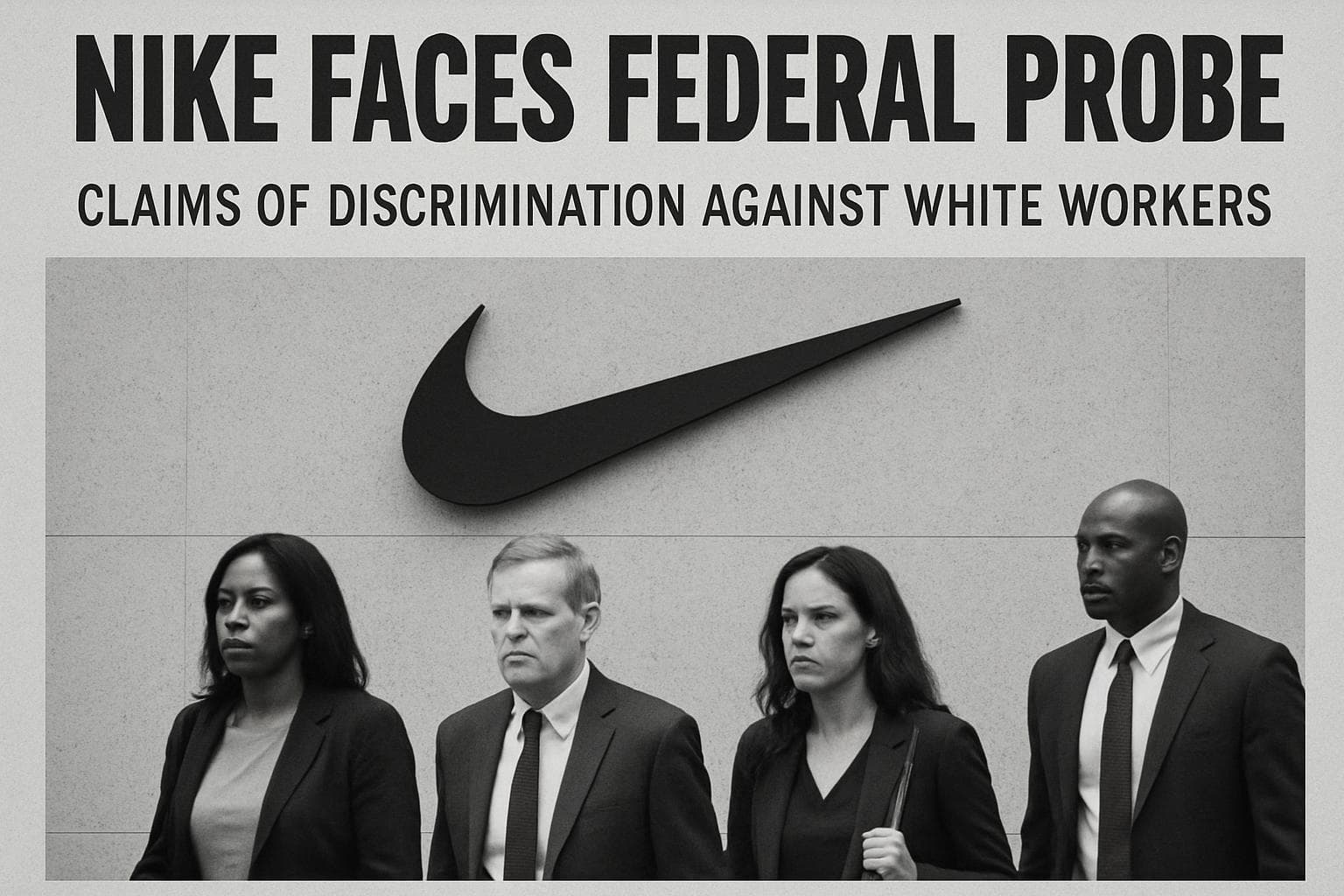
The US Equal Employment Opportunity Commission (EEOC) has launched a comprehensive investigation into Nike, scrutinizing claims that the global sportswear giant discriminated against white employees and job applicants. This inquiry, which has sparked significant attention, forms part of a broader initiative by the Trump administration to reassess diversity, equity, and inclusion (DEI) programs across various sectors.
Investigation Details and Nike's Response
The EEOC's investigation, announced on Wednesday, demands that Nike provide detailed records dating back to 2018. These records include information on the company's DEI-related targets and objectives, as well as data on race and ethnicity used in employment decisions. The probe follows a 2024 complaint from America First Legal, an organization founded by Trump adviser Stephen Miller, which prioritizes dismantling DEI initiatives.
Nike, describing the investigation as "surprising and unusual," maintains that it adheres to all applicable anti-discrimination laws. A company spokesperson stated, "We have had extensive, good-faith participation in an EEOC inquiry into our personnel practices, programs, and decisions." Nike has already submitted thousands of pages of information to the EEOC, arguing that the investigation should be dropped due to its focus on diversity policies previously supported by the federal agency.
Broader Context and Political Implications
The investigation into Nike is emblematic of a wider crackdown on DEI initiatives under the Trump administration. On his first day back in office, President Trump signed orders terminating equity-related grants and contracts, and requiring federal contractors to certify non-promotion of DEI. EEOC Chair Andrea Lucas, appointed by Trump, has been vocal about enforcing Title VII's prohibition of race-based employment discrimination in a colorblind manner.
Lucas stated, "When there are compelling indications that an employer’s DEI-related programs may violate federal prohibitions against race discrimination, the EEOC will take all necessary steps to investigate." This stance aligns with the administration's agenda to scrutinize and potentially dismantle DEI programs in both corporate and academic settings.
WHAT THIS MIGHT MEAN
The outcome of the EEOC's investigation into Nike could have significant implications for corporate diversity policies nationwide. If the agency finds evidence of discrimination, it may lead to legal actions against Nike and potentially influence other companies to reevaluate their DEI initiatives. Experts suggest that this case could set a precedent for how DEI programs are implemented and monitored in the future.
Politically, the investigation underscores the Trump administration's commitment to reshaping the narrative around workplace diversity. As the EEOC continues to probe similar cases, companies may face increased pressure to balance DEI efforts with compliance to federal anti-discrimination laws. The evolving legal landscape may prompt businesses to adopt more transparent and inclusive practices that withstand regulatory scrutiny.
Related Articles
Tech Giants Pledge to Cover AI Data Center Energy Costs Amid Rising Electricity Concerns

US Military Strikes on Alleged Drug Boats Raise Legal Concerns

Geneva Peace Talks: Russia and Ukraine Seek Resolution Amid Ongoing Conflict
Clintons to Testify as Epstein Files Spark Allegations of Cover-Up
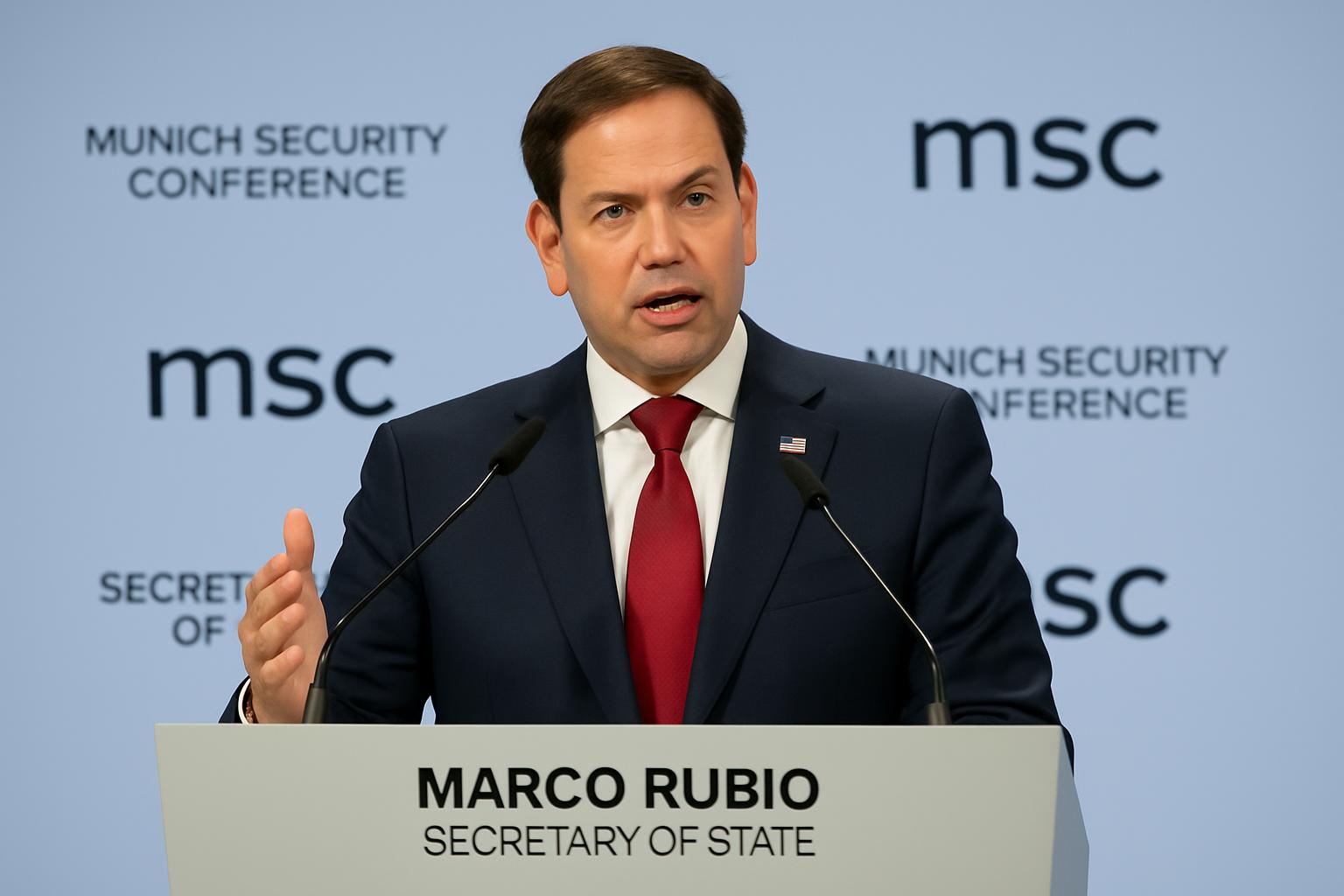
Rubio Reaffirms US Commitment to Europe Amid Criticisms at Munich Conference
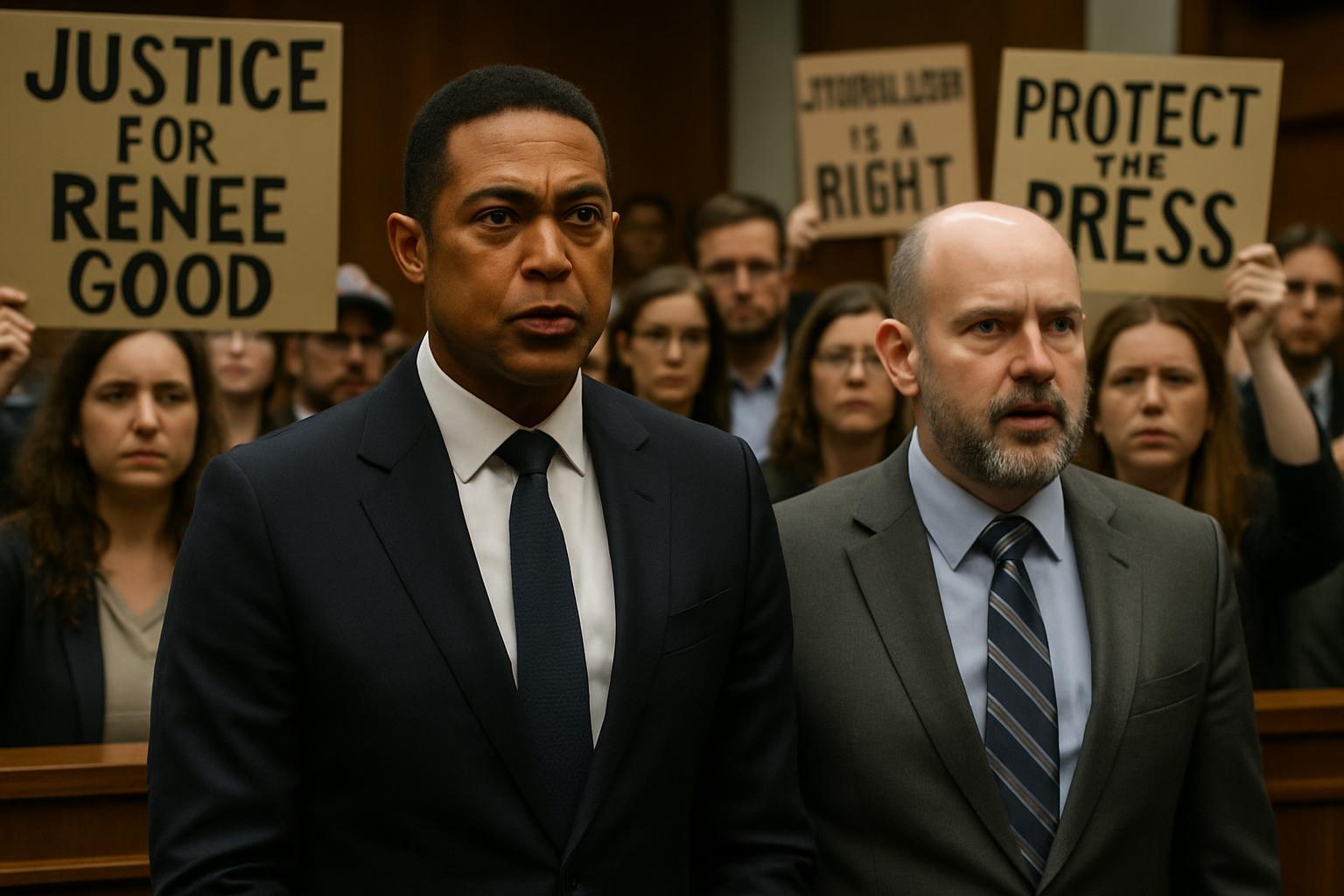
Don Lemon Pleads Not Guilty in Minnesota Church Protest Case
Nike Faces Federal Investigation Over Alleged Discrimination Against White Workers
In This Article
 Marcus Blake| Published
 HIGHLIGHTS
- The US Equal Employment Opportunity Commission (EEOC) is investigating Nike for alleged discrimination against white employees and applicants.
- The investigation, initiated by a complaint from America First Legal, demands records from Nike dating back to 2018.
- Nike has submitted extensive documentation to the EEOC, asserting compliance with anti-discrimination laws.
- The probe is part of a broader Trump administration effort to scrutinize diversity, equity, and inclusion (DEI) initiatives.
- EEOC Chair Andrea Lucas emphasizes the agency's commitment to enforcing Title VII's colorblind approach to race-based employment discrimination.
The US Equal Employment Opportunity Commission (EEOC) has launched a comprehensive investigation into Nike, scrutinizing claims that the global sportswear giant discriminated against white employees and job applicants. This inquiry, which has sparked significant attention, forms part of a broader initiative by the Trump administration to reassess diversity, equity, and inclusion (DEI) programs across various sectors.
Investigation Details and Nike's Response
The EEOC's investigation, announced on Wednesday, demands that Nike provide detailed records dating back to 2018. These records include information on the company's DEI-related targets and objectives, as well as data on race and ethnicity used in employment decisions. The probe follows a 2024 complaint from America First Legal, an organization founded by Trump adviser Stephen Miller, which prioritizes dismantling DEI initiatives.
Nike, describing the investigation as "surprising and unusual," maintains that it adheres to all applicable anti-discrimination laws. A company spokesperson stated, "We have had extensive, good-faith participation in an EEOC inquiry into our personnel practices, programs, and decisions." Nike has already submitted thousands of pages of information to the EEOC, arguing that the investigation should be dropped due to its focus on diversity policies previously supported by the federal agency.
Broader Context and Political Implications
The investigation into Nike is emblematic of a wider crackdown on DEI initiatives under the Trump administration. On his first day back in office, President Trump signed orders terminating equity-related grants and contracts, and requiring federal contractors to certify non-promotion of DEI. EEOC Chair Andrea Lucas, appointed by Trump, has been vocal about enforcing Title VII's prohibition of race-based employment discrimination in a colorblind manner.
Lucas stated, "When there are compelling indications that an employer’s DEI-related programs may violate federal prohibitions against race discrimination, the EEOC will take all necessary steps to investigate." This stance aligns with the administration's agenda to scrutinize and potentially dismantle DEI programs in both corporate and academic settings.
WHAT THIS MIGHT MEAN
The outcome of the EEOC's investigation into Nike could have significant implications for corporate diversity policies nationwide. If the agency finds evidence of discrimination, it may lead to legal actions against Nike and potentially influence other companies to reevaluate their DEI initiatives. Experts suggest that this case could set a precedent for how DEI programs are implemented and monitored in the future.
Politically, the investigation underscores the Trump administration's commitment to reshaping the narrative around workplace diversity. As the EEOC continues to probe similar cases, companies may face increased pressure to balance DEI efforts with compliance to federal anti-discrimination laws. The evolving legal landscape may prompt businesses to adopt more transparent and inclusive practices that withstand regulatory scrutiny.
Related Articles
Tech Giants Pledge to Cover AI Data Center Energy Costs Amid Rising Electricity Concerns
US Military Strikes on Alleged Drug Boats Raise Legal Concerns
Geneva Peace Talks: Russia and Ukraine Seek Resolution Amid Ongoing Conflict
Clintons to Testify as Epstein Files Spark Allegations of Cover-Up
Rubio Reaffirms US Commitment to Europe Amid Criticisms at Munich Conference
Don Lemon Pleads Not Guilty in Minnesota Church Protest Case