
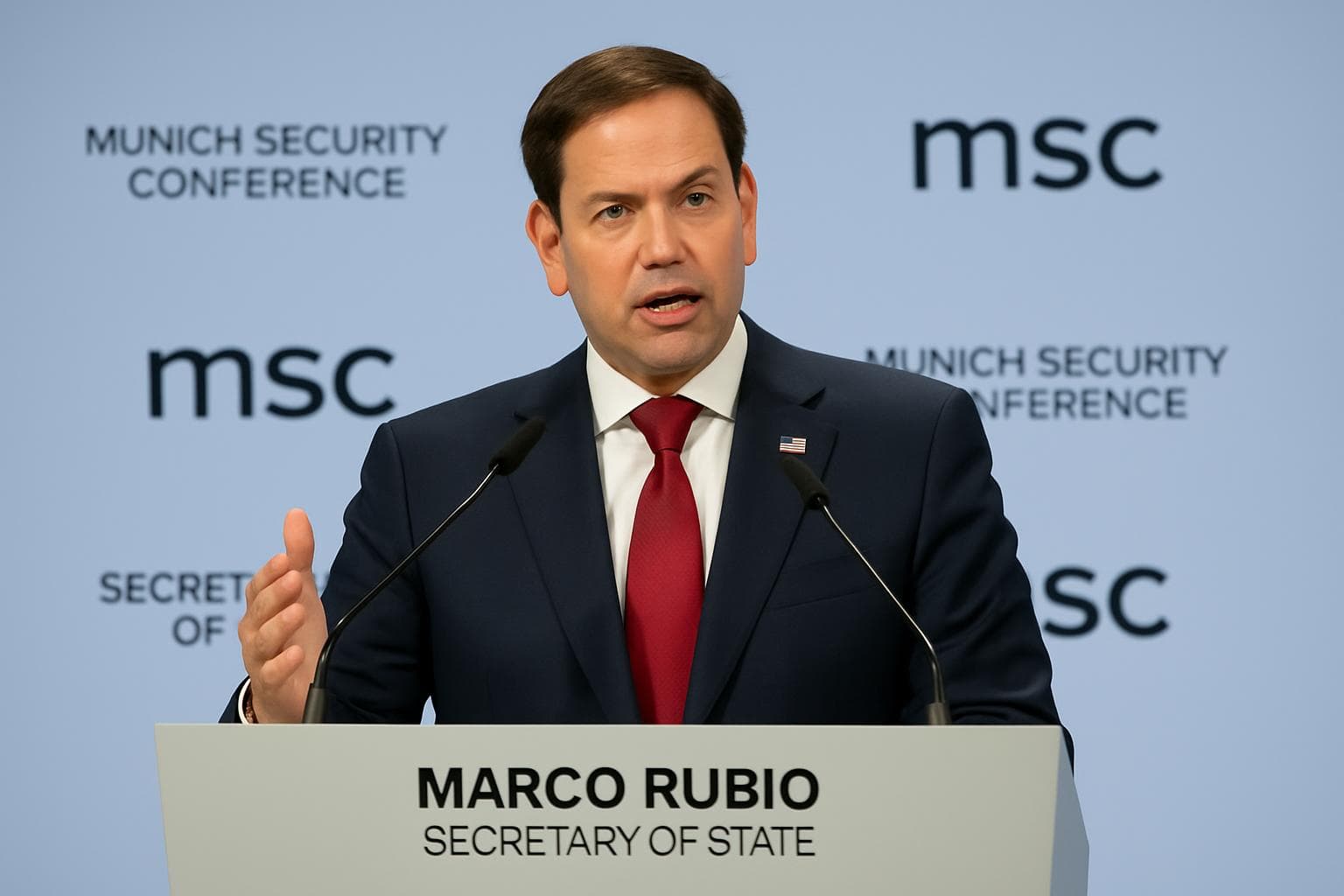
Rubio Reaffirms US Commitment to Europe Amid Criticisms at Munich Conference
In This Article
HIGHLIGHTS
- Marco Rubio reassured European leaders of the US commitment to the transatlantic alliance at the Munich Security Conference.
- Rubio's speech criticized European immigration, trade, and climate policies but emphasized a desire for renewed cooperation.
- European Commission President Ursula von der Leyen expressed relief at Rubio's remarks, highlighting the importance of US-Europe relations.
- Rubio called for Europe to increase defense investments and criticized the UN's role in global conflicts.
- The speech was seen as a departure from the more confrontational tone of US Vice-President JD Vance's address the previous year.
At the Munich Security Conference, US Secretary of State Marco Rubio delivered a speech that sought to reassure European leaders of America's enduring commitment to the transatlantic alliance. Despite criticisms of European policies, Rubio emphasized that the US and Europe "belong together," underscoring the intertwined destinies of the two continents.
Renewed Commitment Amid Criticisms
Rubio's address, which was closely watched by world leaders, including French President Emmanuel Macron and German Chancellor Friedrich Merz, marked a shift from the more confrontational tone of US Vice-President JD Vance's speech at the same event last year. While Rubio criticized European immigration, trade, and climate policies, describing them as threats to civilization, he also expressed a desire to "revitalize an old friendship" and work together towards a new century of prosperity.
European Leaders' Reactions
European Commission President Ursula von der Leyen expressed relief at Rubio's remarks, stating, "[Rubio is] a good friend, a strong ally." The speech was broadly welcomed by the audience, with many delegates expressing relief that the transatlantic alliance remains intact despite recent tensions.
Calls for Defense Investment and UN Criticism
Rubio reiterated calls for Europe to increase its defense investments, emphasizing the need for allies who can defend themselves. He also criticized the United Nations for its perceived ineffectiveness in resolving conflicts in Gaza and Ukraine, arguing that the organization needs reform.
A Conditional Partnership
While Rubio's speech was largely conciliatory, it was clear that the US seeks a partnership on its own terms, as framed by the Trump administration. Rubio highlighted the need to address shared challenges, such as securing supply chains for critical minerals, while cautioning against a "managed decline" of Western civilization.
WHAT THIS MIGHT MEAN
The Munich Security Conference speech by Marco Rubio signals a potential recalibration of US-Europe relations under the Trump administration. While the commitment to the transatlantic alliance remains strong, the emphasis on a partnership shaped by US priorities could lead to further negotiations and adjustments in policy areas such as defense spending and climate action. European leaders may need to navigate these dynamics carefully to maintain a balanced and mutually beneficial relationship. As the US and Europe continue to address global challenges, the coming months could see increased diplomatic efforts to align their strategies and reinforce their longstanding alliance.
Related Articles
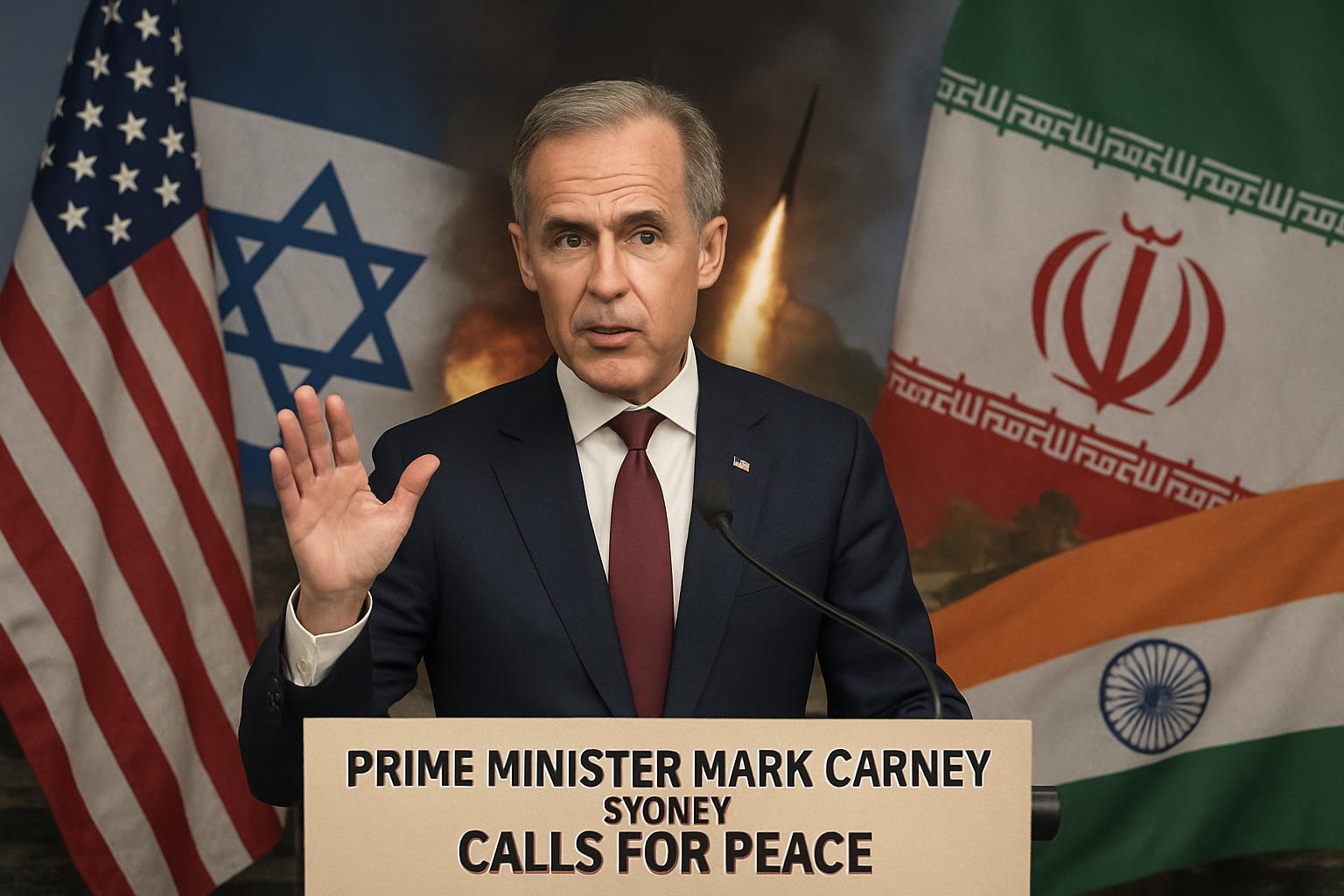
Canada Calls for De-escalation Amid US-Israel Strikes on Iran
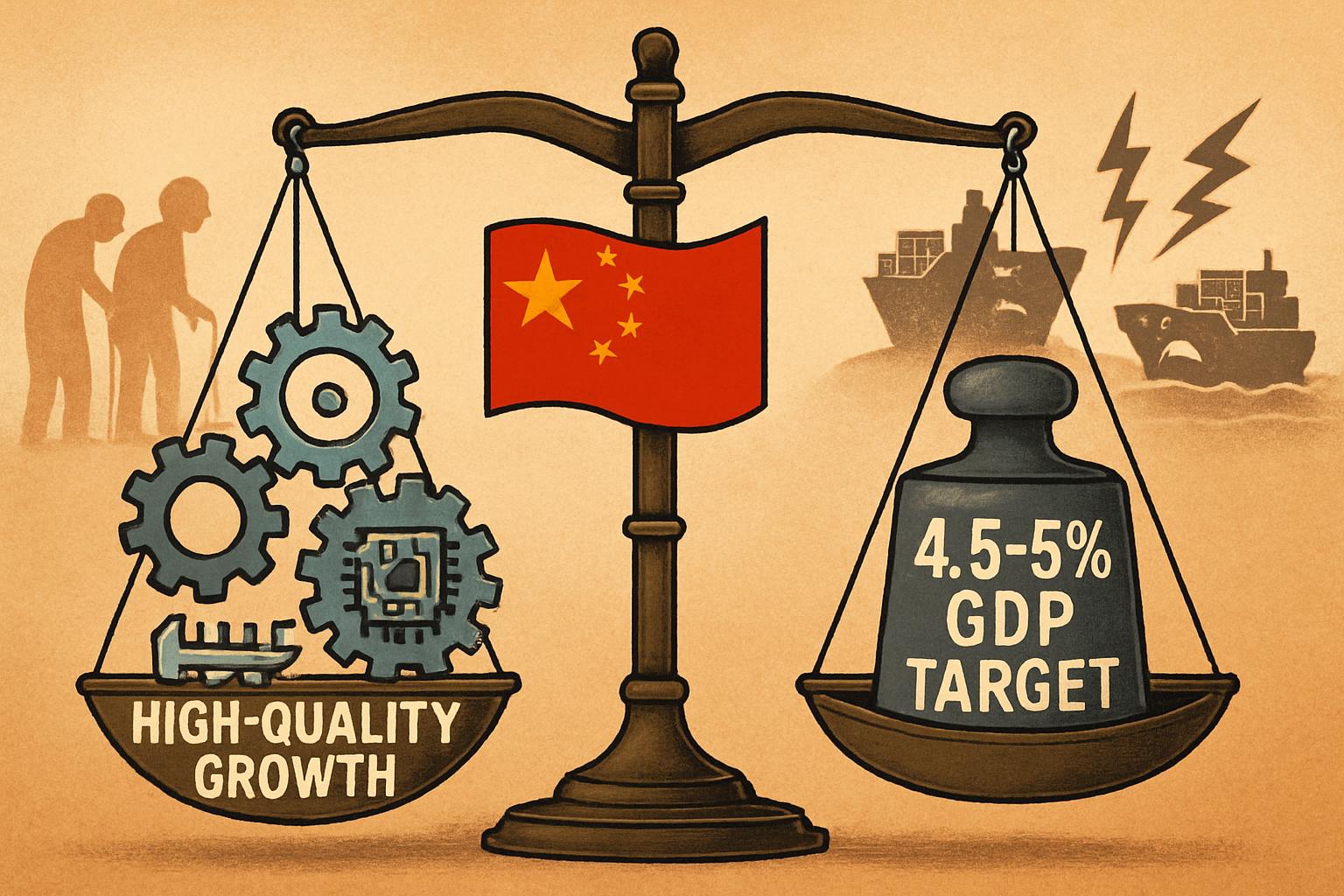
China Sets Lowest GDP Growth Target in Decades Amid Economic Challenges

Tech Giants Pledge to Cover AI Data Center Energy Costs Amid Rising Electricity Concerns
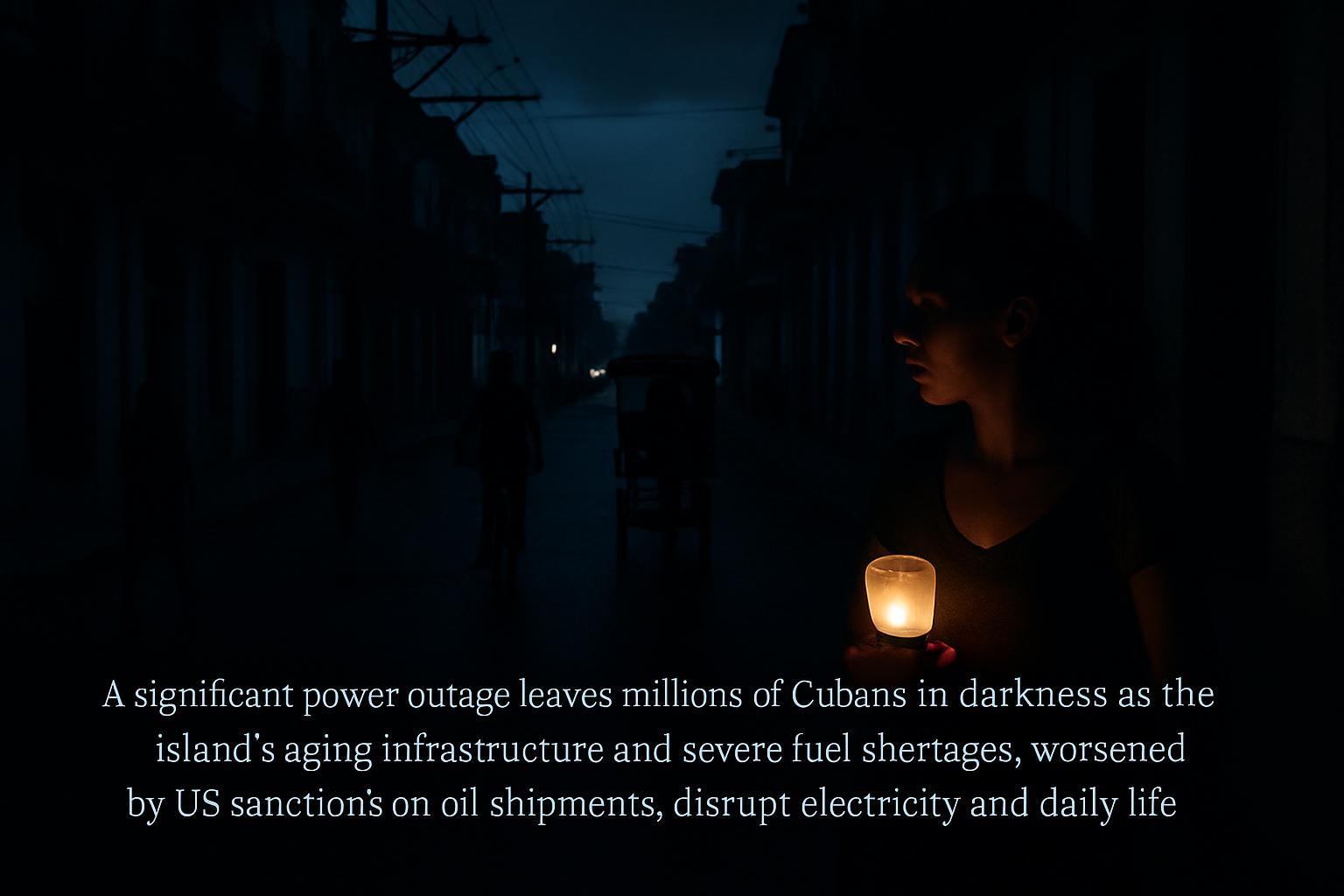
Cuba Faces Widespread Blackout Amid Deepening Fuel Crisis

Russian LNG Tanker Sinks in Mediterranean Amid Accusations of Ukrainian Drone Attack

UK Faces Dilemmas Amid Iran Conflict and China Spying Allegations
Rubio Reaffirms US Commitment to Europe Amid Criticisms at Munich Conference
In This Article
 Alex Carter| Published
 HIGHLIGHTS
- Marco Rubio reassured European leaders of the US commitment to the transatlantic alliance at the Munich Security Conference.
- Rubio's speech criticized European immigration, trade, and climate policies but emphasized a desire for renewed cooperation.
- European Commission President Ursula von der Leyen expressed relief at Rubio's remarks, highlighting the importance of US-Europe relations.
- Rubio called for Europe to increase defense investments and criticized the UN's role in global conflicts.
- The speech was seen as a departure from the more confrontational tone of US Vice-President JD Vance's address the previous year.
At the Munich Security Conference, US Secretary of State Marco Rubio delivered a speech that sought to reassure European leaders of America's enduring commitment to the transatlantic alliance. Despite criticisms of European policies, Rubio emphasized that the US and Europe "belong together," underscoring the intertwined destinies of the two continents.
Renewed Commitment Amid Criticisms
Rubio's address, which was closely watched by world leaders, including French President Emmanuel Macron and German Chancellor Friedrich Merz, marked a shift from the more confrontational tone of US Vice-President JD Vance's speech at the same event last year. While Rubio criticized European immigration, trade, and climate policies, describing them as threats to civilization, he also expressed a desire to "revitalize an old friendship" and work together towards a new century of prosperity.
European Leaders' Reactions
European Commission President Ursula von der Leyen expressed relief at Rubio's remarks, stating, "[Rubio is] a good friend, a strong ally." The speech was broadly welcomed by the audience, with many delegates expressing relief that the transatlantic alliance remains intact despite recent tensions.
Calls for Defense Investment and UN Criticism
Rubio reiterated calls for Europe to increase its defense investments, emphasizing the need for allies who can defend themselves. He also criticized the United Nations for its perceived ineffectiveness in resolving conflicts in Gaza and Ukraine, arguing that the organization needs reform.
A Conditional Partnership
While Rubio's speech was largely conciliatory, it was clear that the US seeks a partnership on its own terms, as framed by the Trump administration. Rubio highlighted the need to address shared challenges, such as securing supply chains for critical minerals, while cautioning against a "managed decline" of Western civilization.
WHAT THIS MIGHT MEAN
The Munich Security Conference speech by Marco Rubio signals a potential recalibration of US-Europe relations under the Trump administration. While the commitment to the transatlantic alliance remains strong, the emphasis on a partnership shaped by US priorities could lead to further negotiations and adjustments in policy areas such as defense spending and climate action. European leaders may need to navigate these dynamics carefully to maintain a balanced and mutually beneficial relationship. As the US and Europe continue to address global challenges, the coming months could see increased diplomatic efforts to align their strategies and reinforce their longstanding alliance.
Related Articles
Canada Calls for De-escalation Amid US-Israel Strikes on Iran
China Sets Lowest GDP Growth Target in Decades Amid Economic Challenges
Tech Giants Pledge to Cover AI Data Center Energy Costs Amid Rising Electricity Concerns
Cuba Faces Widespread Blackout Amid Deepening Fuel Crisis
Russian LNG Tanker Sinks in Mediterranean Amid Accusations of Ukrainian Drone Attack
UK Faces Dilemmas Amid Iran Conflict and China Spying Allegations