
UK Welfare U-turn Complicates Plans to Address Child Poverty
In This Article
HIGHLIGHTS
- The UK government's recent U-turn on welfare reforms complicates future spending decisions, impacting the potential removal of the two-child benefit cap.
- Education Secretary Bridget Phillipson emphasized the government's commitment to tackling child poverty, despite financial constraints.
- The two-child benefit cap affects 1.6 million children, and its removal could lift 500,000 children out of relative poverty, costing the government £3.4bn annually.
- A child poverty taskforce, led by Phillipson and Liz Kendall, is exploring various strategies to alleviate child poverty, including the potential removal of the cap.
- Chancellor Rachel Reeves has not ruled out tax increases, citing the need for fiscal responsibility following the welfare policy reversal.
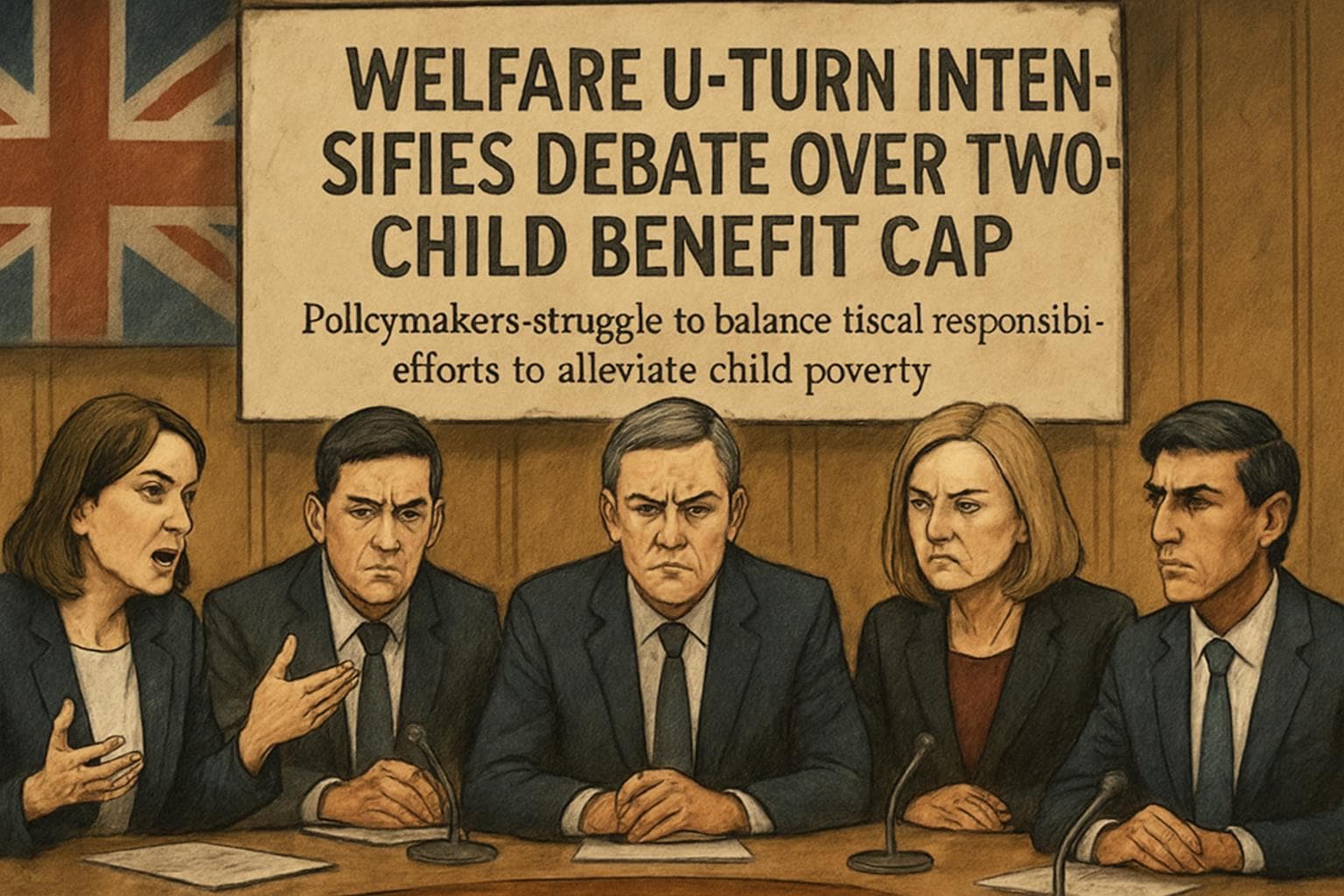
The UK government's recent reversal on welfare reforms has introduced new challenges in addressing child poverty, according to Education Secretary Bridget Phillipson. The decision to backtrack on a package of welfare changes, initially projected to save £5bn annually by 2030, has intensified the debate over the controversial two-child benefit cap.
Impact of the Welfare Reversal
Speaking on BBC One's "Sunday with Laura Kuenssberg," Phillipson acknowledged that the government's U-turn has made future policy decisions more difficult. The Labour government, which had been considering lifting the two-child benefit cap, now faces increased financial pressure. The cap, introduced by the Conservatives, limits means-tested benefits to the first two children in a family, affecting approximately 1.6 million children. Removing this cap could potentially lift 500,000 children out of relative poverty, though it would cost the government an estimated £3.4bn annually.
Government's Commitment to Child Poverty
Despite these challenges, Phillipson reiterated the government's dedication to reducing child poverty. She and Work and Pensions Secretary Liz Kendall are leading a taskforce focused on exploring various strategies to alleviate poverty, including the potential removal of the cap. Phillipson emphasized the importance of ensuring that a child's background does not dictate their future success, a sentiment echoed by many Labour backbenchers and child poverty charities advocating for the cap's removal.
Fiscal Responsibility and Future Plans
Chancellor Rachel Reeves has highlighted the need for fiscal responsibility in light of the recent welfare policy changes. In an interview with The Guardian, Reeves stated that she is not committed to any specific policy to reduce child poverty but acknowledged the financial implications of the welfare reversal. She has not ruled out the possibility of tax increases, emphasizing the importance of maintaining a strong economic foundation.
WHAT THIS MIGHT MEAN
The government's welfare U-turn has significant implications for its fiscal policy and efforts to combat child poverty. As the child poverty taskforce continues its work, the potential removal of the two-child benefit cap remains a contentious issue. If the cap is lifted, it could significantly reduce child poverty rates but would require careful consideration of the financial impact. Meanwhile, Chancellor Reeves' openness to tax increases suggests that the government may explore alternative revenue sources to support its social welfare objectives. As the autumn Budget approaches, the government's ability to balance fiscal responsibility with social welfare commitments will be closely scrutinized.
Related Articles

Prince Andrew's Ties to Epstein Under Scrutiny Amid Calls for Inquiry

UK Government to Reform Asylum Seeker Support and Employment Policies

Government Criticized for Mishandling Maccabi Tel Aviv Fan Ban

Prince Andrew's Arrest Intensifies Scrutiny on Royal Succession and Prince William's Future Role
Middle East Conflict Drives UK Energy Prices to New Highs

Government Announces £4 Billion Overhaul of SEND Support in England
UK Welfare U-turn Complicates Plans to Address Child Poverty
In This Article
 Ethan Brooks| Published
 HIGHLIGHTS
- The UK government's recent U-turn on welfare reforms complicates future spending decisions, impacting the potential removal of the two-child benefit cap.
- Education Secretary Bridget Phillipson emphasized the government's commitment to tackling child poverty, despite financial constraints.
- The two-child benefit cap affects 1.6 million children, and its removal could lift 500,000 children out of relative poverty, costing the government £3.4bn annually.
- A child poverty taskforce, led by Phillipson and Liz Kendall, is exploring various strategies to alleviate child poverty, including the potential removal of the cap.
- Chancellor Rachel Reeves has not ruled out tax increases, citing the need for fiscal responsibility following the welfare policy reversal.
The UK government's recent reversal on welfare reforms has introduced new challenges in addressing child poverty, according to Education Secretary Bridget Phillipson. The decision to backtrack on a package of welfare changes, initially projected to save £5bn annually by 2030, has intensified the debate over the controversial two-child benefit cap.
Impact of the Welfare Reversal
Speaking on BBC One's "Sunday with Laura Kuenssberg," Phillipson acknowledged that the government's U-turn has made future policy decisions more difficult. The Labour government, which had been considering lifting the two-child benefit cap, now faces increased financial pressure. The cap, introduced by the Conservatives, limits means-tested benefits to the first two children in a family, affecting approximately 1.6 million children. Removing this cap could potentially lift 500,000 children out of relative poverty, though it would cost the government an estimated £3.4bn annually.
Government's Commitment to Child Poverty
Despite these challenges, Phillipson reiterated the government's dedication to reducing child poverty. She and Work and Pensions Secretary Liz Kendall are leading a taskforce focused on exploring various strategies to alleviate poverty, including the potential removal of the cap. Phillipson emphasized the importance of ensuring that a child's background does not dictate their future success, a sentiment echoed by many Labour backbenchers and child poverty charities advocating for the cap's removal.
Fiscal Responsibility and Future Plans
Chancellor Rachel Reeves has highlighted the need for fiscal responsibility in light of the recent welfare policy changes. In an interview with The Guardian, Reeves stated that she is not committed to any specific policy to reduce child poverty but acknowledged the financial implications of the welfare reversal. She has not ruled out the possibility of tax increases, emphasizing the importance of maintaining a strong economic foundation.
WHAT THIS MIGHT MEAN
The government's welfare U-turn has significant implications for its fiscal policy and efforts to combat child poverty. As the child poverty taskforce continues its work, the potential removal of the two-child benefit cap remains a contentious issue. If the cap is lifted, it could significantly reduce child poverty rates but would require careful consideration of the financial impact. Meanwhile, Chancellor Reeves' openness to tax increases suggests that the government may explore alternative revenue sources to support its social welfare objectives. As the autumn Budget approaches, the government's ability to balance fiscal responsibility with social welfare commitments will be closely scrutinized.
Related Articles
Prince Andrew's Ties to Epstein Under Scrutiny Amid Calls for Inquiry
UK Government to Reform Asylum Seeker Support and Employment Policies
Government Criticized for Mishandling Maccabi Tel Aviv Fan Ban
Prince Andrew's Arrest Intensifies Scrutiny on Royal Succession and Prince William's Future Role
Middle East Conflict Drives UK Energy Prices to New Highs
Government Announces £4 Billion Overhaul of SEND Support in England