
UK's First Small Modular Reactors to Be Built in Anglesey Amid US Discontent
In This Article
HIGHLIGHTS
- The UK plans to build its first small modular reactors (SMRs) at Wylfa on Anglesey, with construction starting next year and power generation expected by the mid-2030s.
- The project, backed by a £2.5 billion investment from the UK government, aims to create up to 3,000 jobs and power approximately three million homes.
- The decision to use SMRs, developed by Rolls-Royce, has sparked disappointment from the US, which had hoped for a large-scale plant by Westinghouse.
- Great British Energy-Nuclear will explore additional sites for larger nuclear reactors, with a report due by autumn 2026.
- The development is part of the UK's strategy to enhance energy independence and reduce carbon emissions.
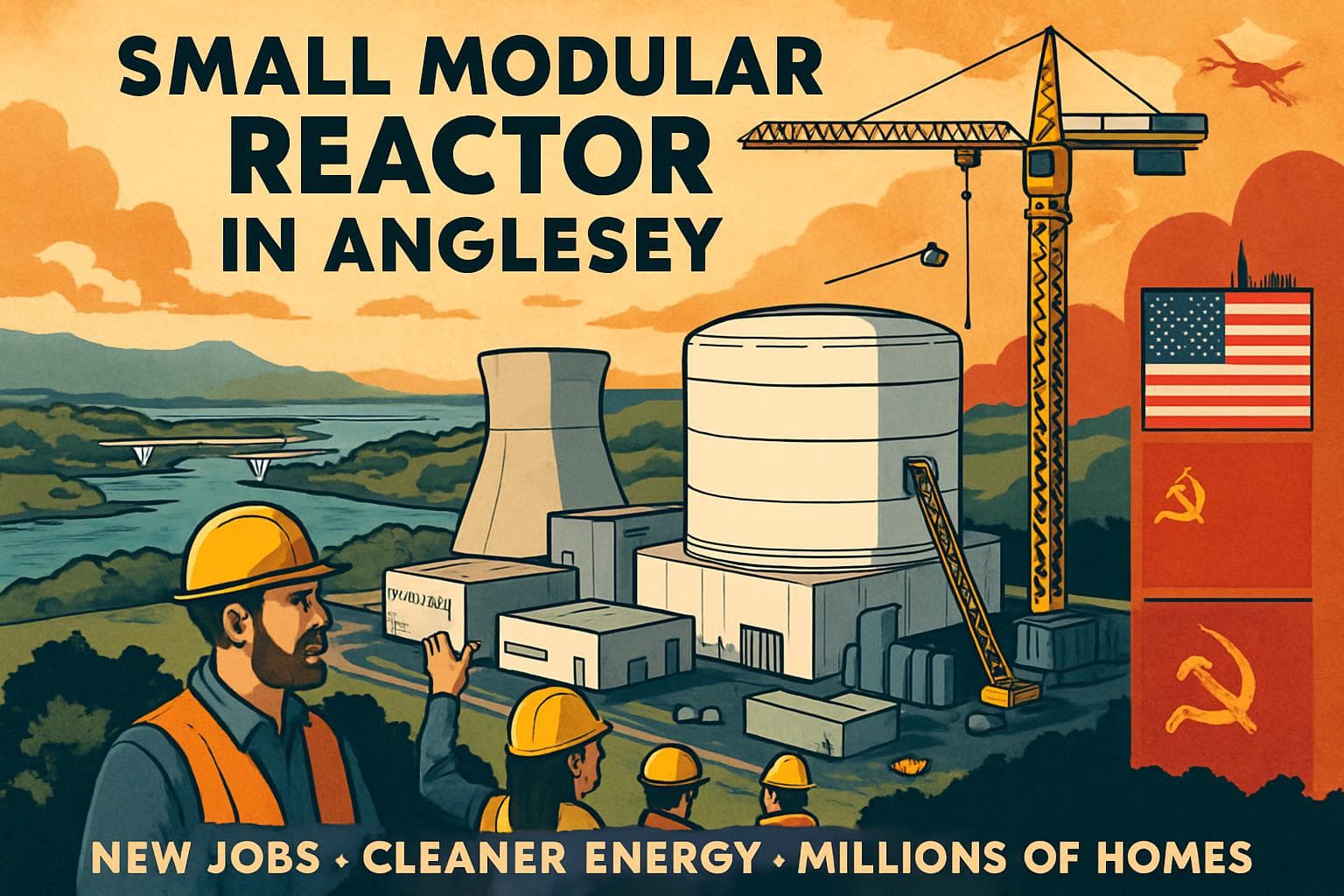
The UK is set to embark on a groundbreaking nuclear energy project with the construction of its first small modular reactors (SMRs) at Wylfa on the island of Anglesey, north Wales. This ambitious initiative, announced by Prime Minister Sir Keir Starmer, is expected to bring significant economic benefits, including up to 3,000 jobs and billions in investment, while powering approximately three million homes.
A New Era for UK Nuclear Energy
The Wylfa project, spearheaded by Rolls-Royce SMR and supported by a £2.5 billion investment from the UK government, represents a pivotal shift in the nation's energy strategy. SMRs, which are smaller and more cost-effective than traditional nuclear reactors, are designed to be manufactured in factories, reducing construction time and costs. Each reactor is capable of generating 470 megawatts of power, contributing to the UK's goal of achieving energy independence and reducing carbon emissions.
US Disappointment Over Manufacturer Choice
The decision to proceed with SMRs at Wylfa has not been without controversy. The US, under the Trump administration, expressed disappointment over the UK's choice of Rolls-Royce over American firm Westinghouse, which had proposed a large-scale nuclear plant for the site. US Ambassador Warren Stephens criticized the decision, advocating for "cheaper, faster, and already-approved options" for clean energy.
Future Prospects for Nuclear Development
In addition to the Wylfa project, Great British Energy-Nuclear has been tasked with identifying potential sites for larger nuclear reactors across the UK, with a report expected by autumn 2026. This exploration includes sites in Scotland, despite opposition from the Scottish National Party. The initiative underscores the UK's commitment to expanding its nuclear capabilities as part of a broader strategy to secure a sustainable energy future.
WHAT THIS MIGHT MEAN
The development of SMRs at Wylfa marks a significant step in the UK's pursuit of energy independence and carbon neutrality. However, the decision has strained US-UK relations, potentially influencing future collaborations in the nuclear sector. As the UK explores additional sites for larger reactors, it may face pressure to include American firms like Westinghouse in future projects. Domestically, the success of the Wylfa project could bolster public and political support for nuclear energy, paving the way for further investments in this critical area.
Images from the Web

Related Articles

UK Reinforces Military Presence in Cyprus Amid Middle East Tensions

UK-Iran Tensions: Starmer Defends Cautious Approach Amid Trump Criticism

Diplomatic Tensions Rise as Trump Criticizes Starmer's Iran Policy

UK Government to Reform Asylum Seeker Support and Employment Policies

Middle East Conflict Drives UK Energy Prices to New Highs

UK Faces Dilemmas Amid Iran Conflict and China Spying Allegations
UK's First Small Modular Reactors to Be Built in Anglesey Amid US Discontent
In This Article
 Ethan Brooks| Published
 HIGHLIGHTS
- The UK plans to build its first small modular reactors (SMRs) at Wylfa on Anglesey, with construction starting next year and power generation expected by the mid-2030s.
- The project, backed by a £2.5 billion investment from the UK government, aims to create up to 3,000 jobs and power approximately three million homes.
- The decision to use SMRs, developed by Rolls-Royce, has sparked disappointment from the US, which had hoped for a large-scale plant by Westinghouse.
- Great British Energy-Nuclear will explore additional sites for larger nuclear reactors, with a report due by autumn 2026.
- The development is part of the UK's strategy to enhance energy independence and reduce carbon emissions.
The UK is set to embark on a groundbreaking nuclear energy project with the construction of its first small modular reactors (SMRs) at Wylfa on the island of Anglesey, north Wales. This ambitious initiative, announced by Prime Minister Sir Keir Starmer, is expected to bring significant economic benefits, including up to 3,000 jobs and billions in investment, while powering approximately three million homes.
A New Era for UK Nuclear Energy
The Wylfa project, spearheaded by Rolls-Royce SMR and supported by a £2.5 billion investment from the UK government, represents a pivotal shift in the nation's energy strategy. SMRs, which are smaller and more cost-effective than traditional nuclear reactors, are designed to be manufactured in factories, reducing construction time and costs. Each reactor is capable of generating 470 megawatts of power, contributing to the UK's goal of achieving energy independence and reducing carbon emissions.
US Disappointment Over Manufacturer Choice
The decision to proceed with SMRs at Wylfa has not been without controversy. The US, under the Trump administration, expressed disappointment over the UK's choice of Rolls-Royce over American firm Westinghouse, which had proposed a large-scale nuclear plant for the site. US Ambassador Warren Stephens criticized the decision, advocating for "cheaper, faster, and already-approved options" for clean energy.
Future Prospects for Nuclear Development
In addition to the Wylfa project, Great British Energy-Nuclear has been tasked with identifying potential sites for larger nuclear reactors across the UK, with a report expected by autumn 2026. This exploration includes sites in Scotland, despite opposition from the Scottish National Party. The initiative underscores the UK's commitment to expanding its nuclear capabilities as part of a broader strategy to secure a sustainable energy future.
WHAT THIS MIGHT MEAN
The development of SMRs at Wylfa marks a significant step in the UK's pursuit of energy independence and carbon neutrality. However, the decision has strained US-UK relations, potentially influencing future collaborations in the nuclear sector. As the UK explores additional sites for larger reactors, it may face pressure to include American firms like Westinghouse in future projects. Domestically, the success of the Wylfa project could bolster public and political support for nuclear energy, paving the way for further investments in this critical area.
Images from the Web
Related Articles
UK Reinforces Military Presence in Cyprus Amid Middle East Tensions
UK-Iran Tensions: Starmer Defends Cautious Approach Amid Trump Criticism
Diplomatic Tensions Rise as Trump Criticizes Starmer's Iran Policy
UK Government to Reform Asylum Seeker Support and Employment Policies
Middle East Conflict Drives UK Energy Prices to New Highs
UK Faces Dilemmas Amid Iran Conflict and China Spying Allegations