
UK Faces Third Heatwave of 2025 Amidst Rising Climate Concerns

In This Article
HIGHLIGHTS
- The UK is experiencing its third heatwave of 2025, with temperatures expected to peak at 34C, prompting yellow heat health alerts across England.
- Scientists warn that heat-related deaths in England and Wales could exceed 30,000 annually by the 2070s due to climate change.
- The UK Health Security Agency has issued alerts, highlighting potential impacts on health and social care services.
- The Intergovernmental Panel on Climate Change confirms human influence as a key driver of rising temperatures and extreme weather events.
- Adaptation strategies are crucial to mitigate the severe health impacts of global warming, especially for vulnerable populations.
The UK is bracing for its third heatwave of the year, with temperatures expected to soar to 34C over the weekend. The UK Health Security Agency (UKHSA) has issued yellow heat health alerts across England, effective until Tuesday, July 15. These alerts indicate potential disruptions to health and social care services due to increased demand and the risk of heat-related illnesses.
Rising Temperatures and Health Alerts
This heatwave follows a record-breaking spring and early summer, with June marking the warmest month on record for England. The Met Office forecasts highs of 34C in parts of the UK, with the hottest weather anticipated in south-east Wales, central southern, and south-east England. The Scottish Fire and Rescue Service has also issued an "extreme wildfire warning" due to the dry conditions.
Climate Change and Its Implications
According to the Intergovernmental Panel on Climate Change (IPCC), human activities have significantly contributed to global warming, increasing the frequency of extreme weather events. Professor Ed Hawkins from Reading University emphasizes that global warming exacerbates heatwaves, making them 3-4C warmer than they would be otherwise.
Future Projections and Adaptation Needs
A study by UCL and the London School of Hygiene & Tropical Medicine projects that heat-related deaths in England and Wales could rise to over 30,000 annually by the 2070s. This stark increase underscores the urgent need for adaptation strategies to mitigate the impacts of global warming. Dr. Clare Heaviside from UCL highlights the importance of reducing greenhouse gas emissions and implementing well-planned adaptations to protect vulnerable populations.
The Role of El Niño
The current weather patterns are also influenced by the El Niño phenomenon, which typically raises global temperatures by releasing additional heat into the atmosphere. While the world is currently in a 'neutral' phase, previous El Niño events have contributed to record-breaking heat years.
WHAT THIS MIGHT MEAN
As the UK grapples with its third heatwave of 2025, the implications of climate change are becoming increasingly evident. If current trends continue, the frequency and intensity of heatwaves are likely to rise, posing significant challenges to public health and infrastructure. Experts stress the need for immediate action to reduce carbon emissions and develop robust adaptation strategies. Policymakers must prioritize investments in sustainable urban planning and healthcare systems to safeguard against the escalating impacts of global warming.
Related Articles

Saharan Dust to Illuminate UK Skies with Vivid Sunrises and Sunsets

Police Federation Chief Arrested Amid Fraud Investigation

Canada and Australia Forge Strategic Partnership Amid Global Uncertainty

UK Government to Reform Asylum Seeker Support and Employment Policies

Sisters Tragically Drown at Eryri National Park's Watkin Path
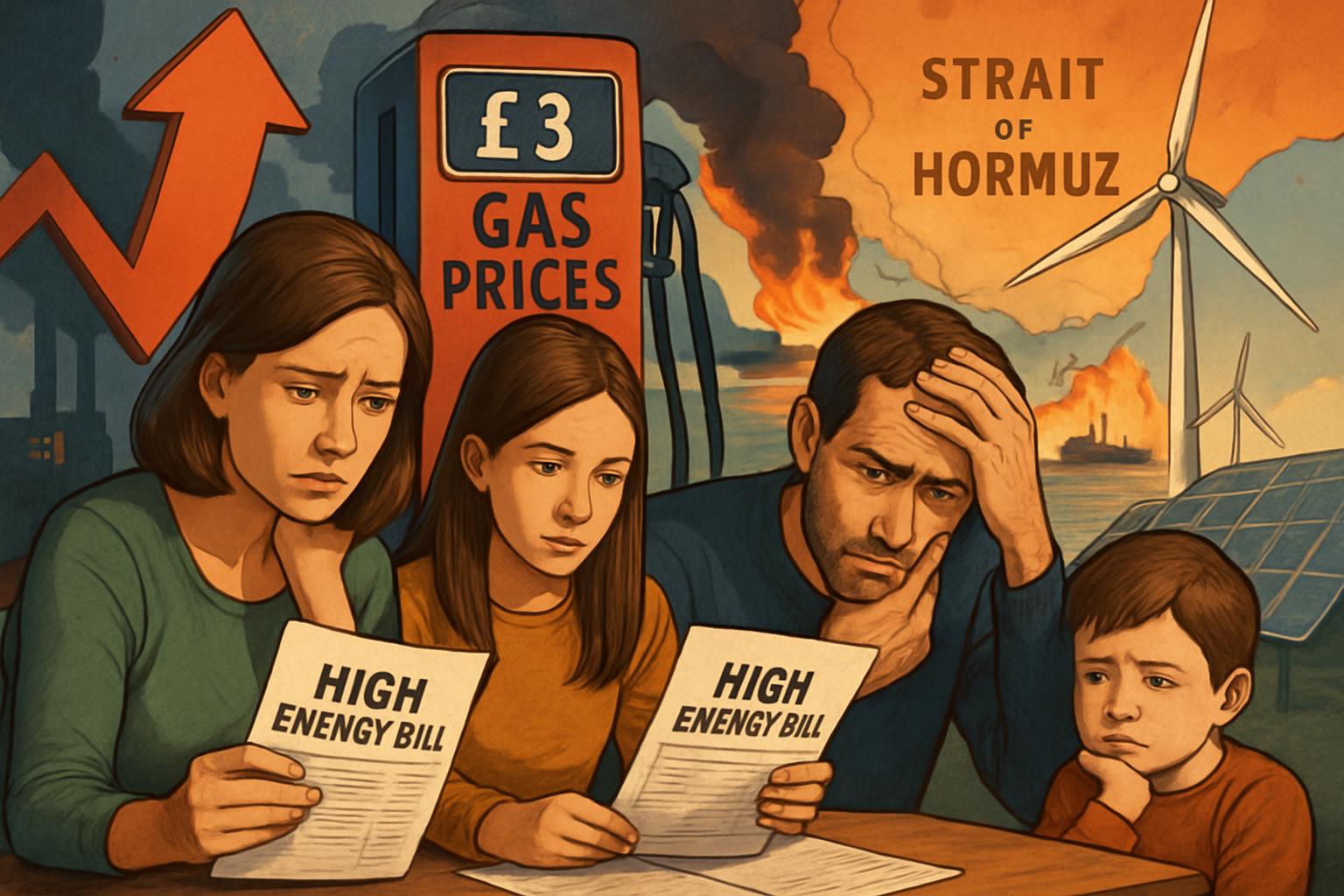
Middle East Conflict Drives UK Energy Prices to New Highs
UK Faces Third Heatwave of 2025 Amidst Rising Climate Concerns
In This Article
 Leila Hassan| Published
 HIGHLIGHTS
- The UK is experiencing its third heatwave of 2025, with temperatures expected to peak at 34C, prompting yellow heat health alerts across England.
- Scientists warn that heat-related deaths in England and Wales could exceed 30,000 annually by the 2070s due to climate change.
- The UK Health Security Agency has issued alerts, highlighting potential impacts on health and social care services.
- The Intergovernmental Panel on Climate Change confirms human influence as a key driver of rising temperatures and extreme weather events.
- Adaptation strategies are crucial to mitigate the severe health impacts of global warming, especially for vulnerable populations.
The UK is bracing for its third heatwave of the year, with temperatures expected to soar to 34C over the weekend. The UK Health Security Agency (UKHSA) has issued yellow heat health alerts across England, effective until Tuesday, July 15. These alerts indicate potential disruptions to health and social care services due to increased demand and the risk of heat-related illnesses.
Rising Temperatures and Health Alerts
This heatwave follows a record-breaking spring and early summer, with June marking the warmest month on record for England. The Met Office forecasts highs of 34C in parts of the UK, with the hottest weather anticipated in south-east Wales, central southern, and south-east England. The Scottish Fire and Rescue Service has also issued an "extreme wildfire warning" due to the dry conditions.
Climate Change and Its Implications
According to the Intergovernmental Panel on Climate Change (IPCC), human activities have significantly contributed to global warming, increasing the frequency of extreme weather events. Professor Ed Hawkins from Reading University emphasizes that global warming exacerbates heatwaves, making them 3-4C warmer than they would be otherwise.
Future Projections and Adaptation Needs
A study by UCL and the London School of Hygiene & Tropical Medicine projects that heat-related deaths in England and Wales could rise to over 30,000 annually by the 2070s. This stark increase underscores the urgent need for adaptation strategies to mitigate the impacts of global warming. Dr. Clare Heaviside from UCL highlights the importance of reducing greenhouse gas emissions and implementing well-planned adaptations to protect vulnerable populations.
The Role of El Niño
The current weather patterns are also influenced by the El Niño phenomenon, which typically raises global temperatures by releasing additional heat into the atmosphere. While the world is currently in a 'neutral' phase, previous El Niño events have contributed to record-breaking heat years.
WHAT THIS MIGHT MEAN
As the UK grapples with its third heatwave of 2025, the implications of climate change are becoming increasingly evident. If current trends continue, the frequency and intensity of heatwaves are likely to rise, posing significant challenges to public health and infrastructure. Experts stress the need for immediate action to reduce carbon emissions and develop robust adaptation strategies. Policymakers must prioritize investments in sustainable urban planning and healthcare systems to safeguard against the escalating impacts of global warming.
Related Articles
Saharan Dust to Illuminate UK Skies with Vivid Sunrises and Sunsets
Police Federation Chief Arrested Amid Fraud Investigation
Canada and Australia Forge Strategic Partnership Amid Global Uncertainty
UK Government to Reform Asylum Seeker Support and Employment Policies
Sisters Tragically Drown at Eryri National Park's Watkin Path
Middle East Conflict Drives UK Energy Prices to New Highs