
US Boat Strikes on Alleged Drug Traffickers Spark International Legal Debate
In This Article
HIGHLIGHTS
- Former ICC prosecutor Luis Moreno Ocampo claims US boat strikes on alleged drug traffickers are crimes against humanity.
- The Trump administration justifies the strikes as part of an armed conflict with Latin American drug cartels.
- At least 70 people have died in the strikes, with 18 vessels destroyed since September.
- Critics argue the strikes are extrajudicial killings, lacking evidence of narcotics or threats.
- The US Senate blocked a resolution requiring Trump to seek congressional approval for strikes in Venezuela.
The Trump administration's controversial military campaign targeting alleged drug trafficking boats in the Caribbean and Eastern Pacific has drawn sharp criticism from international legal experts. Former International Criminal Court (ICC) prosecutor Luis Moreno Ocampo has labeled these strikes as potential crimes against humanity, arguing they represent a systematic attack on civilians during peacetime.
Legal and Ethical Concerns
Since early September, US forces have conducted strikes that have resulted in at least 70 deaths and the destruction of 18 vessels. The administration claims these actions are part of an armed conflict with South American drug cartels, which it describes as terrorist organizations. However, Moreno Ocampo contends that the individuals targeted are civilians, not soldiers, and should be subject to investigation and prosecution rather than lethal force. "These are criminals, not soldiers," he told the BBC, emphasizing the need for legal accountability over military action.
Military Justifications and Political Reactions
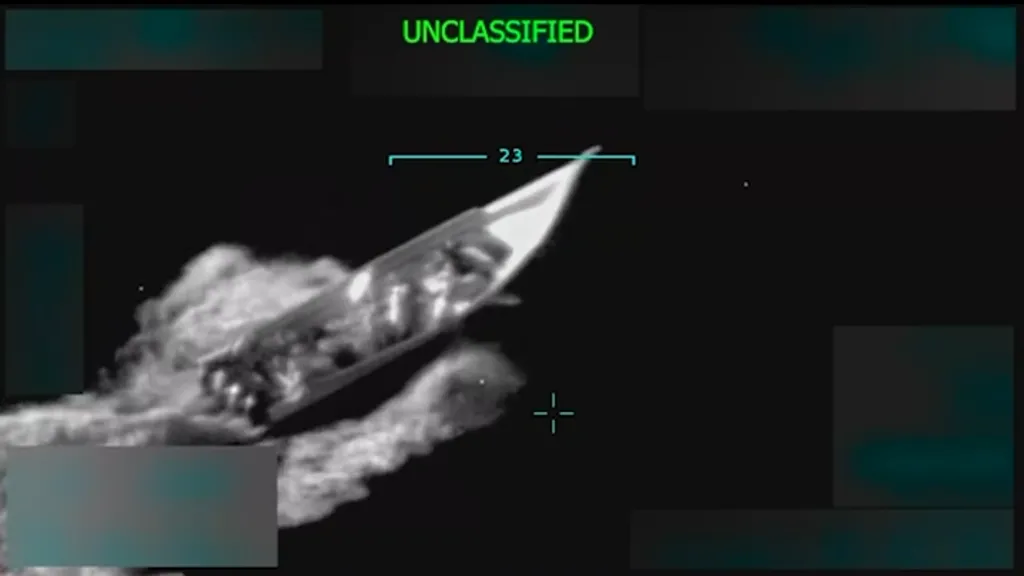
The US government maintains that the strikes are necessary to protect American lives from narcoterrorists. Defense Secretary Pete Hegseth released footage of the latest strike, asserting that it targeted a vessel operated by a designated terrorist group. Despite this, critics argue that the strikes amount to extrajudicial killings, with no concrete evidence provided to substantiate claims of drug smuggling or direct threats to the US.
The campaign has also faced political hurdles domestically. A Democratic-led resolution in the US Senate, which sought to require President Trump to obtain congressional approval for military actions in Venezuela, was blocked, allowing the administration to continue its operations unchecked.
Regional and International Implications
The strikes have heightened tensions in Latin America, particularly with Venezuela, whose president, Nicolas Maduro, has accused the US of attempting to destabilize his government. The Trump administration has bolstered its military presence in the region, deploying naval and air forces as part of its anti-drug trafficking efforts.
WHAT THIS MIGHT MEAN
The ongoing US military campaign against alleged drug traffickers raises significant legal and ethical questions on the international stage. Should the ICC or other international bodies pursue investigations, it could lead to heightened scrutiny of US military practices and potential diplomatic fallout. Domestically, the lack of congressional oversight on military actions in Latin America may prompt further legislative challenges. As the situation evolves, the balance between national security and adherence to international law will remain a contentious issue, potentially influencing future US foreign policy and military strategy.
Images from the Web
Related Articles

Robert Carlyle Joins Line of Duty for Thrilling Seventh Series
US Military Strikes on Alleged Drug Boats Raise Legal Concerns

Inside the Dark Web: How Investigator Greg Squire Rescues Children from Abuse
Venezuelan Political Prisoners Seek Amnesty Amidst Hopes for Democratic Transition

Tech Giants Pledge to Cover AI Data Center Energy Costs Amid Rising Electricity Concerns

Cuba Faces Widespread Blackout Amid Deepening Fuel Crisis
US Boat Strikes on Alleged Drug Traffickers Spark International Legal Debate
In This Article
 Sofia Romano| Published
 HIGHLIGHTS
- Former ICC prosecutor Luis Moreno Ocampo claims US boat strikes on alleged drug traffickers are crimes against humanity.
- The Trump administration justifies the strikes as part of an armed conflict with Latin American drug cartels.
- At least 70 people have died in the strikes, with 18 vessels destroyed since September.
- Critics argue the strikes are extrajudicial killings, lacking evidence of narcotics or threats.
- The US Senate blocked a resolution requiring Trump to seek congressional approval for strikes in Venezuela.
The Trump administration's controversial military campaign targeting alleged drug trafficking boats in the Caribbean and Eastern Pacific has drawn sharp criticism from international legal experts. Former International Criminal Court (ICC) prosecutor Luis Moreno Ocampo has labeled these strikes as potential crimes against humanity, arguing they represent a systematic attack on civilians during peacetime.
Legal and Ethical Concerns
Since early September, US forces have conducted strikes that have resulted in at least 70 deaths and the destruction of 18 vessels. The administration claims these actions are part of an armed conflict with South American drug cartels, which it describes as terrorist organizations. However, Moreno Ocampo contends that the individuals targeted are civilians, not soldiers, and should be subject to investigation and prosecution rather than lethal force. "These are criminals, not soldiers," he told the BBC, emphasizing the need for legal accountability over military action.
Military Justifications and Political Reactions
The US government maintains that the strikes are necessary to protect American lives from narcoterrorists. Defense Secretary Pete Hegseth released footage of the latest strike, asserting that it targeted a vessel operated by a designated terrorist group. Despite this, critics argue that the strikes amount to extrajudicial killings, with no concrete evidence provided to substantiate claims of drug smuggling or direct threats to the US.
The campaign has also faced political hurdles domestically. A Democratic-led resolution in the US Senate, which sought to require President Trump to obtain congressional approval for military actions in Venezuela, was blocked, allowing the administration to continue its operations unchecked.
Regional and International Implications
The strikes have heightened tensions in Latin America, particularly with Venezuela, whose president, Nicolas Maduro, has accused the US of attempting to destabilize his government. The Trump administration has bolstered its military presence in the region, deploying naval and air forces as part of its anti-drug trafficking efforts.
WHAT THIS MIGHT MEAN
The ongoing US military campaign against alleged drug traffickers raises significant legal and ethical questions on the international stage. Should the ICC or other international bodies pursue investigations, it could lead to heightened scrutiny of US military practices and potential diplomatic fallout. Domestically, the lack of congressional oversight on military actions in Latin America may prompt further legislative challenges. As the situation evolves, the balance between national security and adherence to international law will remain a contentious issue, potentially influencing future US foreign policy and military strategy.
Images from the Web
Related Articles
Robert Carlyle Joins Line of Duty for Thrilling Seventh Series
US Military Strikes on Alleged Drug Boats Raise Legal Concerns
Inside the Dark Web: How Investigator Greg Squire Rescues Children from Abuse
Venezuelan Political Prisoners Seek Amnesty Amidst Hopes for Democratic Transition
Tech Giants Pledge to Cover AI Data Center Energy Costs Amid Rising Electricity Concerns
Cuba Faces Widespread Blackout Amid Deepening Fuel Crisis