
US Seizure of Maduro Sparks Protests and International Tensions Across Latin America
In This Article
HIGHLIGHTS
- Nicolás Maduro and his wife were seized by US forces in a controversial operation in Caracas, facing charges in the US.
- The operation has sparked protests across Latin America, with Colombia's President Gustavo Petro condemning the US actions.
- Many Venezuelans are cautiously optimistic about potential political change, though fear persists due to remaining Maduro allies.
- The UN has raised concerns about the legality of the US intervention, citing international law principles.
- Trump's comments about further military actions in Colombia have heightened regional tensions.
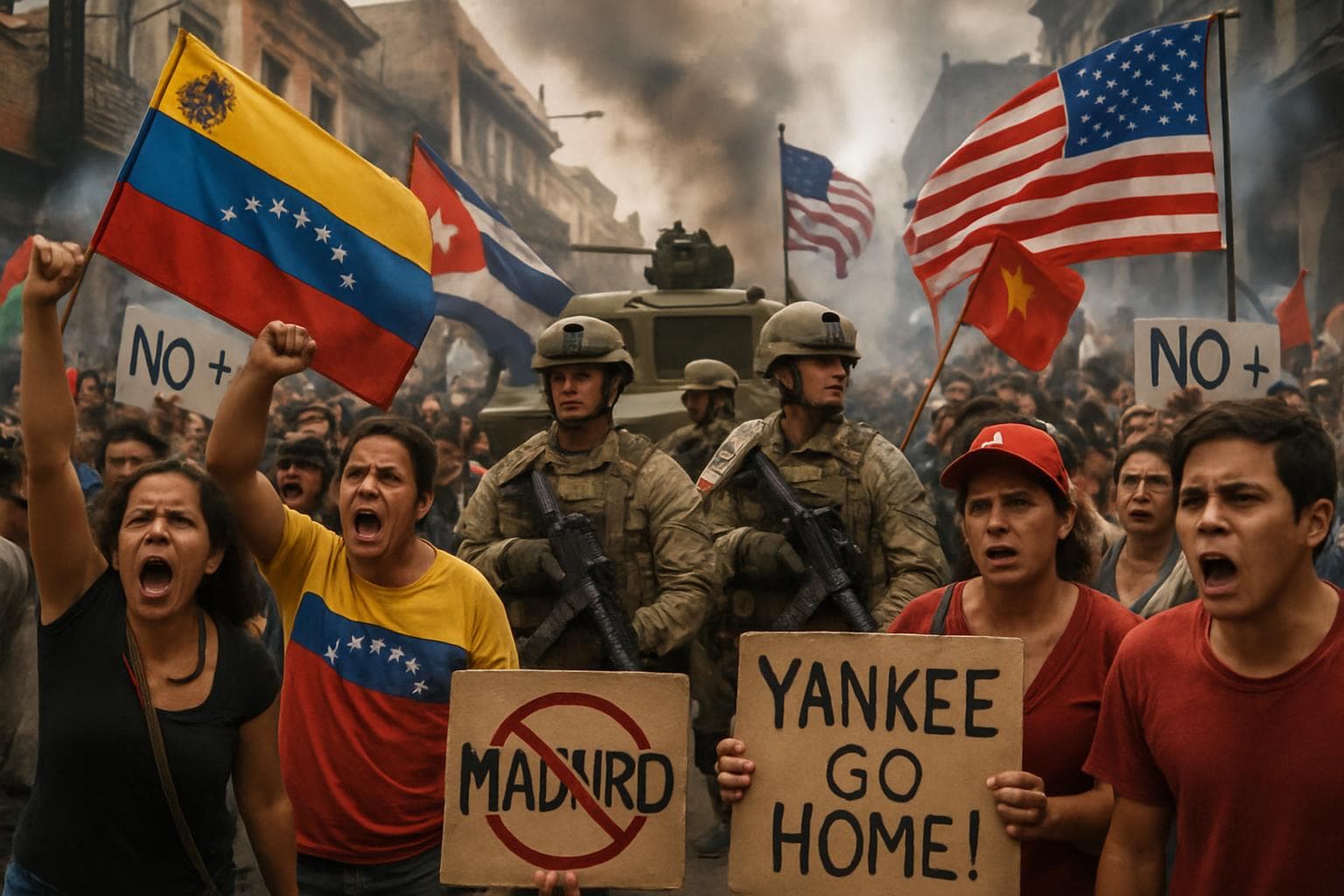
In a dramatic escalation of international tensions, the United States has seized Venezuelan President Nicolás Maduro and his wife, Cilia Flores, from their compound in Caracas. The operation, which resulted in the deaths of dozens, including 32 Cuban security personnel, has ignited protests across Latin America and drawn sharp criticism from regional leaders.
Venezuelan Reactions and Uncertainty
In Venezuela, the atmosphere is one of cautious optimism mixed with fear. Marcelo, a student in Caracas, expressed relief at Maduro's capture but noted the danger of celebrating publicly due to the presence of Maduro's allies. "The majority of Venezuelans are happy, but we must be careful," he told the BBC. Meanwhile, Rosa Contreras, a Maduro supporter, felt humiliated by the US intervention, describing it as an affront to Venezuelan sovereignty.
Regional Protests and Political Fallout
The US operation has sparked widespread protests, particularly in Colombia, where thousands took to the streets to denounce President Donald Trump's military actions. Colombian President Gustavo Petro, addressing a rally in Bogotá, criticized the legality of the US intervention and expressed concern over Trump's threats of expanding military actions into Colombia. "We cannot lower our guard," Petro warned, despite a recent conversation with Trump that he described as cordial.
International Concerns Over Legality
The United Nations has voiced concerns about the legality of the US's actions, emphasizing the importance of adhering to international law. The operation has been perceived by many as undermining fundamental legal principles, further complicating the geopolitical landscape in Latin America.
Implications for Venezuela's Future
The capture of Maduro has left Venezuela in a state of uncertainty. Delcy Rodríguez, Maduro's vice-president and close ally, has assumed interim power, maintaining a tight grip on the country with increased police presence and media restrictions. Many Venezuelans, like Marcelo, hope for a stable transition away from Chavismo, the socialist movement initiated by Hugo Chávez, but remain wary of the US's role in shaping their nation's future.
WHAT THIS MIGHT MEAN
The US's intervention in Venezuela has set a precedent that could have far-reaching implications for international relations and regional stability in Latin America. If the US continues to pursue military actions, particularly in Colombia, it could lead to increased anti-American sentiment and further destabilize the region. Legal experts warn that such interventions could erode respect for international law, potentially leading to more unilateral actions by powerful nations.
Politically, the situation in Venezuela remains volatile. While some hope for a transition to a more democratic government, the presence of Maduro's allies and the interim leadership of Delcy Rodríguez suggest that significant challenges remain. The international community will be closely watching how the US navigates its involvement in Venezuela and whether it can foster a peaceful and lawful resolution to the crisis.
Related Articles
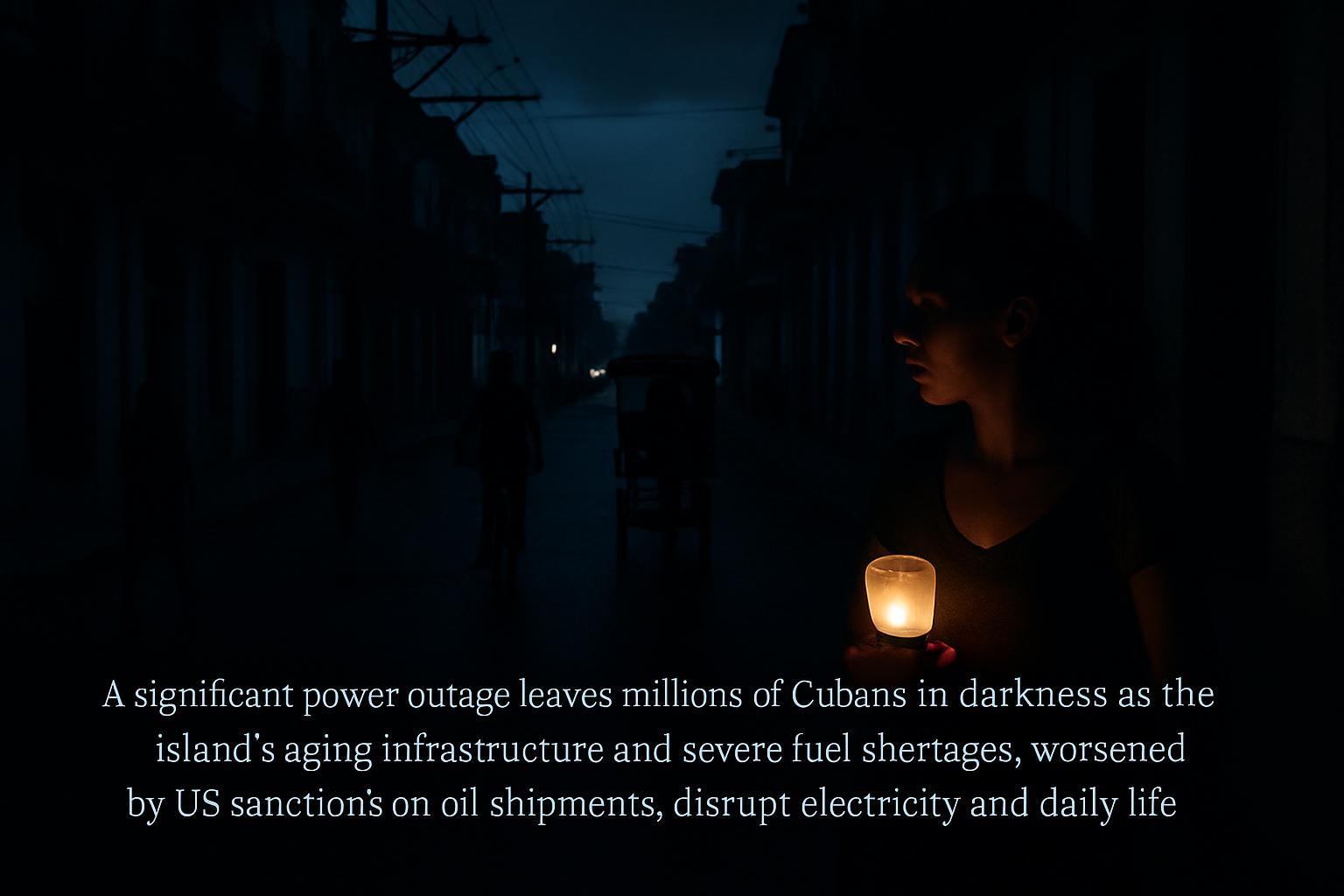
Cuba Faces Widespread Blackout Amid Deepening Fuel Crisis
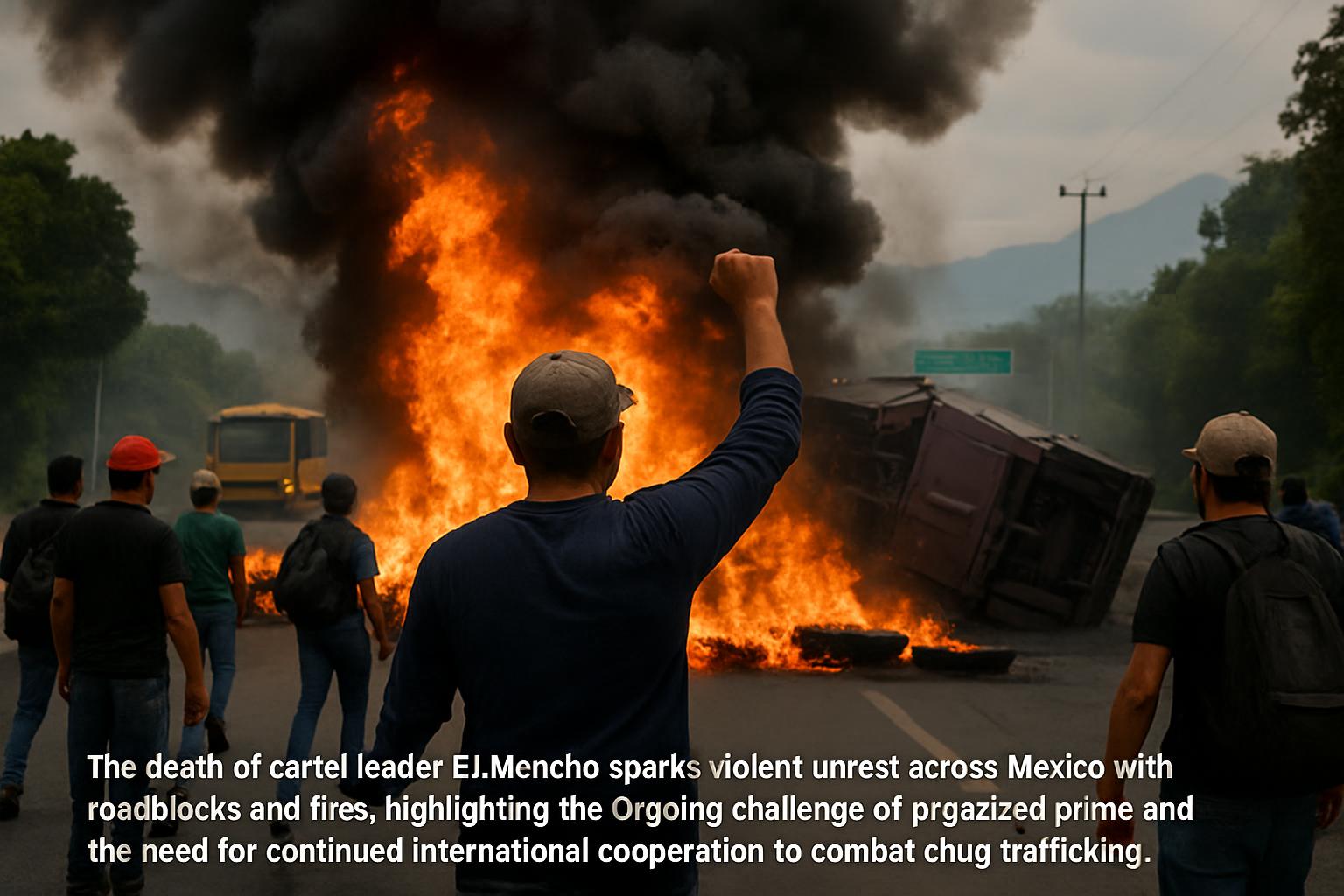
El Mencho's Death Sparks Violent Unrest Across Mexico

UK Faces Dilemmas Amid Iran Conflict and China Spying Allegations
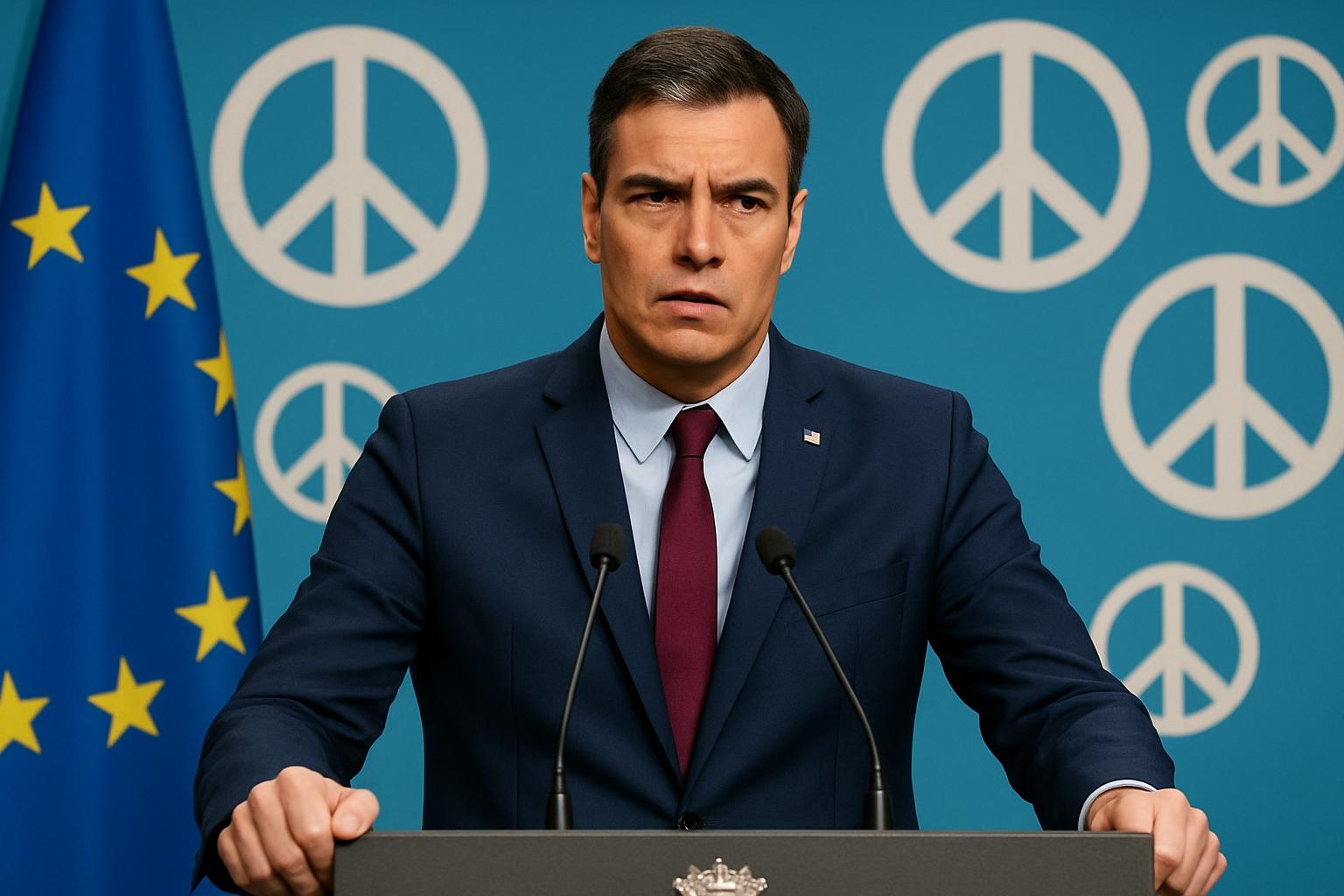
Spain's Sánchez Stands Firm Against Trump's Trade Threat Over Iran Stance
Canada Calls for De-escalation Amid US-Israel Strikes on Iran
China Sets Lowest GDP Growth Target in Decades Amid Economic Challenges
US Seizure of Maduro Sparks Protests and International Tensions Across Latin America
In This Article
HIGHLIGHTS
- Nicolás Maduro and his wife were seized by US forces in a controversial operation in Caracas, facing charges in the US.
- The operation has sparked protests across Latin America, with Colombia's President Gustavo Petro condemning the US actions.
- Many Venezuelans are cautiously optimistic about potential political change, though fear persists due to remaining Maduro allies.
- The UN has raised concerns about the legality of the US intervention, citing international law principles.
- Trump's comments about further military actions in Colombia have heightened regional tensions.
In a dramatic escalation of international tensions, the United States has seized Venezuelan President Nicolás Maduro and his wife, Cilia Flores, from their compound in Caracas. The operation, which resulted in the deaths of dozens, including 32 Cuban security personnel, has ignited protests across Latin America and drawn sharp criticism from regional leaders.
Venezuelan Reactions and Uncertainty
In Venezuela, the atmosphere is one of cautious optimism mixed with fear. Marcelo, a student in Caracas, expressed relief at Maduro's capture but noted the danger of celebrating publicly due to the presence of Maduro's allies. "The majority of Venezuelans are happy, but we must be careful," he told the BBC. Meanwhile, Rosa Contreras, a Maduro supporter, felt humiliated by the US intervention, describing it as an affront to Venezuelan sovereignty.
Regional Protests and Political Fallout
The US operation has sparked widespread protests, particularly in Colombia, where thousands took to the streets to denounce President Donald Trump's military actions. Colombian President Gustavo Petro, addressing a rally in Bogotá, criticized the legality of the US intervention and expressed concern over Trump's threats of expanding military actions into Colombia. "We cannot lower our guard," Petro warned, despite a recent conversation with Trump that he described as cordial.
International Concerns Over Legality
The United Nations has voiced concerns about the legality of the US's actions, emphasizing the importance of adhering to international law. The operation has been perceived by many as undermining fundamental legal principles, further complicating the geopolitical landscape in Latin America.
Implications for Venezuela's Future
The capture of Maduro has left Venezuela in a state of uncertainty. Delcy Rodríguez, Maduro's vice-president and close ally, has assumed interim power, maintaining a tight grip on the country with increased police presence and media restrictions. Many Venezuelans, like Marcelo, hope for a stable transition away from Chavismo, the socialist movement initiated by Hugo Chávez, but remain wary of the US's role in shaping their nation's future.
WHAT THIS MIGHT MEAN
The US's intervention in Venezuela has set a precedent that could have far-reaching implications for international relations and regional stability in Latin America. If the US continues to pursue military actions, particularly in Colombia, it could lead to increased anti-American sentiment and further destabilize the region. Legal experts warn that such interventions could erode respect for international law, potentially leading to more unilateral actions by powerful nations.
Politically, the situation in Venezuela remains volatile. While some hope for a transition to a more democratic government, the presence of Maduro's allies and the interim leadership of Delcy Rodríguez suggest that significant challenges remain. The international community will be closely watching how the US navigates its involvement in Venezuela and whether it can foster a peaceful and lawful resolution to the crisis.
Related Articles
Cuba Faces Widespread Blackout Amid Deepening Fuel Crisis
El Mencho's Death Sparks Violent Unrest Across Mexico
UK Faces Dilemmas Amid Iran Conflict and China Spying Allegations
Spain's Sánchez Stands Firm Against Trump's Trade Threat Over Iran Stance
Canada Calls for De-escalation Amid US-Israel Strikes on Iran
China Sets Lowest GDP Growth Target in Decades Amid Economic Challenges