
Utah Court Balances Media Access in High-Profile Charlie Kirk Murder Case
In This Article
HIGHLIGHTS
- Tyler Robinson, accused of killing activist Charlie Kirk, made his first in-person court appearance in Utah.
- The judge allowed cameras in the courtroom, balancing media access with concerns over a fair trial.
- Robinson faces aggravated murder charges and could face the death penalty if convicted.
- A coalition of news organizations and Kirk's widow advocate for transparency in the trial.
- The judge postponed a decision on media access to certain court records until December 29.
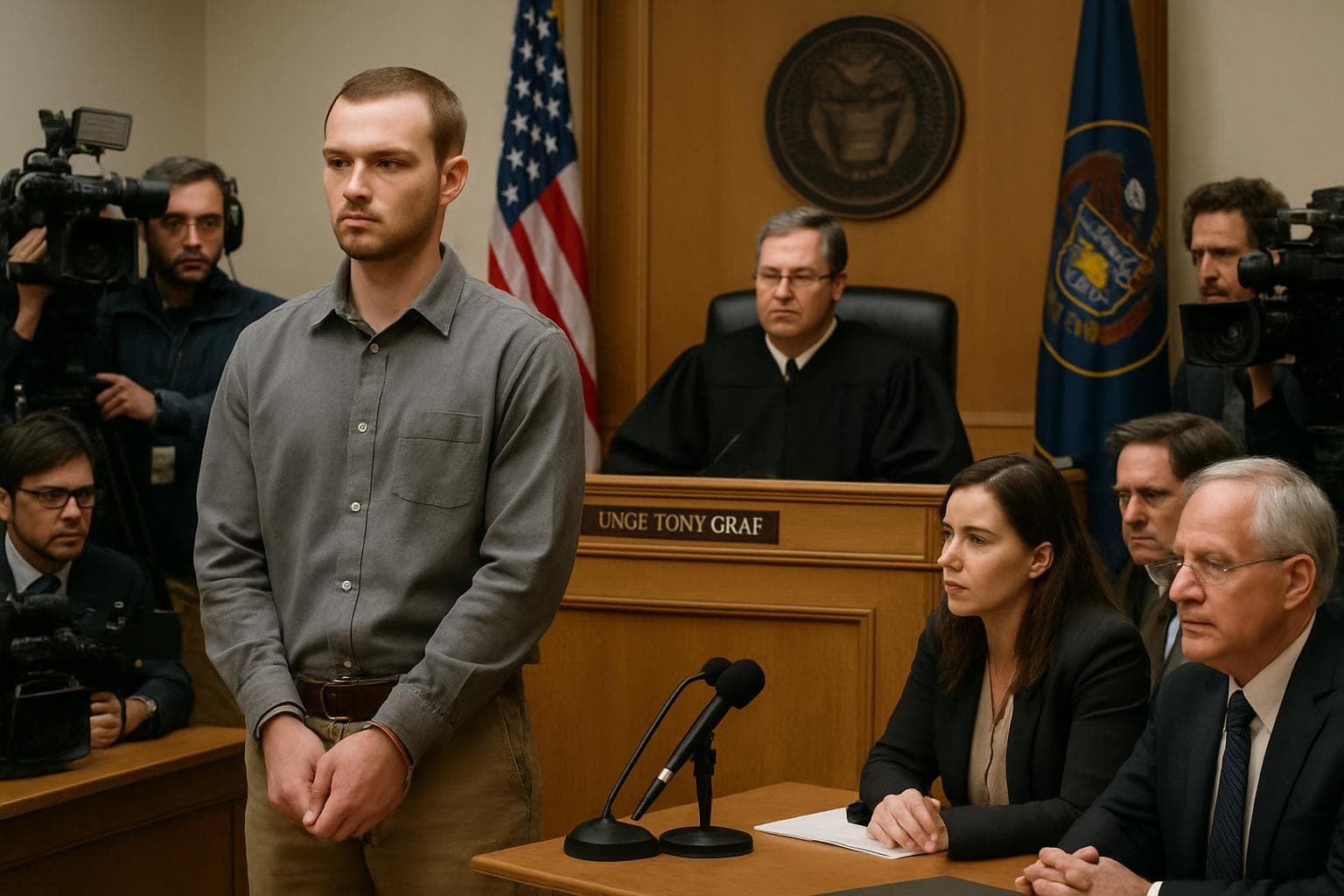
Tyler Robinson, the 22-year-old accused of murdering conservative activist Charlie Kirk, appeared in person for the first time in a Utah courtroom on Thursday. The case, which has garnered significant media attention, involves complex legal considerations about the extent of public access to the proceedings.
Media Access and Fair Trial Concerns
During the hearing, Judge Tony Graf faced the challenging task of balancing the public's right to information with Robinson's right to a fair trial. Attorneys for Robinson and the Utah County Sheriff's Office had requested a ban on courtroom cameras, fearing that extensive media coverage could prejudice potential jurors. However, a coalition of national and local news organizations, alongside Kirk's widow, Erika Kirk, argued for transparency. "We deserve to have cameras in there," Erika Kirk stated, emphasizing the importance of public accessibility.
Charges and Legal Proceedings
Robinson is charged with aggravated murder following the September 10 shooting of Kirk at Utah Valley University. If convicted, he could face the death penalty. The defendant, who turned himself in after a manhunt, has not yet entered a plea. During the court appearance, Robinson was seen in restraints but dressed in civilian clothes, a measure previously allowed by the judge to avoid influencing jurors' perceptions.
Ongoing Legal Deliberations
Judge Graf has postponed a decision on whether to release recordings and transcripts from a closed October hearing until December 29. He emphasized the need for a careful approach, stating, "I need to be narrow in my approach, it is an important issue." Meanwhile, a publicity order has been issued, preventing attorneys from making extrajudicial statements.
Public and Media Advocacy
The media coalition, represented by attorney Michael Judd, continues to advocate for open court proceedings, arguing that transparency safeguards the integrity of the judicial process. Historically, criminal cases in the U.S. have been open to the public, a practice that Judd asserts can coexist with fair trials.
WHAT THIS MIGHT MEAN
As the case progresses, the court's decisions on media access could set precedents for future high-profile trials. Legal experts suggest that maintaining transparency while ensuring a fair trial will be crucial. The outcome of Robinson's trial could also influence public discourse on media involvement in judicial proceedings. If the death penalty is pursued, it may reignite debates on capital punishment, particularly in cases involving significant media scrutiny.
Related Articles

Sundance Film Festival Bids Farewell to Utah and Founder Robert Redford

Measles Outbreak in South Carolina Threatens US Elimination Status Amid Rising Vaccine Hesitancy
Federal Court Blocks Texas Voting Maps Over Racial Gerrymandering Concerns
Canada Loses Measles-Free Status Amid Rising Outbreaks

Veteran Racer Chris Raschke Dies in High-Speed Crash at Bonneville Salt Flats
US Drops Charges Against Utah Doctor in Covid-19 Vaccine Fraud Case
Utah Court Balances Media Access in High-Profile Charlie Kirk Murder Case
In This Article
 Sofia Romano| Published
 HIGHLIGHTS
- Tyler Robinson, accused of killing activist Charlie Kirk, made his first in-person court appearance in Utah.
- The judge allowed cameras in the courtroom, balancing media access with concerns over a fair trial.
- Robinson faces aggravated murder charges and could face the death penalty if convicted.
- A coalition of news organizations and Kirk's widow advocate for transparency in the trial.
- The judge postponed a decision on media access to certain court records until December 29.
Tyler Robinson, the 22-year-old accused of murdering conservative activist Charlie Kirk, appeared in person for the first time in a Utah courtroom on Thursday. The case, which has garnered significant media attention, involves complex legal considerations about the extent of public access to the proceedings.
Media Access and Fair Trial Concerns
During the hearing, Judge Tony Graf faced the challenging task of balancing the public's right to information with Robinson's right to a fair trial. Attorneys for Robinson and the Utah County Sheriff's Office had requested a ban on courtroom cameras, fearing that extensive media coverage could prejudice potential jurors. However, a coalition of national and local news organizations, alongside Kirk's widow, Erika Kirk, argued for transparency. "We deserve to have cameras in there," Erika Kirk stated, emphasizing the importance of public accessibility.
Charges and Legal Proceedings
Robinson is charged with aggravated murder following the September 10 shooting of Kirk at Utah Valley University. If convicted, he could face the death penalty. The defendant, who turned himself in after a manhunt, has not yet entered a plea. During the court appearance, Robinson was seen in restraints but dressed in civilian clothes, a measure previously allowed by the judge to avoid influencing jurors' perceptions.
Ongoing Legal Deliberations
Judge Graf has postponed a decision on whether to release recordings and transcripts from a closed October hearing until December 29. He emphasized the need for a careful approach, stating, "I need to be narrow in my approach, it is an important issue." Meanwhile, a publicity order has been issued, preventing attorneys from making extrajudicial statements.
Public and Media Advocacy
The media coalition, represented by attorney Michael Judd, continues to advocate for open court proceedings, arguing that transparency safeguards the integrity of the judicial process. Historically, criminal cases in the U.S. have been open to the public, a practice that Judd asserts can coexist with fair trials.
WHAT THIS MIGHT MEAN
As the case progresses, the court's decisions on media access could set precedents for future high-profile trials. Legal experts suggest that maintaining transparency while ensuring a fair trial will be crucial. The outcome of Robinson's trial could also influence public discourse on media involvement in judicial proceedings. If the death penalty is pursued, it may reignite debates on capital punishment, particularly in cases involving significant media scrutiny.
Related Articles
Sundance Film Festival Bids Farewell to Utah and Founder Robert Redford
Measles Outbreak in South Carolina Threatens US Elimination Status Amid Rising Vaccine Hesitancy
Federal Court Blocks Texas Voting Maps Over Racial Gerrymandering Concerns
Canada Loses Measles-Free Status Amid Rising Outbreaks
Veteran Racer Chris Raschke Dies in High-Speed Crash at Bonneville Salt Flats
US Drops Charges Against Utah Doctor in Covid-19 Vaccine Fraud Case