
Calls for Greater Transparency in Disclosing Suspects' Nationality Amid Warwickshire Rape Case

In This Article
HIGHLIGHTS
- Home Secretary Yvette Cooper advocates for increased transparency in disclosing suspects' nationality and immigration status.
- Two Afghan men, Ahmad Mulakhil and Mohammad Kabir, are charged in a high-profile rape case in Warwickshire.
- Current guidelines from the College of Policing do not mandate the release of nationality or immigration status.
- Reform UK leader Nigel Farage criticizes the lack of disclosure as a "cover-up," prompting calls for guideline revisions.
- The Law Commission is reviewing the rules, with Cooper urging for expedited changes to rebuild public trust.
In the wake of a controversial case in Warwickshire, Home Secretary Yvette Cooper has called for changes to police guidelines to allow the disclosure of suspects' nationality and immigration status. The case involves two Afghan men, Ahmad Mulakhil and Mohammad Kabir, charged with the alleged rape of a 12-year-old girl. The incident has sparked a debate on the balance between transparency and legal fairness in criminal investigations.
Current Guidelines and Legal Context
Under the current College of Policing guidance, police forces in England and Wales are not required to disclose a suspect's nationality or immigration status when charges are filed. The guidelines, established post-2012 following the Leveson Inquiry, focus on ensuring fair trials and protecting the integrity of ongoing investigations. However, they have been criticized for lacking clarity on the disclosure of certain personal details.
Political and Public Reactions
The case has drawn significant attention, with Reform UK leader Nigel Farage labeling the police's decision to withhold nationality details as a "cover-up." This sentiment is echoed by Warwickshire County Council's leader, George Finch, who expressed concerns over potential public unrest. In response, Cooper emphasized the need for greater transparency, stating, "Local people need more information."
Ongoing Review and Potential Changes
The Law Commission is currently reviewing the guidelines, with Cooper urging for an accelerated process. She highlighted the importance of rebuilding public trust, referencing past incidents where misinformation had eroded confidence in the justice system. Cooper noted that while operational decisions rest with individual police forces and the Crown Prosecution Service, there is a pressing need for updated guidance.
Implications for Future Cases
The debate underscores the delicate balance between transparency and legal obligations. Conservative leader Kemi Badenoch warned that withholding information could lead to diminished public faith in law enforcement. As the review progresses, stakeholders are keenly watching for changes that could redefine how personal information is managed in criminal cases.
WHAT THIS MIGHT MEAN
The ongoing review by the Law Commission could lead to significant changes in how police handle the disclosure of suspects' personal information. If guidelines are revised, it may set a precedent for increased transparency, potentially impacting public trust positively. However, legal experts caution that any changes must carefully consider the risk of prejudicing trials. As the debate continues, the outcome could influence broader discussions on privacy, transparency, and justice in the UK.
Related Articles

Labour MP's Husband Arrested in UK-China Espionage Probe

Reform UK Aims to Reshape Welsh Politics with New Manifesto

Sisters Tragically Drown at Eryri National Park's Watkin Path

UK-Iran Tensions: Starmer Defends Cautious Approach Amid Trump Criticism
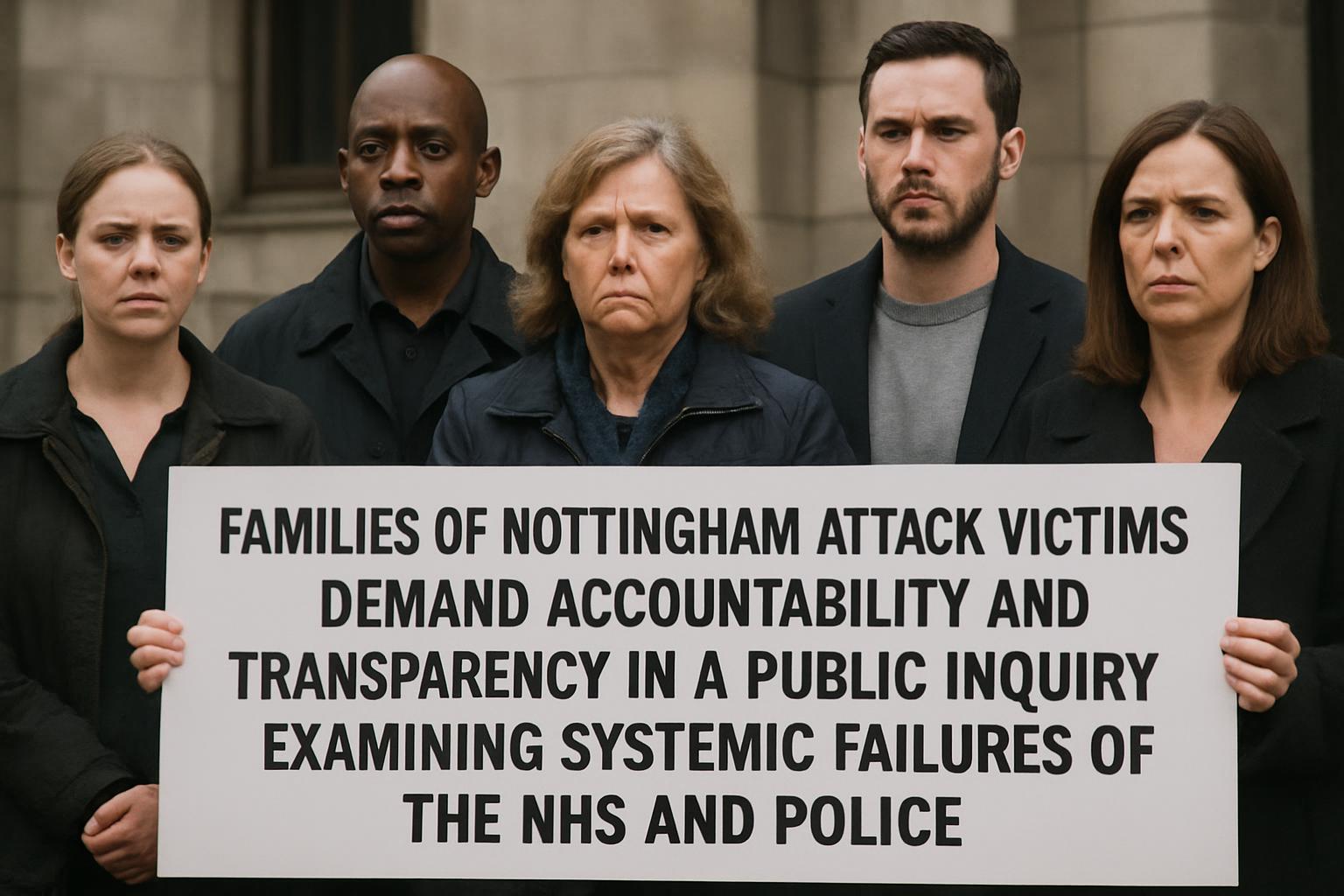
Nottingham Attacks Inquiry: Families Demand Accountability and Truth

Breakthrough Drug Offers Hope for Children with Severe Epilepsy
Calls for Greater Transparency in Disclosing Suspects' Nationality Amid Warwickshire Rape Case
In This Article
 Ethan Brooks| Published
 HIGHLIGHTS
- Home Secretary Yvette Cooper advocates for increased transparency in disclosing suspects' nationality and immigration status.
- Two Afghan men, Ahmad Mulakhil and Mohammad Kabir, are charged in a high-profile rape case in Warwickshire.
- Current guidelines from the College of Policing do not mandate the release of nationality or immigration status.
- Reform UK leader Nigel Farage criticizes the lack of disclosure as a "cover-up," prompting calls for guideline revisions.
- The Law Commission is reviewing the rules, with Cooper urging for expedited changes to rebuild public trust.
In the wake of a controversial case in Warwickshire, Home Secretary Yvette Cooper has called for changes to police guidelines to allow the disclosure of suspects' nationality and immigration status. The case involves two Afghan men, Ahmad Mulakhil and Mohammad Kabir, charged with the alleged rape of a 12-year-old girl. The incident has sparked a debate on the balance between transparency and legal fairness in criminal investigations.
Current Guidelines and Legal Context
Under the current College of Policing guidance, police forces in England and Wales are not required to disclose a suspect's nationality or immigration status when charges are filed. The guidelines, established post-2012 following the Leveson Inquiry, focus on ensuring fair trials and protecting the integrity of ongoing investigations. However, they have been criticized for lacking clarity on the disclosure of certain personal details.
Political and Public Reactions
The case has drawn significant attention, with Reform UK leader Nigel Farage labeling the police's decision to withhold nationality details as a "cover-up." This sentiment is echoed by Warwickshire County Council's leader, George Finch, who expressed concerns over potential public unrest. In response, Cooper emphasized the need for greater transparency, stating, "Local people need more information."
Ongoing Review and Potential Changes
The Law Commission is currently reviewing the guidelines, with Cooper urging for an accelerated process. She highlighted the importance of rebuilding public trust, referencing past incidents where misinformation had eroded confidence in the justice system. Cooper noted that while operational decisions rest with individual police forces and the Crown Prosecution Service, there is a pressing need for updated guidance.
Implications for Future Cases
The debate underscores the delicate balance between transparency and legal obligations. Conservative leader Kemi Badenoch warned that withholding information could lead to diminished public faith in law enforcement. As the review progresses, stakeholders are keenly watching for changes that could redefine how personal information is managed in criminal cases.
WHAT THIS MIGHT MEAN
The ongoing review by the Law Commission could lead to significant changes in how police handle the disclosure of suspects' personal information. If guidelines are revised, it may set a precedent for increased transparency, potentially impacting public trust positively. However, legal experts caution that any changes must carefully consider the risk of prejudicing trials. As the debate continues, the outcome could influence broader discussions on privacy, transparency, and justice in the UK.
Related Articles
Labour MP's Husband Arrested in UK-China Espionage Probe
Reform UK Aims to Reshape Welsh Politics with New Manifesto
Sisters Tragically Drown at Eryri National Park's Watkin Path
UK-Iran Tensions: Starmer Defends Cautious Approach Amid Trump Criticism
Nottingham Attacks Inquiry: Families Demand Accountability and Truth
Breakthrough Drug Offers Hope for Children with Severe Epilepsy