
Water Crisis in Kent and Sussex: Thousands Affected by Ongoing Supply Disruptions

In This Article
HIGHLIGHTS
- South East Water's network issues have left over 30,000 homes in Kent and Sussex without water for up to six days.
- The water crisis has forced schools and businesses, including pubs and restaurants, to close, severely impacting local economies.
- Residents are relying on bottled water distribution centers, with many expressing frustration over the lack of maintenance and communication.
- The water outage follows a previous incident in November, highlighting ongoing infrastructure problems within South East Water.
- Local MP Mike Martin has been actively involved, addressing concerns about the water supply and its impact on vulnerable residents.
Residents across Kent and Sussex are grappling with a severe water supply disruption, as South East Water struggles to address ongoing issues in its network. Over 30,000 homes have been left without water for up to six days, causing significant distress and inconvenience.
Impact on Local Communities
The water crisis has hit local communities hard, with schools and businesses forced to close their doors. The Abergavenny Arms pub in Frant reported losing approximately £500 worth of food due to the outage. "It's killing us small businesses," a spokesperson lamented, fearing the pub might go bust if the situation persists.
Infrastructure Challenges
The current crisis follows a similar incident in November, when a local water treatment center shutdown left 24,000 households without water for two weeks. The Drinking Water Inspectorate had previously flagged the site as at risk, citing a lack of maintenance. South East Water attributes the latest disruptions to freezing weather causing leaks in its aging pipe network.
Community Response and Support
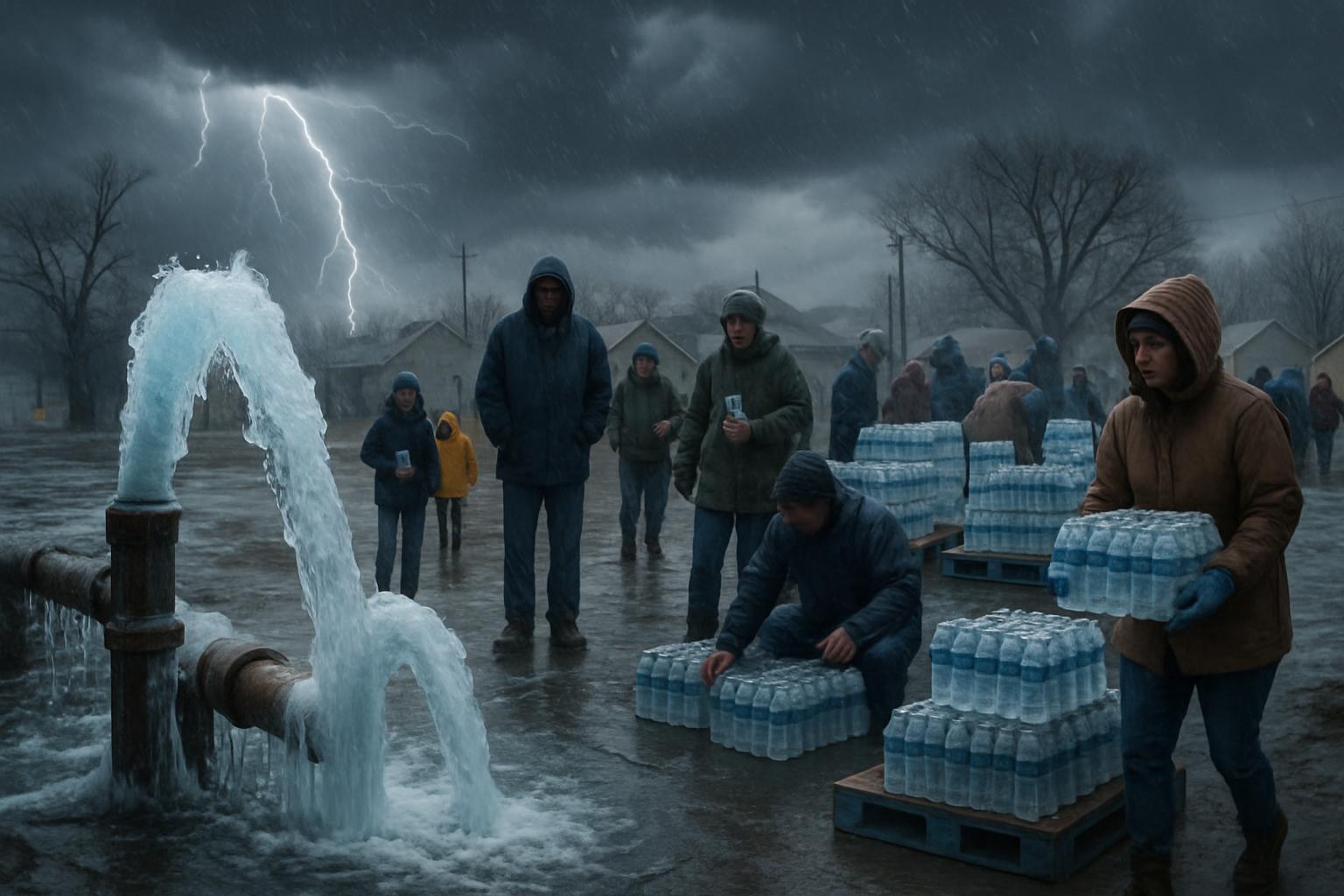
In response to the crisis, bottled water distribution centers have been set up across affected areas, including Tunbridge Wells and East Grinstead. Residents like Gary have had to rely on local gyms for showers, while others, such as Kama Bass, express concern over the environmental impact of using plastic water bottles.
Local MP Mike Martin has been actively addressing the crisis, highlighting the plight of vulnerable residents. "It's a real disaster not having water," he stated, emphasizing the urgent need for a reliable water supply.
WHAT THIS MIGHT MEAN
The ongoing water crisis in Kent and Sussex underscores the urgent need for infrastructure improvements within South East Water's network. If maintenance issues are not addressed, similar disruptions could recur, further impacting local communities and economies. Experts suggest that investment in modernizing the aging infrastructure is crucial to prevent future outages.
Politically, the crisis may lead to increased scrutiny of South East Water's operations and regulatory oversight. Local authorities and residents are likely to demand accountability and transparency in addressing the root causes of the disruptions. As the situation unfolds, the focus will remain on ensuring a stable and reliable water supply for the affected regions.
Related Articles

Water Crisis in Kent and Sussex: Thousands Without Supply Amid Storm-Induced Disruptions

Kent Residents Endure Water Supply Disruptions Amidst South East Water Criticism
Water Supply Restored in Kent and Sussex After Week-Long Disruption

South East Water Faces Regulatory Scrutiny Amid Widespread Outages
UK Government Unveils Major Reforms to Water Industry Amidst Pollution Concerns

Spectacular Northern and Southern Lights Illuminate Skies Amid Solar Storm
Water Crisis in Kent and Sussex: Thousands Affected by Ongoing Supply Disruptions
In This Article
 Leila Hassan| Published
 HIGHLIGHTS
- South East Water's network issues have left over 30,000 homes in Kent and Sussex without water for up to six days.
- The water crisis has forced schools and businesses, including pubs and restaurants, to close, severely impacting local economies.
- Residents are relying on bottled water distribution centers, with many expressing frustration over the lack of maintenance and communication.
- The water outage follows a previous incident in November, highlighting ongoing infrastructure problems within South East Water.
- Local MP Mike Martin has been actively involved, addressing concerns about the water supply and its impact on vulnerable residents.
Residents across Kent and Sussex are grappling with a severe water supply disruption, as South East Water struggles to address ongoing issues in its network. Over 30,000 homes have been left without water for up to six days, causing significant distress and inconvenience.
Impact on Local Communities
The water crisis has hit local communities hard, with schools and businesses forced to close their doors. The Abergavenny Arms pub in Frant reported losing approximately £500 worth of food due to the outage. "It's killing us small businesses," a spokesperson lamented, fearing the pub might go bust if the situation persists.
Infrastructure Challenges
The current crisis follows a similar incident in November, when a local water treatment center shutdown left 24,000 households without water for two weeks. The Drinking Water Inspectorate had previously flagged the site as at risk, citing a lack of maintenance. South East Water attributes the latest disruptions to freezing weather causing leaks in its aging pipe network.
Community Response and Support
In response to the crisis, bottled water distribution centers have been set up across affected areas, including Tunbridge Wells and East Grinstead. Residents like Gary have had to rely on local gyms for showers, while others, such as Kama Bass, express concern over the environmental impact of using plastic water bottles.
Local MP Mike Martin has been actively addressing the crisis, highlighting the plight of vulnerable residents. "It's a real disaster not having water," he stated, emphasizing the urgent need for a reliable water supply.
WHAT THIS MIGHT MEAN
The ongoing water crisis in Kent and Sussex underscores the urgent need for infrastructure improvements within South East Water's network. If maintenance issues are not addressed, similar disruptions could recur, further impacting local communities and economies. Experts suggest that investment in modernizing the aging infrastructure is crucial to prevent future outages.
Politically, the crisis may lead to increased scrutiny of South East Water's operations and regulatory oversight. Local authorities and residents are likely to demand accountability and transparency in addressing the root causes of the disruptions. As the situation unfolds, the focus will remain on ensuring a stable and reliable water supply for the affected regions.
Related Articles
Water Crisis in Kent and Sussex: Thousands Without Supply Amid Storm-Induced Disruptions
Kent Residents Endure Water Supply Disruptions Amidst South East Water Criticism
Water Supply Restored in Kent and Sussex After Week-Long Disruption
South East Water Faces Regulatory Scrutiny Amid Widespread Outages
UK Government Unveils Major Reforms to Water Industry Amidst Pollution Concerns
Spectacular Northern and Southern Lights Illuminate Skies Amid Solar Storm