
Water Supply Restored in Kent and Sussex After Week-Long Disruption
In This Article
HIGHLIGHTS
- South East Water (SEW) restored water to most of the 30,000 affected properties in Kent and Sussex after a week-long disruption.
- The crisis, triggered by Storm Goretti and cold weather, led to burst pipes and power cuts, prompting an investigation by Ofwat.
- SEW's recovery plan involved shutting off booster pumps to refill storage tanks, but some areas still face low pressure and airlocks.
- Residents relied on bottled water stations, with ongoing supply issues prompting calls for SEW's CEO to resign.
- Ofwat's investigation could lead to penalties or even revocation of SEW's licence if breaches are confirmed.
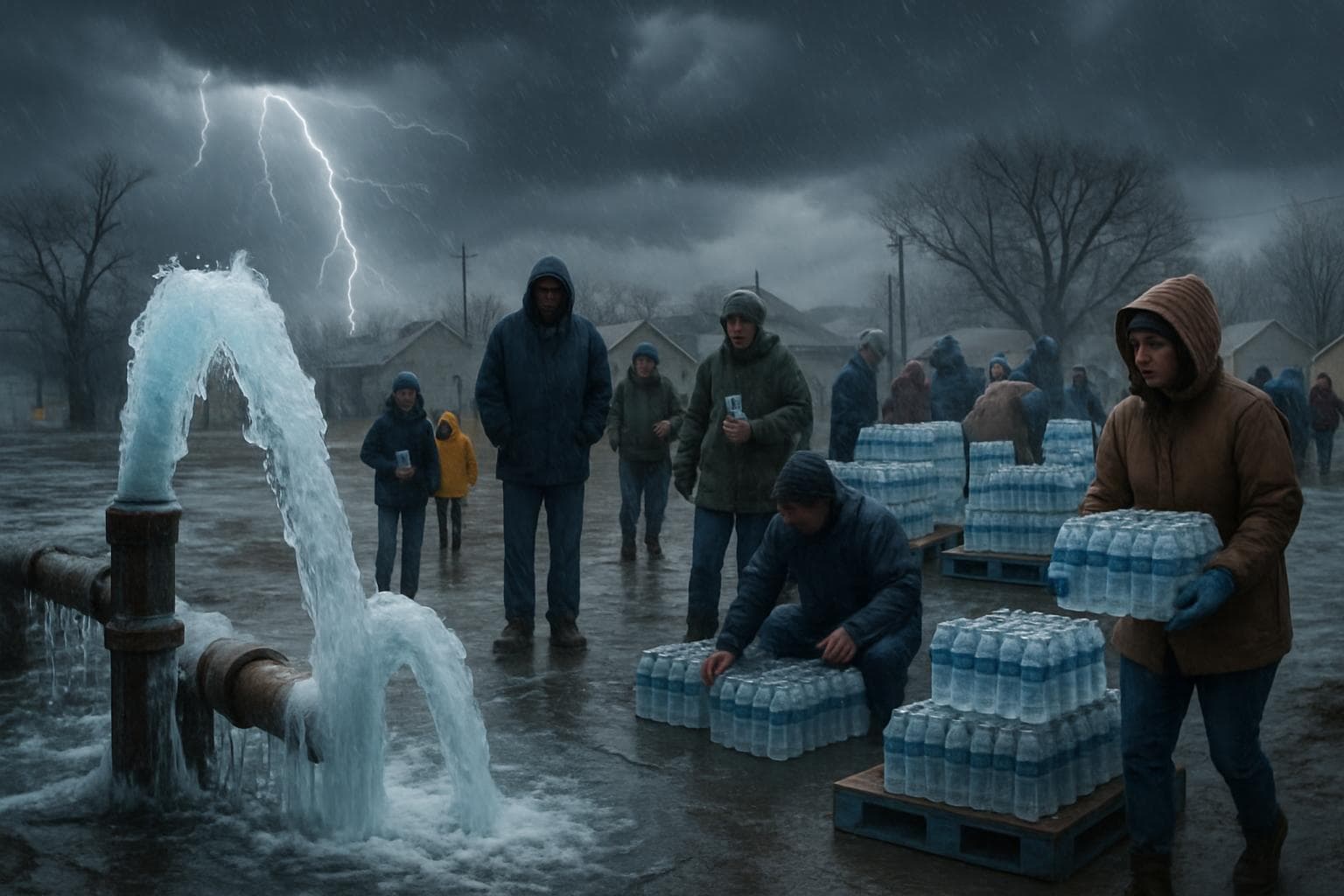
Water supplies have been largely restored to homes across Kent and Sussex following a week of significant disruption, South East Water (SEW) announced. The crisis, which left approximately 30,000 properties without water, was attributed to Storm Goretti and freezing temperatures that caused burst pipes and power outages.
Impact of Storm Goretti and Cold Weather
The water supply issues began on a Saturday, affecting thousands of residents who faced low water pressure or complete outages. SEW's incident manager, Matthew Dean, explained that the recovery plan involved turning off local booster pumps for 36 hours to allow storage tanks to refill. Despite these efforts, some areas, like Bidborough, continue to experience low water levels, necessitating the use of tankers to maintain supply.
Community Response and Bottled Water Distribution
Residents in affected areas, including Tunbridge Wells and East Grinstead, relied heavily on bottled water stations set up by SEW. The company prioritized deliveries to vulnerable customers, such as those with medical conditions or young children. However, frustrations remain high among residents like Stephen Bales, who expressed a loss of trust in SEW due to the prolonged disruption.
Regulatory Scrutiny and Potential Consequences
The crisis has drawn the attention of Ofwat, the water industry regulator, which launched an investigation into SEW's handling of the situation. The inquiry will assess whether SEW breached its licence conditions by failing to meet customer service standards. Potential outcomes include fines or even the revocation of SEW's licence, which could lead to special administration until a new operator is found.
Calls for Accountability and Future Implications
The disruption follows a similar incident just two months prior, raising concerns about SEW's infrastructure resilience. With SEW's CEO facing calls to resign, the company has requested an additional £300 million in funding to address network issues. Water Minister Emma Hardy emphasized the need for investment in infrastructure to prevent future crises.
WHAT THIS MIGHT MEAN
The ongoing investigation by Ofwat could have significant implications for South East Water. If found in breach of its licence, SEW may face substantial fines or even lose its licence, leading to a change in management. This situation underscores the urgent need for infrastructure improvements to prevent future disruptions. As the region braces for potential drought conditions, the importance of resilient water systems becomes increasingly critical. The outcome of this investigation could set a precedent for how water companies are held accountable for service failures, potentially influencing regulatory policies and investment priorities in the sector.
Images from the Web
Related Articles

Kent Residents Endure Water Supply Disruptions Amidst South East Water Criticism
UK Government Unveils Major Reforms to Water Industry Amidst Pollution Concerns
UK's PFAS Action Plan Faces Criticism Amid Environmental Concerns
MPs Challenge Rising Costs of Thames Water's Reservoir Amid Regulatory Overhaul Plans

Spectacular Northern and Southern Lights Illuminate Skies Amid Solar Storm
South West Water Faces Legal Repercussions Over Devon Parasite Outbreak
Water Supply Restored in Kent and Sussex After Week-Long Disruption
In This Article
 Leila Hassan| Published
 HIGHLIGHTS
- South East Water (SEW) restored water to most of the 30,000 affected properties in Kent and Sussex after a week-long disruption.
- The crisis, triggered by Storm Goretti and cold weather, led to burst pipes and power cuts, prompting an investigation by Ofwat.
- SEW's recovery plan involved shutting off booster pumps to refill storage tanks, but some areas still face low pressure and airlocks.
- Residents relied on bottled water stations, with ongoing supply issues prompting calls for SEW's CEO to resign.
- Ofwat's investigation could lead to penalties or even revocation of SEW's licence if breaches are confirmed.
Water supplies have been largely restored to homes across Kent and Sussex following a week of significant disruption, South East Water (SEW) announced. The crisis, which left approximately 30,000 properties without water, was attributed to Storm Goretti and freezing temperatures that caused burst pipes and power outages.
Impact of Storm Goretti and Cold Weather
The water supply issues began on a Saturday, affecting thousands of residents who faced low water pressure or complete outages. SEW's incident manager, Matthew Dean, explained that the recovery plan involved turning off local booster pumps for 36 hours to allow storage tanks to refill. Despite these efforts, some areas, like Bidborough, continue to experience low water levels, necessitating the use of tankers to maintain supply.
Community Response and Bottled Water Distribution
Residents in affected areas, including Tunbridge Wells and East Grinstead, relied heavily on bottled water stations set up by SEW. The company prioritized deliveries to vulnerable customers, such as those with medical conditions or young children. However, frustrations remain high among residents like Stephen Bales, who expressed a loss of trust in SEW due to the prolonged disruption.
Regulatory Scrutiny and Potential Consequences
The crisis has drawn the attention of Ofwat, the water industry regulator, which launched an investigation into SEW's handling of the situation. The inquiry will assess whether SEW breached its licence conditions by failing to meet customer service standards. Potential outcomes include fines or even the revocation of SEW's licence, which could lead to special administration until a new operator is found.
Calls for Accountability and Future Implications
The disruption follows a similar incident just two months prior, raising concerns about SEW's infrastructure resilience. With SEW's CEO facing calls to resign, the company has requested an additional £300 million in funding to address network issues. Water Minister Emma Hardy emphasized the need for investment in infrastructure to prevent future crises.
WHAT THIS MIGHT MEAN
The ongoing investigation by Ofwat could have significant implications for South East Water. If found in breach of its licence, SEW may face substantial fines or even lose its licence, leading to a change in management. This situation underscores the urgent need for infrastructure improvements to prevent future disruptions. As the region braces for potential drought conditions, the importance of resilient water systems becomes increasingly critical. The outcome of this investigation could set a precedent for how water companies are held accountable for service failures, potentially influencing regulatory policies and investment priorities in the sector.
Images from the Web
Related Articles
Kent Residents Endure Water Supply Disruptions Amidst South East Water Criticism
UK Government Unveils Major Reforms to Water Industry Amidst Pollution Concerns
UK's PFAS Action Plan Faces Criticism Amid Environmental Concerns
MPs Challenge Rising Costs of Thames Water's Reservoir Amid Regulatory Overhaul Plans
Spectacular Northern and Southern Lights Illuminate Skies Amid Solar Storm
South West Water Faces Legal Repercussions Over Devon Parasite Outbreak