
UK Government Unveils Major Reforms to Water Industry Amidst Pollution Concerns
In This Article
HIGHLIGHTS
- The UK government has announced significant reforms to the water industry, including surprise inspections and mandatory water efficiency labels.
- Environment Secretary Emma Reynolds described the changes as a "once-in-a-generation" overhaul, aiming to increase accountability and transparency.
- The reforms include a new regulatory framework with company-specific supervisory teams and a chief engineer role to replace Ofwat.
- Critics argue the reforms lack urgency and fail to address the root causes of pollution, with some companies potentially being let off pollution fines.
- Thames Water, recently fined over £120m for environmental breaches, is among the companies that could benefit from deferred penalties under the new regime.
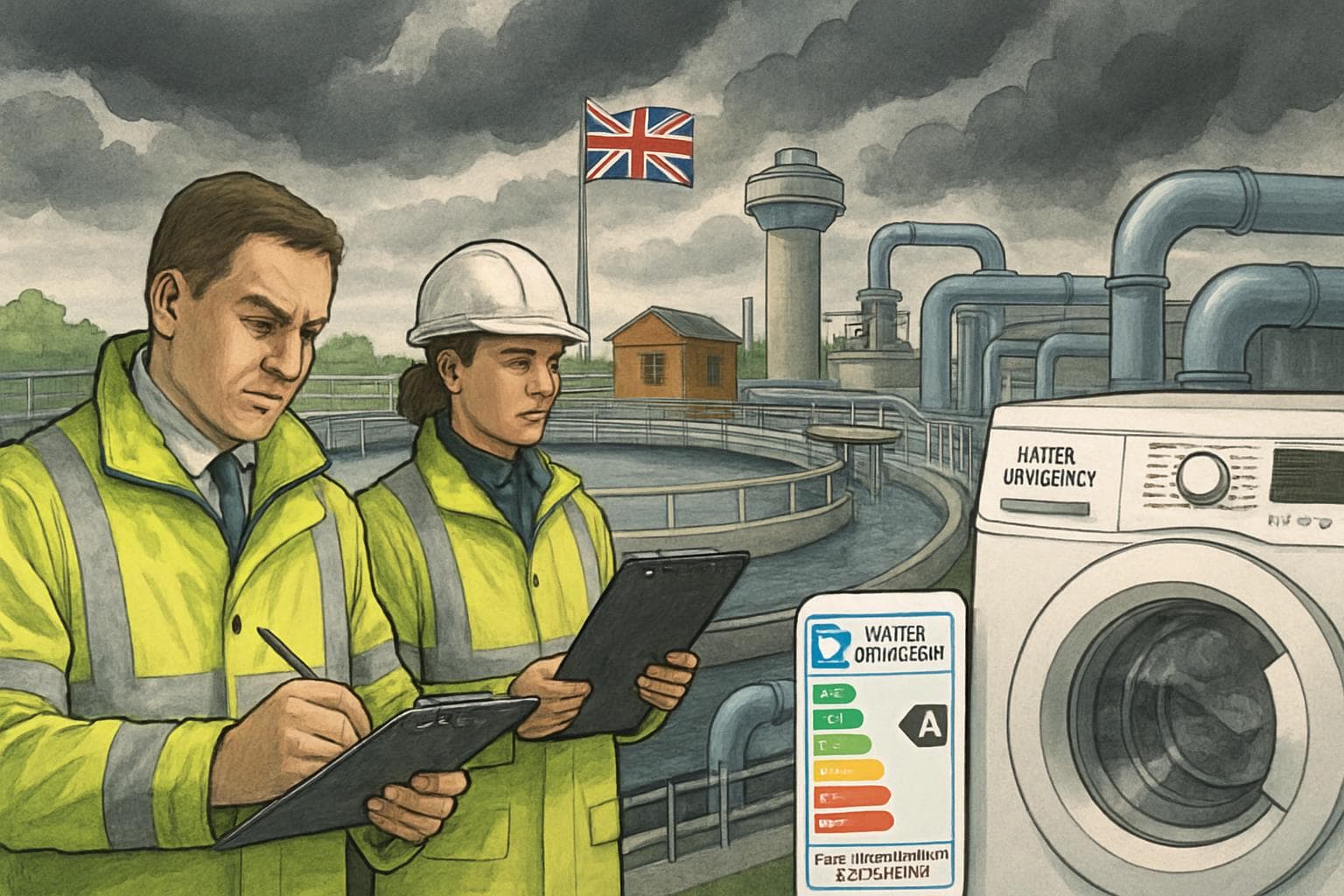
The UK government has announced sweeping reforms to the water industry, marking the most significant changes since its privatisation in the late 1980s. Environment Secretary Emma Reynolds introduced the measures, which include unannounced inspections and mandatory water efficiency labels on household appliances, as part of a comprehensive strategy to tackle pollution and improve water management.
Enhanced Oversight and Accountability
The reforms, outlined in a new government white paper, aim to increase transparency and accountability within the water sector. Reynolds emphasized that the changes would ensure "nowhere to hide" for underperforming companies. The introduction of company-specific supervisory teams and a new chief engineer role at the regulator, set to replace Ofwat, are central to this initiative. These teams will focus on addressing the unique challenges faced by each firm, moving away from a generic, one-size-fits-all approach.
Controversial Approach to Pollution Fines
A notable aspect of the reforms is the potential for water companies to have pollution fines managed or deferred to prevent financial collapse. This has sparked criticism from environmental campaigners, who argue that such measures allow companies to evade responsibility. Thames Water, which was fined over £120 million for environmental breaches in 2025, is among the companies that could benefit from this leniency. Critics, including Richard Benwell of Wildlife and Countryside Link, insist that companies should face the consequences of their actions to uphold public environmental interests.
Addressing Infrastructure Challenges
The reforms also address the aging infrastructure that has contributed to recent water outages affecting thousands of homes in regions like Kent and Sussex. The introduction of an "MOT for water companies" will require firms to disclose the state of their infrastructure, aiming to prevent future disruptions. The UK's water infrastructure, much of which dates back to the Victorian era, has been criticized for its outdated and poorly maintained systems.
Mixed Reactions from Stakeholders
While some industry sources welcome the proposed turnaround regime, acknowledging the need for stability, others, like River Action's James Wallace, argue that the reforms fall short of addressing the fundamental issues. Wallace contends that the government's approach lacks the boldness required to tackle the "freshwater emergency" effectively.
WHAT THIS MIGHT MEAN
The government's reforms could lead to significant improvements in the water industry's accountability and infrastructure management. However, the decision to potentially defer pollution fines may undermine efforts to hold companies accountable, risking continued environmental harm. If the reforms succeed, they could set a precedent for regulatory frameworks in other sectors. Conversely, failure to address the root causes of pollution and infrastructure decay could lead to further public dissatisfaction and calls for more radical solutions, such as re-nationalisation. As the new regulatory framework takes shape, its effectiveness will largely depend on the independence and funding of the new regulator and the willingness of water companies to embrace change.
Related Articles
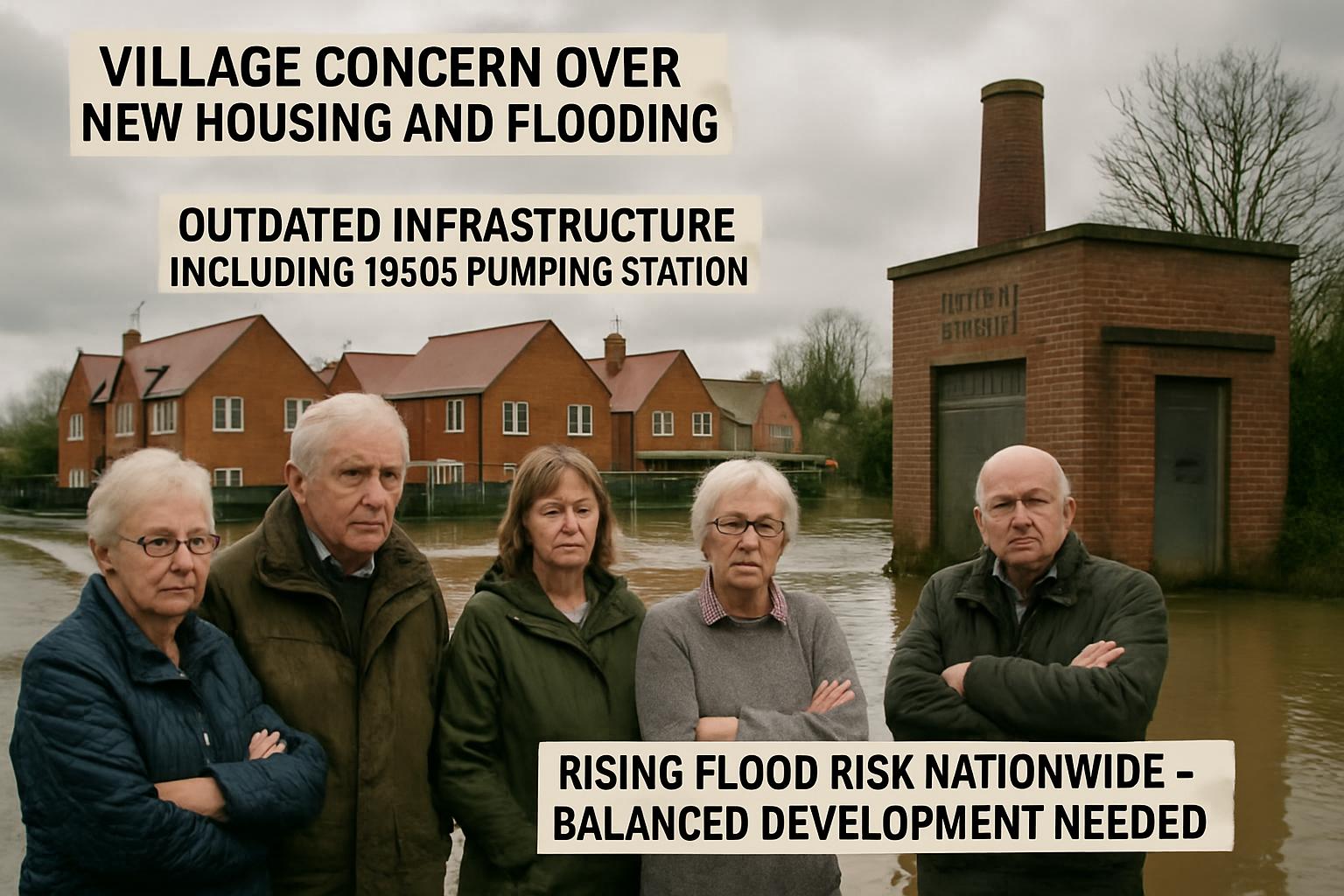
Flood Risk and Housing Development: A Growing Concern in England
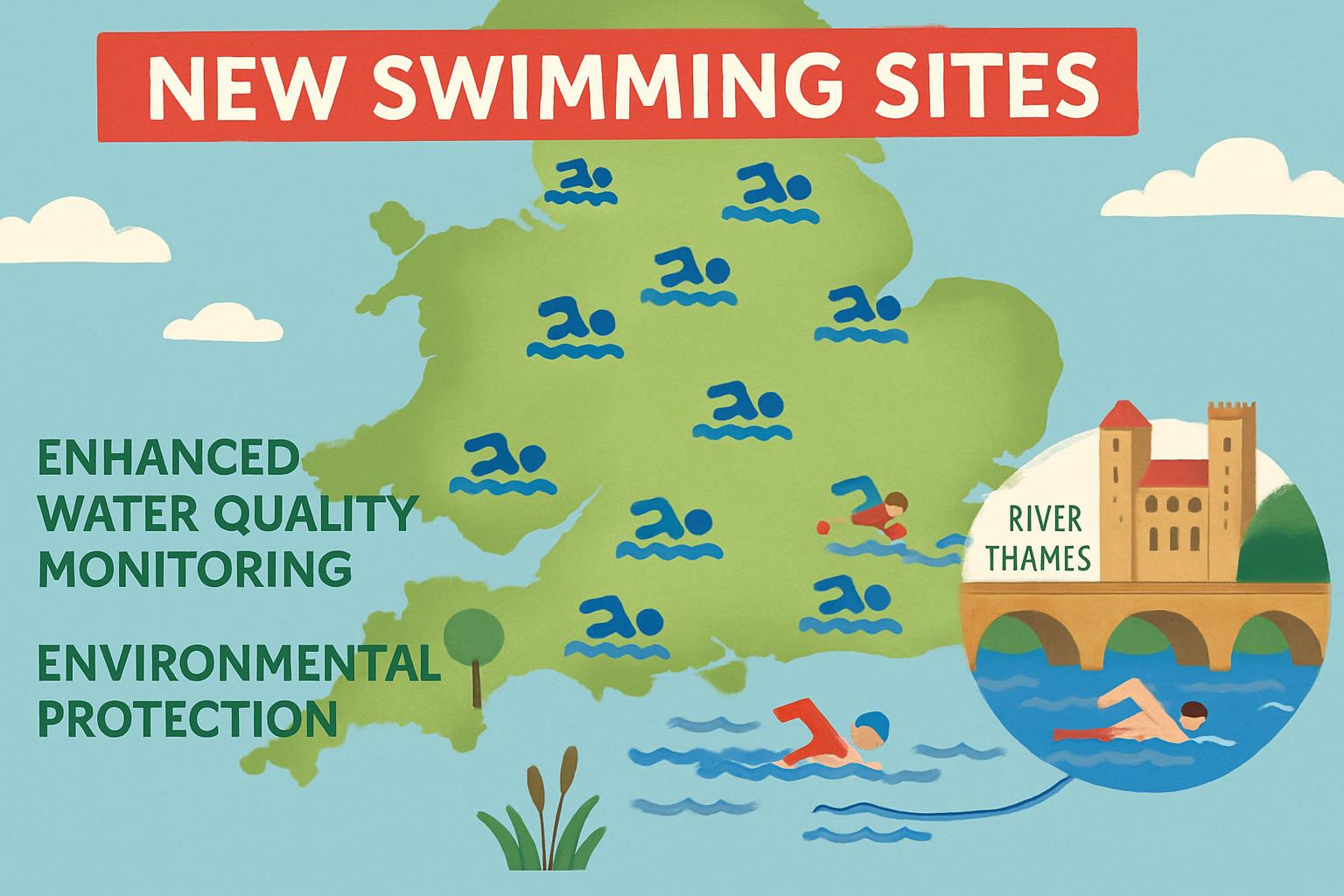
New Swimming Sites Proposed to Boost Water Quality Across England
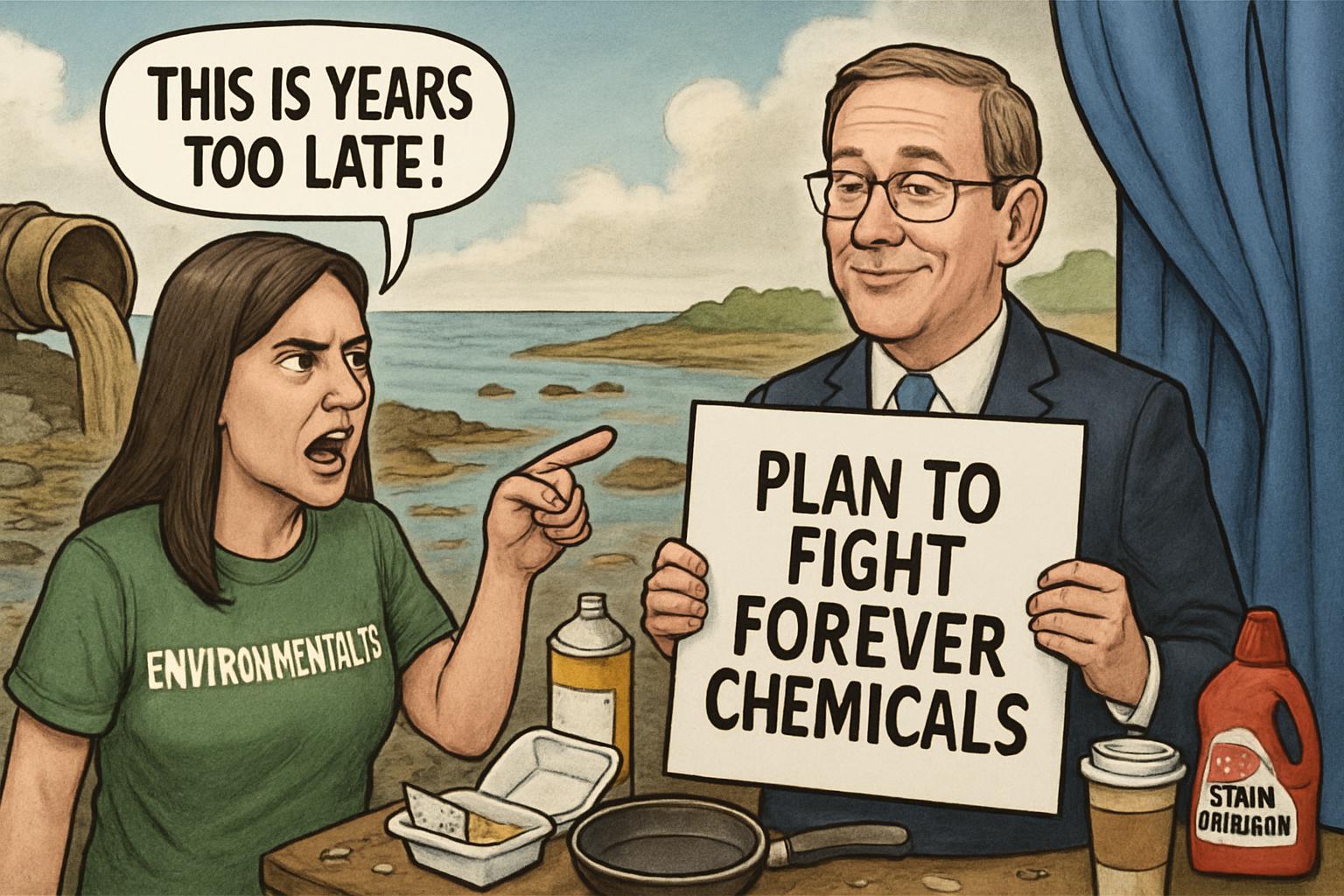
UK's PFAS Action Plan Faces Criticism Amid Environmental Concerns
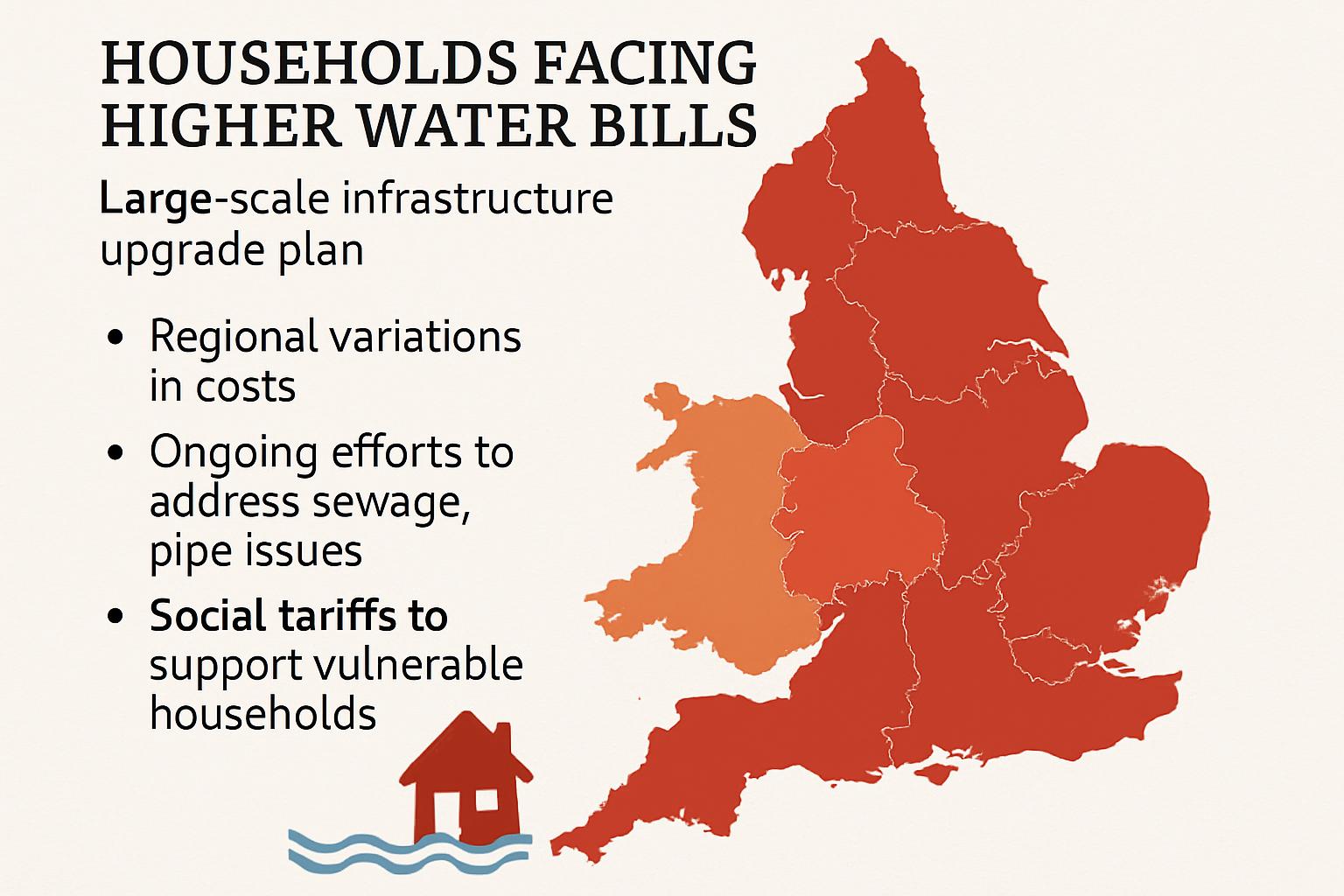
Water Bills Set to Rise as Companies Invest in Infrastructure Upgrades

UK Government Considers Removing Andrew Mountbatten-Windsor from Royal Succession Amid Arrest

Crackdown on Waste Crime: £1.2 Million Fine and New Drone Unit to Combat Illegal Dumping
UK Government Unveils Major Reforms to Water Industry Amidst Pollution Concerns
In This Article
 Leila Hassan| Published
 HIGHLIGHTS
- The UK government has announced significant reforms to the water industry, including surprise inspections and mandatory water efficiency labels.
- Environment Secretary Emma Reynolds described the changes as a "once-in-a-generation" overhaul, aiming to increase accountability and transparency.
- The reforms include a new regulatory framework with company-specific supervisory teams and a chief engineer role to replace Ofwat.
- Critics argue the reforms lack urgency and fail to address the root causes of pollution, with some companies potentially being let off pollution fines.
- Thames Water, recently fined over £120m for environmental breaches, is among the companies that could benefit from deferred penalties under the new regime.
The UK government has announced sweeping reforms to the water industry, marking the most significant changes since its privatisation in the late 1980s. Environment Secretary Emma Reynolds introduced the measures, which include unannounced inspections and mandatory water efficiency labels on household appliances, as part of a comprehensive strategy to tackle pollution and improve water management.
Enhanced Oversight and Accountability
The reforms, outlined in a new government white paper, aim to increase transparency and accountability within the water sector. Reynolds emphasized that the changes would ensure "nowhere to hide" for underperforming companies. The introduction of company-specific supervisory teams and a new chief engineer role at the regulator, set to replace Ofwat, are central to this initiative. These teams will focus on addressing the unique challenges faced by each firm, moving away from a generic, one-size-fits-all approach.
Controversial Approach to Pollution Fines
A notable aspect of the reforms is the potential for water companies to have pollution fines managed or deferred to prevent financial collapse. This has sparked criticism from environmental campaigners, who argue that such measures allow companies to evade responsibility. Thames Water, which was fined over £120 million for environmental breaches in 2025, is among the companies that could benefit from this leniency. Critics, including Richard Benwell of Wildlife and Countryside Link, insist that companies should face the consequences of their actions to uphold public environmental interests.
Addressing Infrastructure Challenges
The reforms also address the aging infrastructure that has contributed to recent water outages affecting thousands of homes in regions like Kent and Sussex. The introduction of an "MOT for water companies" will require firms to disclose the state of their infrastructure, aiming to prevent future disruptions. The UK's water infrastructure, much of which dates back to the Victorian era, has been criticized for its outdated and poorly maintained systems.
Mixed Reactions from Stakeholders
While some industry sources welcome the proposed turnaround regime, acknowledging the need for stability, others, like River Action's James Wallace, argue that the reforms fall short of addressing the fundamental issues. Wallace contends that the government's approach lacks the boldness required to tackle the "freshwater emergency" effectively.
WHAT THIS MIGHT MEAN
The government's reforms could lead to significant improvements in the water industry's accountability and infrastructure management. However, the decision to potentially defer pollution fines may undermine efforts to hold companies accountable, risking continued environmental harm. If the reforms succeed, they could set a precedent for regulatory frameworks in other sectors. Conversely, failure to address the root causes of pollution and infrastructure decay could lead to further public dissatisfaction and calls for more radical solutions, such as re-nationalisation. As the new regulatory framework takes shape, its effectiveness will largely depend on the independence and funding of the new regulator and the willingness of water companies to embrace change.
Related Articles
Flood Risk and Housing Development: A Growing Concern in England
New Swimming Sites Proposed to Boost Water Quality Across England
UK's PFAS Action Plan Faces Criticism Amid Environmental Concerns
Water Bills Set to Rise as Companies Invest in Infrastructure Upgrades
UK Government Considers Removing Andrew Mountbatten-Windsor from Royal Succession Amid Arrest
Crackdown on Waste Crime: £1.2 Million Fine and New Drone Unit to Combat Illegal Dumping