
Water Bills Set to Rise as Companies Invest in Infrastructure Upgrades
In This Article
HIGHLIGHTS
- Water bills in England and Wales will rise by an average of £33, or 5.4%, from April, with the average annual bill reaching £639.
- Ofwat has approved a £104bn investment plan for water companies between 2025 and 2030 to address infrastructure needs and sewage issues.
- Yorkshire Water plans a 5.6% increase to fund an £8.3bn infrastructure improvement scheme, including reducing sewage discharges.
- Water UK states that 2.5 million households will receive social tariffs, offering up to 40% off their bills to support affordability.
- Critics argue that bill increases unfairly burden consumers for past underinvestment, calling for a stronger safety net for vulnerable households.
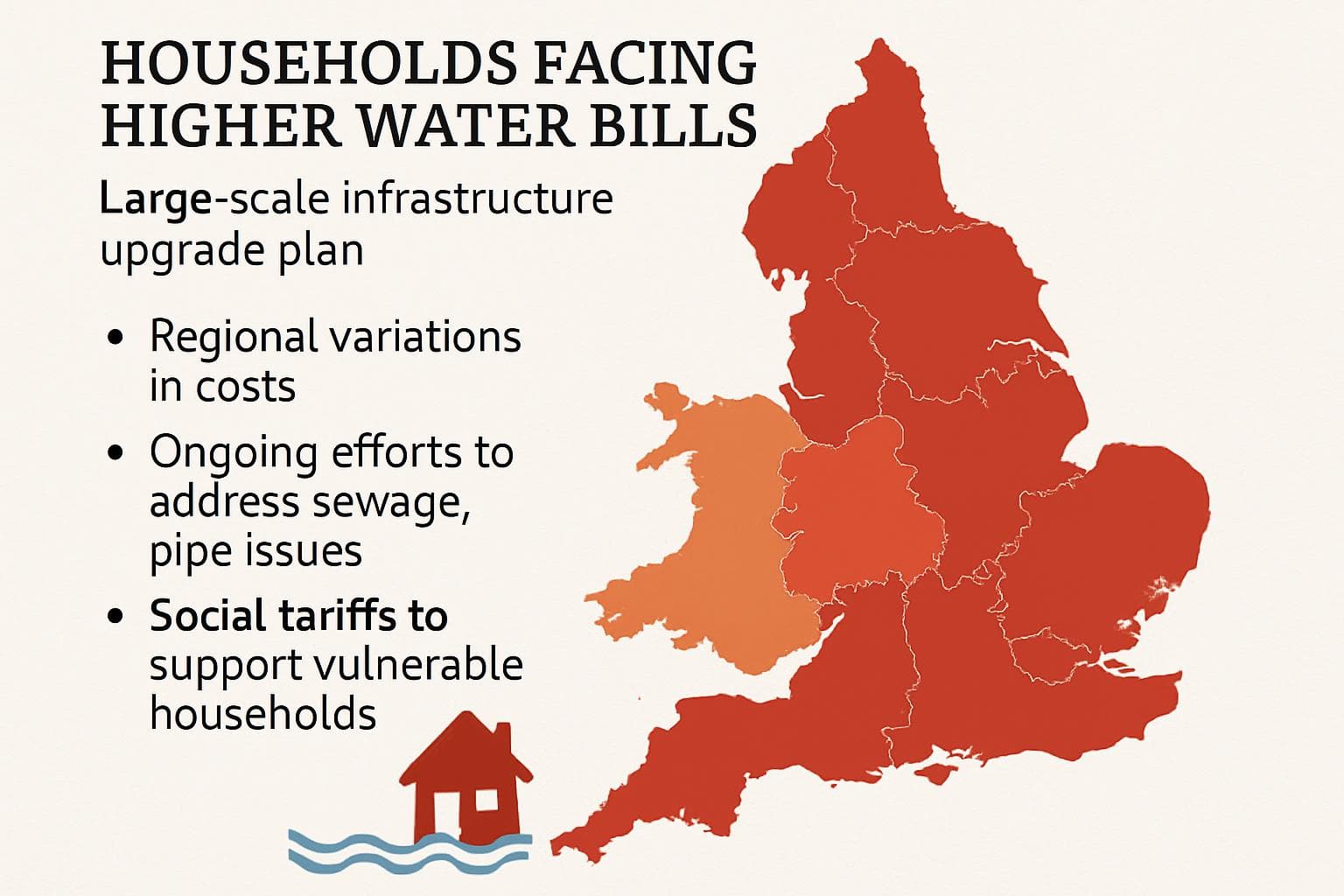
Households across England and Wales are bracing for a significant increase in water bills, with average costs set to rise by £33 to £639 annually from April. This 5.4% hike, announced by Water UK, comes amid ongoing efforts to address long-standing issues with leaking pipes and sewage treatment facilities. The increase is part of a broader strategy approved by the regulator, Ofwat, which has sanctioned a £104 billion investment plan for water companies over the next five years.
Regional Variations and Investment Plans
While the average increase is 5.4%, the impact on households will vary significantly by region. Southern Water customers will face the highest average bills at £759, while Thames Water will see a modest rise of just £3. Yorkshire Water has announced a 5.6% increase, translating to an additional £2.80 per month for households. This rise will support an ambitious £8.3 billion scheme aimed at improving infrastructure, including reducing sewage discharges and replacing 353 kilometers of mains.
Addressing Sewage and Infrastructure Challenges
The need for these investments has been underscored by public outcry over sewage spills into rivers and seas. Water companies have faced mounting criticism for past underinvestment, which has led to significant infrastructure challenges. David Henderson, Chief Executive of Water UK, emphasized the necessity of these upgrades, stating, "We urgently need investment in our water and sewage infrastructure to secure supplies and support economic growth."
Support for Vulnerable Households
To mitigate the impact on vulnerable households, Water UK has announced that 2.5 million households will benefit from social tariffs, offering up to 40% off their bills. However, the Consumer Council for Water (CCW) has highlighted the inconsistencies in support across regions, describing it as a "postcode lottery." Mike Keil, CCW's Chief Executive, called for a stronger safety net, noting that complaints about water bill affordability have tripled in the past year.
WHAT THIS MIGHT MEAN
As water companies embark on this extensive investment program, the focus will be on delivering tangible improvements to infrastructure and reducing environmental impacts. However, the financial burden on consumers remains a contentious issue. If public dissatisfaction continues to grow, it could prompt further regulatory scrutiny and potential policy changes to ensure fairer distribution of costs. Additionally, the success of these investments will be closely monitored, with stakeholders demanding transparency and accountability to ensure that consumer funds are effectively utilized.
Related Articles

Saharan Dust to Illuminate UK Skies with Vivid Sunrises and Sunsets
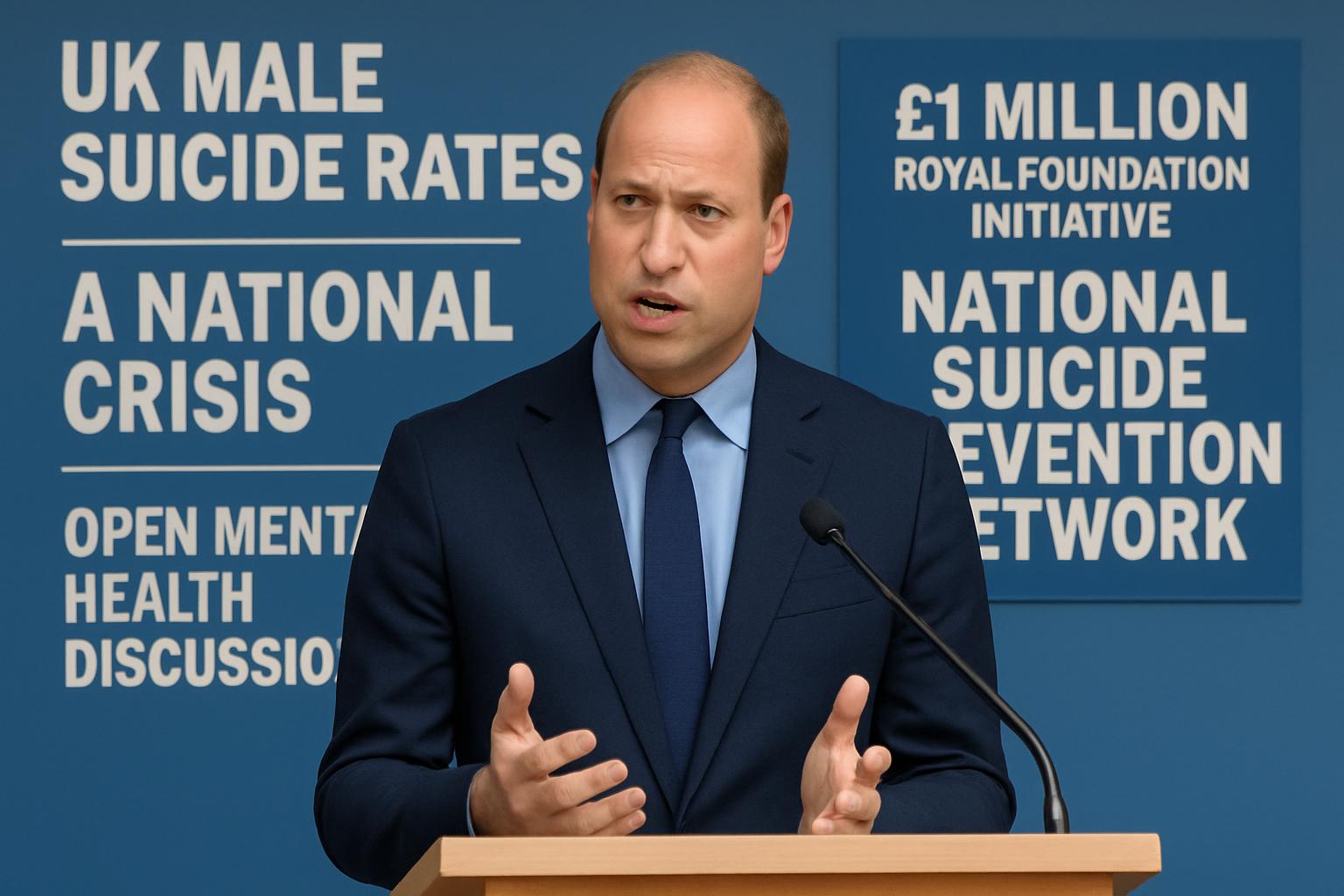
Prince William Calls for Action on UK Male Suicide Rates

Sisters Tragically Drown at Eryri National Park's Watkin Path

Labour MP's Husband Arrested in UK-China Espionage Probe

Police Federation Chief Arrested Amid Fraud Investigation

Government Announces £4 Billion Overhaul of SEND Support in England
Water Bills Set to Rise as Companies Invest in Infrastructure Upgrades
In This Article
 Daniel Rivera| Published
 HIGHLIGHTS
- Water bills in England and Wales will rise by an average of £33, or 5.4%, from April, with the average annual bill reaching £639.
- Ofwat has approved a £104bn investment plan for water companies between 2025 and 2030 to address infrastructure needs and sewage issues.
- Yorkshire Water plans a 5.6% increase to fund an £8.3bn infrastructure improvement scheme, including reducing sewage discharges.
- Water UK states that 2.5 million households will receive social tariffs, offering up to 40% off their bills to support affordability.
- Critics argue that bill increases unfairly burden consumers for past underinvestment, calling for a stronger safety net for vulnerable households.
Households across England and Wales are bracing for a significant increase in water bills, with average costs set to rise by £33 to £639 annually from April. This 5.4% hike, announced by Water UK, comes amid ongoing efforts to address long-standing issues with leaking pipes and sewage treatment facilities. The increase is part of a broader strategy approved by the regulator, Ofwat, which has sanctioned a £104 billion investment plan for water companies over the next five years.
Regional Variations and Investment Plans
While the average increase is 5.4%, the impact on households will vary significantly by region. Southern Water customers will face the highest average bills at £759, while Thames Water will see a modest rise of just £3. Yorkshire Water has announced a 5.6% increase, translating to an additional £2.80 per month for households. This rise will support an ambitious £8.3 billion scheme aimed at improving infrastructure, including reducing sewage discharges and replacing 353 kilometers of mains.
Addressing Sewage and Infrastructure Challenges
The need for these investments has been underscored by public outcry over sewage spills into rivers and seas. Water companies have faced mounting criticism for past underinvestment, which has led to significant infrastructure challenges. David Henderson, Chief Executive of Water UK, emphasized the necessity of these upgrades, stating, "We urgently need investment in our water and sewage infrastructure to secure supplies and support economic growth."
Support for Vulnerable Households
To mitigate the impact on vulnerable households, Water UK has announced that 2.5 million households will benefit from social tariffs, offering up to 40% off their bills. However, the Consumer Council for Water (CCW) has highlighted the inconsistencies in support across regions, describing it as a "postcode lottery." Mike Keil, CCW's Chief Executive, called for a stronger safety net, noting that complaints about water bill affordability have tripled in the past year.
WHAT THIS MIGHT MEAN
As water companies embark on this extensive investment program, the focus will be on delivering tangible improvements to infrastructure and reducing environmental impacts. However, the financial burden on consumers remains a contentious issue. If public dissatisfaction continues to grow, it could prompt further regulatory scrutiny and potential policy changes to ensure fairer distribution of costs. Additionally, the success of these investments will be closely monitored, with stakeholders demanding transparency and accountability to ensure that consumer funds are effectively utilized.
Related Articles
Saharan Dust to Illuminate UK Skies with Vivid Sunrises and Sunsets
Prince William Calls for Action on UK Male Suicide Rates
Sisters Tragically Drown at Eryri National Park's Watkin Path
Labour MP's Husband Arrested in UK-China Espionage Probe
Police Federation Chief Arrested Amid Fraud Investigation
Government Announces £4 Billion Overhaul of SEND Support in England