
MPs Challenge Rising Costs of Thames Water's Reservoir Amid Regulatory Overhaul Plans
In This Article
HIGHLIGHTS
- Liberal Democrat MPs have raised concerns over the escalating costs of Thames Water's reservoir project, initially estimated at £2.2bn but now projected at £7.5bn.
- The proposed reservoir, covering 7 sq km, aims to supply 15 million people and create 1,000 jobs, yet its financial viability is questioned.
- Labour plans to overhaul water regulation by replacing Ofwat, aiming for company-specific targets to address underinvestment and sewage issues.
- Water companies in England and Wales are set to increase bills by 36% from 2025 to 2030 to fund £104bn in infrastructure upgrades.
- Critics argue that past underinvestment has led to current infrastructure challenges, with some companies banned from executive bonuses due to pollution issues.
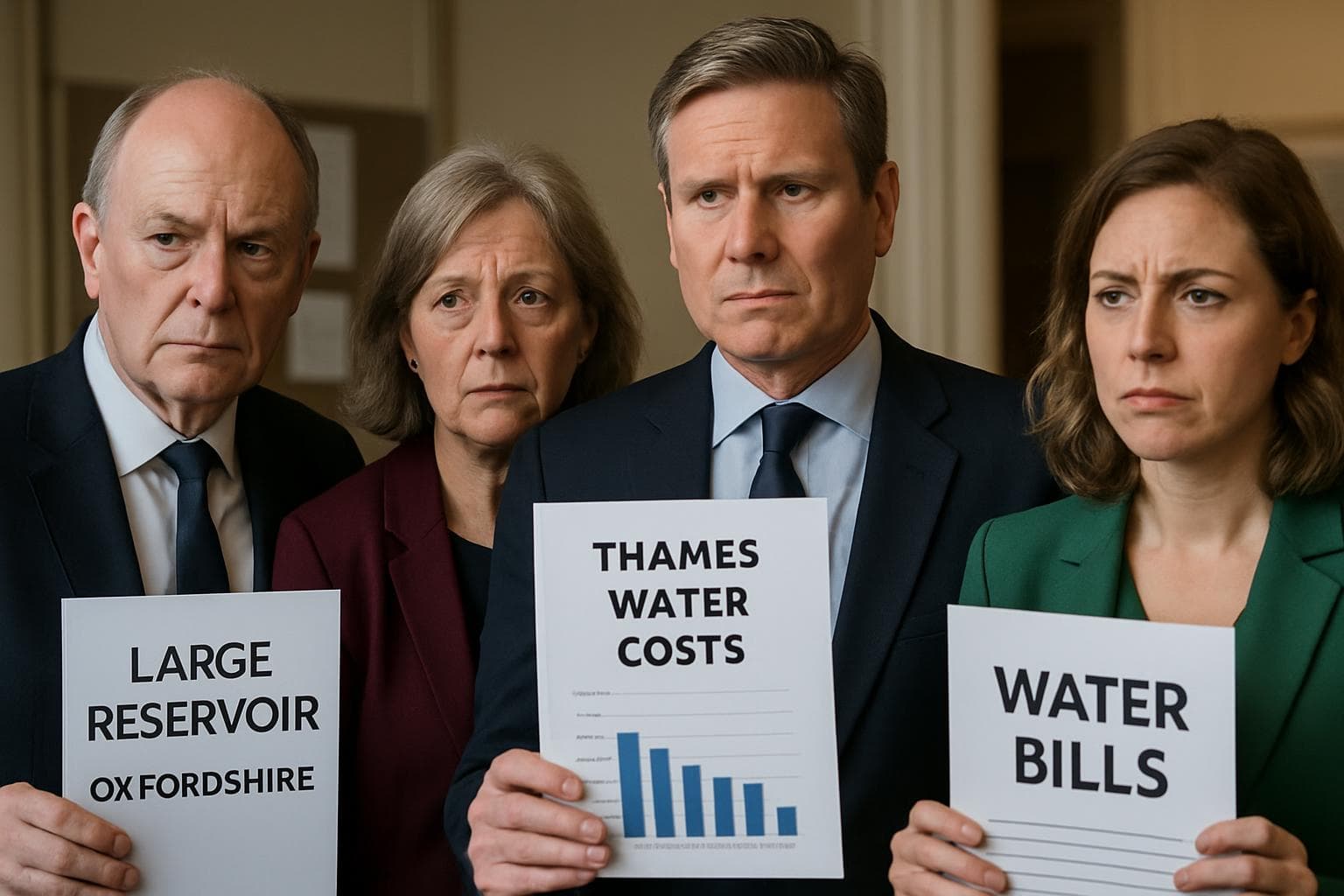
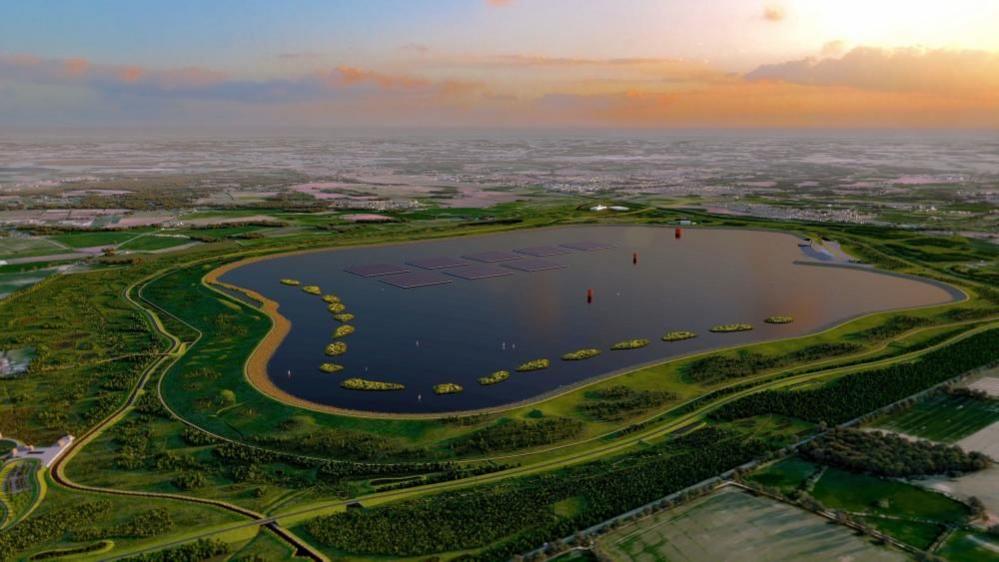
A group of Liberal Democrat MPs has expressed serious concerns over the escalating costs of Thames Water's proposed reservoir near Abingdon, Oxfordshire. Initially estimated at £2.2 billion, the project's cost has ballooned to £7.5 billion, prompting MPs Layla Moran, Charlie Maynard, and Olly Glover to request a government meeting to reassess the project's viability. The reservoir, designed to cover 7 square kilometers and supply water to 15 million people, is seen as a critical infrastructure project by Thames Water, promising economic growth and job creation.
Concerns Over Financial Viability
Despite its potential benefits, the MPs argue that the tripling of costs undermines the project's business case and could unfairly burden bill payers. In their letter to the environment secretary, they urged a pause and review of the water supply options, highlighting the need for a thorough assessment given the project's early-stage cost escalation.
Regulatory Changes on the Horizon
Meanwhile, Labour has announced plans to overhaul the regulation of the water industry in England and Wales. The proposed changes include replacing Ofwat with a new regulatory regime that sets company-specific targets, aiming to address longstanding issues of underinvestment and sewage overflows. This move comes as water companies prepare for the largest investment spree in the sector's history, with a planned £104 billion in spending on infrastructure upgrades by 2030.
Financial Implications for Consumers
To fund these upgrades, Ofwat has approved a 36% increase in water bills from 2025 to 2030. This decision has sparked political backlash, especially amid public outrage over sewage spills and water shortages. Critics argue that past underinvestment has left the water system vulnerable, with some companies facing bans on executive bonuses due to pollution incidents.
Industry's Response to Infrastructure Challenges
Water UK, representing the industry, acknowledges the need for increased investment to catch up on delayed infrastructure improvements. Deputy Chief Executive Stuart Colville emphasized the necessity of the bill increase to address the legacy of underinvestment and enhance capacity at wastewater treatment works.
WHAT THIS MIGHT MEAN
The escalating costs of the Thames Water reservoir project could lead to increased scrutiny and potential delays as the government evaluates its financial and environmental impact. If Labour's regulatory overhaul proceeds, it could set a precedent for more tailored and stringent oversight of water companies, potentially improving accountability and investment efficiency. However, the proposed bill increases may face resistance from consumers and political figures, necessitating a delicate balance between necessary infrastructure upgrades and public affordability. As climate change continues to pressure water resources, the industry's ability to adapt and innovate will be crucial in ensuring sustainable water supply solutions.
Images from the Web

Related Articles

UK Government Eases Deer Culling to Protect Woodlands and Farmland

Saharan Dust to Illuminate UK Skies with Vivid Sunrises and Sunsets

Government Unveils Ambitious Plan to Halve Attainment Gap in England's Schools

Sisters Tragically Drown at Eryri National Park's Watkin Path

Labour MP's Husband Arrested in UK-China Espionage Probe

Police Federation Chief Arrested Amid Fraud Investigation
MPs Challenge Rising Costs of Thames Water's Reservoir Amid Regulatory Overhaul Plans
In This Article
 Leila Hassan| Published
 HIGHLIGHTS
- Liberal Democrat MPs have raised concerns over the escalating costs of Thames Water's reservoir project, initially estimated at £2.2bn but now projected at £7.5bn.
- The proposed reservoir, covering 7 sq km, aims to supply 15 million people and create 1,000 jobs, yet its financial viability is questioned.
- Labour plans to overhaul water regulation by replacing Ofwat, aiming for company-specific targets to address underinvestment and sewage issues.
- Water companies in England and Wales are set to increase bills by 36% from 2025 to 2030 to fund £104bn in infrastructure upgrades.
- Critics argue that past underinvestment has led to current infrastructure challenges, with some companies banned from executive bonuses due to pollution issues.
A group of Liberal Democrat MPs has expressed serious concerns over the escalating costs of Thames Water's proposed reservoir near Abingdon, Oxfordshire. Initially estimated at £2.2 billion, the project's cost has ballooned to £7.5 billion, prompting MPs Layla Moran, Charlie Maynard, and Olly Glover to request a government meeting to reassess the project's viability. The reservoir, designed to cover 7 square kilometers and supply water to 15 million people, is seen as a critical infrastructure project by Thames Water, promising economic growth and job creation.
Concerns Over Financial Viability
Despite its potential benefits, the MPs argue that the tripling of costs undermines the project's business case and could unfairly burden bill payers. In their letter to the environment secretary, they urged a pause and review of the water supply options, highlighting the need for a thorough assessment given the project's early-stage cost escalation.
Regulatory Changes on the Horizon
Meanwhile, Labour has announced plans to overhaul the regulation of the water industry in England and Wales. The proposed changes include replacing Ofwat with a new regulatory regime that sets company-specific targets, aiming to address longstanding issues of underinvestment and sewage overflows. This move comes as water companies prepare for the largest investment spree in the sector's history, with a planned £104 billion in spending on infrastructure upgrades by 2030.
Financial Implications for Consumers
To fund these upgrades, Ofwat has approved a 36% increase in water bills from 2025 to 2030. This decision has sparked political backlash, especially amid public outrage over sewage spills and water shortages. Critics argue that past underinvestment has left the water system vulnerable, with some companies facing bans on executive bonuses due to pollution incidents.
Industry's Response to Infrastructure Challenges
Water UK, representing the industry, acknowledges the need for increased investment to catch up on delayed infrastructure improvements. Deputy Chief Executive Stuart Colville emphasized the necessity of the bill increase to address the legacy of underinvestment and enhance capacity at wastewater treatment works.
WHAT THIS MIGHT MEAN
The escalating costs of the Thames Water reservoir project could lead to increased scrutiny and potential delays as the government evaluates its financial and environmental impact. If Labour's regulatory overhaul proceeds, it could set a precedent for more tailored and stringent oversight of water companies, potentially improving accountability and investment efficiency. However, the proposed bill increases may face resistance from consumers and political figures, necessitating a delicate balance between necessary infrastructure upgrades and public affordability. As climate change continues to pressure water resources, the industry's ability to adapt and innovate will be crucial in ensuring sustainable water supply solutions.
Images from the Web
Related Articles
UK Government Eases Deer Culling to Protect Woodlands and Farmland
Saharan Dust to Illuminate UK Skies with Vivid Sunrises and Sunsets
Government Unveils Ambitious Plan to Halve Attainment Gap in England's Schools
Sisters Tragically Drown at Eryri National Park's Watkin Path
Labour MP's Husband Arrested in UK-China Espionage Probe
Police Federation Chief Arrested Amid Fraud Investigation