
Spectacular Northern and Southern Lights Illuminate Skies Amid Solar Storm
In This Article
HIGHLIGHTS
- The Northern Lights, or Aurora Borealis, were visible across the UK, including Devon, Cornwall, Kent, Sussex, and the Channel Islands, due to a strong coronal mass ejection.
- The solar storm responsible for the auroras is part of the sun's solar maximum period, characterized by increased sunspot activity and solar flares.
- In Australia, a severe solar storm is expected to make the aurora australis visible, with potential disruptions to power grids and satellite operations.
- Experts advise finding dark, clear skies away from city lights for optimal aurora viewing, with the best times being late at night.
- The current solar activity is part of a cycle that will gradually decrease over the next 5-6 years, reducing the frequency of such auroral displays.
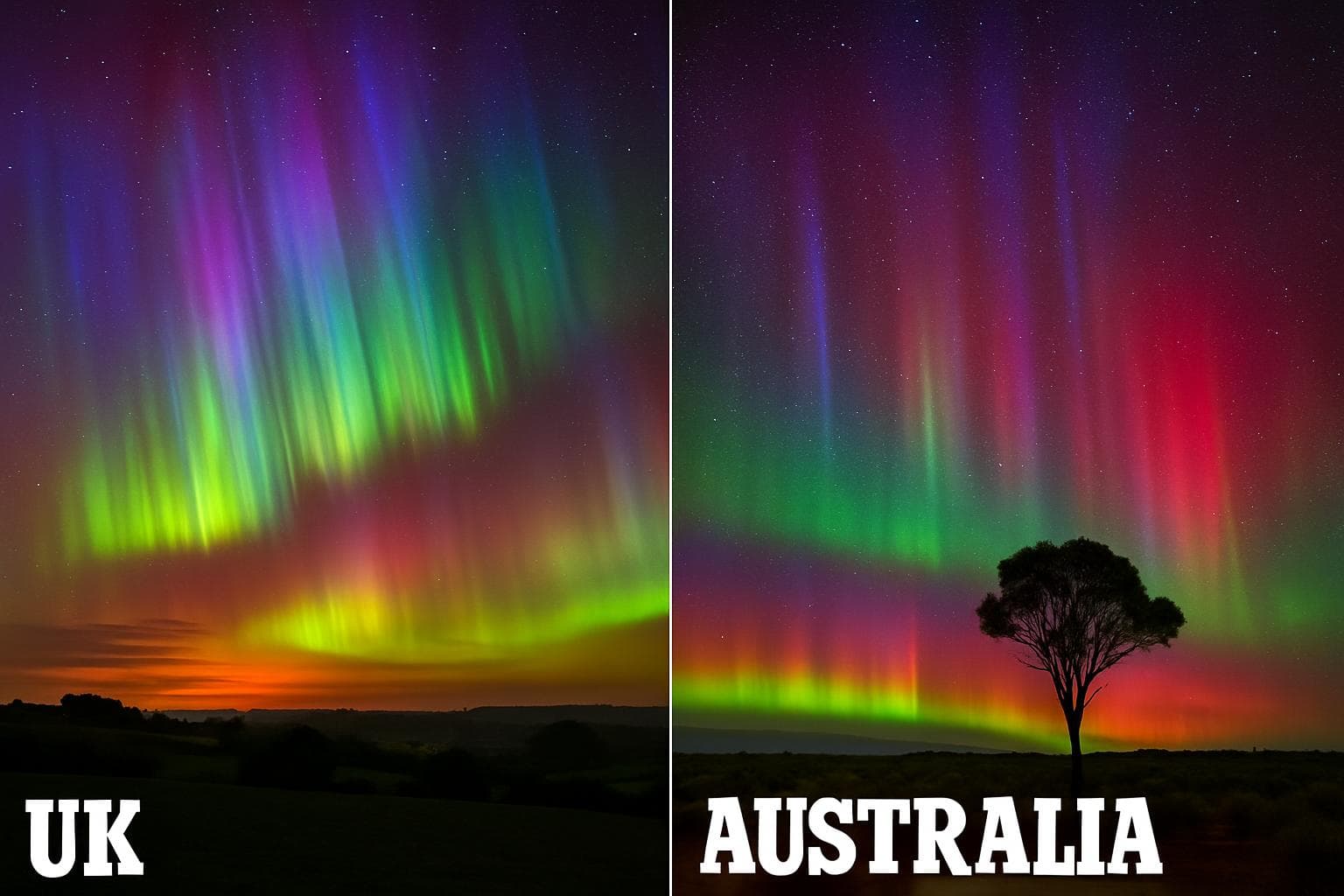
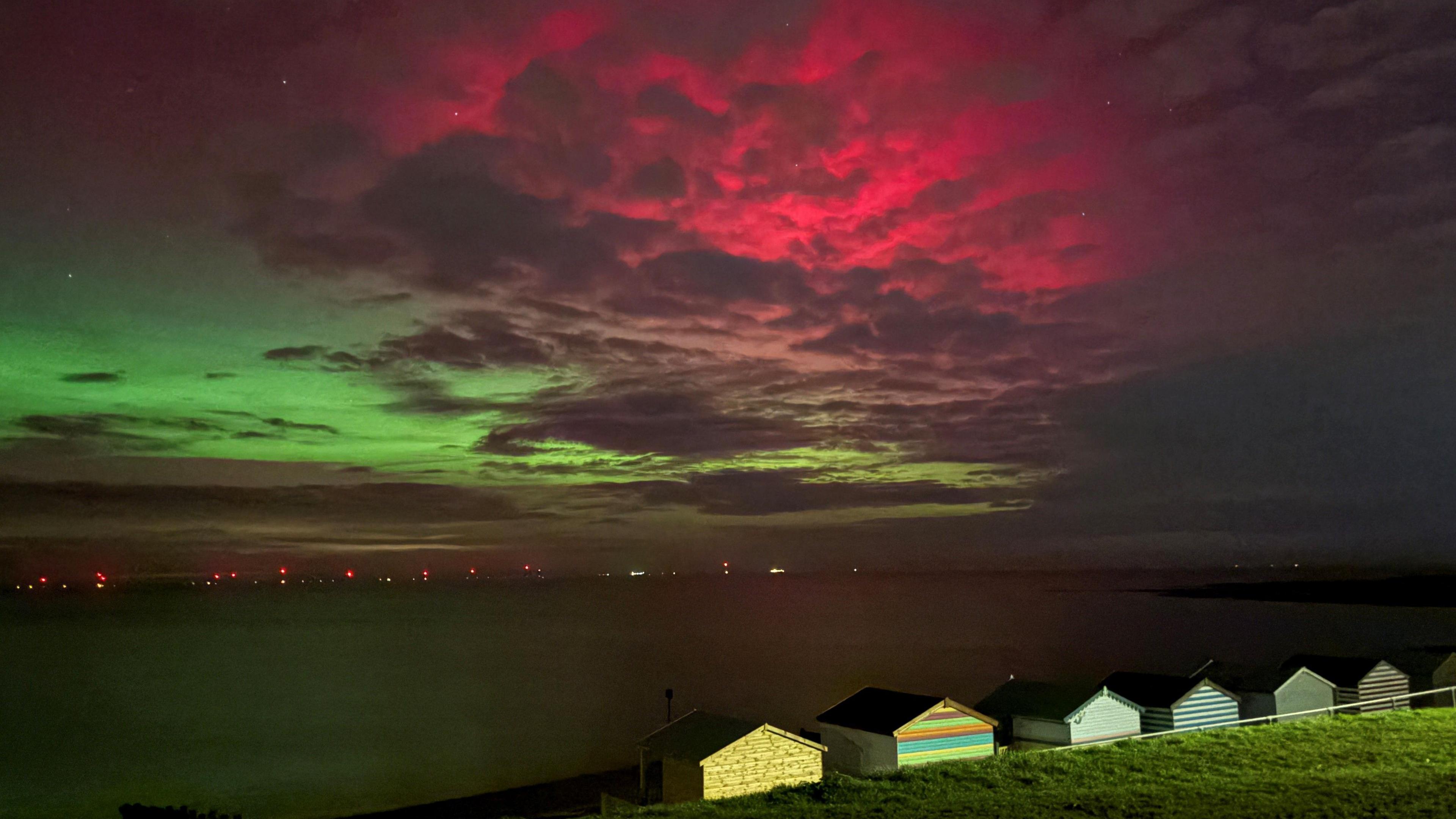
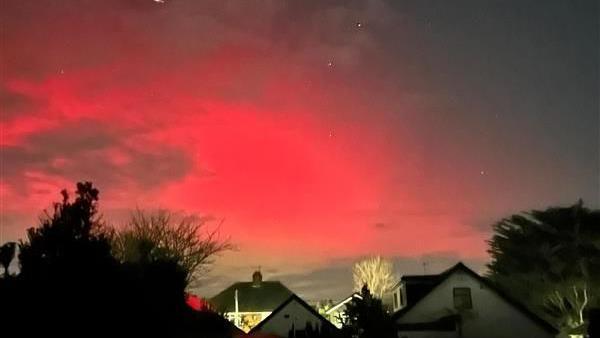
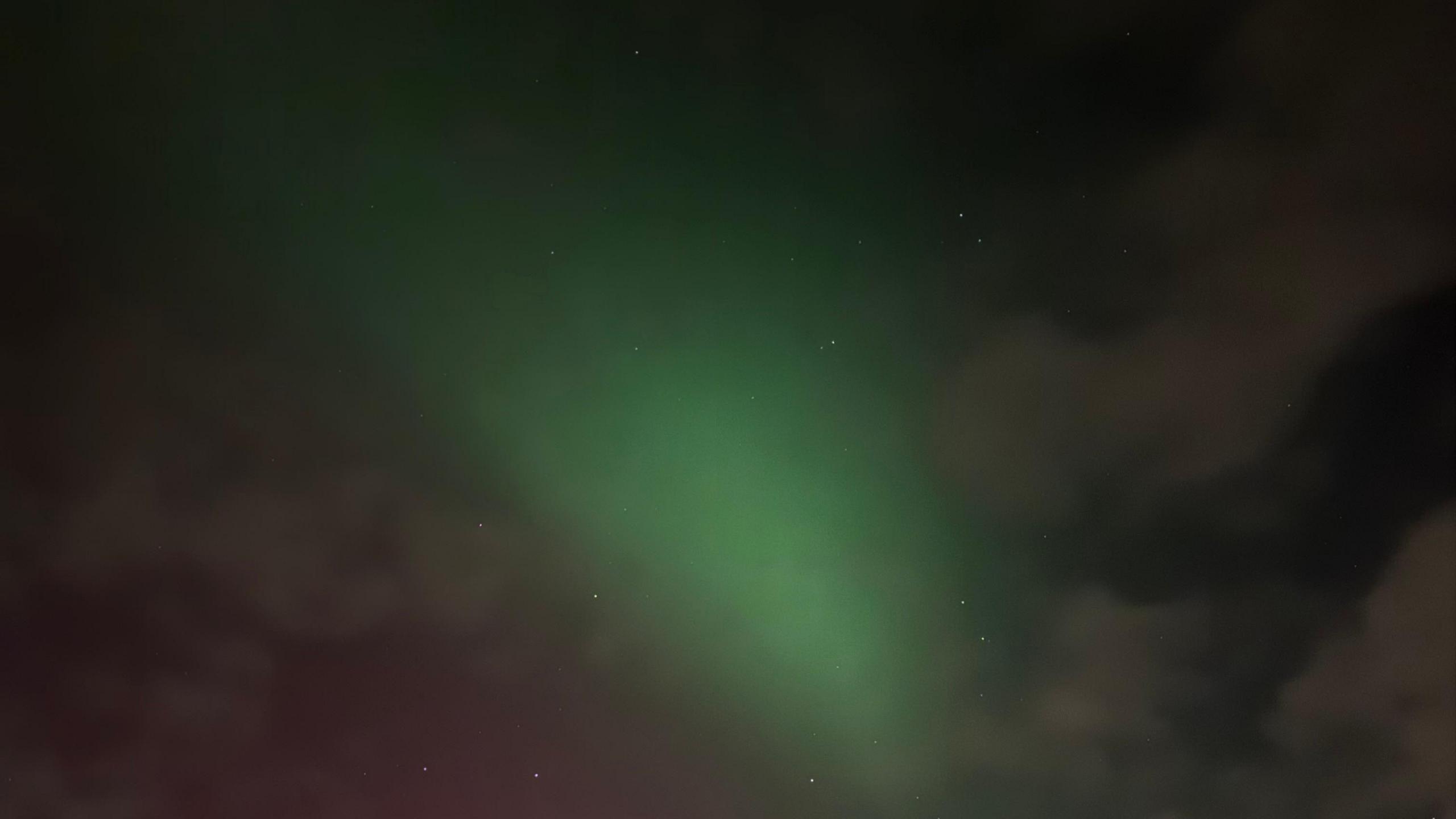
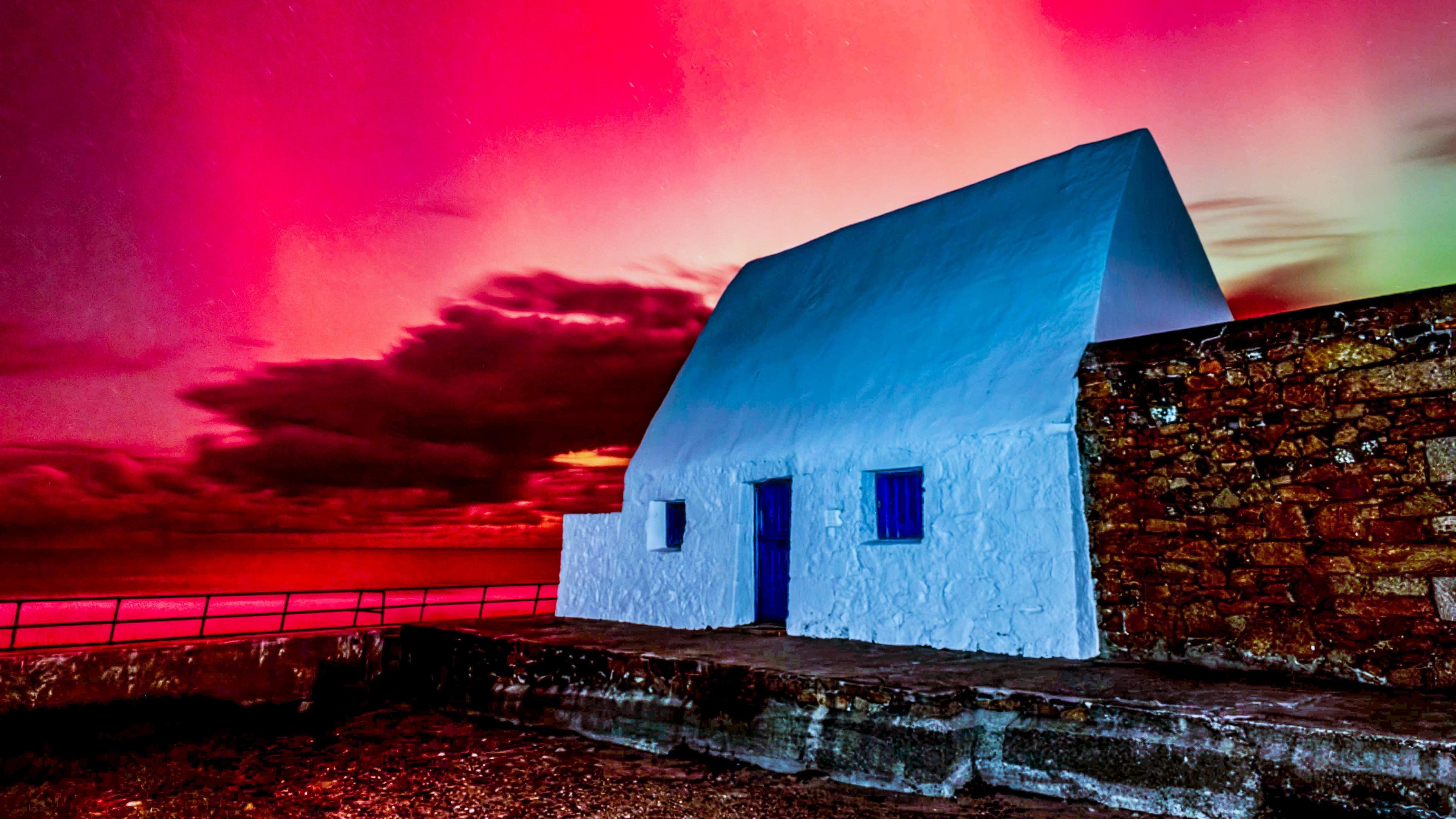
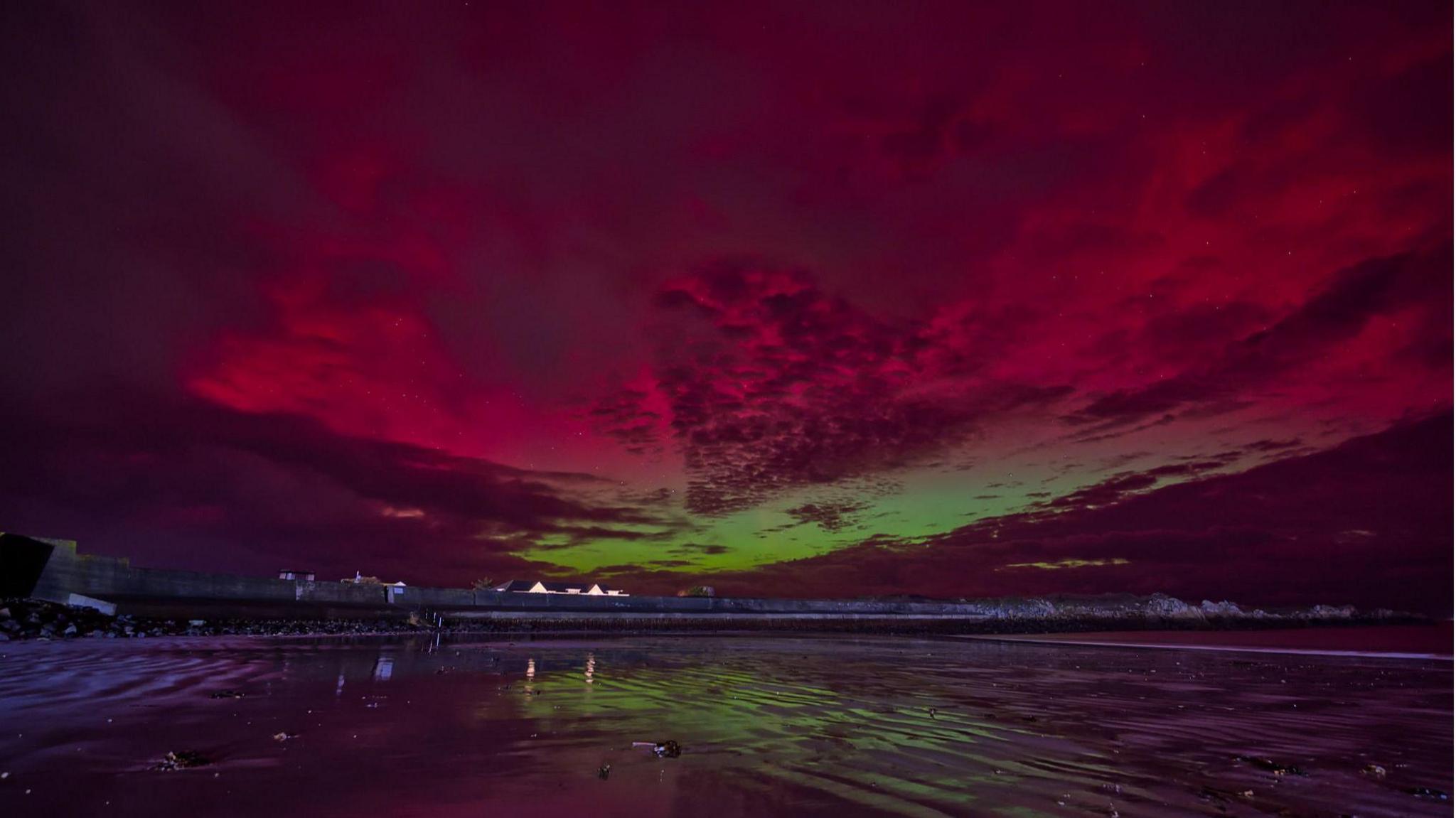
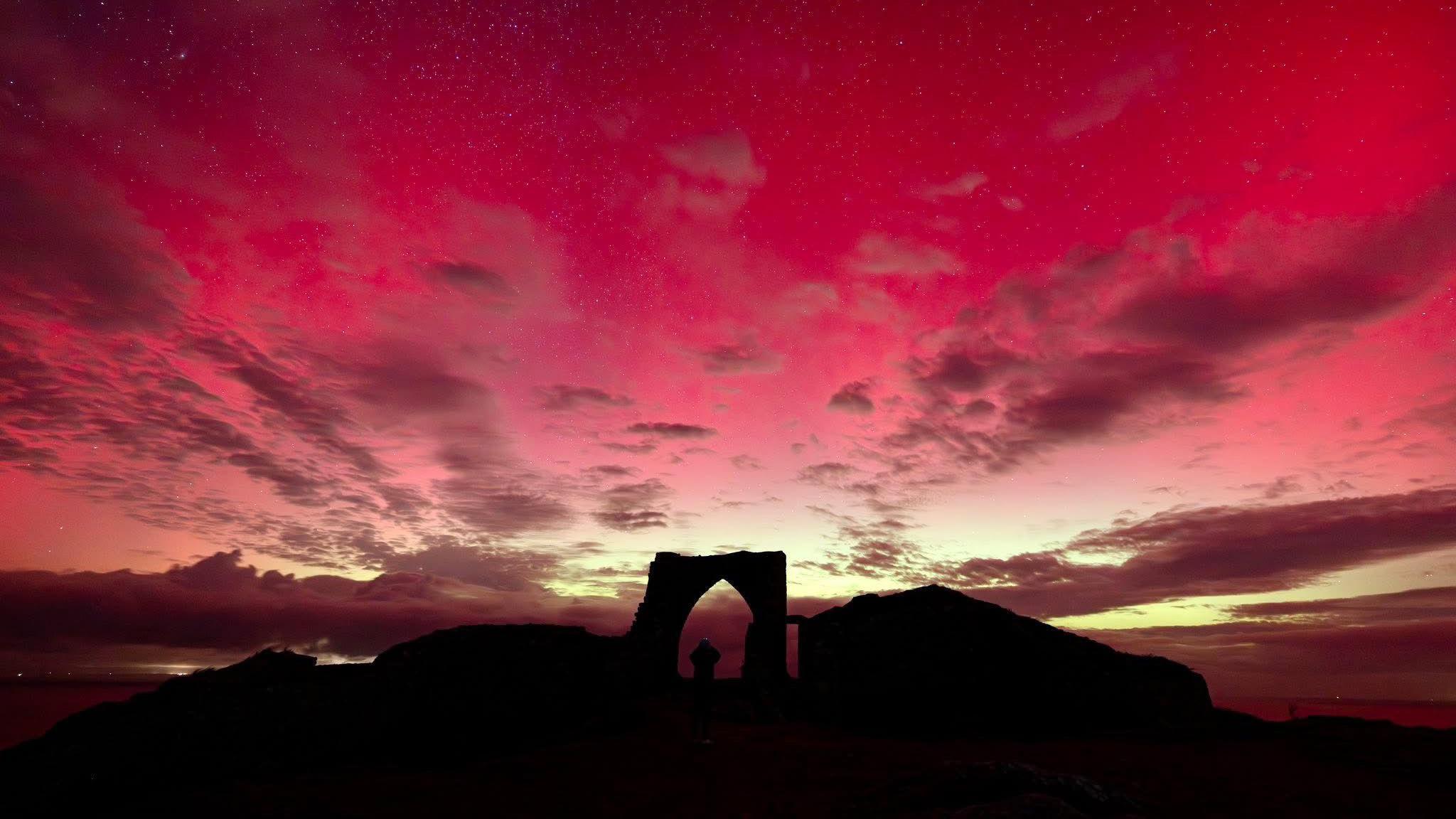
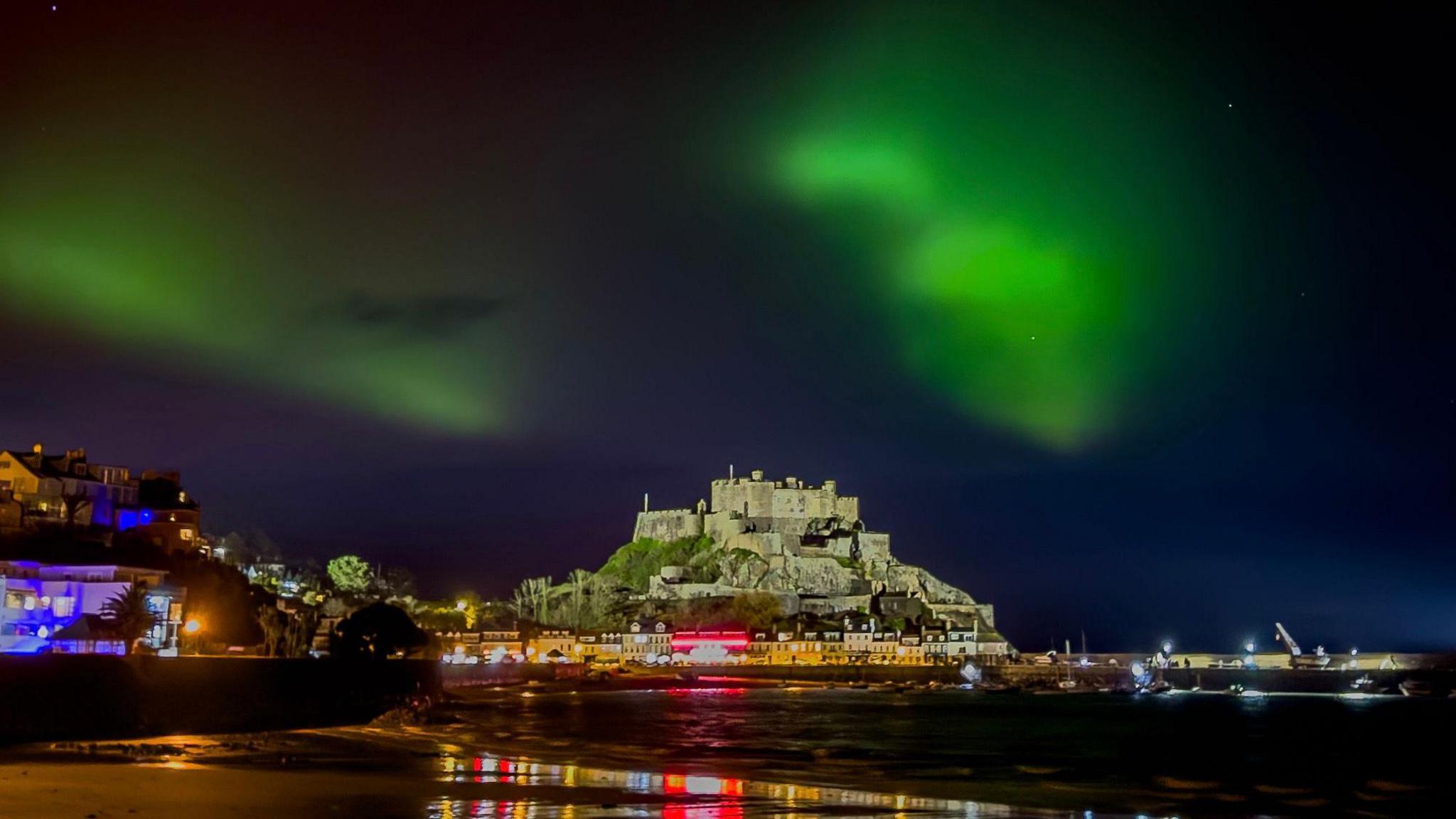
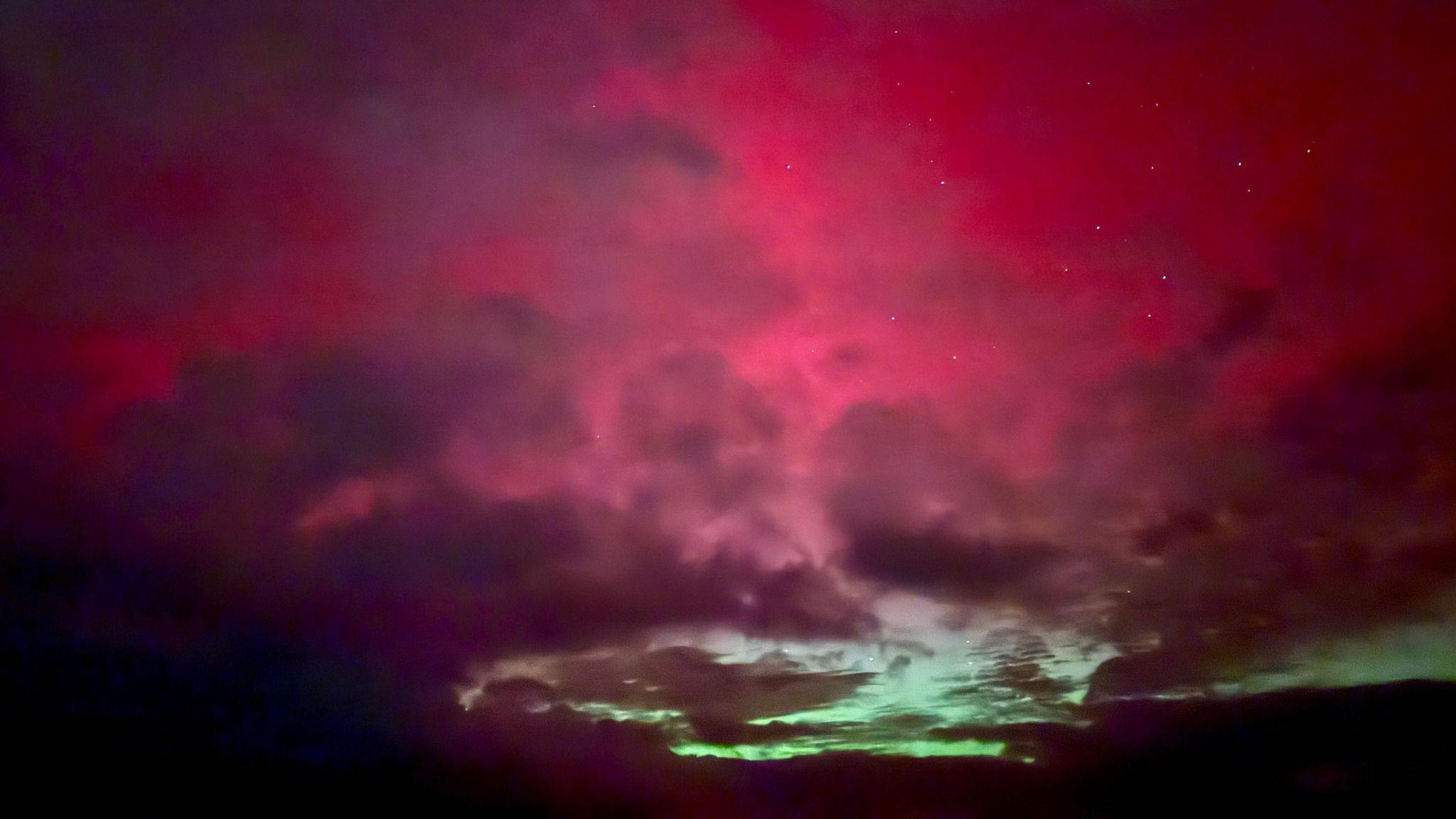
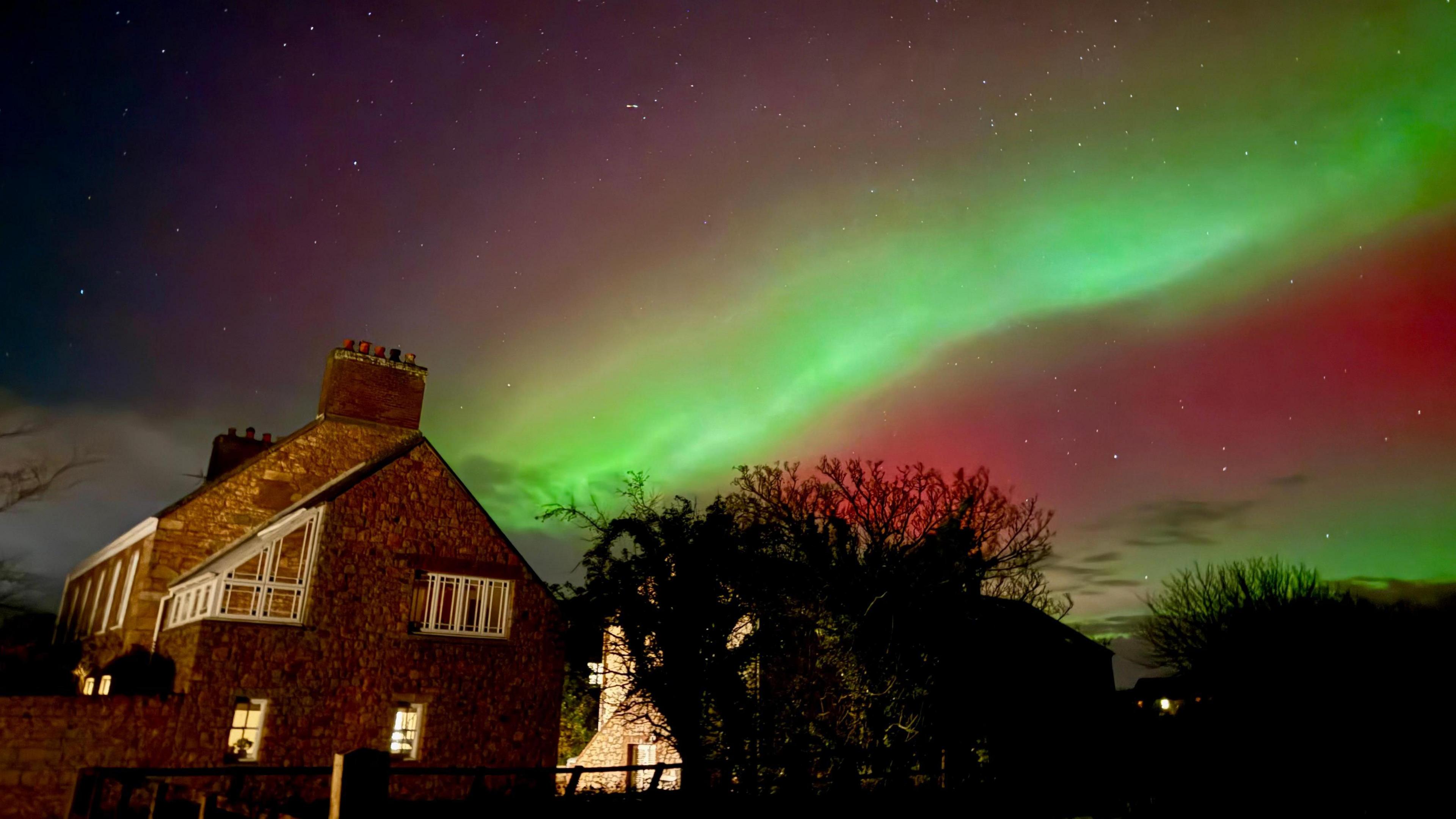
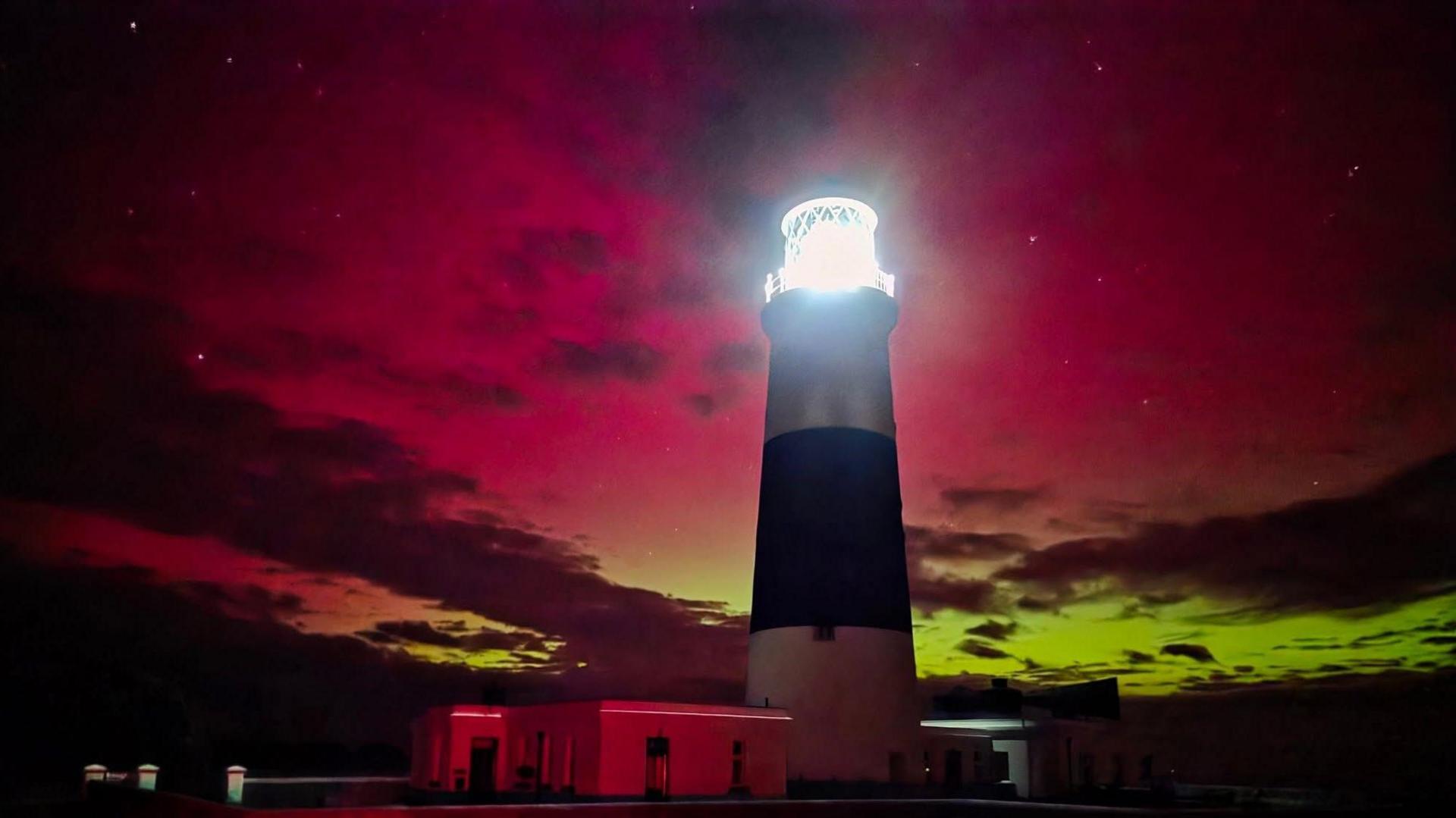
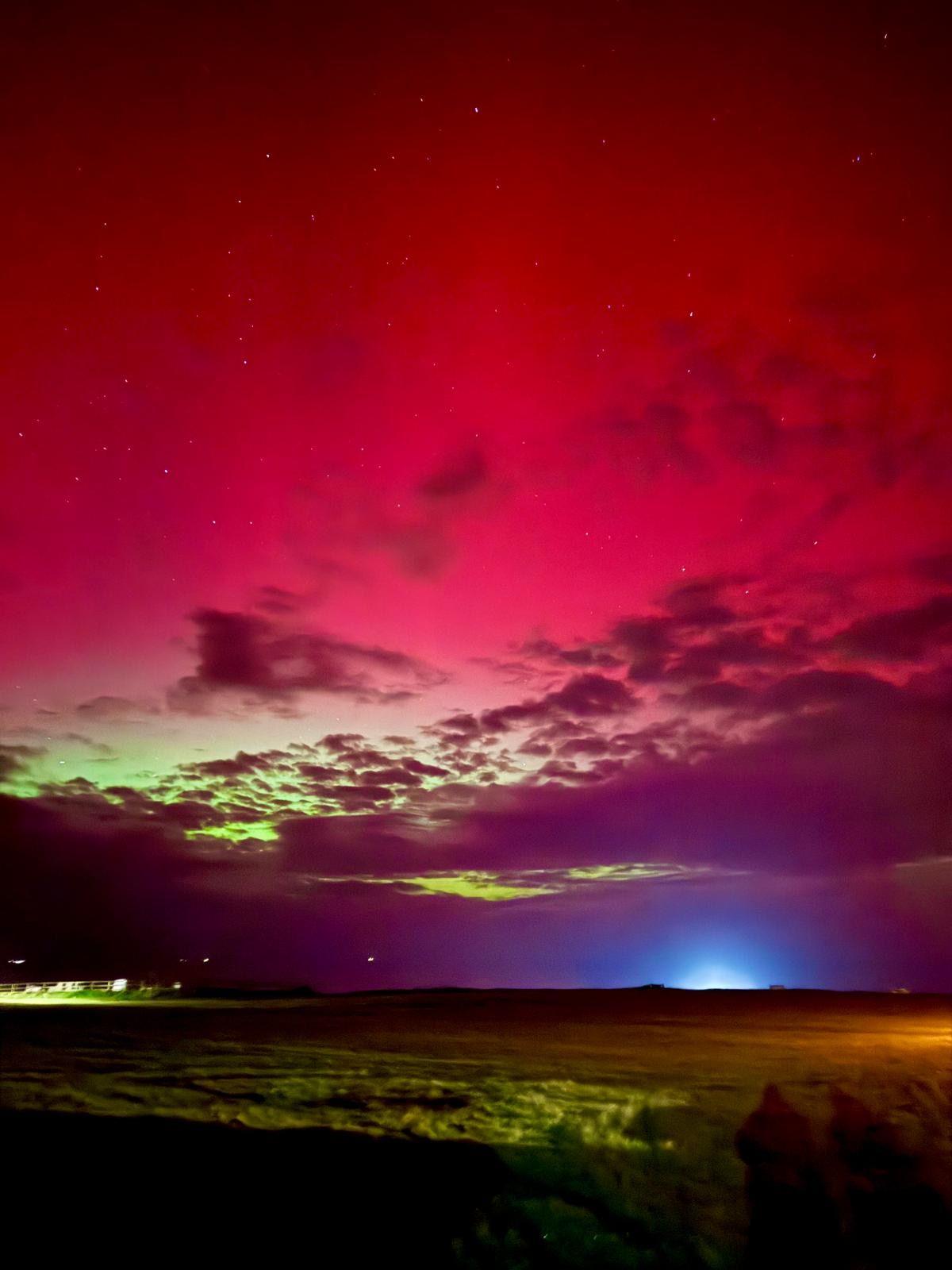
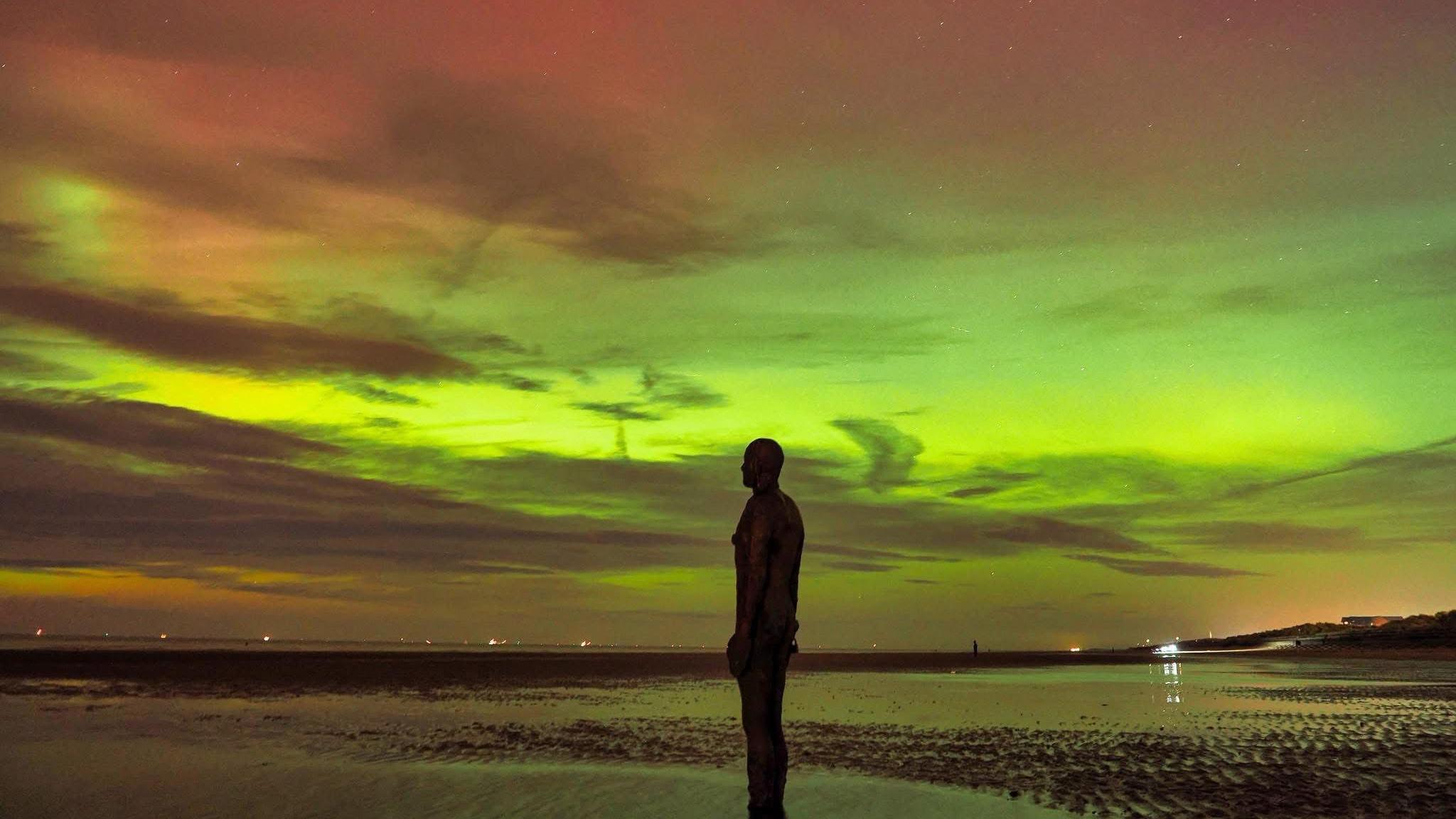
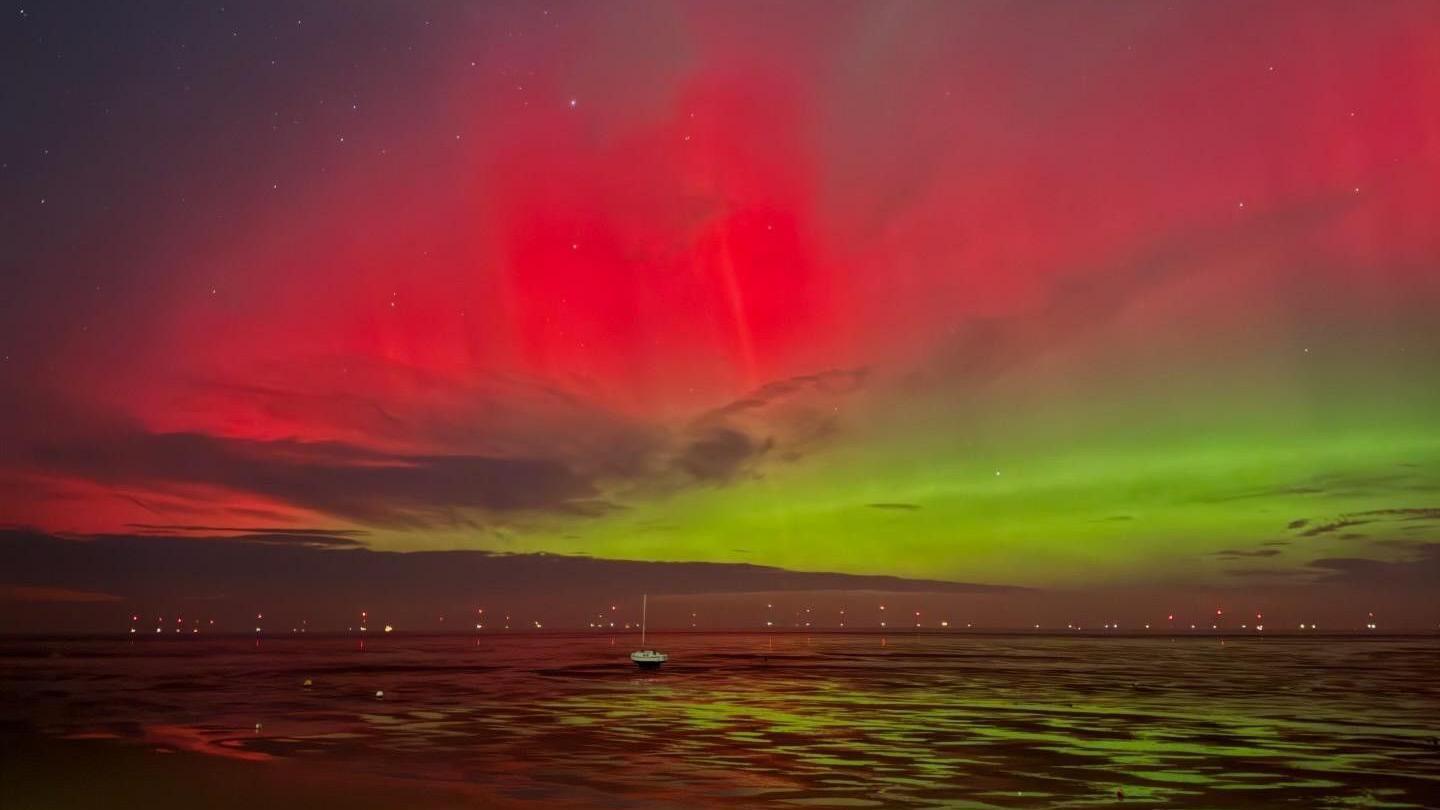
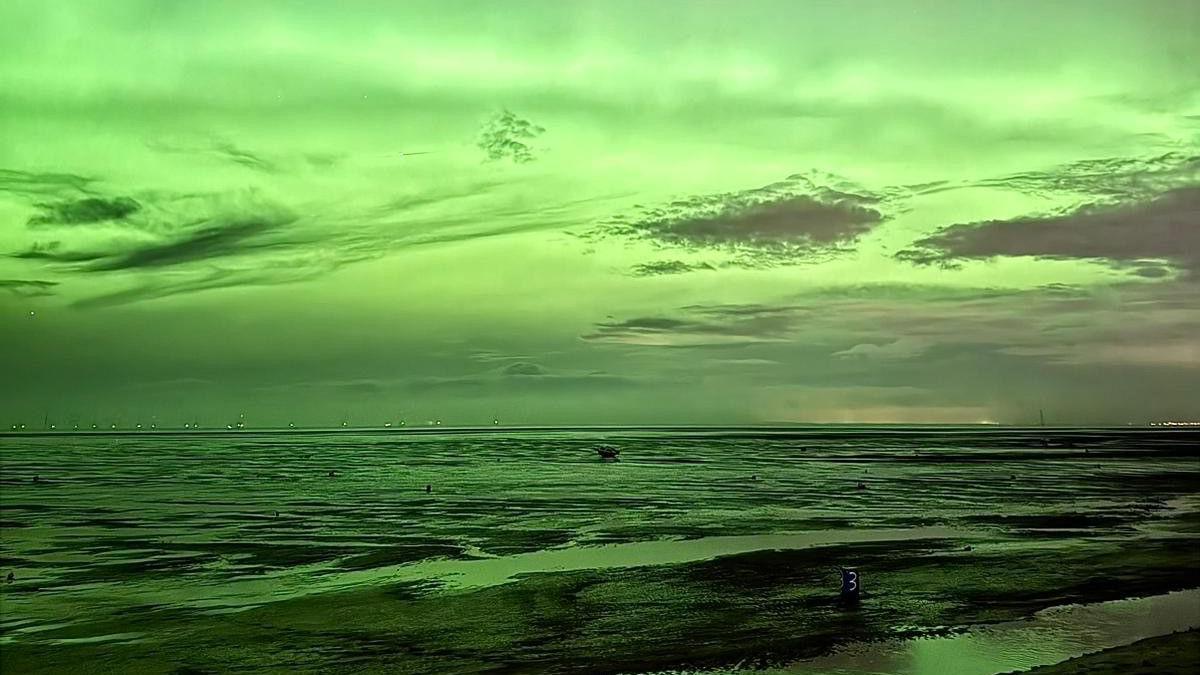
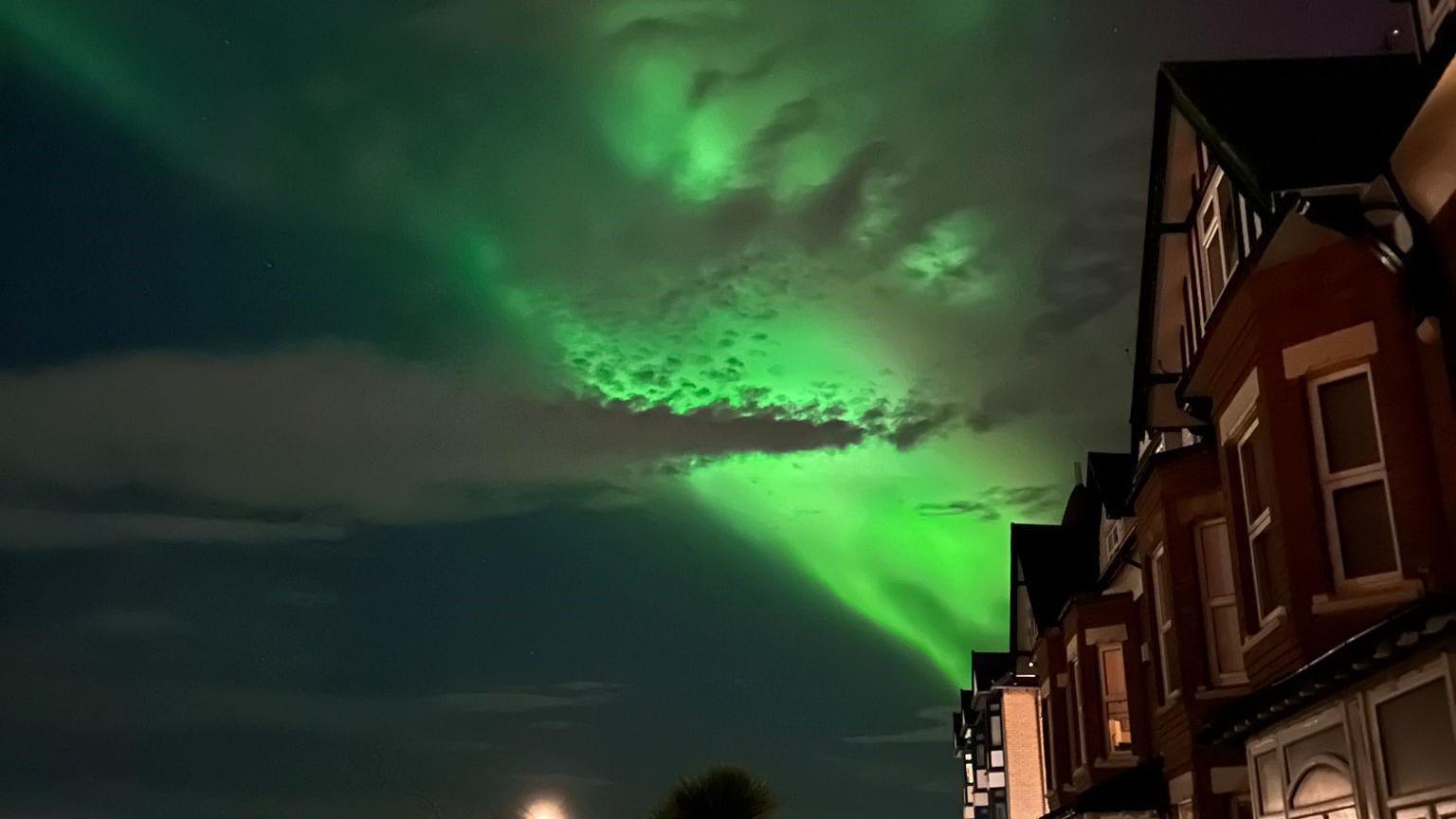
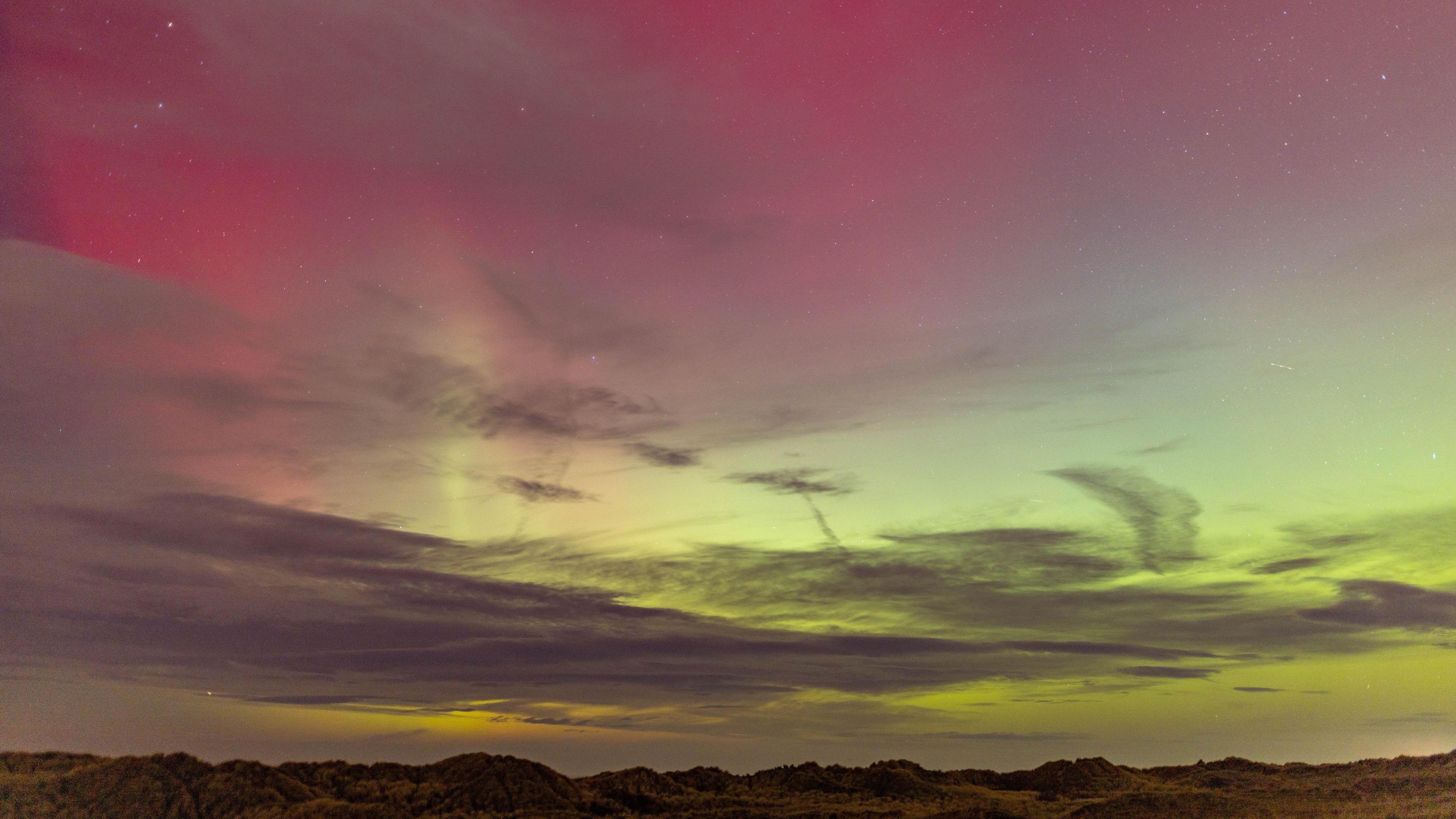
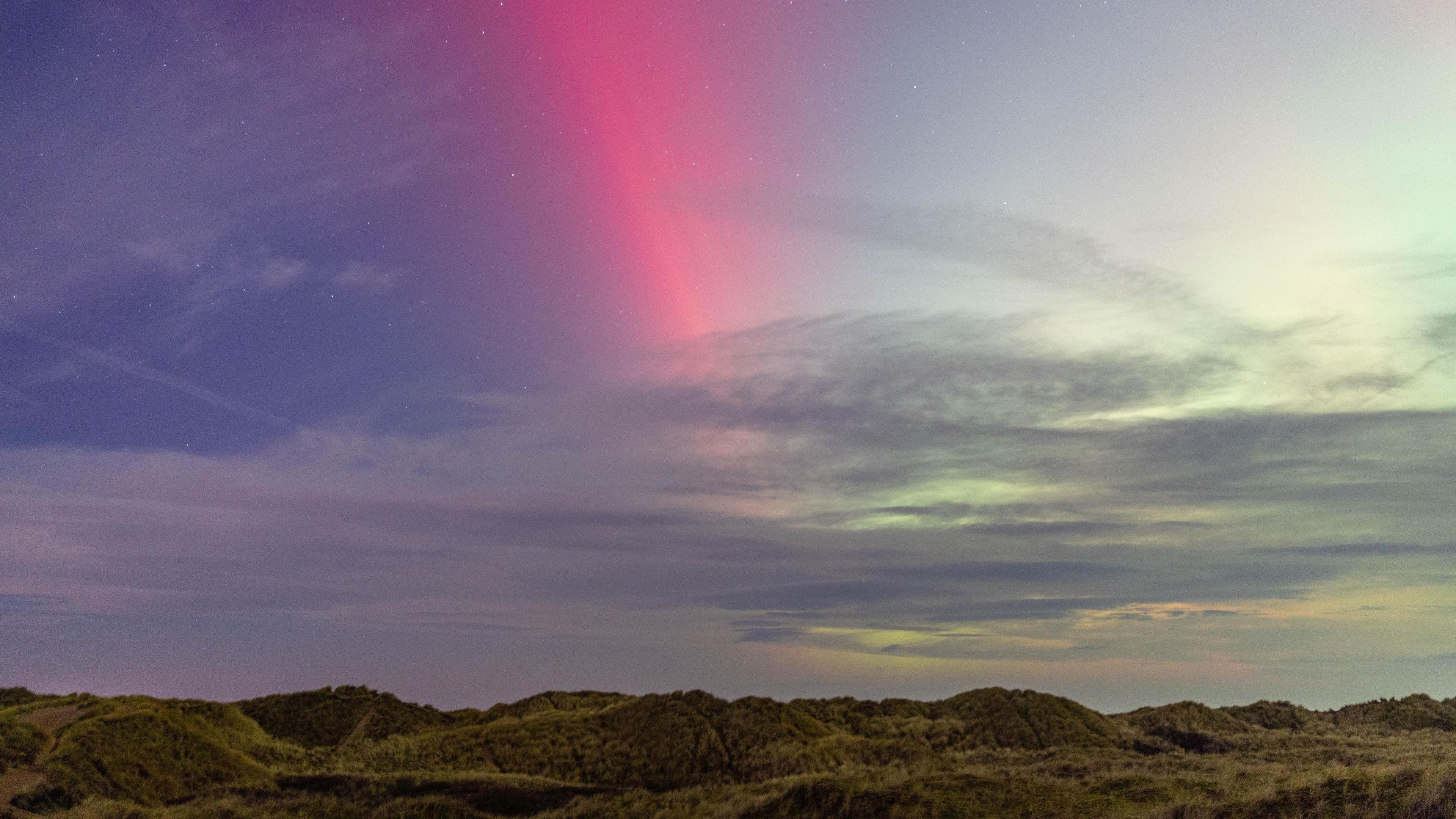
A dazzling display of the Northern Lights has graced the skies across the UK, from Devon and Cornwall to Kent and Sussex, as a result of a significant solar storm. This natural phenomenon, known as the Aurora Borealis, is caused by solar eruptions sending charged particles toward Earth, where they interact with the atmosphere to create vibrant displays of color. The Met Office confirmed that a coronal mass ejection (CME) from the sun on Sunday was responsible for the widespread visibility of the auroras.
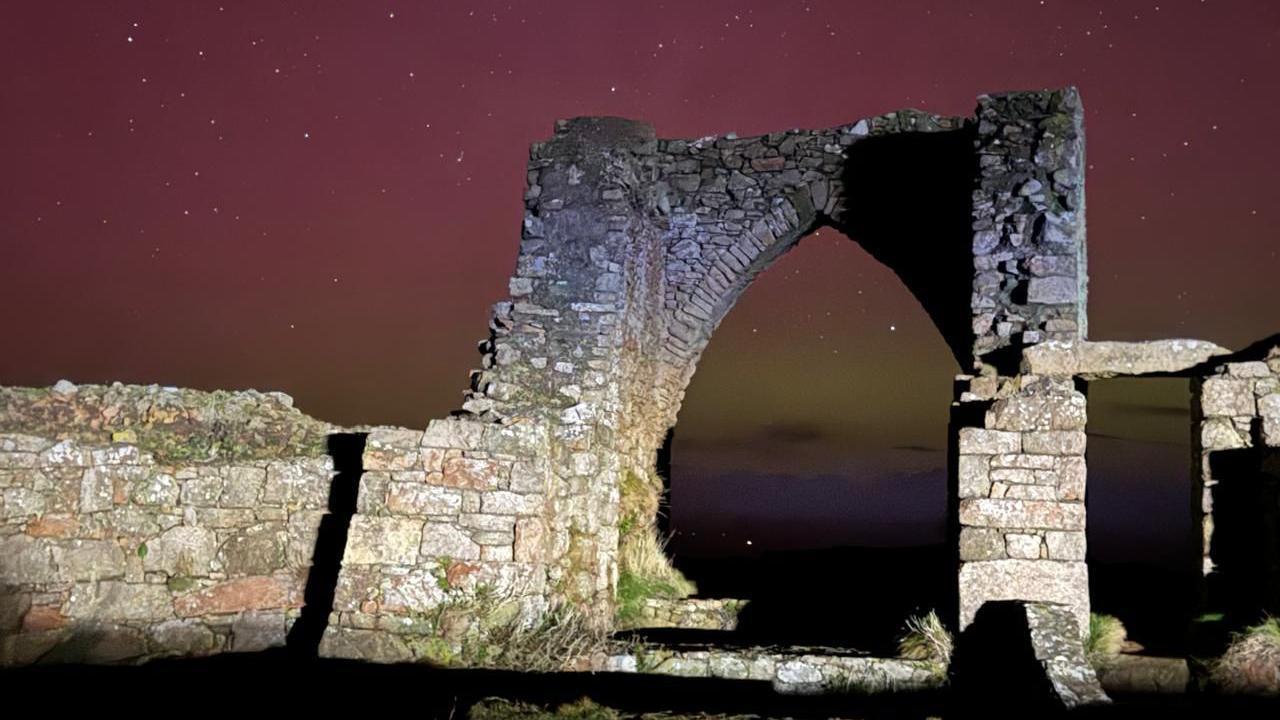
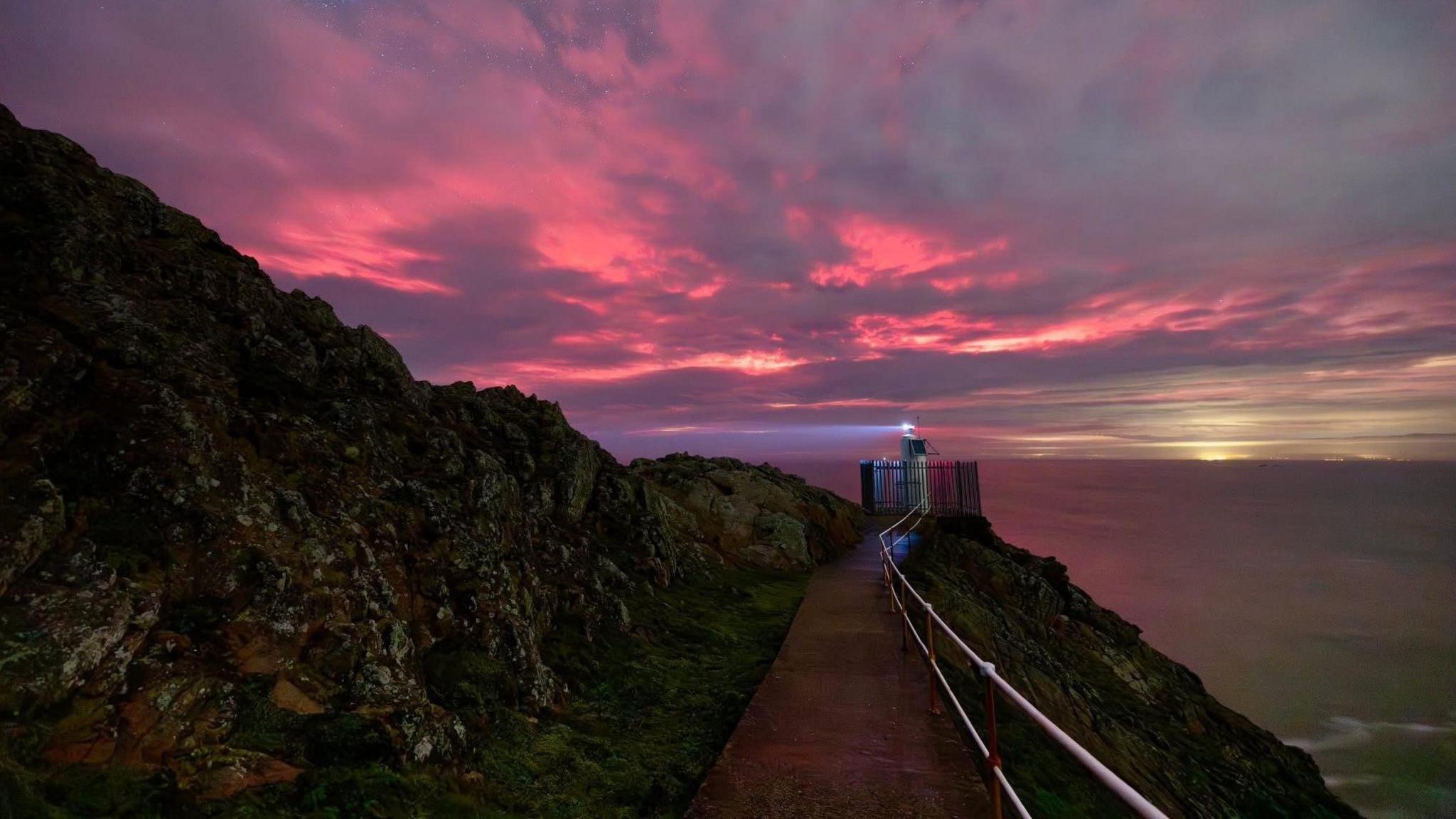
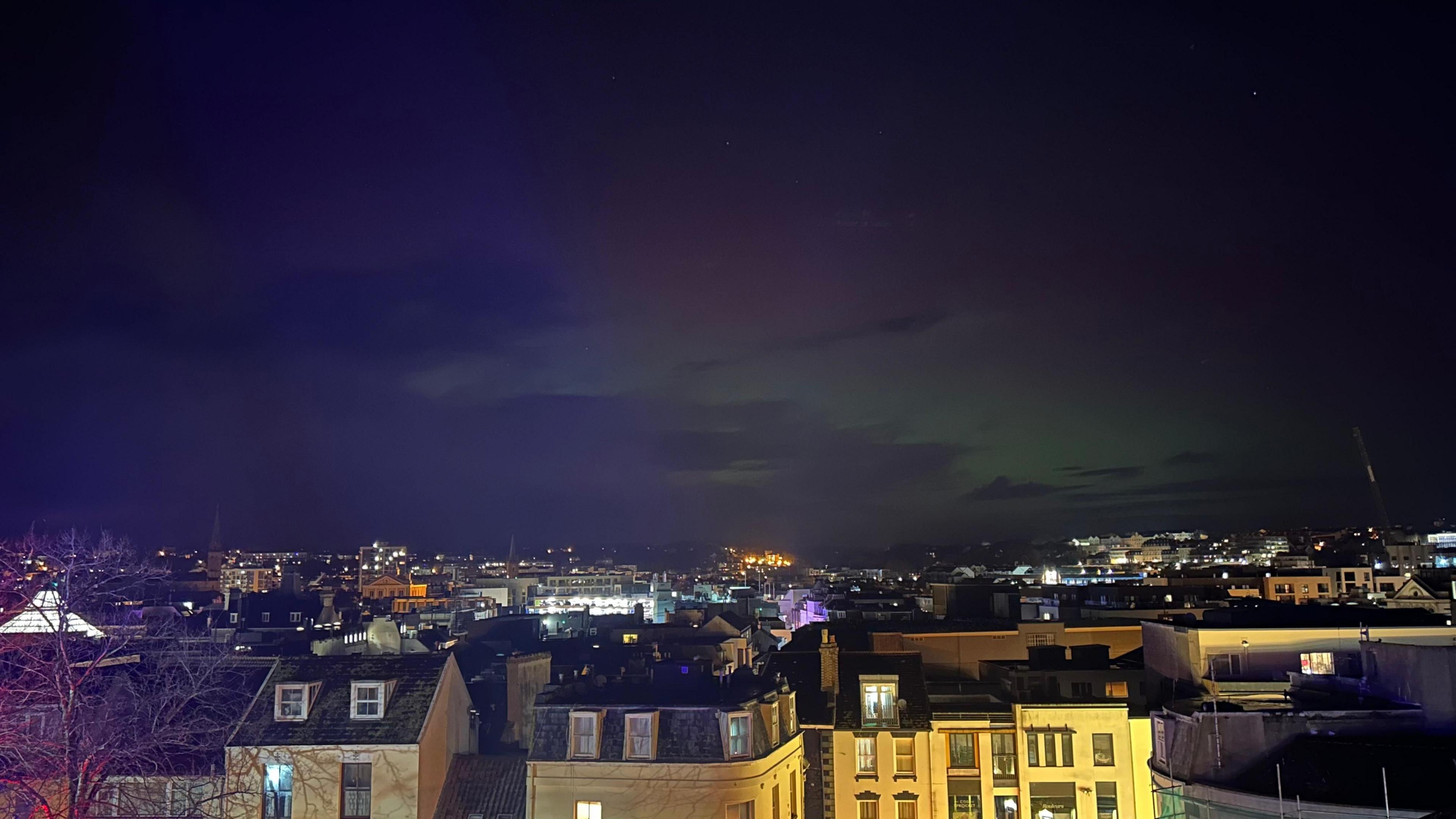
In the Channel Islands, the Northern Lights were also visible, with Matthew Winter from the Jersey Meteorological Section noting that the sun is currently in its "solar maximum" phase. This period is marked by heightened solar activity, including more frequent sunspots and CMEs, leading to increased chances of auroral displays.
Meanwhile, in Australia, a severe solar storm is being monitored by the National Emergency Management Agency, with the potential to make the aurora australis visible. The Bureau of Meteorology has issued alerts for possible sightings as far north as Victoria and New South Wales. However, the storm could also disrupt power grids and satellite operations, according to the US Geological Survey.
Experts recommend seeking out dark, clear skies away from urban light pollution for the best chance of witnessing these celestial events. Silvia Dalla, a professor of solar physics, advises that the optimal viewing time is typically late at night, from 23:00 onwards.
WHAT THIS MIGHT MEAN
As the sun continues its solar maximum phase, more frequent and intense auroral displays are expected, offering a rare opportunity for enthusiasts to witness these natural wonders. However, the increased solar activity also poses risks to technological infrastructure, potentially affecting satellite communications and power grids. Over the next 5-6 years, as the sun moves toward its solar minimum, the frequency of such events will likely decrease, making current sightings all the more precious. Experts stress the importance of preparedness for potential disruptions while encouraging the public to enjoy the spectacle of the auroras while they last.
Images from the Web
Related Articles
Saharan Dust to Illuminate UK Skies with Vivid Sunrises and Sunsets

Canada and Australia Forge Strategic Partnership Amid Global Uncertainty

Trump's New Tariff Strategy Sparks Global Trade Uncertainty

UK Government to Reform Asylum Seeker Support and Employment Policies
Middle East Conflict Drives UK Energy Prices to New Highs

UK Faces Dilemmas Amid Iran Conflict and China Spying Allegations
Spectacular Northern and Southern Lights Illuminate Skies Amid Solar Storm
In This Article
 Leila Hassan| Published
 HIGHLIGHTS
- The Northern Lights, or Aurora Borealis, were visible across the UK, including Devon, Cornwall, Kent, Sussex, and the Channel Islands, due to a strong coronal mass ejection.
- The solar storm responsible for the auroras is part of the sun's solar maximum period, characterized by increased sunspot activity and solar flares.
- In Australia, a severe solar storm is expected to make the aurora australis visible, with potential disruptions to power grids and satellite operations.
- Experts advise finding dark, clear skies away from city lights for optimal aurora viewing, with the best times being late at night.
- The current solar activity is part of a cycle that will gradually decrease over the next 5-6 years, reducing the frequency of such auroral displays.
A dazzling display of the Northern Lights has graced the skies across the UK, from Devon and Cornwall to Kent and Sussex, as a result of a significant solar storm. This natural phenomenon, known as the Aurora Borealis, is caused by solar eruptions sending charged particles toward Earth, where they interact with the atmosphere to create vibrant displays of color. The Met Office confirmed that a coronal mass ejection (CME) from the sun on Sunday was responsible for the widespread visibility of the auroras.
In the Channel Islands, the Northern Lights were also visible, with Matthew Winter from the Jersey Meteorological Section noting that the sun is currently in its "solar maximum" phase. This period is marked by heightened solar activity, including more frequent sunspots and CMEs, leading to increased chances of auroral displays.
Meanwhile, in Australia, a severe solar storm is being monitored by the National Emergency Management Agency, with the potential to make the aurora australis visible. The Bureau of Meteorology has issued alerts for possible sightings as far north as Victoria and New South Wales. However, the storm could also disrupt power grids and satellite operations, according to the US Geological Survey.
Experts recommend seeking out dark, clear skies away from urban light pollution for the best chance of witnessing these celestial events. Silvia Dalla, a professor of solar physics, advises that the optimal viewing time is typically late at night, from 23:00 onwards.
WHAT THIS MIGHT MEAN
As the sun continues its solar maximum phase, more frequent and intense auroral displays are expected, offering a rare opportunity for enthusiasts to witness these natural wonders. However, the increased solar activity also poses risks to technological infrastructure, potentially affecting satellite communications and power grids. Over the next 5-6 years, as the sun moves toward its solar minimum, the frequency of such events will likely decrease, making current sightings all the more precious. Experts stress the importance of preparedness for potential disruptions while encouraging the public to enjoy the spectacle of the auroras while they last.
Images from the Web
Related Articles
Saharan Dust to Illuminate UK Skies with Vivid Sunrises and Sunsets
Canada and Australia Forge Strategic Partnership Amid Global Uncertainty
Trump's New Tariff Strategy Sparks Global Trade Uncertainty
UK Government to Reform Asylum Seeker Support and Employment Policies
Middle East Conflict Drives UK Energy Prices to New Highs
UK Faces Dilemmas Amid Iran Conflict and China Spying Allegations