
Water Crisis in Tunbridge Wells: Thousands Still Affected by Supply Disruption

In This Article
HIGHLIGHTS
- Thousands of households in Kent and East Sussex have been without water for four days due to a chemical issue at Pembury Water Treatment Works.
- South East Water (SEW) has faced criticism for its handling of the crisis, with local MP Mike Martin calling for the resignation of CEO David Hinton.
- The Drinking Water Inspectorate is investigating the incident, which affected up to 24,000 customers, with 18,000 still without water as of Tuesday.
- SEW has opened bottled water stations, but residents report difficulties accessing them, particularly the elderly.
- SEW plans a £2.1bn investment to improve infrastructure and reduce future supply interruptions.
Thousands of residents in Kent and East Sussex are grappling with a prolonged water shortage, now entering its fourth day, due to a chemical mishap at the Pembury Water Treatment Works. South East Water (SEW) has apologized to the affected 24,000 customers in areas including Tunbridge Wells, Pembury, Frant, and Eridge, who have been experiencing either a complete loss of water or significantly reduced pressure since Saturday.
Chemical Contamination and Response
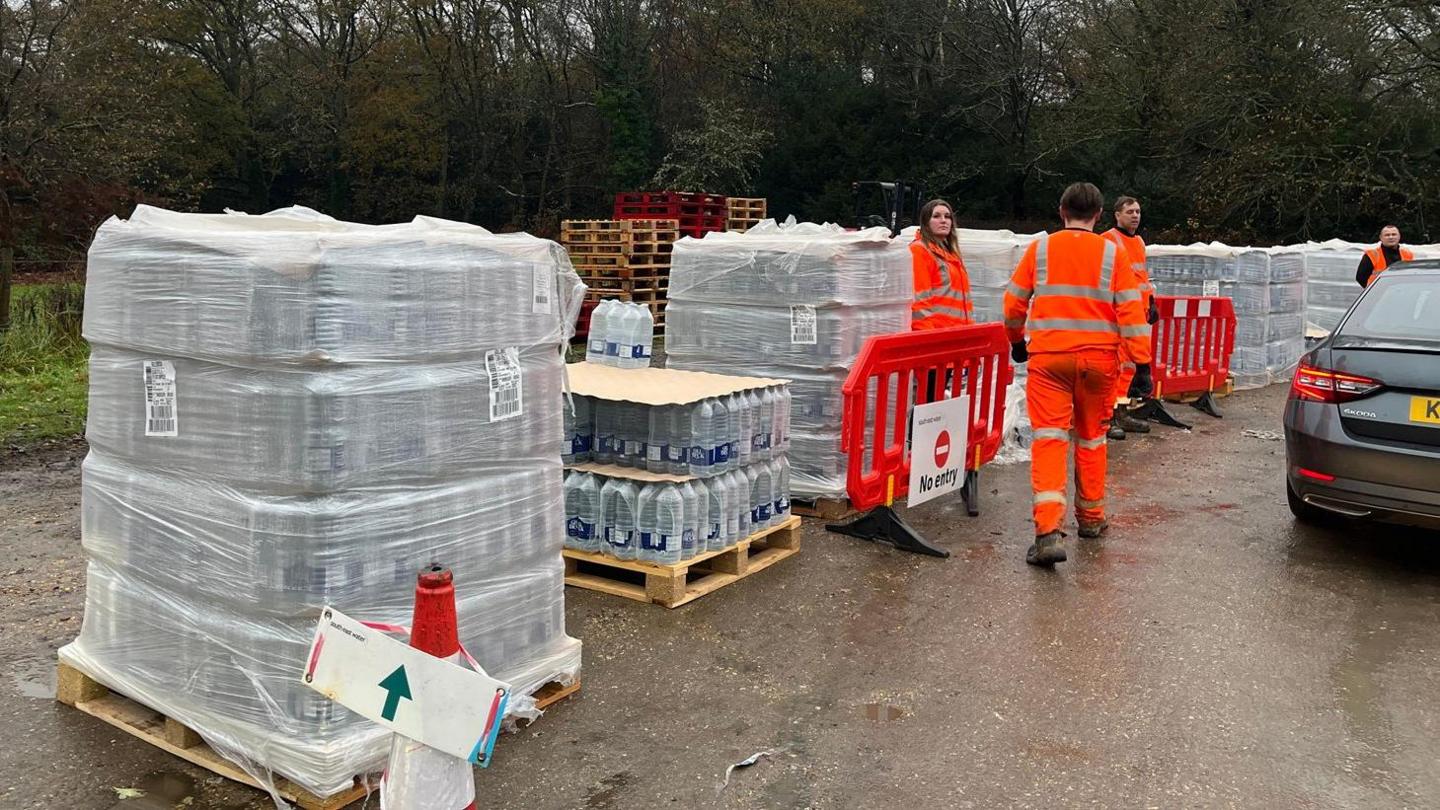
The crisis began when a bad batch of chemicals was mistakenly added to the water supply, forcing the shutdown of the Pembury facility. Despite SEW's efforts to restore service, 18,000 homes remain without water. The company has set up bottled water stations across Tunbridge Wells, although many residents, particularly the elderly, have reported challenges in accessing these resources.
Calls for Accountability
The situation has sparked significant backlash, with Tunbridge Wells MP Mike Martin demanding the resignation of SEW's CEO, David Hinton, citing a "total failure of leadership." Martin criticized the company's communication and emergency response, echoing the frustrations of many residents who have resorted to using rainwater for basic needs.
Historical Context and Future Plans
This incident is not isolated; SEW has a history of supply issues, including a six-day outage in July affecting 3,000 households. The company has been under scrutiny by Ofwat for its performance and has been labeled the "worst performer for water supply interruptions" in England and Wales. In response, SEW has announced a £2.1bn investment plan aimed at improving customer service and infrastructure resilience, including the acceleration of a new reservoir near Canterbury.
Investigation and Community Impact
The Drinking Water Inspectorate is investigating the current crisis to determine the cause and prevent future occurrences. Meanwhile, the community continues to suffer, with schools and businesses forced to close and residents expressing growing frustration. One local, Maria, shared her struggles at a water distribution site, highlighting the widespread impact on daily life.
WHAT THIS MIGHT MEAN
As the investigation by the Drinking Water Inspectorate unfolds, SEW faces mounting pressure to address both immediate and long-term issues. The company's planned infrastructure investments could mitigate future disruptions, but public trust remains fragile. Politically, the situation may lead to increased regulatory scrutiny and calls for more stringent oversight of water utilities. If SEW fails to resolve the crisis promptly, it risks further reputational damage and potential legal challenges from affected residents and businesses.
Images from the Web

Related Articles

UK Government Eases Deer Culling to Protect Woodlands and Farmland

Saharan Dust to Illuminate UK Skies with Vivid Sunrises and Sunsets

Crackdown on Waste Crime: £1.2 Million Fine and New Drone Unit to Combat Illegal Dumping

Sisters Tragically Drown at Eryri National Park's Watkin Path
South West Water Faces Legal Repercussions Over Devon Parasite Outbreak

Labour MP's Husband Arrested in UK-China Espionage Probe
Water Crisis in Tunbridge Wells: Thousands Still Affected by Supply Disruption
In This Article
 Leila Hassan| Published
 HIGHLIGHTS
- Thousands of households in Kent and East Sussex have been without water for four days due to a chemical issue at Pembury Water Treatment Works.
- South East Water (SEW) has faced criticism for its handling of the crisis, with local MP Mike Martin calling for the resignation of CEO David Hinton.
- The Drinking Water Inspectorate is investigating the incident, which affected up to 24,000 customers, with 18,000 still without water as of Tuesday.
- SEW has opened bottled water stations, but residents report difficulties accessing them, particularly the elderly.
- SEW plans a £2.1bn investment to improve infrastructure and reduce future supply interruptions.
Thousands of residents in Kent and East Sussex are grappling with a prolonged water shortage, now entering its fourth day, due to a chemical mishap at the Pembury Water Treatment Works. South East Water (SEW) has apologized to the affected 24,000 customers in areas including Tunbridge Wells, Pembury, Frant, and Eridge, who have been experiencing either a complete loss of water or significantly reduced pressure since Saturday.
Chemical Contamination and Response
The crisis began when a bad batch of chemicals was mistakenly added to the water supply, forcing the shutdown of the Pembury facility. Despite SEW's efforts to restore service, 18,000 homes remain without water. The company has set up bottled water stations across Tunbridge Wells, although many residents, particularly the elderly, have reported challenges in accessing these resources.
Calls for Accountability
The situation has sparked significant backlash, with Tunbridge Wells MP Mike Martin demanding the resignation of SEW's CEO, David Hinton, citing a "total failure of leadership." Martin criticized the company's communication and emergency response, echoing the frustrations of many residents who have resorted to using rainwater for basic needs.
Historical Context and Future Plans
This incident is not isolated; SEW has a history of supply issues, including a six-day outage in July affecting 3,000 households. The company has been under scrutiny by Ofwat for its performance and has been labeled the "worst performer for water supply interruptions" in England and Wales. In response, SEW has announced a £2.1bn investment plan aimed at improving customer service and infrastructure resilience, including the acceleration of a new reservoir near Canterbury.
Investigation and Community Impact
The Drinking Water Inspectorate is investigating the current crisis to determine the cause and prevent future occurrences. Meanwhile, the community continues to suffer, with schools and businesses forced to close and residents expressing growing frustration. One local, Maria, shared her struggles at a water distribution site, highlighting the widespread impact on daily life.
WHAT THIS MIGHT MEAN
As the investigation by the Drinking Water Inspectorate unfolds, SEW faces mounting pressure to address both immediate and long-term issues. The company's planned infrastructure investments could mitigate future disruptions, but public trust remains fragile. Politically, the situation may lead to increased regulatory scrutiny and calls for more stringent oversight of water utilities. If SEW fails to resolve the crisis promptly, it risks further reputational damage and potential legal challenges from affected residents and businesses.
Images from the Web
Related Articles
UK Government Eases Deer Culling to Protect Woodlands and Farmland
Saharan Dust to Illuminate UK Skies with Vivid Sunrises and Sunsets
Crackdown on Waste Crime: £1.2 Million Fine and New Drone Unit to Combat Illegal Dumping
Sisters Tragically Drown at Eryri National Park's Watkin Path
South West Water Faces Legal Repercussions Over Devon Parasite Outbreak
Labour MP's Husband Arrested in UK-China Espionage Probe