
Driverless Taxis Poised for London Launch Amid Regulatory Changes

In This Article
HIGHLIGHTS
- Waymo plans to launch a driverless taxi service in London by the end of the year, pending regulatory approval.
- The UK government aims to update transport regulations by 2026 to accommodate autonomous vehicles.
- Waymo's fleet in London is currently undergoing training to navigate the city's unique road features, such as zebra crossings.
- The autonomous vehicle industry could contribute £42 billion to the UK economy by 2035, creating nearly 40,000 jobs.
- Rival companies like Uber and Lyft are also preparing to introduce their robotaxi services in the UK.
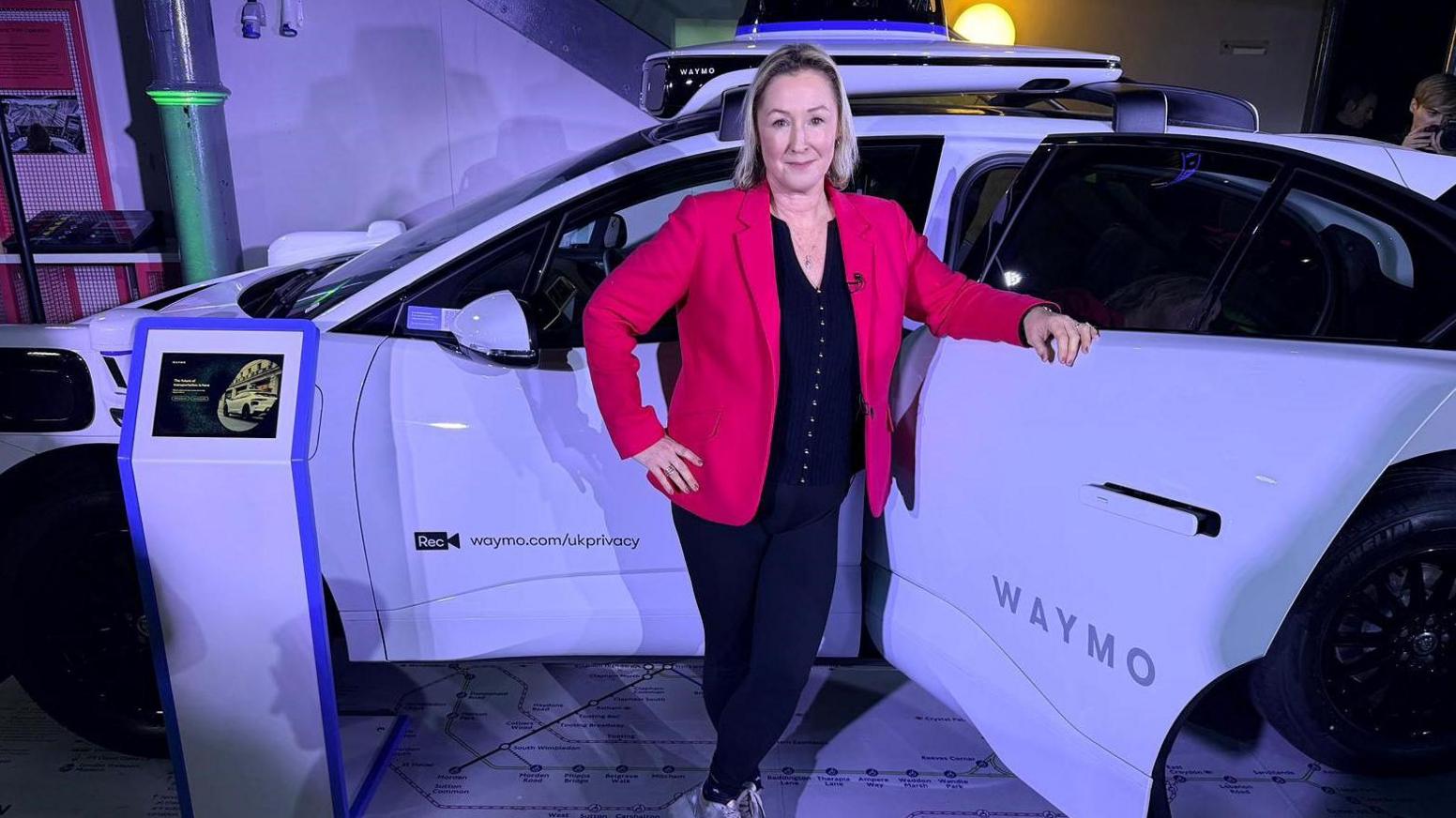
The streets of London may soon witness a technological transformation as Waymo, a leading US-based autonomous vehicle company, prepares to introduce its driverless taxi service by the end of the year. This ambitious rollout hinges on forthcoming regulatory changes, with the UK government planning to update transport laws by 2026 to facilitate the operation of autonomous vehicles.
Training for London's Unique Roads
Waymo's fleet, which currently includes around 24 vehicles in London, is undergoing rigorous training to adapt to the city's distinctive road features. Unlike the US, where crosswalks are common, London streets are marked by zebra crossings with Belisha beacons, requiring a nuanced understanding of pedestrian interactions. Ben Loewenstein, Waymo's head of EU and UK policy, emphasized the importance of this training phase, stating, "Our vehicles are learning the nuances of London’s roads to ensure safety and efficiency."
Economic Impact and Industry Growth
The introduction of driverless taxis is expected to significantly boost the UK economy. Government estimates suggest that the autonomous vehicle industry could add £42 billion to the economy by 2035, creating nearly 40,000 new jobs. This potential economic boon is driving interest from other companies, including Uber and Lyft, which are also preparing to launch their own robotaxi services in the UK.
Safety and Public Perception
Safety remains a top priority as Waymo and other companies await the necessary legislative framework. The Automated Vehicles Act, passed in 2024, laid the groundwork for a self-driving safety framework, but secondary legislation is still required. Local Transport Minister Lilian Greenwood highlighted the importance of stringent safety standards, including protection against cyber threats, before these vehicles can operate on UK roads.
Despite the technological advancements, public perception remains a challenge. The Licensed Taxi Drivers’ Association has expressed concerns, likening the robotaxis to a "fairground ride." However, Waymo is optimistic that public acceptance will grow as the technology becomes more familiar.
WHAT THIS MIGHT MEAN
As Waymo and other companies gear up for the launch of driverless taxis in London, several scenarios could unfold. If the UK government successfully implements the necessary regulatory changes, the autonomous vehicle industry could see rapid growth, attracting further investment and innovation. However, public acceptance and safety concerns will need to be addressed through comprehensive public information campaigns and rigorous safety testing.
The introduction of driverless taxis could also reshape urban transport dynamics, potentially reducing congestion and emissions. However, traditional taxi services may face increased competition, prompting a reevaluation of their business models. As the industry evolves, collaboration between technology companies, regulators, and the public will be crucial to ensuring a smooth transition to this new era of transportation.
Images from the Web

Related Articles

UK Police Intensify Investigation into Andrew Mountbatten-Windsor Amid Misconduct Allegations

Middle East Conflict Drives UK Energy Prices to New Highs

Labour MP's Husband Arrested in UK-China Espionage Probe

Government Announces £4 Billion Overhaul of SEND Support in England

Bafta Film Awards 2023: A Night of Glamour, Talent, and Fashion Statements

UK Government Announces Major Overhaul of SEND System with £3.4 Billion Investment
Driverless Taxis Poised for London Launch Amid Regulatory Changes
In This Article
 Leila Hassan| Published
 HIGHLIGHTS
- Waymo plans to launch a driverless taxi service in London by the end of the year, pending regulatory approval.
- The UK government aims to update transport regulations by 2026 to accommodate autonomous vehicles.
- Waymo's fleet in London is currently undergoing training to navigate the city's unique road features, such as zebra crossings.
- The autonomous vehicle industry could contribute £42 billion to the UK economy by 2035, creating nearly 40,000 jobs.
- Rival companies like Uber and Lyft are also preparing to introduce their robotaxi services in the UK.
The streets of London may soon witness a technological transformation as Waymo, a leading US-based autonomous vehicle company, prepares to introduce its driverless taxi service by the end of the year. This ambitious rollout hinges on forthcoming regulatory changes, with the UK government planning to update transport laws by 2026 to facilitate the operation of autonomous vehicles.
Training for London's Unique Roads
Waymo's fleet, which currently includes around 24 vehicles in London, is undergoing rigorous training to adapt to the city's distinctive road features. Unlike the US, where crosswalks are common, London streets are marked by zebra crossings with Belisha beacons, requiring a nuanced understanding of pedestrian interactions. Ben Loewenstein, Waymo's head of EU and UK policy, emphasized the importance of this training phase, stating, "Our vehicles are learning the nuances of London’s roads to ensure safety and efficiency."
Economic Impact and Industry Growth
The introduction of driverless taxis is expected to significantly boost the UK economy. Government estimates suggest that the autonomous vehicle industry could add £42 billion to the economy by 2035, creating nearly 40,000 new jobs. This potential economic boon is driving interest from other companies, including Uber and Lyft, which are also preparing to launch their own robotaxi services in the UK.
Safety and Public Perception
Safety remains a top priority as Waymo and other companies await the necessary legislative framework. The Automated Vehicles Act, passed in 2024, laid the groundwork for a self-driving safety framework, but secondary legislation is still required. Local Transport Minister Lilian Greenwood highlighted the importance of stringent safety standards, including protection against cyber threats, before these vehicles can operate on UK roads.
Despite the technological advancements, public perception remains a challenge. The Licensed Taxi Drivers’ Association has expressed concerns, likening the robotaxis to a "fairground ride." However, Waymo is optimistic that public acceptance will grow as the technology becomes more familiar.
WHAT THIS MIGHT MEAN
As Waymo and other companies gear up for the launch of driverless taxis in London, several scenarios could unfold. If the UK government successfully implements the necessary regulatory changes, the autonomous vehicle industry could see rapid growth, attracting further investment and innovation. However, public acceptance and safety concerns will need to be addressed through comprehensive public information campaigns and rigorous safety testing.
The introduction of driverless taxis could also reshape urban transport dynamics, potentially reducing congestion and emissions. However, traditional taxi services may face increased competition, prompting a reevaluation of their business models. As the industry evolves, collaboration between technology companies, regulators, and the public will be crucial to ensuring a smooth transition to this new era of transportation.
Images from the Web
Related Articles
UK Police Intensify Investigation into Andrew Mountbatten-Windsor Amid Misconduct Allegations
Middle East Conflict Drives UK Energy Prices to New Highs
Labour MP's Husband Arrested in UK-China Espionage Probe
Government Announces £4 Billion Overhaul of SEND Support in England
Bafta Film Awards 2023: A Night of Glamour, Talent, and Fashion Statements
UK Government Announces Major Overhaul of SEND System with £3.4 Billion Investment