
Weight-Loss Injections Transform Consumer Habits Amidst Counterfeit Pill Concerns
In This Article
HIGHLIGHTS
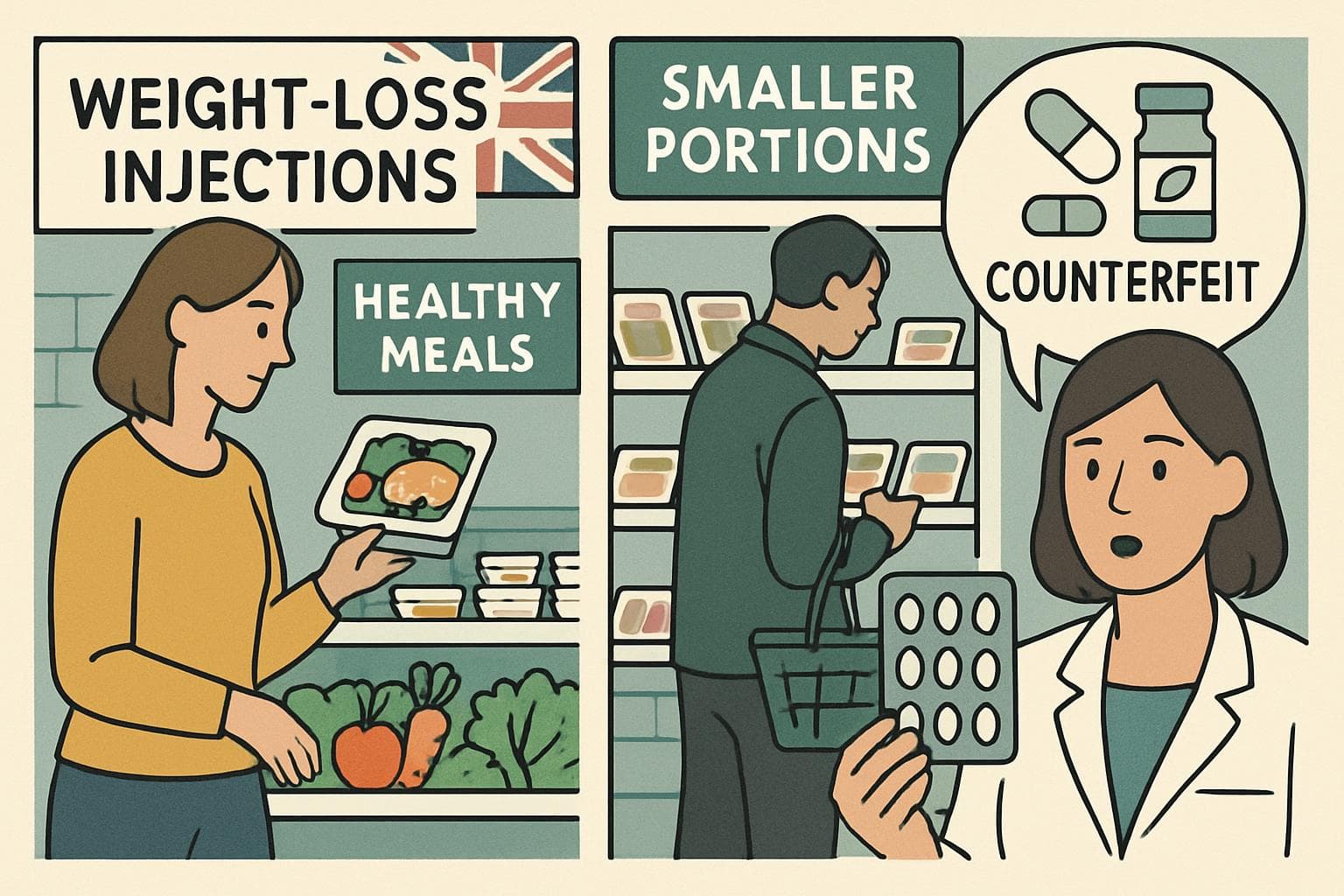
- The popularity of weight-loss injections in the UK is reshaping consumer spending, with 1.6 million users in 2024 and a shift towards nutrient-dense foods.
- Supermarkets and restaurants are adapting to demand for smaller portions and healthier options, influenced by GLP-1 hormone drugs.
- Experts warn of potential counterfeit weight-loss pills as oral versions become available, necessitating stronger regulation.
- Pills are easier to counterfeit than injections, posing risks of contamination and incorrect dosages.
- Pharmaceutical companies are developing oral weight-loss medications, with some already approved in the US and under review in the UK.
The rise of weight-loss injections is not only helping individuals shed pounds but is also significantly altering consumer spending habits across the UK. According to research from University College London, approximately 1.6 million people used these injections in 2024, with many more expressing interest. These drugs, which mimic the GLP-1 hormone to regulate hunger, are influencing dietary choices and retail trends.
Changing Consumer Patterns
As the demand for weight-loss injections grows, businesses are adapting to a new consumer landscape. Supermarkets like The Co-op, Morrisons, and Marks and Spencer have introduced nutrient-dense ready meals, while Ocado offers smaller portion sizes, such as a 100g steak. Sam Gillson, a 38-year-old from Shropshire, shared with BBC Your Voice how his weekly food expenses have decreased since starting the injections, opting for healthier food choices.
Restaurants are also responding to these changes. The Michelin-starred Fat Duck, led by Heston Blumenthal, has launched a menu catering to those eating more mindfully, including individuals on appetite suppressants. This shift is echoed by Jonny Forsyth of Mintel, who notes a broader trend towards health-conscious eating, particularly among younger consumers.
Counterfeit Pill Concerns
While the injectable form of weight-loss drugs remains popular, the introduction of oral versions raises concerns about counterfeit products. Experts warn that pills are easier to counterfeit than injections, posing significant risks. Bhavik Patel, a professor at the University of Brighton, highlights the simplicity of manufacturing fake pills, which could lead to contamination or incorrect dosages.
Pharmaceutical companies like Novo Nordisk and Eli Lilly are developing oral weight-loss medications, with some already approved by the US FDA and others under review by the UK's Medicines and Healthcare products Regulatory Agency. However, the potential for counterfeit pills remains a pressing issue, as highlighted by Dr. Bernard Naughton from Trinity College Dublin, who emphasizes the need for stringent regulation to protect consumers.
WHAT THIS MIGHT MEAN
The growing popularity of weight-loss injections and the introduction of oral alternatives could continue to reshape consumer habits and the food industry. As businesses adapt to these changes, there may be increased emphasis on health and wellness products. However, the threat of counterfeit pills could undermine consumer trust, necessitating robust regulatory measures to ensure safety and efficacy.
If counterfeit pills become widespread, it could lead to significant health risks and legal challenges for pharmaceutical companies and regulators. Ensuring that consumers have access to safe and legitimate products will be crucial in maintaining public confidence in these weight-loss solutions.
Images from the Web

Related Articles
Novo Nordisk Faces Revenue Decline Amid Price Cuts and Patent Challenges

Rising Gallbladder Surgeries and Pancreatitis Risks Linked to Weight-Loss Injections
FDA Approves First Oral Wegovy Pill for Obesity Treatment

Novo Nordisk's Semaglutide Fails to Slow Alzheimer's Progression, Shares Plummet
Trump Strikes Deals to Slash Weight-Loss Drug Prices and Expand Access

Breakthrough Drug Offers Hope for Children with Severe Epilepsy
Weight-Loss Injections Transform Consumer Habits Amidst Counterfeit Pill Concerns
In This Article
 Aya Nakamura| Published
 HIGHLIGHTS
- The popularity of weight-loss injections in the UK is reshaping consumer spending, with 1.6 million users in 2024 and a shift towards nutrient-dense foods.
- Supermarkets and restaurants are adapting to demand for smaller portions and healthier options, influenced by GLP-1 hormone drugs.
- Experts warn of potential counterfeit weight-loss pills as oral versions become available, necessitating stronger regulation.
- Pills are easier to counterfeit than injections, posing risks of contamination and incorrect dosages.
- Pharmaceutical companies are developing oral weight-loss medications, with some already approved in the US and under review in the UK.
The rise of weight-loss injections is not only helping individuals shed pounds but is also significantly altering consumer spending habits across the UK. According to research from University College London, approximately 1.6 million people used these injections in 2024, with many more expressing interest. These drugs, which mimic the GLP-1 hormone to regulate hunger, are influencing dietary choices and retail trends.
Changing Consumer Patterns
As the demand for weight-loss injections grows, businesses are adapting to a new consumer landscape. Supermarkets like The Co-op, Morrisons, and Marks and Spencer have introduced nutrient-dense ready meals, while Ocado offers smaller portion sizes, such as a 100g steak. Sam Gillson, a 38-year-old from Shropshire, shared with BBC Your Voice how his weekly food expenses have decreased since starting the injections, opting for healthier food choices.
Restaurants are also responding to these changes. The Michelin-starred Fat Duck, led by Heston Blumenthal, has launched a menu catering to those eating more mindfully, including individuals on appetite suppressants. This shift is echoed by Jonny Forsyth of Mintel, who notes a broader trend towards health-conscious eating, particularly among younger consumers.
Counterfeit Pill Concerns
While the injectable form of weight-loss drugs remains popular, the introduction of oral versions raises concerns about counterfeit products. Experts warn that pills are easier to counterfeit than injections, posing significant risks. Bhavik Patel, a professor at the University of Brighton, highlights the simplicity of manufacturing fake pills, which could lead to contamination or incorrect dosages.
Pharmaceutical companies like Novo Nordisk and Eli Lilly are developing oral weight-loss medications, with some already approved by the US FDA and others under review by the UK's Medicines and Healthcare products Regulatory Agency. However, the potential for counterfeit pills remains a pressing issue, as highlighted by Dr. Bernard Naughton from Trinity College Dublin, who emphasizes the need for stringent regulation to protect consumers.
WHAT THIS MIGHT MEAN
The growing popularity of weight-loss injections and the introduction of oral alternatives could continue to reshape consumer habits and the food industry. As businesses adapt to these changes, there may be increased emphasis on health and wellness products. However, the threat of counterfeit pills could undermine consumer trust, necessitating robust regulatory measures to ensure safety and efficacy.
If counterfeit pills become widespread, it could lead to significant health risks and legal challenges for pharmaceutical companies and regulators. Ensuring that consumers have access to safe and legitimate products will be crucial in maintaining public confidence in these weight-loss solutions.
Images from the Web
Related Articles
Novo Nordisk Faces Revenue Decline Amid Price Cuts and Patent Challenges
Rising Gallbladder Surgeries and Pancreatitis Risks Linked to Weight-Loss Injections
FDA Approves First Oral Wegovy Pill for Obesity Treatment
Novo Nordisk's Semaglutide Fails to Slow Alzheimer's Progression, Shares Plummet
Trump Strikes Deals to Slash Weight-Loss Drug Prices and Expand Access
Breakthrough Drug Offers Hope for Children with Severe Epilepsy