
Welfare Reform Bill Faces Opposition Amid Concerns of Two-Tier System
In This Article
HIGHLIGHTS
- The Welfare Reform Bill faces potential defeat despite government concessions, as Labour MPs express strong opposition.
- Prime Minister Keir Starmer's adjustments include stricter criteria for new claimants and inflation-linked increases for existing recipients.
- Labour MP Olivia Blake criticizes the bill for creating an "unethical two-tier system" and urges more inclusive policy-making.
- Work and Pensions Secretary Liz Kendall defends the reforms, emphasizing sustainability and protection for those unable to work.
- MPs like Peter Lamb and Olivia Blake argue for a preventative approach to mental health and disability support, warning against cost-cutting measures.
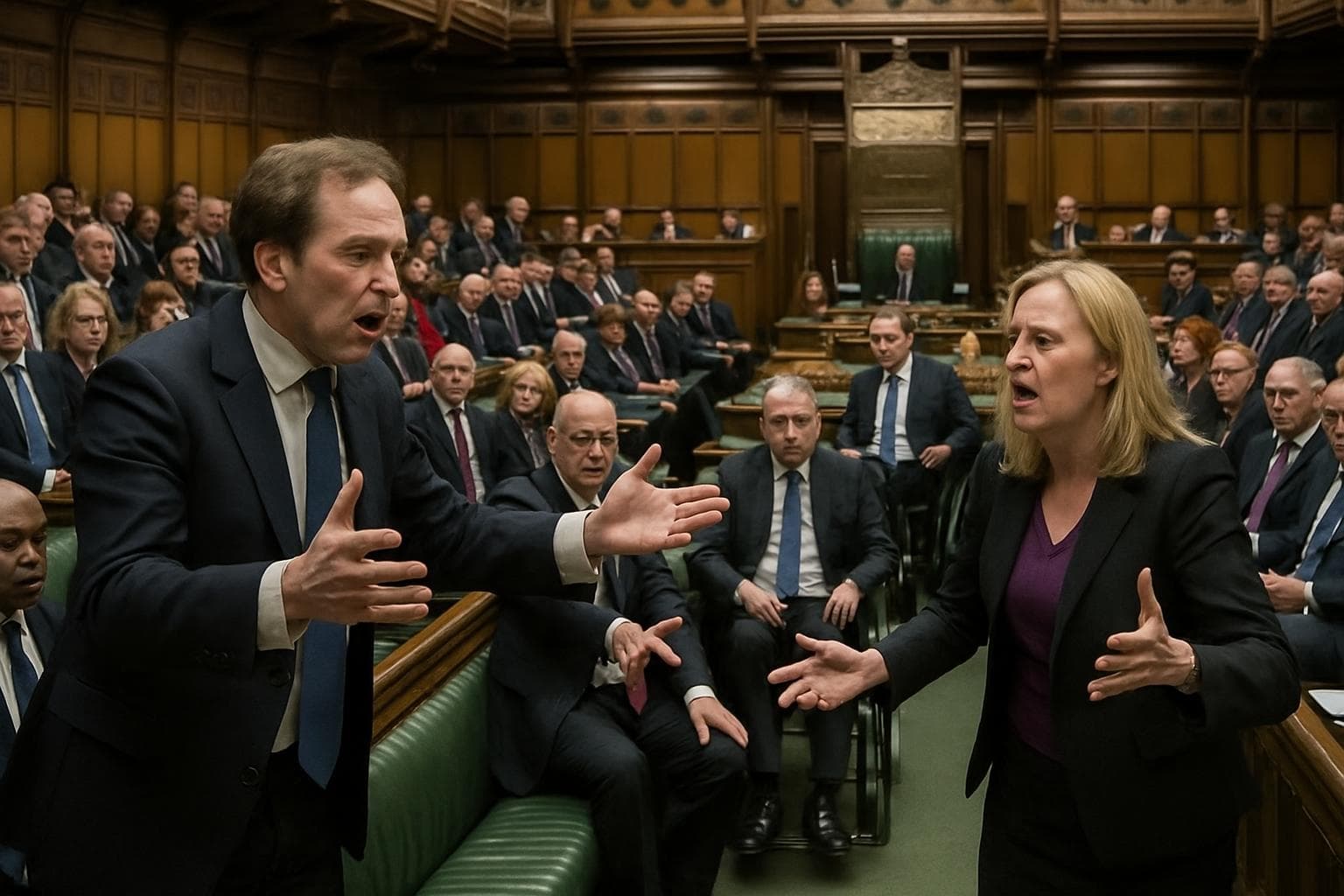
The UK government's Welfare Reform Bill is encountering significant resistance from Labour MPs, despite recent concessions aimed at securing its passage. The bill, which proposes changes to the welfare system, has sparked debate over its potential impact on vulnerable populations.
Government Concessions and Opposition
Prime Minister Keir Starmer announced modifications to the bill, including stricter criteria for new claimants and an inflation-linked increase for the health-related component of Universal Credit for existing recipients. However, these changes have not quelled the opposition. Labour MP Peter Lamb, representing Crawley, expressed skepticism about the bill's future, stating, "I don't think it's inconceivable that we'll get back up to the numbers which potentially result in the bill being killed."
Lamb criticized the bill as a cost-cutting measure that would remove billions from those with high vulnerability levels. He emphasized the need for a preventative approach to mental health, which accounts for a significant portion of Personal Independence Payments (PIP) claims.
Criticism of a Two-Tier System
Olivia Blake, a disabled Labour MP, voiced concerns that the bill could create an "unethical two-tier system." She argued that the proposed changes were hastily devised and failed to address the needs of disabled individuals adequately. Blake, who has pain and genetic metabolic disorders, highlighted the government's lack of engagement with disabled people, describing her attempts to communicate with ministers as "shouting at a brick wall."
Blake's criticism comes amid frantic negotiations by the government to quell a rebellion of over 120 Labour MPs. The original plans included tightening eligibility for PIP and cutting out-of-work sickness benefits, prompting backlash from within the party.
Government's Defense and Future Implications
Work and Pensions Secretary Liz Kendall defended the bill, asserting that the reforms aim to make the welfare state sustainable while protecting those unable to work. She stated, "We have listened to people, we have engaged with them, I think we are in a good place now."
Despite the government's assurances, MPs like Blake remain unconvinced, warning that the bill's concessions could lead to future claimants facing harsher conditions. "We can't kick the can down the road," Blake said, emphasizing the need for immediate and comprehensive support for disabled individuals.
WHAT THIS MIGHT MEAN
As the Welfare Reform Bill approaches a critical vote in the Commons, the government's ability to navigate internal dissent will be crucial. If the bill is defeated, it could prompt a reevaluation of welfare policies and potentially lead to more inclusive reforms. Conversely, if passed, the bill may face ongoing scrutiny and calls for further amendments to address the concerns of disabled individuals and their advocates. The outcome could significantly impact the political landscape, influencing public perception of the Labour Party's commitment to social welfare.
Related Articles

Middle East Conflict Drives UK Energy Prices to New Highs

UK Government's SEND Reforms: A Critical Turning Point for Special Education

UK Faces Dilemmas Amid Iran Conflict and China Spying Allegations

Labour MP's Husband Arrested in UK-China Espionage Probe

UK-Iran Tensions: Starmer Defends Cautious Approach Amid Trump Criticism

Diplomatic Tensions Rise as Trump Criticizes Starmer's Iran Policy
Welfare Reform Bill Faces Opposition Amid Concerns of Two-Tier System
In This Article
 Daniel Rivera| Published
 HIGHLIGHTS
- The Welfare Reform Bill faces potential defeat despite government concessions, as Labour MPs express strong opposition.
- Prime Minister Keir Starmer's adjustments include stricter criteria for new claimants and inflation-linked increases for existing recipients.
- Labour MP Olivia Blake criticizes the bill for creating an "unethical two-tier system" and urges more inclusive policy-making.
- Work and Pensions Secretary Liz Kendall defends the reforms, emphasizing sustainability and protection for those unable to work.
- MPs like Peter Lamb and Olivia Blake argue for a preventative approach to mental health and disability support, warning against cost-cutting measures.
The UK government's Welfare Reform Bill is encountering significant resistance from Labour MPs, despite recent concessions aimed at securing its passage. The bill, which proposes changes to the welfare system, has sparked debate over its potential impact on vulnerable populations.
Government Concessions and Opposition
Prime Minister Keir Starmer announced modifications to the bill, including stricter criteria for new claimants and an inflation-linked increase for the health-related component of Universal Credit for existing recipients. However, these changes have not quelled the opposition. Labour MP Peter Lamb, representing Crawley, expressed skepticism about the bill's future, stating, "I don't think it's inconceivable that we'll get back up to the numbers which potentially result in the bill being killed."
Lamb criticized the bill as a cost-cutting measure that would remove billions from those with high vulnerability levels. He emphasized the need for a preventative approach to mental health, which accounts for a significant portion of Personal Independence Payments (PIP) claims.
Criticism of a Two-Tier System
Olivia Blake, a disabled Labour MP, voiced concerns that the bill could create an "unethical two-tier system." She argued that the proposed changes were hastily devised and failed to address the needs of disabled individuals adequately. Blake, who has pain and genetic metabolic disorders, highlighted the government's lack of engagement with disabled people, describing her attempts to communicate with ministers as "shouting at a brick wall."
Blake's criticism comes amid frantic negotiations by the government to quell a rebellion of over 120 Labour MPs. The original plans included tightening eligibility for PIP and cutting out-of-work sickness benefits, prompting backlash from within the party.
Government's Defense and Future Implications
Work and Pensions Secretary Liz Kendall defended the bill, asserting that the reforms aim to make the welfare state sustainable while protecting those unable to work. She stated, "We have listened to people, we have engaged with them, I think we are in a good place now."
Despite the government's assurances, MPs like Blake remain unconvinced, warning that the bill's concessions could lead to future claimants facing harsher conditions. "We can't kick the can down the road," Blake said, emphasizing the need for immediate and comprehensive support for disabled individuals.
WHAT THIS MIGHT MEAN
As the Welfare Reform Bill approaches a critical vote in the Commons, the government's ability to navigate internal dissent will be crucial. If the bill is defeated, it could prompt a reevaluation of welfare policies and potentially lead to more inclusive reforms. Conversely, if passed, the bill may face ongoing scrutiny and calls for further amendments to address the concerns of disabled individuals and their advocates. The outcome could significantly impact the political landscape, influencing public perception of the Labour Party's commitment to social welfare.
Related Articles
Middle East Conflict Drives UK Energy Prices to New Highs
UK Government's SEND Reforms: A Critical Turning Point for Special Education
UK Faces Dilemmas Amid Iran Conflict and China Spying Allegations
Labour MP's Husband Arrested in UK-China Espionage Probe
UK-Iran Tensions: Starmer Defends Cautious Approach Amid Trump Criticism
Diplomatic Tensions Rise as Trump Criticizes Starmer's Iran Policy