
Welsh Labour Faces Challenges Amid Criticism and Election Pressure
In This Article
HIGHLIGHTS
- Keir Starmer supports Welsh First Minister Eluned Morgan's criticisms of the UK government, promising to address her concerns.
- Plaid Cymru has dismissed claims of potential cooperation with Reform UK, emphasizing their fundamental differences.
- Jo Stevens highlights Labour's achievements, including a £21bn budget for Wales and initiatives to reduce NHS waiting times.
- Labour faces challenges in the upcoming Senedd election, with polling suggesting a potential decline in their vote share.
- The UK government has reversed decisions on winter fuel payments and disability benefits following pressure from Welsh Labour.
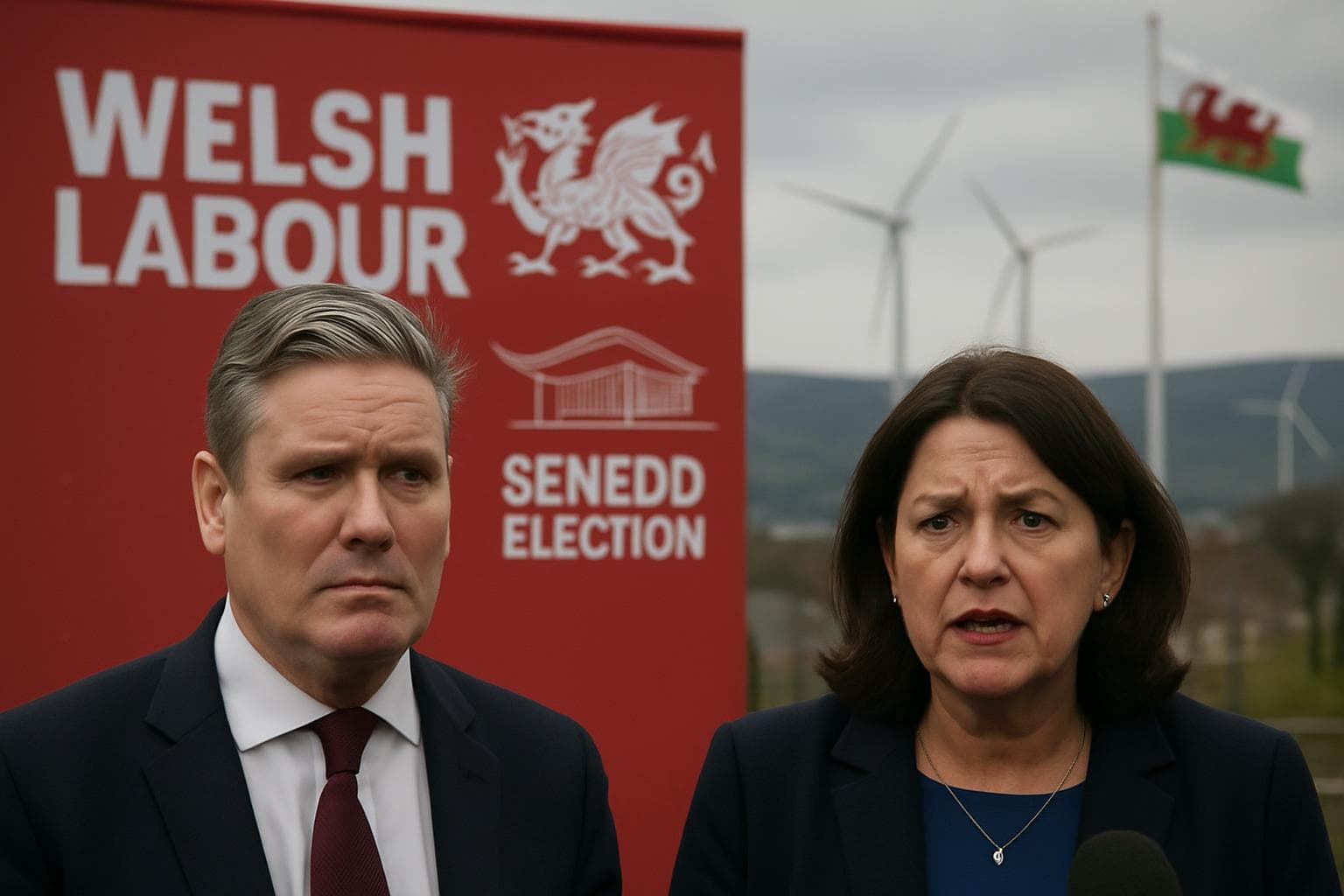
As the Welsh Labour conference unfolds in Llandudno, party leader Keir Starmer has expressed support for First Minister Eluned Morgan's recent criticisms of the UK government. Starmer, speaking to BBC Wales, acknowledged Morgan's concerns and committed to addressing them "as far as we can." This comes as Labour navigates a complex political landscape ahead of the Senedd election, where polling indicates potential challenges for the party.
Welsh Labour's Criticisms and Achievements
Eluned Morgan has been vocal about her dissatisfaction with certain UK government policies, notably those affecting benefits and winter fuel payments. Her "Red Welsh Way" initiative underscores her commitment to defending Welsh interests, particularly in areas like wind power. In response, the UK government has reversed its stance on winter fuel payments and disability benefits, demonstrating the influence of Welsh Labour's advocacy.
Jo Stevens, Secretary of State for Wales, highlighted Labour's achievements, including securing a £21bn budget for Wales, the largest since devolution. This funding aims to address critical issues such as NHS waiting times and infrastructure improvements, including rail and coal tip safety.
Political Dynamics and Election Outlook
The political climate in Wales is tense, with Plaid Cymru firmly rejecting any potential collaboration with Reform UK, led by Nigel Farage. Plaid's leader, Rhun ap Iorwerth, reiterated the party's stance against cooperation with parties that hold fundamentally different values.
Despite these tensions, Labour's Jo Stevens remains optimistic about the party's prospects, citing significant investments and projects like the offshore wind initiative in the Celtic Sea, which promises to create thousands of jobs in Port Talbot.
The Road Ahead for Welsh Labour
As Labour prepares for the upcoming Senedd election, the party faces the challenge of maintaining its historical dominance in Welsh politics. With polling suggesting a possible decline in vote share, the party must navigate a complex landscape of voter concerns and opposition strategies.
WHAT THIS MIGHT MEAN
Looking ahead, the outcome of the Senedd election will be pivotal for Welsh Labour. If the party can effectively communicate its achievements and address voter concerns, it may retain its leadership position. However, a failure to do so could open the door for opposition parties to gain ground. The political dynamics between Welsh Labour, Plaid Cymru, and Reform UK will also play a crucial role in shaping the future of Welsh governance. As the election approaches, the strategies and alliances formed by these parties will be closely watched by political analysts and voters alike.
Related Articles

Reform UK Aims to Reshape Welsh Politics with New Manifesto

Labour MP's Husband Arrested in UK-China Espionage Probe

Middle East Conflict Drives UK Energy Prices to New Highs

UK Faces Dilemmas Amid Iran Conflict and China Spying Allegations

UK-Iran Tensions: Starmer Defends Cautious Approach Amid Trump Criticism

Diplomatic Tensions Rise as Trump Criticizes Starmer's Iran Policy
Welsh Labour Faces Challenges Amid Criticism and Election Pressure
In This Article
 Alex Carter| Published
 HIGHLIGHTS
- Keir Starmer supports Welsh First Minister Eluned Morgan's criticisms of the UK government, promising to address her concerns.
- Plaid Cymru has dismissed claims of potential cooperation with Reform UK, emphasizing their fundamental differences.
- Jo Stevens highlights Labour's achievements, including a £21bn budget for Wales and initiatives to reduce NHS waiting times.
- Labour faces challenges in the upcoming Senedd election, with polling suggesting a potential decline in their vote share.
- The UK government has reversed decisions on winter fuel payments and disability benefits following pressure from Welsh Labour.
As the Welsh Labour conference unfolds in Llandudno, party leader Keir Starmer has expressed support for First Minister Eluned Morgan's recent criticisms of the UK government. Starmer, speaking to BBC Wales, acknowledged Morgan's concerns and committed to addressing them "as far as we can." This comes as Labour navigates a complex political landscape ahead of the Senedd election, where polling indicates potential challenges for the party.
Welsh Labour's Criticisms and Achievements
Eluned Morgan has been vocal about her dissatisfaction with certain UK government policies, notably those affecting benefits and winter fuel payments. Her "Red Welsh Way" initiative underscores her commitment to defending Welsh interests, particularly in areas like wind power. In response, the UK government has reversed its stance on winter fuel payments and disability benefits, demonstrating the influence of Welsh Labour's advocacy.
Jo Stevens, Secretary of State for Wales, highlighted Labour's achievements, including securing a £21bn budget for Wales, the largest since devolution. This funding aims to address critical issues such as NHS waiting times and infrastructure improvements, including rail and coal tip safety.
Political Dynamics and Election Outlook
The political climate in Wales is tense, with Plaid Cymru firmly rejecting any potential collaboration with Reform UK, led by Nigel Farage. Plaid's leader, Rhun ap Iorwerth, reiterated the party's stance against cooperation with parties that hold fundamentally different values.
Despite these tensions, Labour's Jo Stevens remains optimistic about the party's prospects, citing significant investments and projects like the offshore wind initiative in the Celtic Sea, which promises to create thousands of jobs in Port Talbot.
The Road Ahead for Welsh Labour
As Labour prepares for the upcoming Senedd election, the party faces the challenge of maintaining its historical dominance in Welsh politics. With polling suggesting a possible decline in vote share, the party must navigate a complex landscape of voter concerns and opposition strategies.
WHAT THIS MIGHT MEAN
Looking ahead, the outcome of the Senedd election will be pivotal for Welsh Labour. If the party can effectively communicate its achievements and address voter concerns, it may retain its leadership position. However, a failure to do so could open the door for opposition parties to gain ground. The political dynamics between Welsh Labour, Plaid Cymru, and Reform UK will also play a crucial role in shaping the future of Welsh governance. As the election approaches, the strategies and alliances formed by these parties will be closely watched by political analysts and voters alike.
Related Articles
Reform UK Aims to Reshape Welsh Politics with New Manifesto
Labour MP's Husband Arrested in UK-China Espionage Probe
Middle East Conflict Drives UK Energy Prices to New Highs
UK Faces Dilemmas Amid Iran Conflict and China Spying Allegations
UK-Iran Tensions: Starmer Defends Cautious Approach Amid Trump Criticism
Diplomatic Tensions Rise as Trump Criticizes Starmer's Iran Policy