
Restoration of Westminster: A £40bn Dilemma for UK Parliament
In This Article
HIGHLIGHTS
- The restoration of the Palace of Westminster could cost up to £40bn and take 61 years, according to recent proposals.
- Two main options are under consideration: a full decant costing £15.6bn and lasting up to 24 years, or a staged decant costing £39bn and taking up to 61 years.
- Initial works, capped at £3bn, are proposed to start in 2026, focusing on essential repairs and temporary accommodations.
- The restoration project faces criticism over its high costs and lack of accountability, with some MPs opposing the full decant option.
- The deteriorating state of the Victorian-era building poses safety risks, with frequent incidents involving fire, asbestos, and masonry.
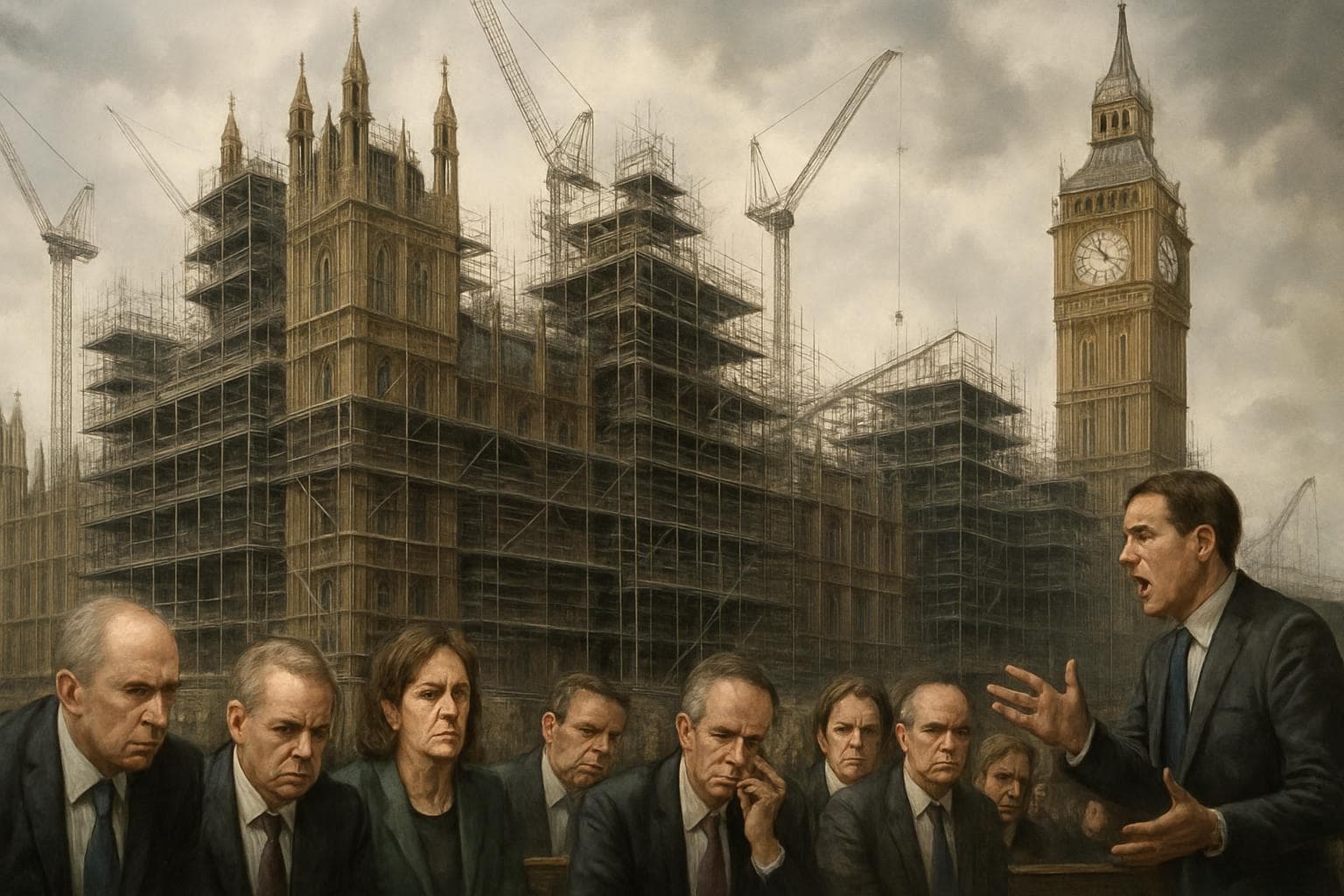
The ambitious plan to restore the historic Palace of Westminster could see costs soar to £40bn and extend over 61 years, as outlined in recent proposals presented to UK lawmakers. The restoration and renewal team has put forward two primary options to address the urgent need for repairs to the crumbling parliamentary estate, which has been plagued by structural and safety issues.
Options for Restoration
The first option involves a complete relocation of both the House of Commons and the House of Lords, known as a "full decant," to nearby facilities starting in 2032. This approach, estimated to last between 19 and 24 years, could cost up to £15.6bn. Alternatively, a "staged decant" would see only the House of Lords vacate the premises for 8 to 13 years, while the Commons would temporarily move to the Lords Chamber for up to two years. This option could extend the project to 61 years with a price tag of £39bn.
Initial Works and Safety Concerns
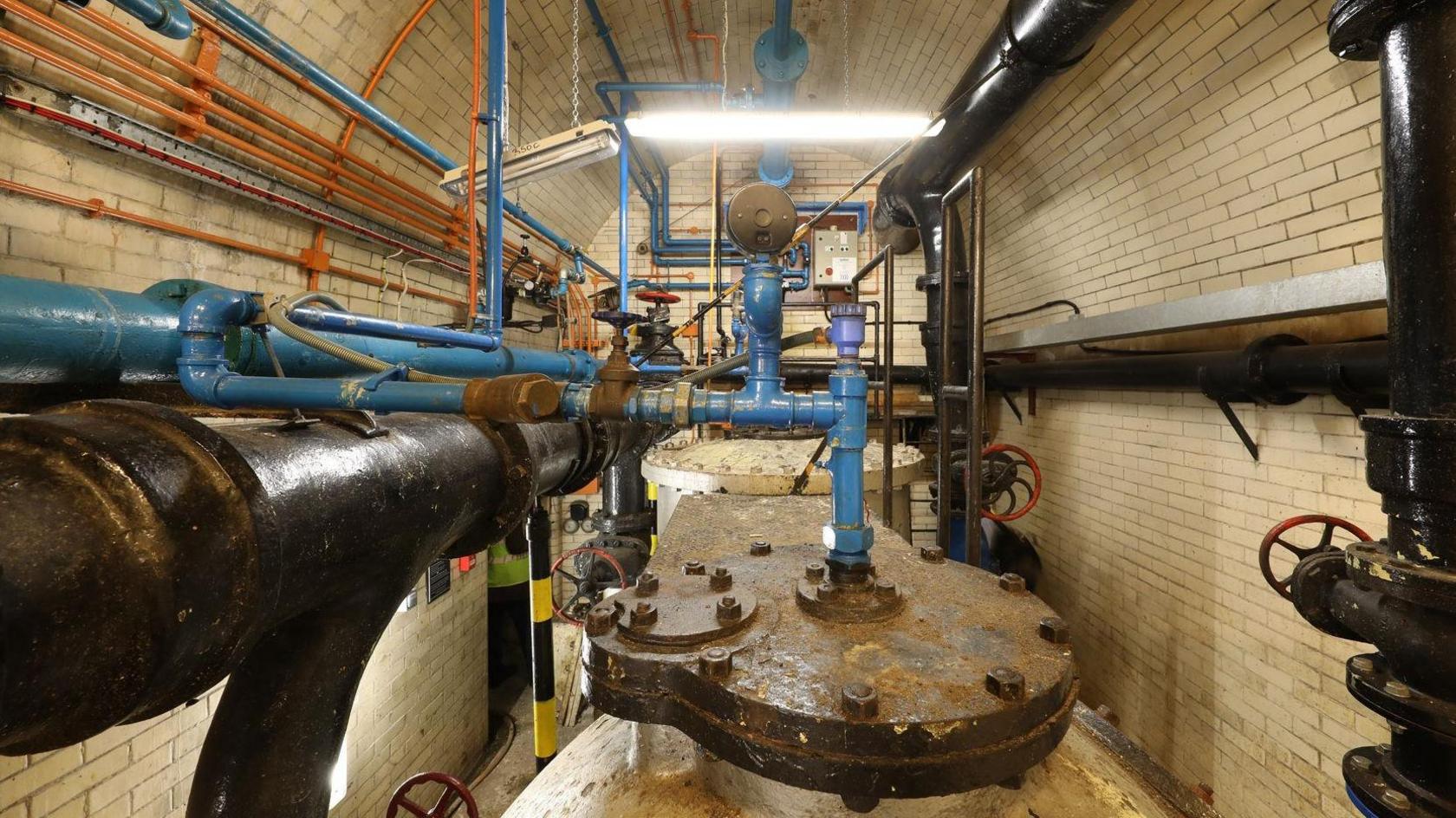
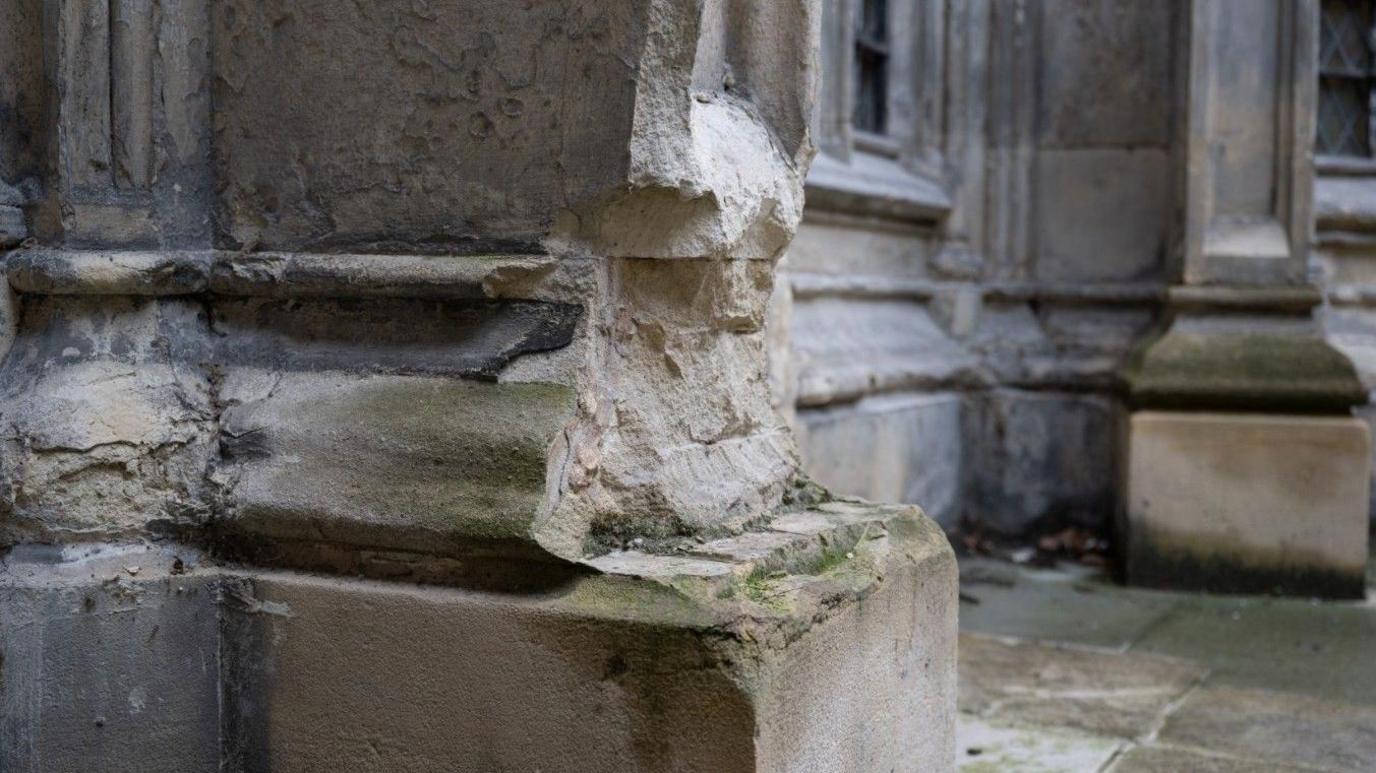
To address immediate concerns, the team has proposed initial works capped at £3bn over seven years, set to begin in 2026 if approved. These works include refurbishing parts of the Victoria Tower and constructing a jetty on the Thames for deliveries. The deteriorating state of the Victorian-era building, with its ancient wiring, asbestos, and unsafe masonry, has led to frequent incidents, including 36 fire incidents and 12 asbestos-related issues since 2016.
Debate and Criticism
The proposals have sparked debate among MPs and peers, with some criticizing the high costs and perceived lack of accountability. Conservative MP Sir Edward Leigh has dismissed the full decant as "absurd," advocating for repairs to be conducted in stages without relocating Parliament. In contrast, the Prospect trade union supports the full decant, citing it as the safest and most cost-effective option. Shadow Speaker Jesse Norman has also raised concerns about the project's governance and budget management, likening the costs to those of the HS2 rail project.
WHAT THIS MIGHT MEAN
As the debate over the restoration of the Palace of Westminster continues, the decision on which option to pursue will have significant implications for the future of the UK Parliament. If the full decant is chosen, it could set a precedent for large-scale heritage site renovations, potentially influencing similar projects worldwide. Conversely, opting for the staged decant may prolong the restoration process, increasing the risk of further deterioration and safety incidents. The outcome will likely impact public perception of government spending and accountability, with potential political ramifications for those involved in the decision-making process.
Images from the Web
Related Articles

Diplomatic Tensions Rise as Trump Criticizes Starmer's Iran Policy
Prince Andrew's Arrest Intensifies Scrutiny on Royal Succession and Prince William's Future Role

US Congress Seeks Testimony from Peter Mandelson Over Epstein Ties
Labour Party Faces Turmoil Over Links to Convicted Sex Offender

Keir Starmer Faces Resignation Calls Amid Mandelson-Epstein Scandal

Mandelson Resigns Amid Epstein Scandal as UK Government Faces Pressure Over Document Release
Restoration of Westminster: A £40bn Dilemma for UK Parliament
In This Article
 Ethan Brooks| Published
 HIGHLIGHTS
- The restoration of the Palace of Westminster could cost up to £40bn and take 61 years, according to recent proposals.
- Two main options are under consideration: a full decant costing £15.6bn and lasting up to 24 years, or a staged decant costing £39bn and taking up to 61 years.
- Initial works, capped at £3bn, are proposed to start in 2026, focusing on essential repairs and temporary accommodations.
- The restoration project faces criticism over its high costs and lack of accountability, with some MPs opposing the full decant option.
- The deteriorating state of the Victorian-era building poses safety risks, with frequent incidents involving fire, asbestos, and masonry.
The ambitious plan to restore the historic Palace of Westminster could see costs soar to £40bn and extend over 61 years, as outlined in recent proposals presented to UK lawmakers. The restoration and renewal team has put forward two primary options to address the urgent need for repairs to the crumbling parliamentary estate, which has been plagued by structural and safety issues.
Options for Restoration
The first option involves a complete relocation of both the House of Commons and the House of Lords, known as a "full decant," to nearby facilities starting in 2032. This approach, estimated to last between 19 and 24 years, could cost up to £15.6bn. Alternatively, a "staged decant" would see only the House of Lords vacate the premises for 8 to 13 years, while the Commons would temporarily move to the Lords Chamber for up to two years. This option could extend the project to 61 years with a price tag of £39bn.
Initial Works and Safety Concerns
To address immediate concerns, the team has proposed initial works capped at £3bn over seven years, set to begin in 2026 if approved. These works include refurbishing parts of the Victoria Tower and constructing a jetty on the Thames for deliveries. The deteriorating state of the Victorian-era building, with its ancient wiring, asbestos, and unsafe masonry, has led to frequent incidents, including 36 fire incidents and 12 asbestos-related issues since 2016.
Debate and Criticism
The proposals have sparked debate among MPs and peers, with some criticizing the high costs and perceived lack of accountability. Conservative MP Sir Edward Leigh has dismissed the full decant as "absurd," advocating for repairs to be conducted in stages without relocating Parliament. In contrast, the Prospect trade union supports the full decant, citing it as the safest and most cost-effective option. Shadow Speaker Jesse Norman has also raised concerns about the project's governance and budget management, likening the costs to those of the HS2 rail project.
WHAT THIS MIGHT MEAN
As the debate over the restoration of the Palace of Westminster continues, the decision on which option to pursue will have significant implications for the future of the UK Parliament. If the full decant is chosen, it could set a precedent for large-scale heritage site renovations, potentially influencing similar projects worldwide. Conversely, opting for the staged decant may prolong the restoration process, increasing the risk of further deterioration and safety incidents. The outcome will likely impact public perception of government spending and accountability, with potential political ramifications for those involved in the decision-making process.
Images from the Web
Related Articles
Diplomatic Tensions Rise as Trump Criticizes Starmer's Iran Policy
Prince Andrew's Arrest Intensifies Scrutiny on Royal Succession and Prince William's Future Role
US Congress Seeks Testimony from Peter Mandelson Over Epstein Ties
Labour Party Faces Turmoil Over Links to Convicted Sex Offender
Keir Starmer Faces Resignation Calls Amid Mandelson-Epstein Scandal
Mandelson Resigns Amid Epstein Scandal as UK Government Faces Pressure Over Document Release