
WH Smith Faces FCA Probe Amid Efforts to Recover Executive Bonuses
In This Article
HIGHLIGHTS
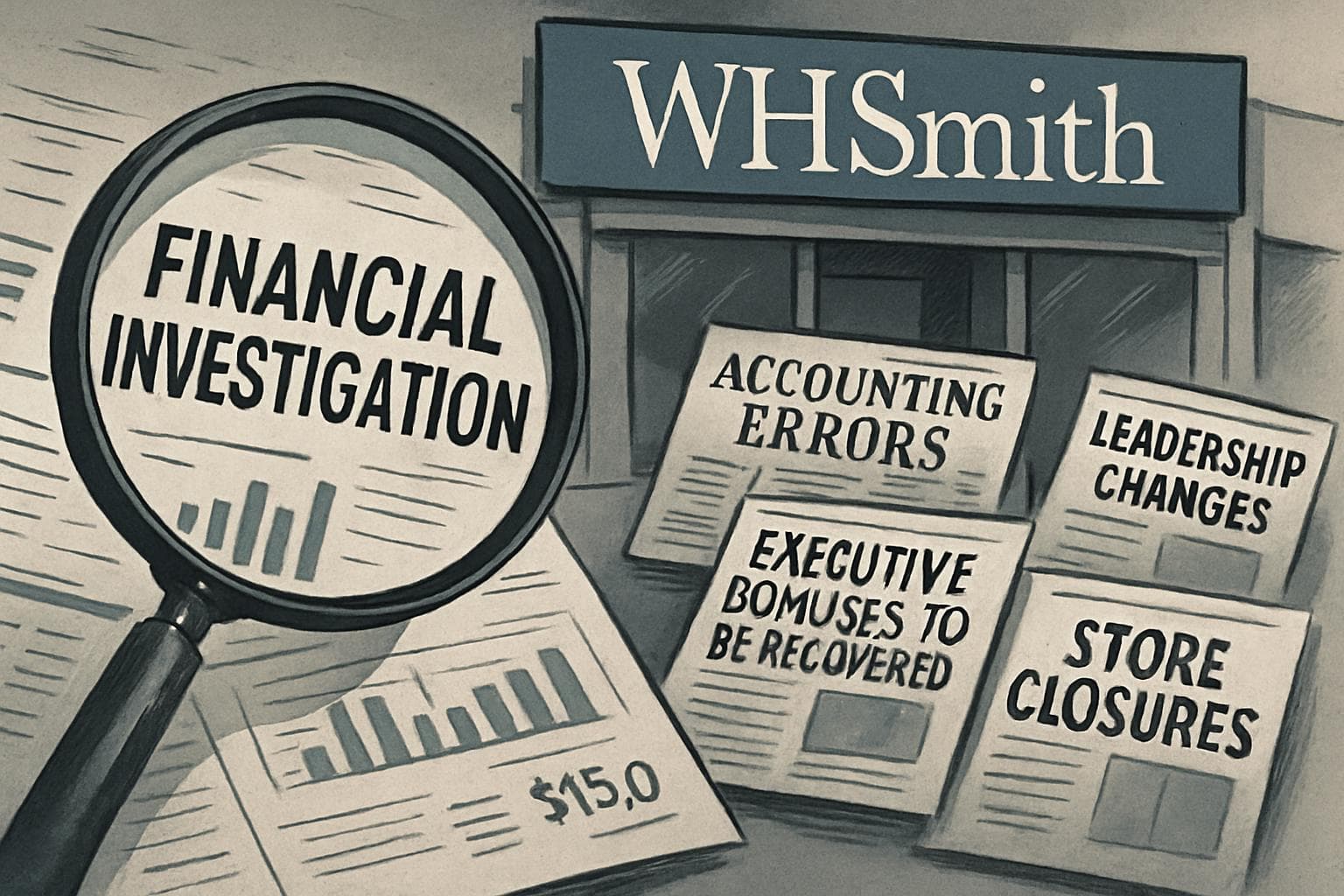
- WH Smith is under investigation by the Financial Conduct Authority (FCA) for accounting errors in its North America business.
- The company plans to recover up to £7m in bonuses from former executives following the accounting scandal.
- WH Smith's shares have fallen significantly, losing almost £600m in market value due to the financial discrepancies.
- Interim CEO Andrew Harrison has announced a remediation plan to strengthen governance and financial controls.
- The company is simplifying its North American operations, closing unprofitable stores and reviewing its retail portfolio.
WH Smith is currently under scrutiny by the UK's Financial Conduct Authority (FCA) following the revelation of significant accounting errors within its North American operations. The investigation, announced earlier this year, aims to determine whether the retailer breached regulations concerning investor disclosures. This development comes as WH Smith attempts to reclaim up to £7m in bonuses from former executives, including ex-CEO Carl Cowling and former finance director Robert Moorhead, who received substantial payouts during the affected financial years.
Financial Discrepancies and Market Impact
The accounting errors, which involved misreporting supplier income and stock provisions, have had a profound impact on WH Smith's financial standing. The company's stock market value plummeted by nearly £600m overnight in August, reflecting investor concerns over the integrity of its financial reporting. As a result, WH Smith's shares have experienced a significant decline, exacerbating the challenges faced by the retailer.
Leadership Changes and Governance Overhaul
In the wake of the scandal, Carl Cowling resigned as CEO, prompting the company to seek a permanent replacement. Interim CEO Andrew Harrison has outlined a comprehensive remediation plan aimed at bolstering corporate governance and financial controls. This initiative includes revising policies, enhancing oversight, and fostering a culture that encourages employees to voice concerns. Harrison emphasized the importance of rebuilding trust and delivering stronger returns as the company moves forward.
Operational Adjustments in North America
WH Smith is also taking steps to streamline its North American operations by closing approximately 40 unprofitable fashion and specialty stores. The company is reviewing its InMotion technology retail portfolio, with potential plans to exit around 25 of its 124 outlets. These strategic adjustments are part of a broader effort to optimize the business and focus on more profitable ventures.
WHAT THIS MIGHT MEAN
The FCA's investigation into WH Smith's accounting practices could lead to significant regulatory and financial repercussions for the retailer. Should the probe uncover further discrepancies or rule violations, the company may face fines or additional regulatory scrutiny. Meanwhile, WH Smith's efforts to recover executive bonuses and implement governance reforms are crucial steps toward restoring investor confidence. As the company navigates these challenges, its ability to stabilize operations and regain market trust will be pivotal in determining its future trajectory. Industry experts suggest that a successful turnaround could hinge on effective leadership and strategic realignment in key markets.
Related Articles
UK Achieves Record Budget Surplus Amid Calls for Fiscal Policy Reform

Breakthrough Drug Offers Hope for Children with Severe Epilepsy

St Francis of Assisi's Bones Draw Global Pilgrims to Italy
Trump Raises Import Tariffs to 15% After Supreme Court Setback

Arrest of Andrew Mountbatten-Windsor Captured in Iconic Photograph
UK Denies US Use of Military Bases for Potential Iran Strikes Amid Chagos Islands Dispute
WH Smith Faces FCA Probe Amid Efforts to Recover Executive Bonuses
In This Article
 Daniel Rivera| Published
 HIGHLIGHTS
- WH Smith is under investigation by the Financial Conduct Authority (FCA) for accounting errors in its North America business.
- The company plans to recover up to £7m in bonuses from former executives following the accounting scandal.
- WH Smith's shares have fallen significantly, losing almost £600m in market value due to the financial discrepancies.
- Interim CEO Andrew Harrison has announced a remediation plan to strengthen governance and financial controls.
- The company is simplifying its North American operations, closing unprofitable stores and reviewing its retail portfolio.
WH Smith is currently under scrutiny by the UK's Financial Conduct Authority (FCA) following the revelation of significant accounting errors within its North American operations. The investigation, announced earlier this year, aims to determine whether the retailer breached regulations concerning investor disclosures. This development comes as WH Smith attempts to reclaim up to £7m in bonuses from former executives, including ex-CEO Carl Cowling and former finance director Robert Moorhead, who received substantial payouts during the affected financial years.
Financial Discrepancies and Market Impact
The accounting errors, which involved misreporting supplier income and stock provisions, have had a profound impact on WH Smith's financial standing. The company's stock market value plummeted by nearly £600m overnight in August, reflecting investor concerns over the integrity of its financial reporting. As a result, WH Smith's shares have experienced a significant decline, exacerbating the challenges faced by the retailer.
Leadership Changes and Governance Overhaul
In the wake of the scandal, Carl Cowling resigned as CEO, prompting the company to seek a permanent replacement. Interim CEO Andrew Harrison has outlined a comprehensive remediation plan aimed at bolstering corporate governance and financial controls. This initiative includes revising policies, enhancing oversight, and fostering a culture that encourages employees to voice concerns. Harrison emphasized the importance of rebuilding trust and delivering stronger returns as the company moves forward.
Operational Adjustments in North America
WH Smith is also taking steps to streamline its North American operations by closing approximately 40 unprofitable fashion and specialty stores. The company is reviewing its InMotion technology retail portfolio, with potential plans to exit around 25 of its 124 outlets. These strategic adjustments are part of a broader effort to optimize the business and focus on more profitable ventures.
WHAT THIS MIGHT MEAN
The FCA's investigation into WH Smith's accounting practices could lead to significant regulatory and financial repercussions for the retailer. Should the probe uncover further discrepancies or rule violations, the company may face fines or additional regulatory scrutiny. Meanwhile, WH Smith's efforts to recover executive bonuses and implement governance reforms are crucial steps toward restoring investor confidence. As the company navigates these challenges, its ability to stabilize operations and regain market trust will be pivotal in determining its future trajectory. Industry experts suggest that a successful turnaround could hinge on effective leadership and strategic realignment in key markets.
Related Articles
UK Achieves Record Budget Surplus Amid Calls for Fiscal Policy Reform
Breakthrough Drug Offers Hope for Children with Severe Epilepsy
St Francis of Assisi's Bones Draw Global Pilgrims to Italy
Trump Raises Import Tariffs to 15% After Supreme Court Setback
Arrest of Andrew Mountbatten-Windsor Captured in Iconic Photograph
UK Denies US Use of Military Bases for Potential Iran Strikes Amid Chagos Islands Dispute