
Wieambilla Shootings: Coroner Rules Out Terrorism, Cites Shared Delusions
In This Article
HIGHLIGHTS
- The Queensland coroner ruled the 2022 Wieambilla shootings were not an act of terrorism, despite initial claims by police.
- The Train family, responsible for the deaths of two officers and a neighbor, acted under shared delusions, not religious extremism.
- Coroner Terry Ryan highlighted the inadequacy of current terrorism definitions and recommended mental health assessments for gun license holders.
- The incident involved a planned ambush, with the Train family using high-powered rifles against inadequately armed officers.
- The case raises questions about police procedures and the influence of online radicalization on violent acts.
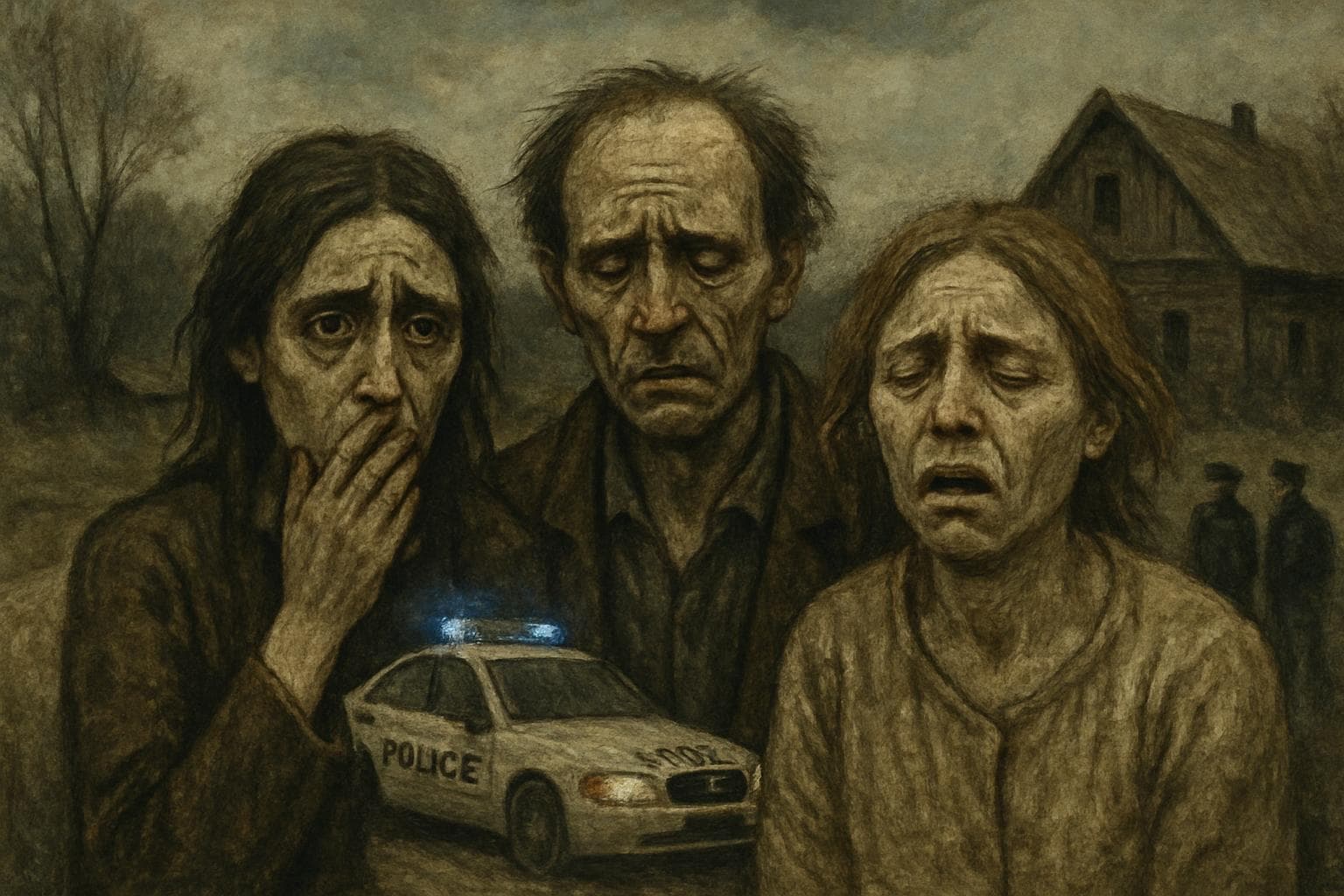
The Queensland coroner has concluded that the 2022 Wieambilla shootings, which resulted in the deaths of two police officers and a neighbor, were not acts of terrorism. This decision overturns initial police claims that the incident marked Australia's first Christian terrorist attack. Instead, the coroner attributed the violence to the Train family's shared delusions.
Incident Overview
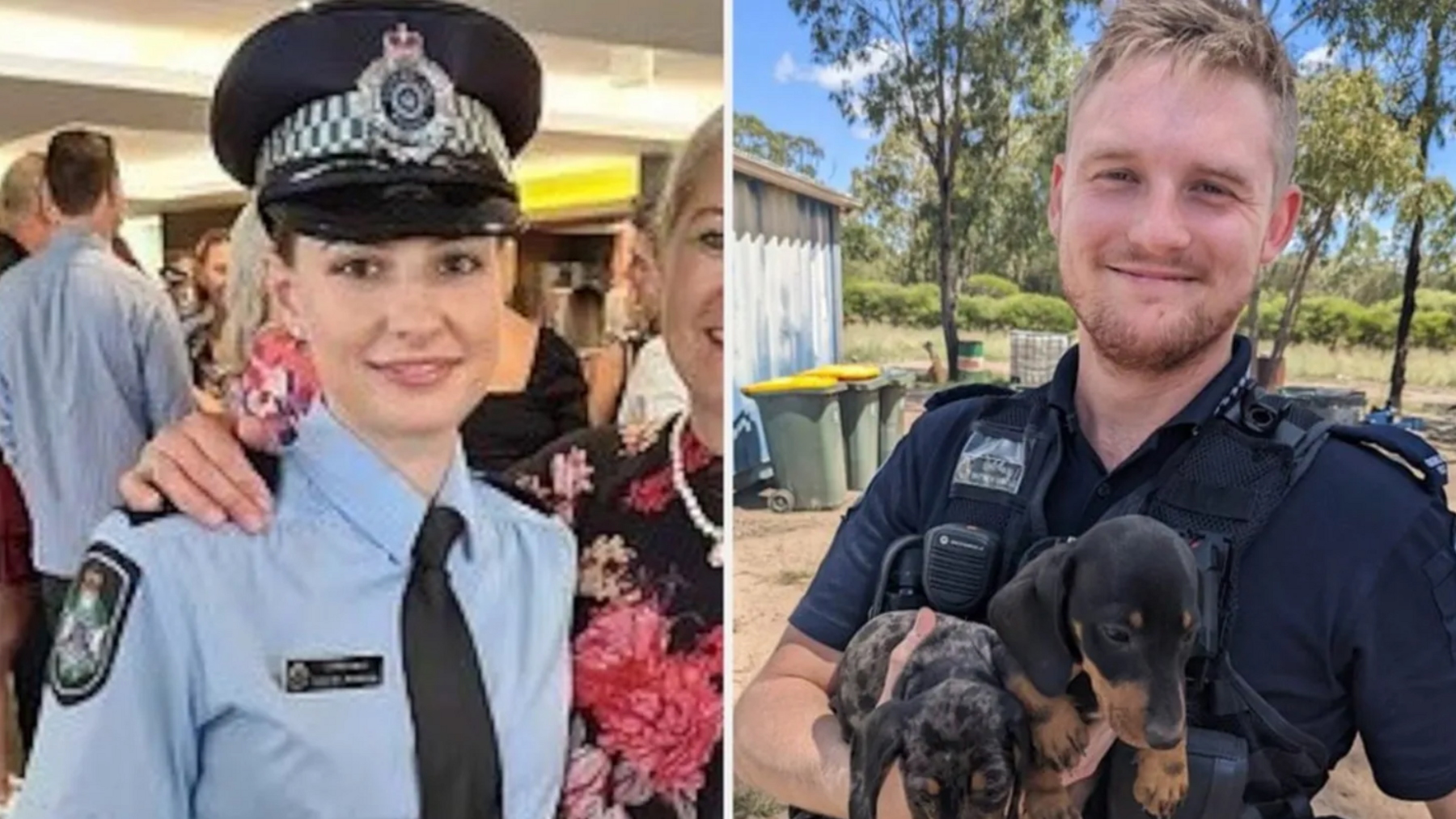
On December 12, 2022, Constables Matthew Arnold and Rachel McCrow were ambushed and killed by Gareth, Stacey, and Nathaniel Train at their rural property near Wieambilla, approximately 270 kilometers west of Brisbane. The Train family also fatally shot a neighbor, Alan Dare, and wounded another officer during the confrontation. The attackers were later killed in a shootout with police.
Coroner's Findings
State Coroner Terry Ryan's findings, released on Friday, emphasized that the Train family acted under a delusional belief system rather than pursuing a religious or political agenda. Ryan noted that the trio's actions were driven by "persecutory delusions," and they were prepared to die rather than be apprehended. The coroner criticized the narrow legal definition of terrorism, suggesting it does not adequately reflect current security challenges.
Mental Health and Radicalization Concerns
The inquest revealed that the Train family suffered from a rare disorder known as "folie à trois," where shared paranoid delusions led to their violent actions. Forensic psychiatrist Andrew Aboud testified that Gareth Train's conspiracy theories, exacerbated during the COVID-19 pandemic, influenced the others. The coroner recommended mandatory mental health assessments for gun license holders to prevent similar incidents.
Implications for Police Procedures
The coroner's report highlighted the inadequacy of the officers' equipment during the ambush, noting that their handguns were no match for the Train family's rifles. The findings suggest a need for reviewing police procedures and equipment to better prepare for such unexpected and violent confrontations.
WHAT THIS MIGHT MEAN
The coroner's findings may prompt a reevaluation of how terrorism is defined and addressed in Australia, potentially leading to legislative changes. The recommendation for mental health assessments for gun license holders could influence future policy decisions, aiming to prevent similar tragedies. Additionally, the case underscores the growing concern over algorithmic radicalization, highlighting the need for monitoring and mitigating the impact of online extremism. As authorities digest these findings, there may be broader discussions on improving police preparedness and response strategies to ensure officer safety in high-risk situations.
Images from the Web
Related Articles

Anna Murdoch-Mann: Influential Figure in Media and Philanthropy Dies at 81

Angus Taylor Challenges Sussan Ley for Leadership of Australia's Liberal Party
Prince Andrew's Arrest Raises Questions About Royal Succession and Monarchy's Future
New UK Entry Rules for Dual Nationals Spark Outcry

Queensland Man Faces 596 Child Abuse Charges in Global Online Grooming Case

Canada and Australia Forge Strategic Partnership Amid Global Uncertainty
Wieambilla Shootings: Coroner Rules Out Terrorism, Cites Shared Delusions
In This Article
 Ethan Brooks| Published
 HIGHLIGHTS
- The Queensland coroner ruled the 2022 Wieambilla shootings were not an act of terrorism, despite initial claims by police.
- The Train family, responsible for the deaths of two officers and a neighbor, acted under shared delusions, not religious extremism.
- Coroner Terry Ryan highlighted the inadequacy of current terrorism definitions and recommended mental health assessments for gun license holders.
- The incident involved a planned ambush, with the Train family using high-powered rifles against inadequately armed officers.
- The case raises questions about police procedures and the influence of online radicalization on violent acts.
The Queensland coroner has concluded that the 2022 Wieambilla shootings, which resulted in the deaths of two police officers and a neighbor, were not acts of terrorism. This decision overturns initial police claims that the incident marked Australia's first Christian terrorist attack. Instead, the coroner attributed the violence to the Train family's shared delusions.
Incident Overview
On December 12, 2022, Constables Matthew Arnold and Rachel McCrow were ambushed and killed by Gareth, Stacey, and Nathaniel Train at their rural property near Wieambilla, approximately 270 kilometers west of Brisbane. The Train family also fatally shot a neighbor, Alan Dare, and wounded another officer during the confrontation. The attackers were later killed in a shootout with police.
Coroner's Findings
State Coroner Terry Ryan's findings, released on Friday, emphasized that the Train family acted under a delusional belief system rather than pursuing a religious or political agenda. Ryan noted that the trio's actions were driven by "persecutory delusions," and they were prepared to die rather than be apprehended. The coroner criticized the narrow legal definition of terrorism, suggesting it does not adequately reflect current security challenges.
Mental Health and Radicalization Concerns
The inquest revealed that the Train family suffered from a rare disorder known as "folie à trois," where shared paranoid delusions led to their violent actions. Forensic psychiatrist Andrew Aboud testified that Gareth Train's conspiracy theories, exacerbated during the COVID-19 pandemic, influenced the others. The coroner recommended mandatory mental health assessments for gun license holders to prevent similar incidents.
Implications for Police Procedures
The coroner's report highlighted the inadequacy of the officers' equipment during the ambush, noting that their handguns were no match for the Train family's rifles. The findings suggest a need for reviewing police procedures and equipment to better prepare for such unexpected and violent confrontations.
WHAT THIS MIGHT MEAN
The coroner's findings may prompt a reevaluation of how terrorism is defined and addressed in Australia, potentially leading to legislative changes. The recommendation for mental health assessments for gun license holders could influence future policy decisions, aiming to prevent similar tragedies. Additionally, the case underscores the growing concern over algorithmic radicalization, highlighting the need for monitoring and mitigating the impact of online extremism. As authorities digest these findings, there may be broader discussions on improving police preparedness and response strategies to ensure officer safety in high-risk situations.
Images from the Web
Related Articles
Anna Murdoch-Mann: Influential Figure in Media and Philanthropy Dies at 81
Angus Taylor Challenges Sussan Ley for Leadership of Australia's Liberal Party
Prince Andrew's Arrest Raises Questions About Royal Succession and Monarchy's Future
New UK Entry Rules for Dual Nationals Spark Outcry
Queensland Man Faces 596 Child Abuse Charges in Global Online Grooming Case
Canada and Australia Forge Strategic Partnership Amid Global Uncertainty