
Windermere Faces Sewage Pollution Crisis Amidst Rising Tourist Activity
In This Article
HIGHLIGHTS
- Windermere's water quality is compromised by high levels of E.coli and intestinal enterococci, especially during summer, indicating significant sewage pollution.
- The Big Windermere Survey, involving 350 citizen scientists, found poor bathing water quality in popular tourist areas like Bowness-on-Windermere.
- Phosphorus levels in the lake exceed expected standards, threatening rare species such as Arctic char.
- The UK government aims to achieve "good" ecological status for all water bodies by 2027, but only 14% currently meet these standards.
- Environment Secretary Steve Reed has pledged to address the sewage pollution issue in Windermere.
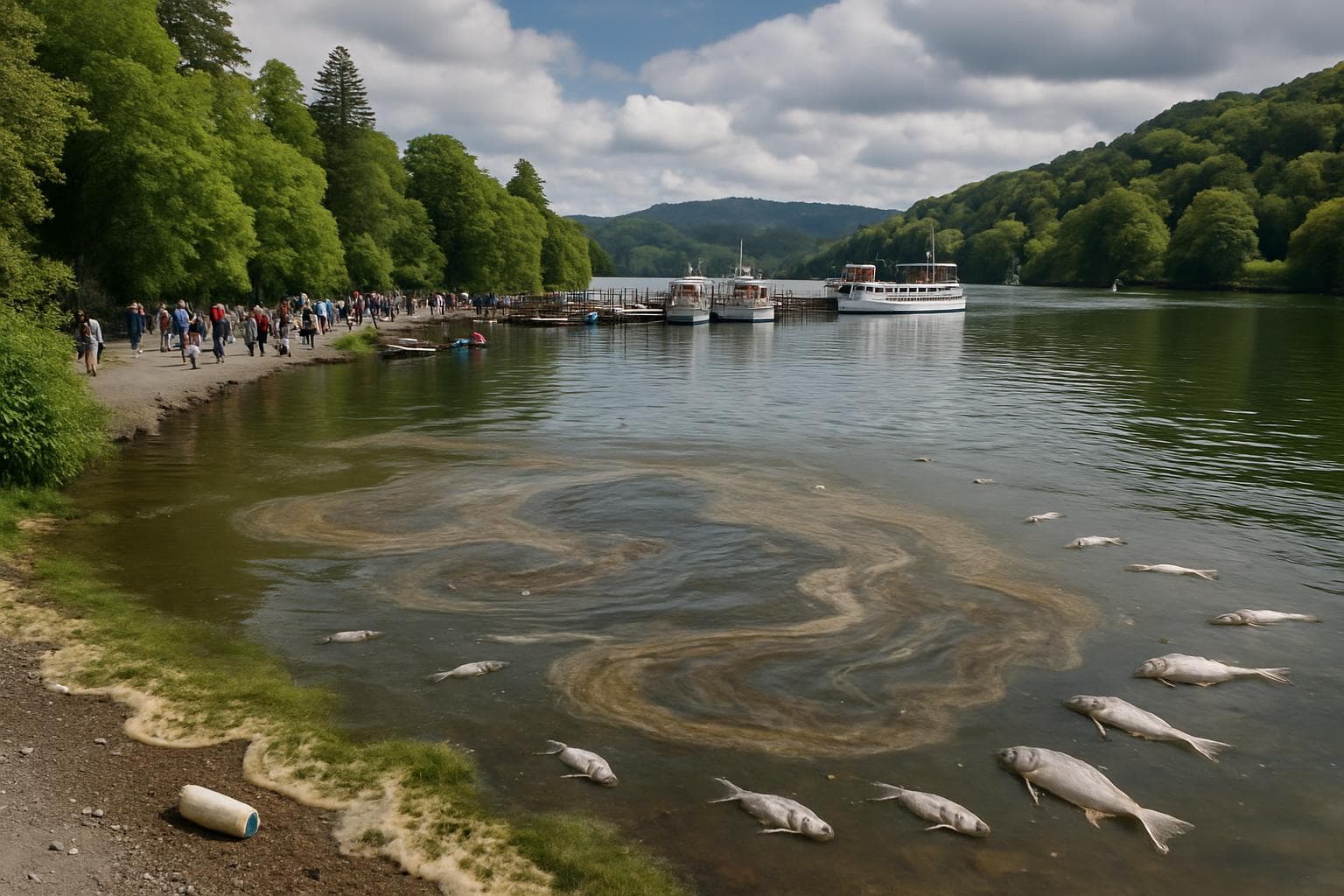
England's largest lake, Windermere, is grappling with significant water quality issues, as recent studies reveal alarming levels of harmful bacteria and pollutants. The Big Windermere Survey, a comprehensive water quality analysis conducted over two and a half years, highlights the presence of Escherichia coli (E.coli) and intestinal enterococci, particularly during the bustling summer months. These findings underscore the pressing need for environmental conservation efforts in the Lake District, a UNESCO World Heritage Site.
Sewage Pollution Threatens Lake District Tourism
The survey, which enlisted the help of 350 citizen scientists, collected over 1,000 samples from more than 100 locations around Windermere. The results indicate that popular tourist spots such as Bowness-on-Windermere and Ambleside suffer from poor bathing water quality due to sewage pollution. Simon Johnson, Executive Director of the Freshwater Biological Association, emphasized the lake's ecological and cultural significance, stating, "If we can't get this right on Windermere, where are we going to do it?"
Phosphorus Pollution and Ecological Impact
In addition to bacterial contamination, the survey revealed elevated phosphorus levels, a pollutant known to cause algal blooms and harm aquatic wildlife. The north and south areas of the lake only meet moderate standards for phosphorus, posing a threat to rare species like the Arctic char. The UK government, under the water framework directive, is committed to achieving "good" ecological status for all water bodies by 2027, yet only 14% currently meet these standards.
Government Response and Future Actions
Environment Secretary Steve Reed has vowed to tackle the sewage pollution issue in Windermere, following criticism over the volume of sewage being discharged into the lake. The primary sources of pollution include treated and untreated sewage from water company sites, agricultural runoff, and private septic tanks. Johnson calls for decisive action, urging collaboration to transform Windermere into a cleaner and healthier water body.
WHAT THIS MIGHT MEAN
The findings from the Big Windermere Survey could prompt stricter regulations on sewage discharges and agricultural practices around the lake. If successful, these measures may serve as a model for other regions facing similar challenges. However, achieving the government's 2027 target for water quality will require significant investment and cooperation from multiple stakeholders, including local communities, environmental groups, and policymakers. As public awareness grows, there may be increased pressure on authorities to prioritize environmental conservation in the Lake District, balancing tourism with sustainable practices.
Related Articles

UK Government Eases Deer Culling to Protect Woodlands and Farmland

Government U-turn Forces Local Elections in Lancashire and Essex Amid Reorganisation Plans

Middle East Conflict Drives UK Energy Prices to New Highs

Government Announces £4 Billion Overhaul of SEND Support in England

UK Government Announces Major Overhaul of SEND System with £3.4 Billion Investment

Prince Andrew's Ties to Epstein Under Scrutiny Amid Calls for Inquiry
Windermere Faces Sewage Pollution Crisis Amidst Rising Tourist Activity
In This Article
 Leila Hassan| Published
 HIGHLIGHTS
- Windermere's water quality is compromised by high levels of E.coli and intestinal enterococci, especially during summer, indicating significant sewage pollution.
- The Big Windermere Survey, involving 350 citizen scientists, found poor bathing water quality in popular tourist areas like Bowness-on-Windermere.
- Phosphorus levels in the lake exceed expected standards, threatening rare species such as Arctic char.
- The UK government aims to achieve "good" ecological status for all water bodies by 2027, but only 14% currently meet these standards.
- Environment Secretary Steve Reed has pledged to address the sewage pollution issue in Windermere.
England's largest lake, Windermere, is grappling with significant water quality issues, as recent studies reveal alarming levels of harmful bacteria and pollutants. The Big Windermere Survey, a comprehensive water quality analysis conducted over two and a half years, highlights the presence of Escherichia coli (E.coli) and intestinal enterococci, particularly during the bustling summer months. These findings underscore the pressing need for environmental conservation efforts in the Lake District, a UNESCO World Heritage Site.
Sewage Pollution Threatens Lake District Tourism
The survey, which enlisted the help of 350 citizen scientists, collected over 1,000 samples from more than 100 locations around Windermere. The results indicate that popular tourist spots such as Bowness-on-Windermere and Ambleside suffer from poor bathing water quality due to sewage pollution. Simon Johnson, Executive Director of the Freshwater Biological Association, emphasized the lake's ecological and cultural significance, stating, "If we can't get this right on Windermere, where are we going to do it?"
Phosphorus Pollution and Ecological Impact
In addition to bacterial contamination, the survey revealed elevated phosphorus levels, a pollutant known to cause algal blooms and harm aquatic wildlife. The north and south areas of the lake only meet moderate standards for phosphorus, posing a threat to rare species like the Arctic char. The UK government, under the water framework directive, is committed to achieving "good" ecological status for all water bodies by 2027, yet only 14% currently meet these standards.
Government Response and Future Actions
Environment Secretary Steve Reed has vowed to tackle the sewage pollution issue in Windermere, following criticism over the volume of sewage being discharged into the lake. The primary sources of pollution include treated and untreated sewage from water company sites, agricultural runoff, and private septic tanks. Johnson calls for decisive action, urging collaboration to transform Windermere into a cleaner and healthier water body.
WHAT THIS MIGHT MEAN
The findings from the Big Windermere Survey could prompt stricter regulations on sewage discharges and agricultural practices around the lake. If successful, these measures may serve as a model for other regions facing similar challenges. However, achieving the government's 2027 target for water quality will require significant investment and cooperation from multiple stakeholders, including local communities, environmental groups, and policymakers. As public awareness grows, there may be increased pressure on authorities to prioritize environmental conservation in the Lake District, balancing tourism with sustainable practices.
Related Articles
UK Government Eases Deer Culling to Protect Woodlands and Farmland
Government U-turn Forces Local Elections in Lancashire and Essex Amid Reorganisation Plans
Middle East Conflict Drives UK Energy Prices to New Highs
Government Announces £4 Billion Overhaul of SEND Support in England
UK Government Announces Major Overhaul of SEND System with £3.4 Billion Investment
Prince Andrew's Ties to Epstein Under Scrutiny Amid Calls for Inquiry