
Winter Sea Swimming Claims Lives Amidst Safety Warnings in the UK
In This Article
HIGHLIGHTS
- A 67-year-old man died after being pulled from the sea off Withernsea, with searches ongoing for another missing person.
- A 51-year-old swimmer from Kettering died near Brighton Palace Pier on New Year's Day; his death is not considered suspicious.
- The RNLI has issued warnings about the dangers of cold water shock and adverse weather conditions during winter swims.
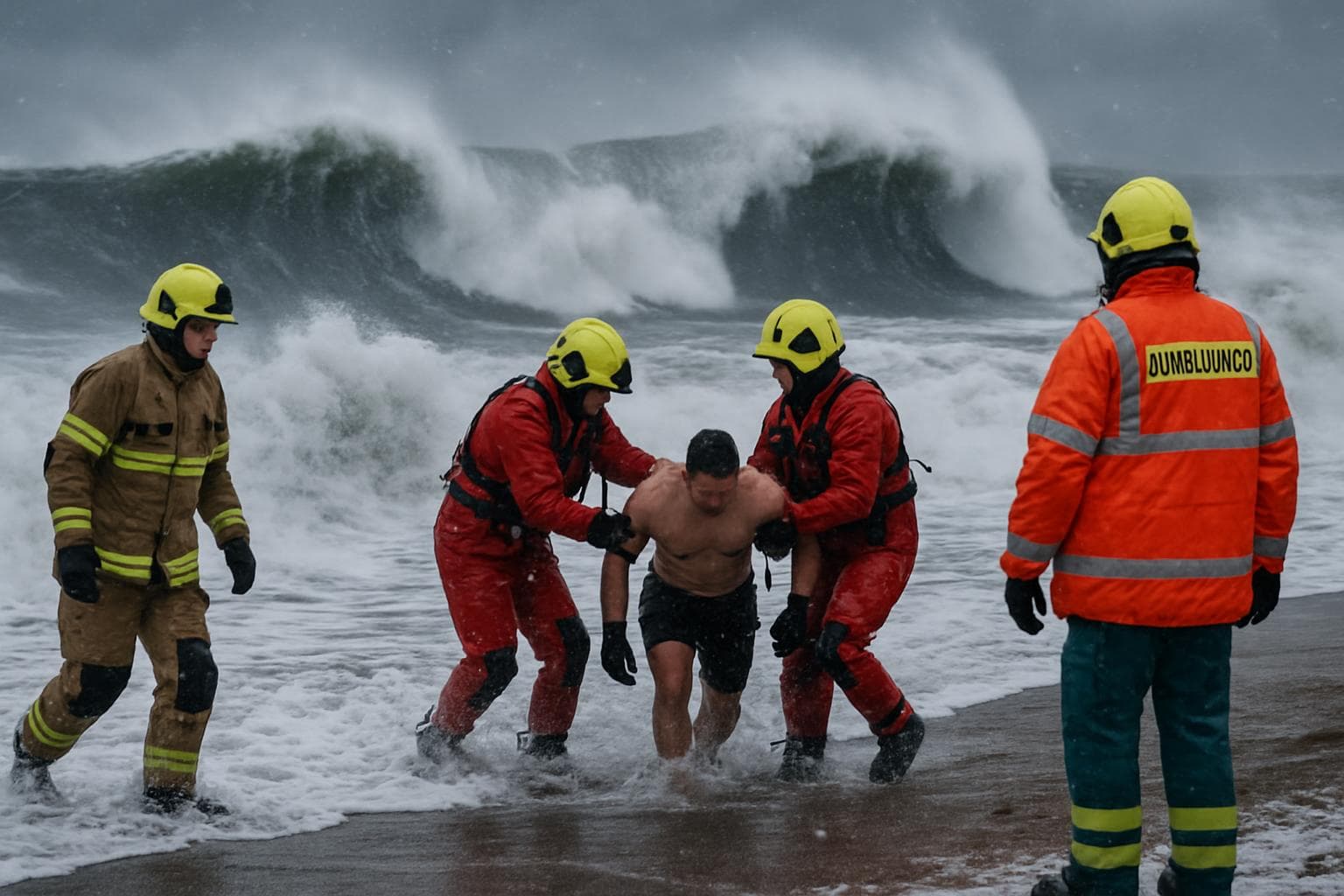
- Emergency services, including RNLI and HM Coastguard, faced challenging conditions with high waves and freezing temperatures during rescue operations.
- The incidents highlight the risks associated with festive and winter sea swimming traditions in the UK.
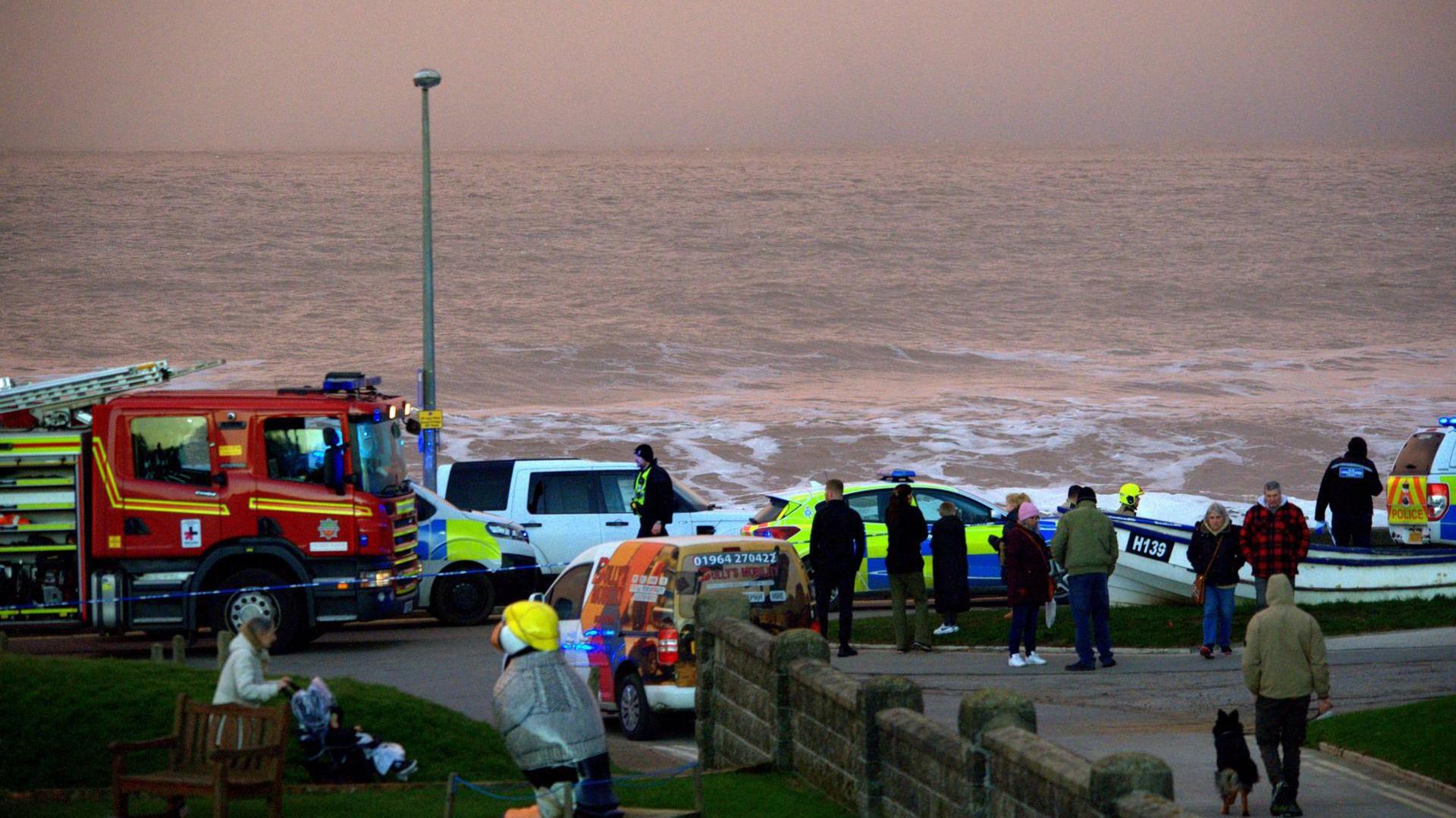
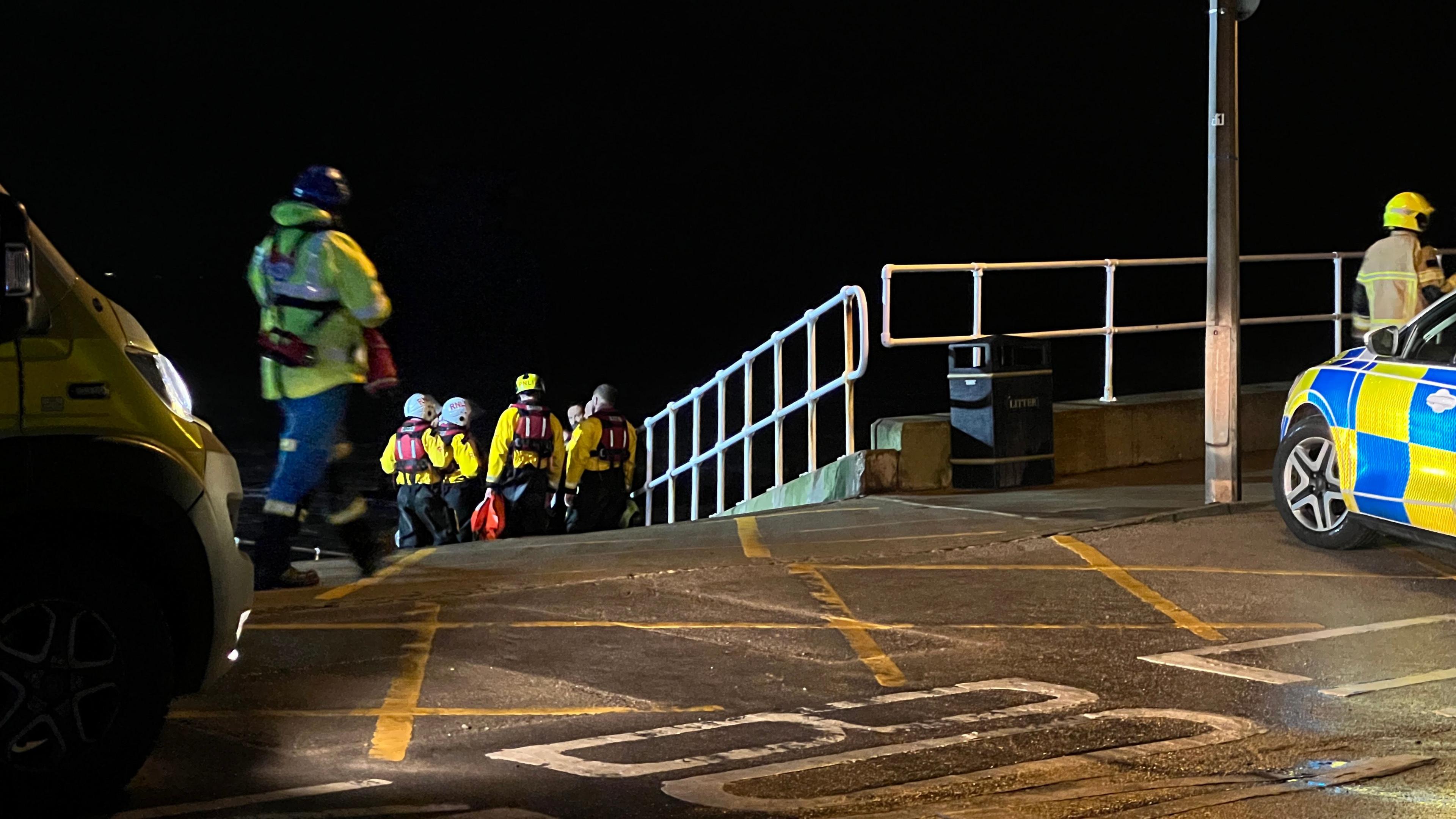
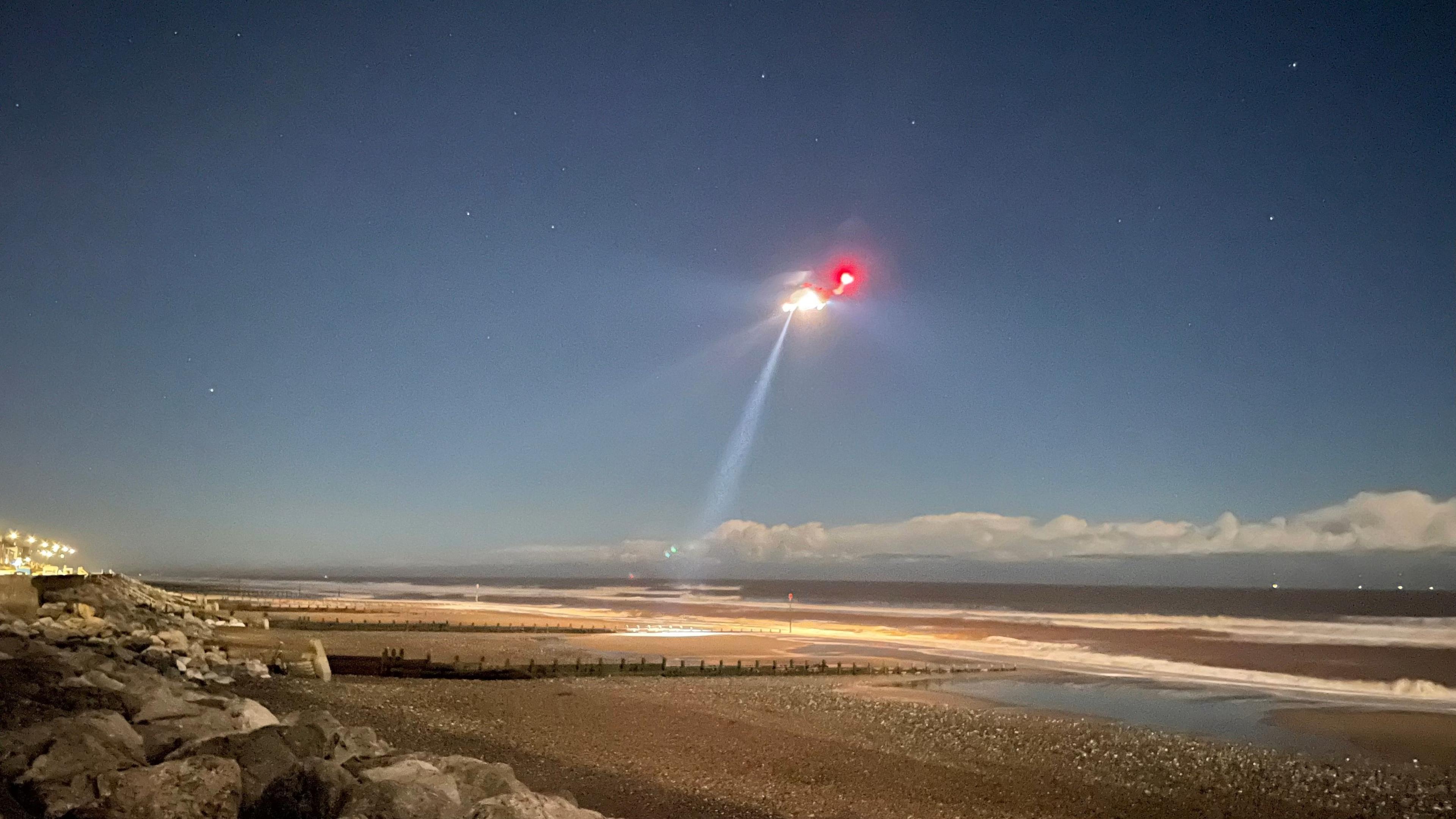
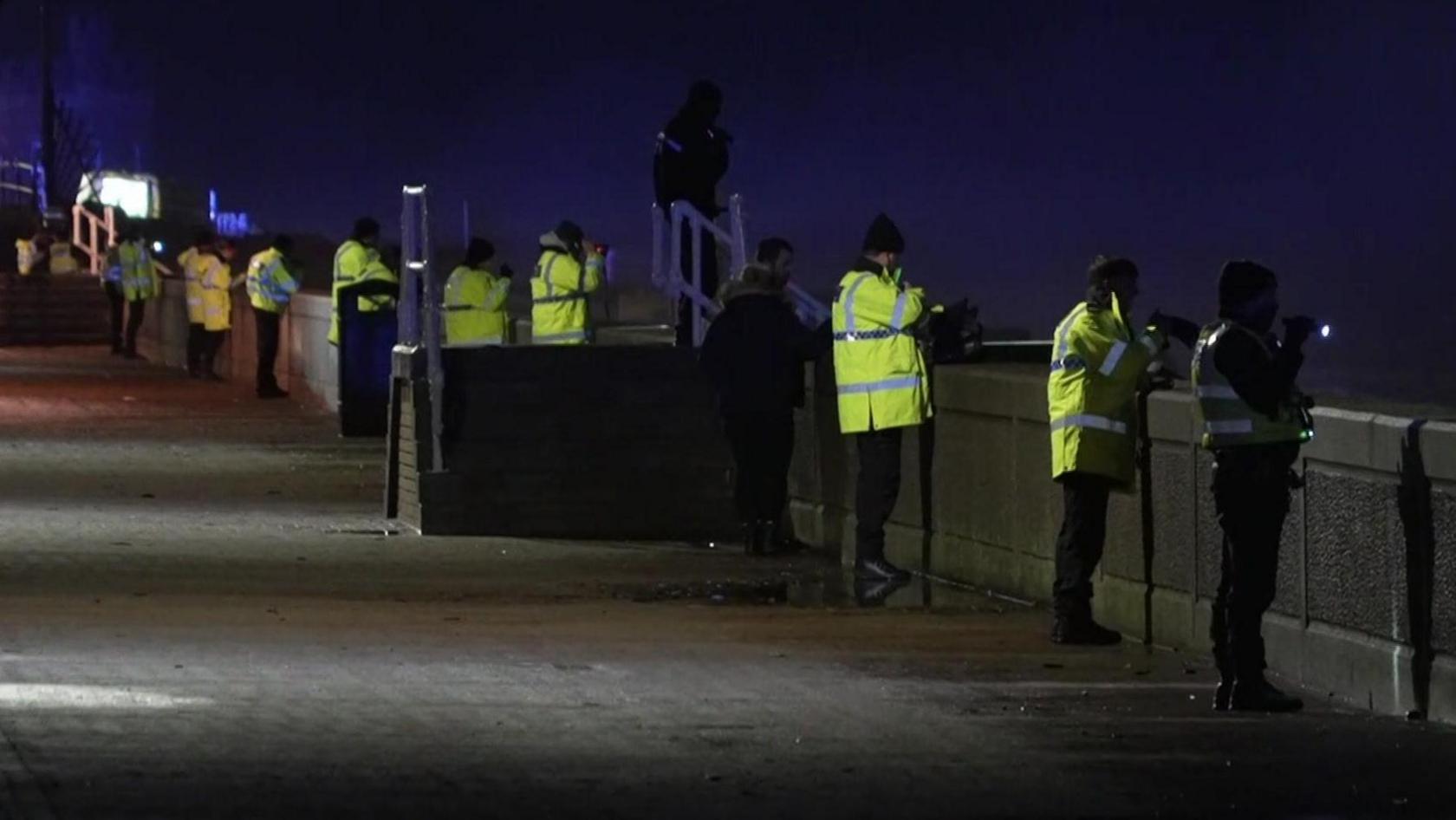
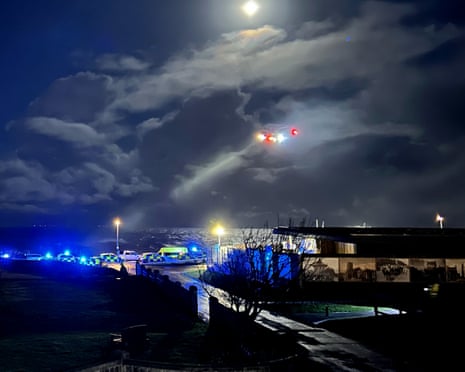
The perilous nature of winter sea swimming has been underscored by two tragic incidents on the UK coast, resulting in the deaths of two men and prompting renewed safety warnings. In Withernsea, East Yorkshire, a 67-year-old man was recovered from the sea but sadly died at the scene. Emergency services, including the RNLI and HM Coastguard, continue to search for another person believed to be missing in the area. The operation, which began at 3:10 PM GMT, faced "horrendous conditions" with waves reaching nearly 10 feet, according to local reports.
Meanwhile, on New Year's Day, a 51-year-old man from Kettering lost his life after encountering difficulties in the sea near Brighton's Palace Pier. Sussex Police confirmed the man's death is not being treated as suspicious, and his next of kin have been informed. The RNLI and HM Coastguard were alerted to the incident at 10:10 AM, but despite prompt medical attention, the man was pronounced dead on the shore.
These incidents coincide with the RNLI's renewed warnings about the dangers of cold water shock and adverse weather conditions, particularly during the winter months when sea temperatures around the UK and Ireland average between 6°C and 10°C. Gareth Morrison, head of water safety for the RNLI, emphasized the importance of understanding personal limitations and checking sea conditions before entering the water. "With sea temperatures still dropping, the effects of cold water, combined with weather conditions, should be taken seriously," Morrison advised.
The festive tradition of winter swimming, while popular, poses significant risks, as highlighted by these recent tragedies. Emergency services have urged the public to exercise caution and prioritize safety when engaging in such activities.
WHAT THIS MIGHT MEAN
The recent fatalities have sparked discussions about the safety of winter sea swimming, potentially leading to increased public awareness and stricter safety guidelines. The RNLI's advice may prompt local councils to issue more robust warnings or even temporary bans during adverse weather conditions. As investigations continue, there could be calls for improved emergency response strategies and public education on the risks of cold water shock. These developments may influence future policies on recreational sea activities, especially during the colder months.
Images from the Web
Related Articles

Saharan Dust to Illuminate UK Skies with Vivid Sunrises and Sunsets
Tragedy Strikes as Two Young Men Found Dead on Snowdon

Canada and Australia Forge Strategic Partnership Amid Global Uncertainty

UK Government to Reform Asylum Seeker Support and Employment Policies
Middle East Conflict Drives UK Energy Prices to New Highs

UK Faces Dilemmas Amid Iran Conflict and China Spying Allegations
Winter Sea Swimming Claims Lives Amidst Safety Warnings in the UK
In This Article
 Leila Hassan| Published
 HIGHLIGHTS
- A 67-year-old man died after being pulled from the sea off Withernsea, with searches ongoing for another missing person.
- A 51-year-old swimmer from Kettering died near Brighton Palace Pier on New Year's Day; his death is not considered suspicious.
- The RNLI has issued warnings about the dangers of cold water shock and adverse weather conditions during winter swims.
- Emergency services, including RNLI and HM Coastguard, faced challenging conditions with high waves and freezing temperatures during rescue operations.
- The incidents highlight the risks associated with festive and winter sea swimming traditions in the UK.
The perilous nature of winter sea swimming has been underscored by two tragic incidents on the UK coast, resulting in the deaths of two men and prompting renewed safety warnings. In Withernsea, East Yorkshire, a 67-year-old man was recovered from the sea but sadly died at the scene. Emergency services, including the RNLI and HM Coastguard, continue to search for another person believed to be missing in the area. The operation, which began at 3:10 PM GMT, faced "horrendous conditions" with waves reaching nearly 10 feet, according to local reports.
Meanwhile, on New Year's Day, a 51-year-old man from Kettering lost his life after encountering difficulties in the sea near Brighton's Palace Pier. Sussex Police confirmed the man's death is not being treated as suspicious, and his next of kin have been informed. The RNLI and HM Coastguard were alerted to the incident at 10:10 AM, but despite prompt medical attention, the man was pronounced dead on the shore.
These incidents coincide with the RNLI's renewed warnings about the dangers of cold water shock and adverse weather conditions, particularly during the winter months when sea temperatures around the UK and Ireland average between 6°C and 10°C. Gareth Morrison, head of water safety for the RNLI, emphasized the importance of understanding personal limitations and checking sea conditions before entering the water. "With sea temperatures still dropping, the effects of cold water, combined with weather conditions, should be taken seriously," Morrison advised.
The festive tradition of winter swimming, while popular, poses significant risks, as highlighted by these recent tragedies. Emergency services have urged the public to exercise caution and prioritize safety when engaging in such activities.
WHAT THIS MIGHT MEAN
The recent fatalities have sparked discussions about the safety of winter sea swimming, potentially leading to increased public awareness and stricter safety guidelines. The RNLI's advice may prompt local councils to issue more robust warnings or even temporary bans during adverse weather conditions. As investigations continue, there could be calls for improved emergency response strategies and public education on the risks of cold water shock. These developments may influence future policies on recreational sea activities, especially during the colder months.
Images from the Web
Related Articles
Saharan Dust to Illuminate UK Skies with Vivid Sunrises and Sunsets
Tragedy Strikes as Two Young Men Found Dead on Snowdon
Canada and Australia Forge Strategic Partnership Amid Global Uncertainty
UK Government to Reform Asylum Seeker Support and Employment Policies
Middle East Conflict Drives UK Energy Prices to New Highs
UK Faces Dilemmas Amid Iran Conflict and China Spying Allegations