
YouTube Surges as UK's Second Most-Watched Media Platform, Challenging Traditional Broadcasters
In This Article
HIGHLIGHTS
- YouTube has become the UK's second most-watched media service, trailing only the BBC, according to Ofcom's latest report.
- Generation Alpha, aged 4-15, predominantly chooses YouTube as their first TV destination, with one in five young viewers opting for the platform.
- Older adults, particularly those over 55, have nearly doubled their YouTube consumption compared to 2023, with 42% viewing through TV sets.
- Traditional broadcast TV viewing has declined, with young adults aged 16-24 watching just 17 minutes of live TV daily.
- Public service broadcasters are increasingly placing content on YouTube to reach younger audiences, though this poses challenges in terms of advertising revenue and platform prominence.
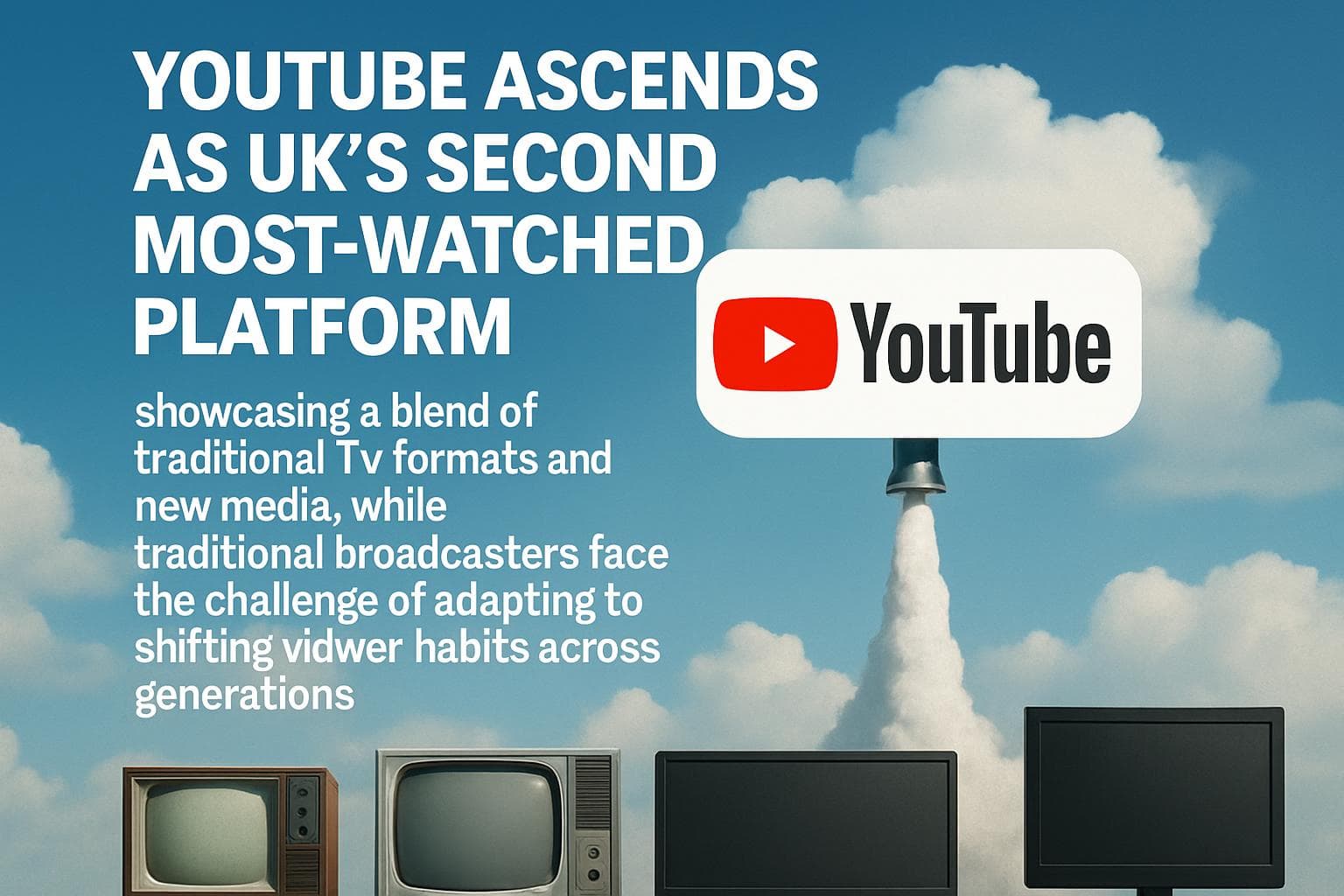
YouTube has emerged as the second most-watched media service in the UK, trailing only the BBC, according to a comprehensive report by Ofcom. This shift underscores a significant change in media consumption habits across different age groups, with implications for traditional broadcasters.
Rise of YouTube Among Younger Audiences
The report highlights that Generation Alpha, children aged 4 to 15, are increasingly turning to YouTube as their primary TV destination. One in five young viewers now opts for the video-sharing platform when they first switch on their televisions. This trend is not limited to the young; older adults, particularly those over 55, have also shown a marked increase in YouTube consumption, watching nearly twice as much content as they did in 2023. Notably, 42% of this demographic now views YouTube through their TV sets.
Decline in Traditional Broadcast TV
The rise of YouTube and other streaming services has contributed to a decline in traditional broadcast TV viewing. Young adults aged 16 to 24 are watching just 17 minutes of live television daily, with only 45% tuning into broadcast TV weekly, down from 48% in 2023. Despite this decline, broadcast television still accounts for 56% of in-home viewing, particularly during major events like Christmas and sports finals.
Challenges for Public Service Broadcasters
Public service broadcasters such as the BBC, ITV, and Channel 4 face challenges as they adapt to these changing viewing habits. While placing content on YouTube allows them to reach younger audiences, it also risks diverting viewers from their own platforms and reducing advertising revenue. Ofcom's interim group director for strategy and research, Ed Leighton, emphasized the need for broadcasters to show more ambition in adapting to these shifts to ensure the longevity of public service media.
Evolving Content Landscape
YouTube's content is also evolving, with half of its top-trending videos now resembling traditional TV formats, such as long-form interviews and game shows. This positions YouTube as a direct competitor to ad-supported TV services, offering broadcasters a way to engage with younger and broader audiences.
WHAT THIS MIGHT MEAN
As YouTube continues to dominate the media landscape, traditional broadcasters may need to innovate further to retain their audience share. This could involve creating more engaging content tailored to online platforms or negotiating better terms with YouTube to ensure fair revenue sharing. The ongoing shift in media consumption habits may also prompt regulatory changes, with potential new laws to ensure public service content receives adequate prominence on digital platforms. Ultimately, the future of media consumption in the UK will likely depend on how well traditional broadcasters can adapt to these evolving trends.
Related Articles

Canada and Australia Forge Strategic Partnership Amid Global Uncertainty

UK Government to Reform Asylum Seeker Support and Employment Policies

Middle East Conflict Drives UK Energy Prices to New Highs

UK Faces Dilemmas Amid Iran Conflict and China Spying Allegations

UK Reinforces Military Presence in Cyprus Amid Middle East Tensions

Police Federation Chief Arrested Amid Fraud Investigation
YouTube Surges as UK's Second Most-Watched Media Platform, Challenging Traditional Broadcasters
In This Article
 Marcus Blake| Published
 HIGHLIGHTS
- YouTube has become the UK's second most-watched media service, trailing only the BBC, according to Ofcom's latest report.
- Generation Alpha, aged 4-15, predominantly chooses YouTube as their first TV destination, with one in five young viewers opting for the platform.
- Older adults, particularly those over 55, have nearly doubled their YouTube consumption compared to 2023, with 42% viewing through TV sets.
- Traditional broadcast TV viewing has declined, with young adults aged 16-24 watching just 17 minutes of live TV daily.
- Public service broadcasters are increasingly placing content on YouTube to reach younger audiences, though this poses challenges in terms of advertising revenue and platform prominence.
YouTube has emerged as the second most-watched media service in the UK, trailing only the BBC, according to a comprehensive report by Ofcom. This shift underscores a significant change in media consumption habits across different age groups, with implications for traditional broadcasters.
Rise of YouTube Among Younger Audiences
The report highlights that Generation Alpha, children aged 4 to 15, are increasingly turning to YouTube as their primary TV destination. One in five young viewers now opts for the video-sharing platform when they first switch on their televisions. This trend is not limited to the young; older adults, particularly those over 55, have also shown a marked increase in YouTube consumption, watching nearly twice as much content as they did in 2023. Notably, 42% of this demographic now views YouTube through their TV sets.
Decline in Traditional Broadcast TV
The rise of YouTube and other streaming services has contributed to a decline in traditional broadcast TV viewing. Young adults aged 16 to 24 are watching just 17 minutes of live television daily, with only 45% tuning into broadcast TV weekly, down from 48% in 2023. Despite this decline, broadcast television still accounts for 56% of in-home viewing, particularly during major events like Christmas and sports finals.
Challenges for Public Service Broadcasters
Public service broadcasters such as the BBC, ITV, and Channel 4 face challenges as they adapt to these changing viewing habits. While placing content on YouTube allows them to reach younger audiences, it also risks diverting viewers from their own platforms and reducing advertising revenue. Ofcom's interim group director for strategy and research, Ed Leighton, emphasized the need for broadcasters to show more ambition in adapting to these shifts to ensure the longevity of public service media.
Evolving Content Landscape
YouTube's content is also evolving, with half of its top-trending videos now resembling traditional TV formats, such as long-form interviews and game shows. This positions YouTube as a direct competitor to ad-supported TV services, offering broadcasters a way to engage with younger and broader audiences.
WHAT THIS MIGHT MEAN
As YouTube continues to dominate the media landscape, traditional broadcasters may need to innovate further to retain their audience share. This could involve creating more engaging content tailored to online platforms or negotiating better terms with YouTube to ensure fair revenue sharing. The ongoing shift in media consumption habits may also prompt regulatory changes, with potential new laws to ensure public service content receives adequate prominence on digital platforms. Ultimately, the future of media consumption in the UK will likely depend on how well traditional broadcasters can adapt to these evolving trends.
Related Articles
Canada and Australia Forge Strategic Partnership Amid Global Uncertainty
UK Government to Reform Asylum Seeker Support and Employment Policies
Middle East Conflict Drives UK Energy Prices to New Highs
UK Faces Dilemmas Amid Iran Conflict and China Spying Allegations
UK Reinforces Military Presence in Cyprus Amid Middle East Tensions
Police Federation Chief Arrested Amid Fraud Investigation