
New Storm Names Announced for 2025-26 to Enhance Public Awareness and Safety
In This Article
HIGHLIGHTS
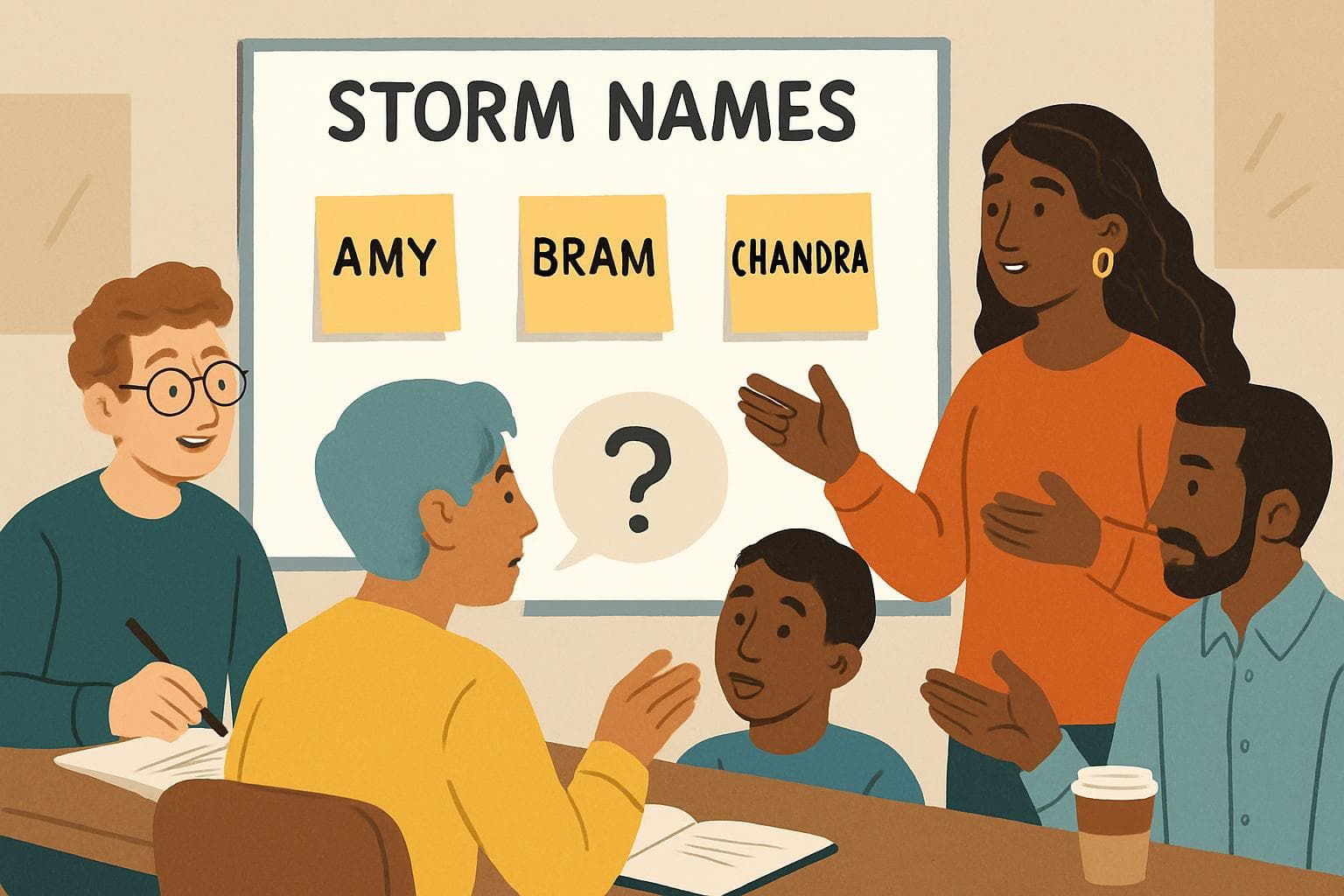
- The Met Office, Met Éireann, and KNMI have announced new storm names for the 2025-26 season, including Amy, Bram, and Chandra.
- Over 50,000 public submissions were received for storm names, highlighting cultural figures and personal tributes.
- Naming storms has proven effective in raising public awareness and encouraging preparedness, with 93% awareness reported for Storm Floris.
- The storm naming initiative, started in 2015, aims to improve communication and safety during severe weather events in the UK, Ireland, and the Netherlands.
- Storms are named based on their potential to cause medium to high impacts, primarily due to wind, but also considering rain and snow.
As the meteorological autumn begins, the Met Office, alongside Met Éireann and the Dutch weather service KNMI, has unveiled the new list of storm names for the 2025-26 season. This year, the names Amy, Bram, and Chandra will be among the first to be used, reflecting a diverse array of cultural and personal inspirations. The initiative, which began in 2015, aims to enhance public awareness and safety during severe weather events across the UK, Ireland, and the Netherlands.
Public Participation and Cultural Significance
This year, the storm naming process saw an unprecedented level of public engagement, with over 50,000 suggestions submitted. Names like Bram, honoring the famed Irish writer Bram Stoker, and Dave, a tribute to a beloved husband known for his thunderous snoring, highlight the personal and cultural connections people have with these names. The Met Office emphasizes that naming storms is not just about labeling; it is a crucial step in ensuring that the public takes notice and prepares for potential weather impacts.
Proven Impact on Public Preparedness
The effectiveness of the storm naming initiative is evident in recent surveys. For instance, during Storm Floris, 93% of people in areas with amber warnings were aware of the alerts, and 83% took action to prepare. Rebekah Hicks from the Met Office notes that naming storms facilitates easier communication of important forecasts and safety information, ultimately helping communities stay safe.
Criteria for Naming and Impact Considerations
Storms are named when they are expected to have medium or high impacts, primarily due to strong winds, but also considering heavy rain or snow. The selection process involves assessing the ease of pronunciation, potential cultural meanings, and any links to public figures. This ensures that the names are both memorable and appropriate across the UK, Ireland, and the Netherlands.
WHAT THIS MIGHT MEAN
Looking ahead, the continued use of public submissions for storm naming could further strengthen community engagement and awareness. As climate change intensifies weather patterns, the role of such initiatives becomes increasingly critical in mitigating risks and enhancing public safety. Experts suggest that expanding this approach to include more regions could provide a unified system for storm communication across Europe. Additionally, as the climate crisis progresses, the criteria for naming storms may evolve to address new weather phenomena and their impacts on society.
Related Articles
Saharan Dust to Illuminate UK Skies with Vivid Sunrises and Sunsets
Canada and Australia Forge Strategic Partnership Amid Global Uncertainty

UK Government to Reform Asylum Seeker Support and Employment Policies
Middle East Conflict Drives UK Energy Prices to New Highs

UK Faces Dilemmas Amid Iran Conflict and China Spying Allegations
UK Reinforces Military Presence in Cyprus Amid Middle East Tensions
New Storm Names Announced for 2025-26 to Enhance Public Awareness and Safety
In This Article
 Leila Hassan| Published
 HIGHLIGHTS
- The Met Office, Met Éireann, and KNMI have announced new storm names for the 2025-26 season, including Amy, Bram, and Chandra.
- Over 50,000 public submissions were received for storm names, highlighting cultural figures and personal tributes.
- Naming storms has proven effective in raising public awareness and encouraging preparedness, with 93% awareness reported for Storm Floris.
- The storm naming initiative, started in 2015, aims to improve communication and safety during severe weather events in the UK, Ireland, and the Netherlands.
- Storms are named based on their potential to cause medium to high impacts, primarily due to wind, but also considering rain and snow.
As the meteorological autumn begins, the Met Office, alongside Met Éireann and the Dutch weather service KNMI, has unveiled the new list of storm names for the 2025-26 season. This year, the names Amy, Bram, and Chandra will be among the first to be used, reflecting a diverse array of cultural and personal inspirations. The initiative, which began in 2015, aims to enhance public awareness and safety during severe weather events across the UK, Ireland, and the Netherlands.
Public Participation and Cultural Significance
This year, the storm naming process saw an unprecedented level of public engagement, with over 50,000 suggestions submitted. Names like Bram, honoring the famed Irish writer Bram Stoker, and Dave, a tribute to a beloved husband known for his thunderous snoring, highlight the personal and cultural connections people have with these names. The Met Office emphasizes that naming storms is not just about labeling; it is a crucial step in ensuring that the public takes notice and prepares for potential weather impacts.
Proven Impact on Public Preparedness
The effectiveness of the storm naming initiative is evident in recent surveys. For instance, during Storm Floris, 93% of people in areas with amber warnings were aware of the alerts, and 83% took action to prepare. Rebekah Hicks from the Met Office notes that naming storms facilitates easier communication of important forecasts and safety information, ultimately helping communities stay safe.
Criteria for Naming and Impact Considerations
Storms are named when they are expected to have medium or high impacts, primarily due to strong winds, but also considering heavy rain or snow. The selection process involves assessing the ease of pronunciation, potential cultural meanings, and any links to public figures. This ensures that the names are both memorable and appropriate across the UK, Ireland, and the Netherlands.
WHAT THIS MIGHT MEAN
Looking ahead, the continued use of public submissions for storm naming could further strengthen community engagement and awareness. As climate change intensifies weather patterns, the role of such initiatives becomes increasingly critical in mitigating risks and enhancing public safety. Experts suggest that expanding this approach to include more regions could provide a unified system for storm communication across Europe. Additionally, as the climate crisis progresses, the criteria for naming storms may evolve to address new weather phenomena and their impacts on society.
Related Articles
Saharan Dust to Illuminate UK Skies with Vivid Sunrises and Sunsets
Canada and Australia Forge Strategic Partnership Amid Global Uncertainty
UK Government to Reform Asylum Seeker Support and Employment Policies
Middle East Conflict Drives UK Energy Prices to New Highs
UK Faces Dilemmas Amid Iran Conflict and China Spying Allegations
UK Reinforces Military Presence in Cyprus Amid Middle East Tensions